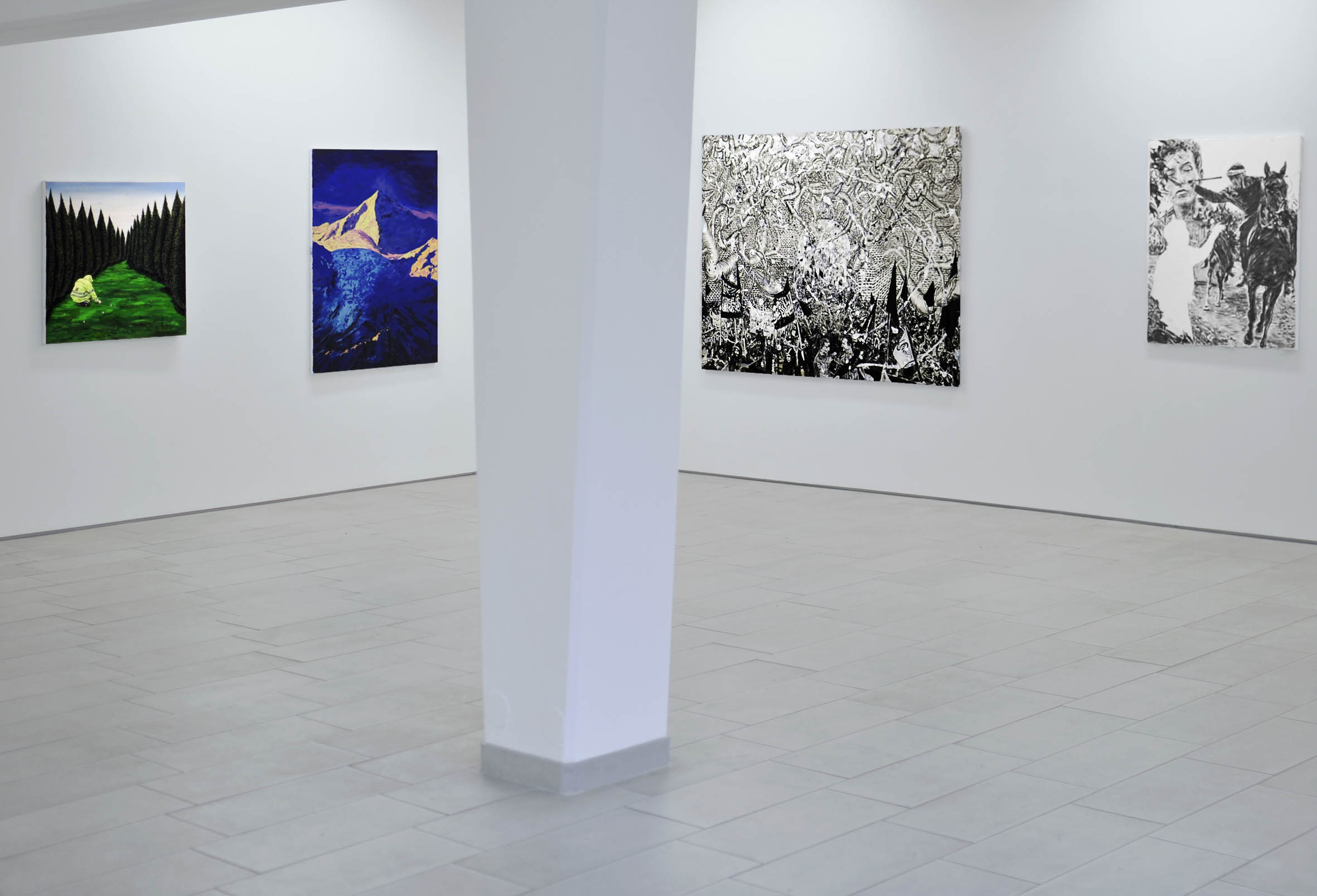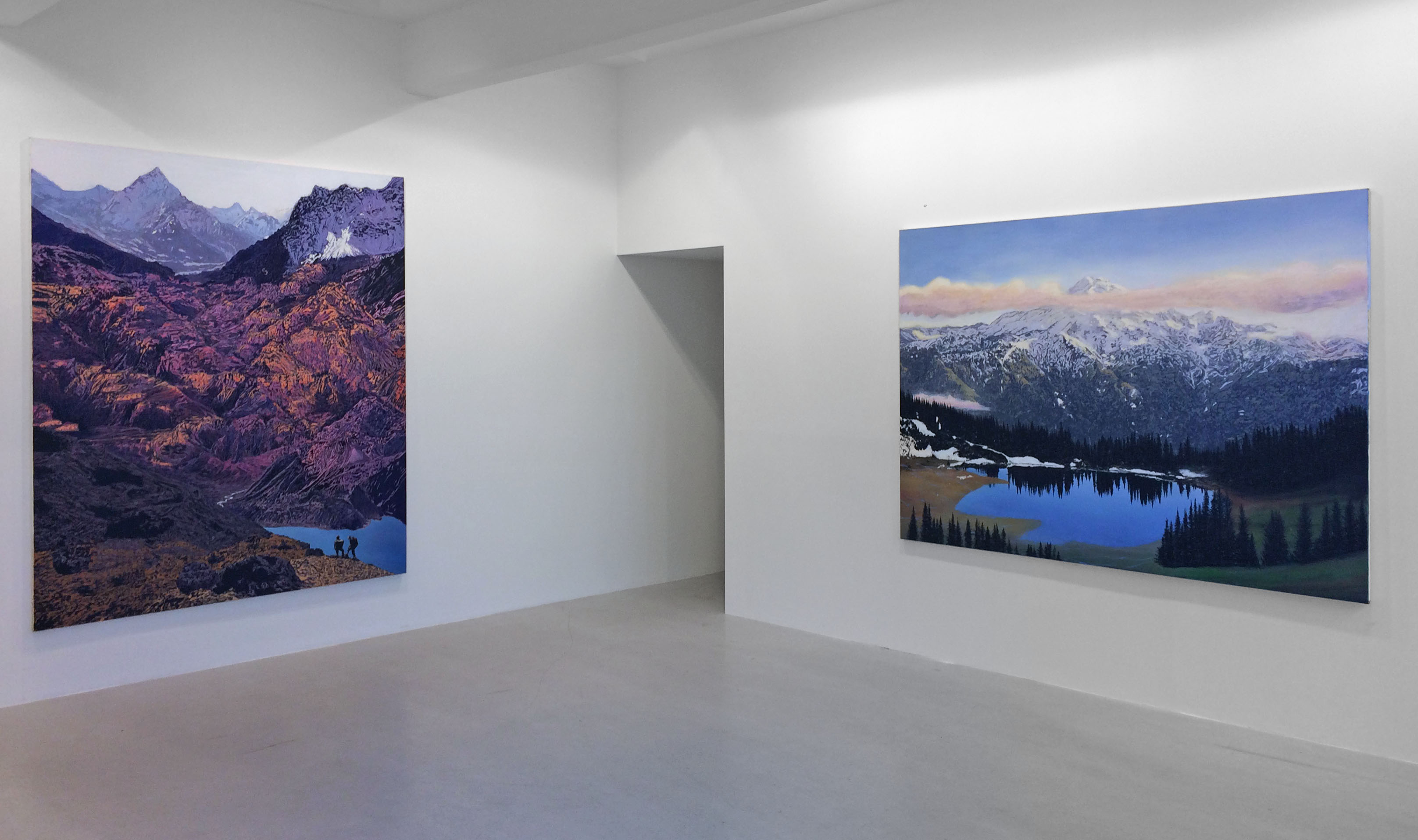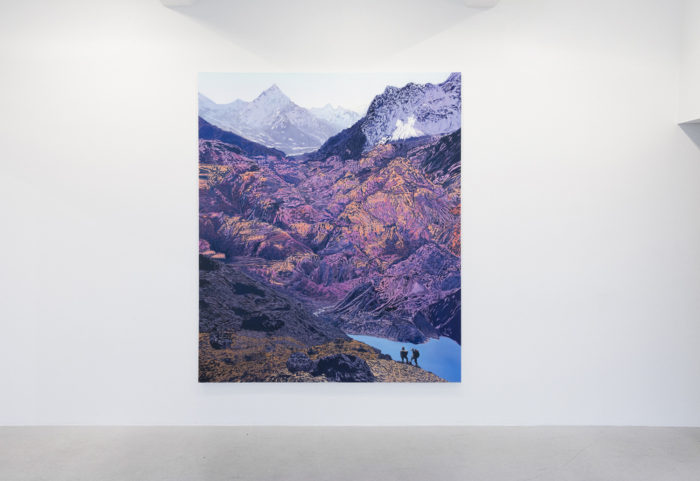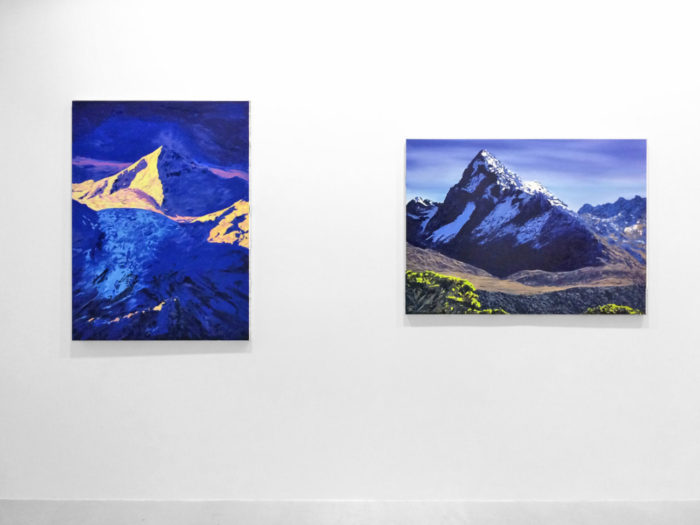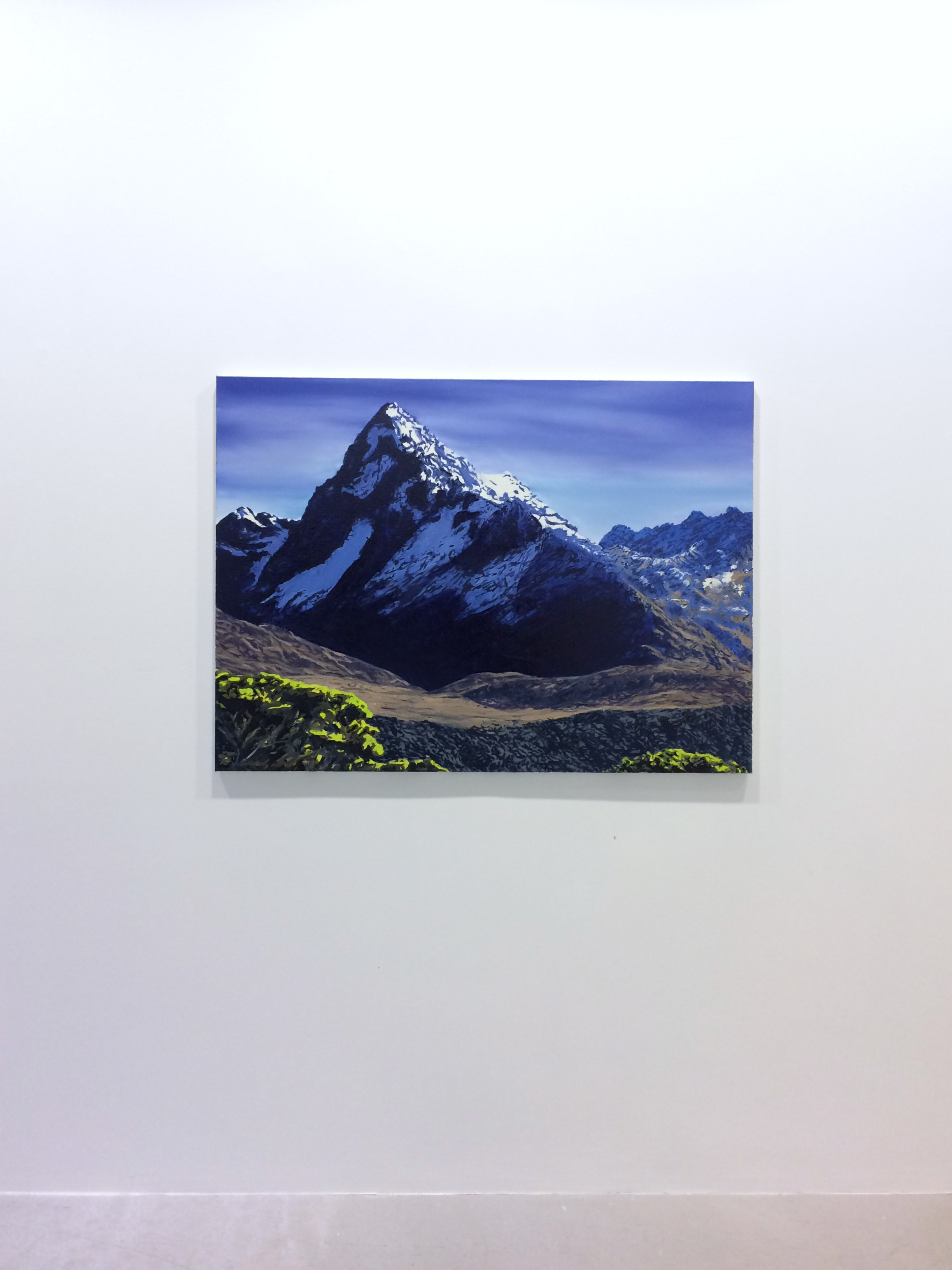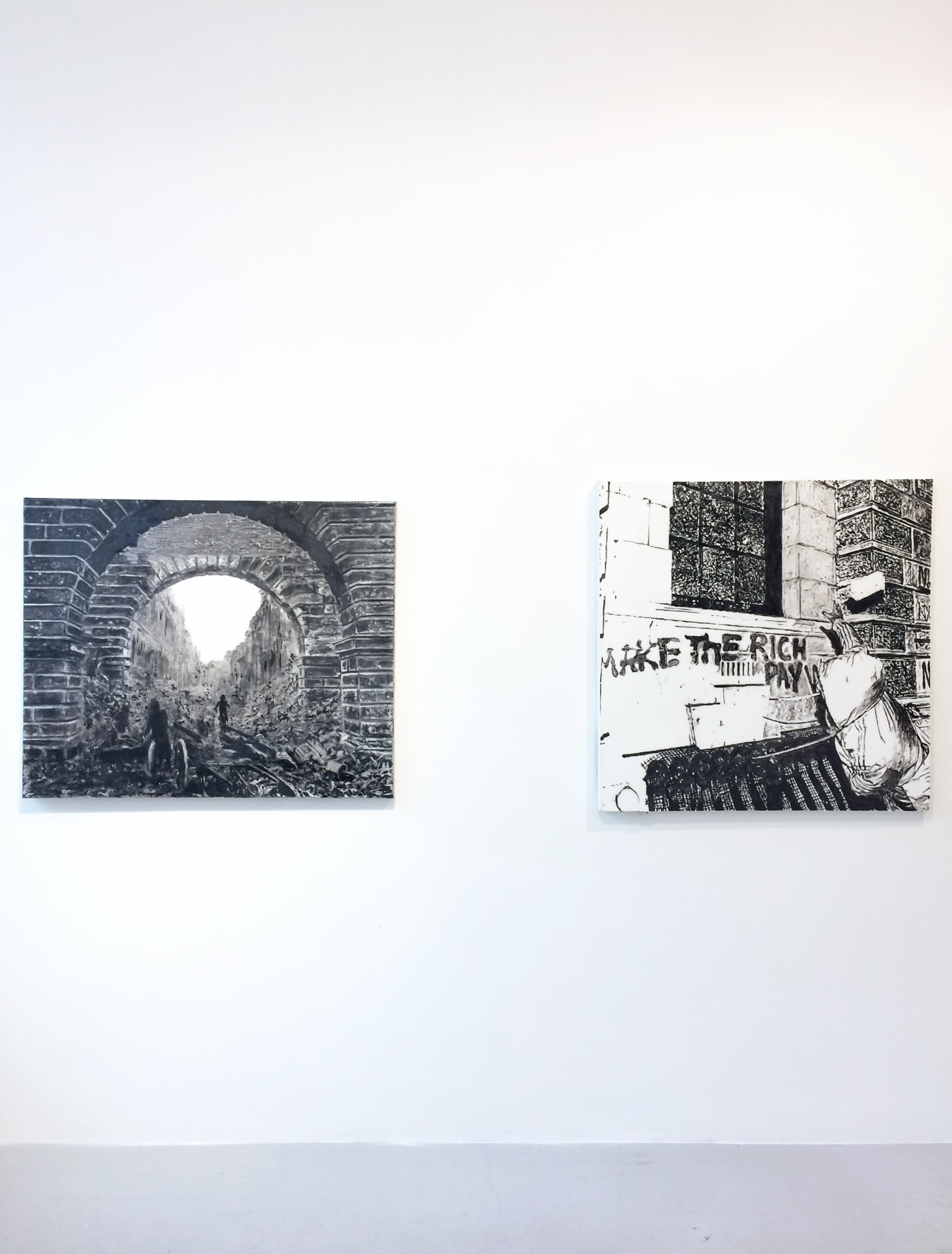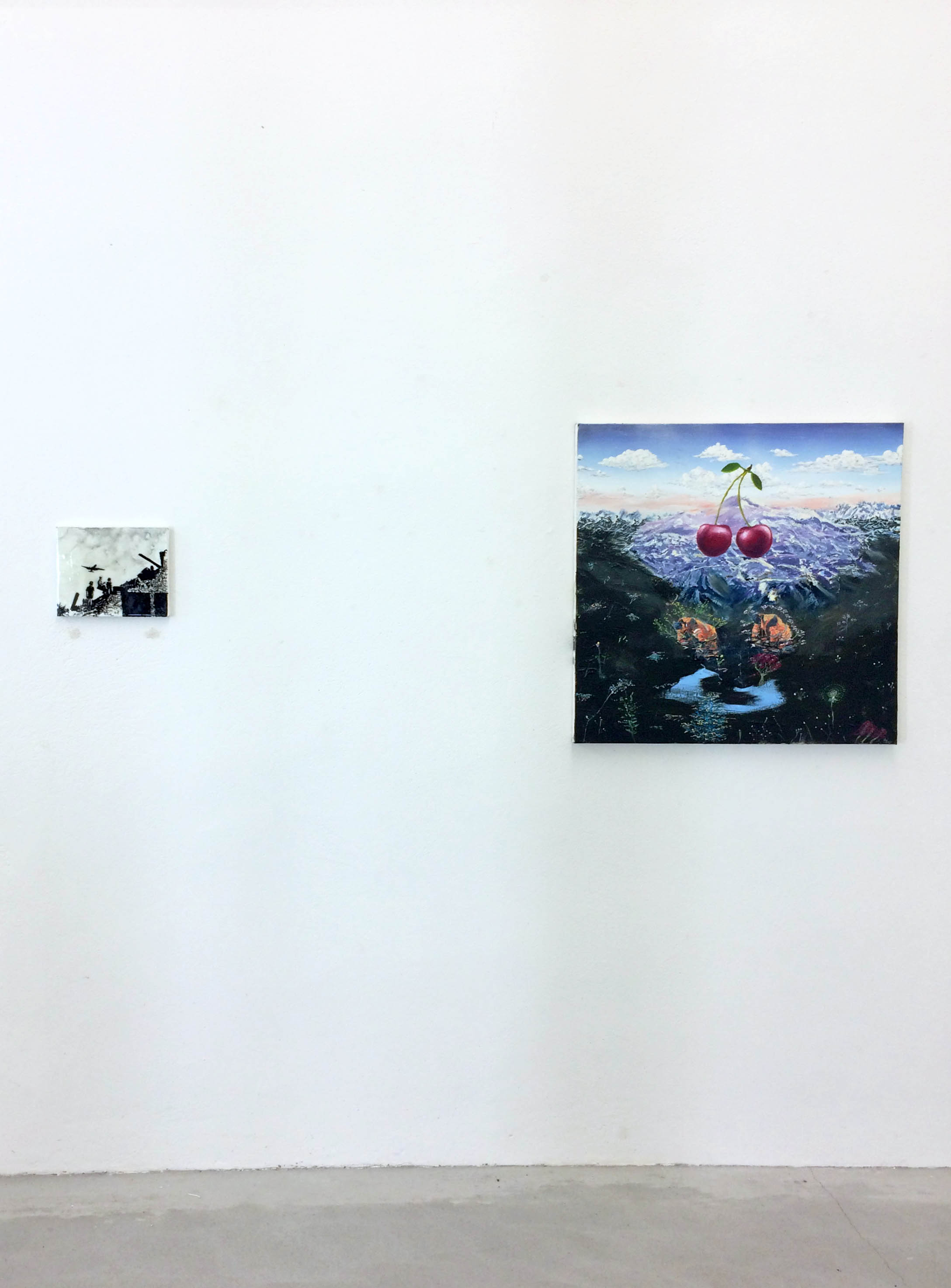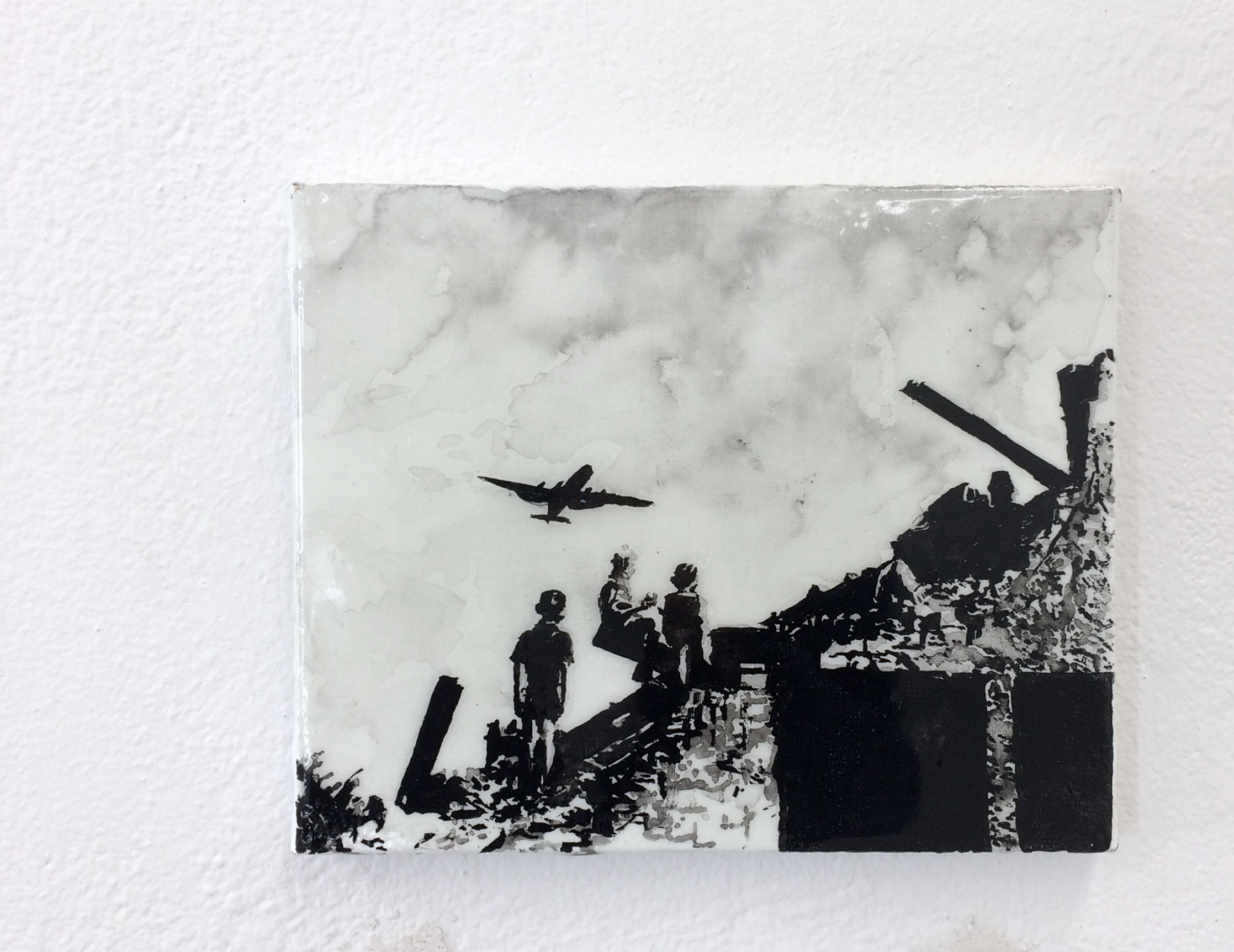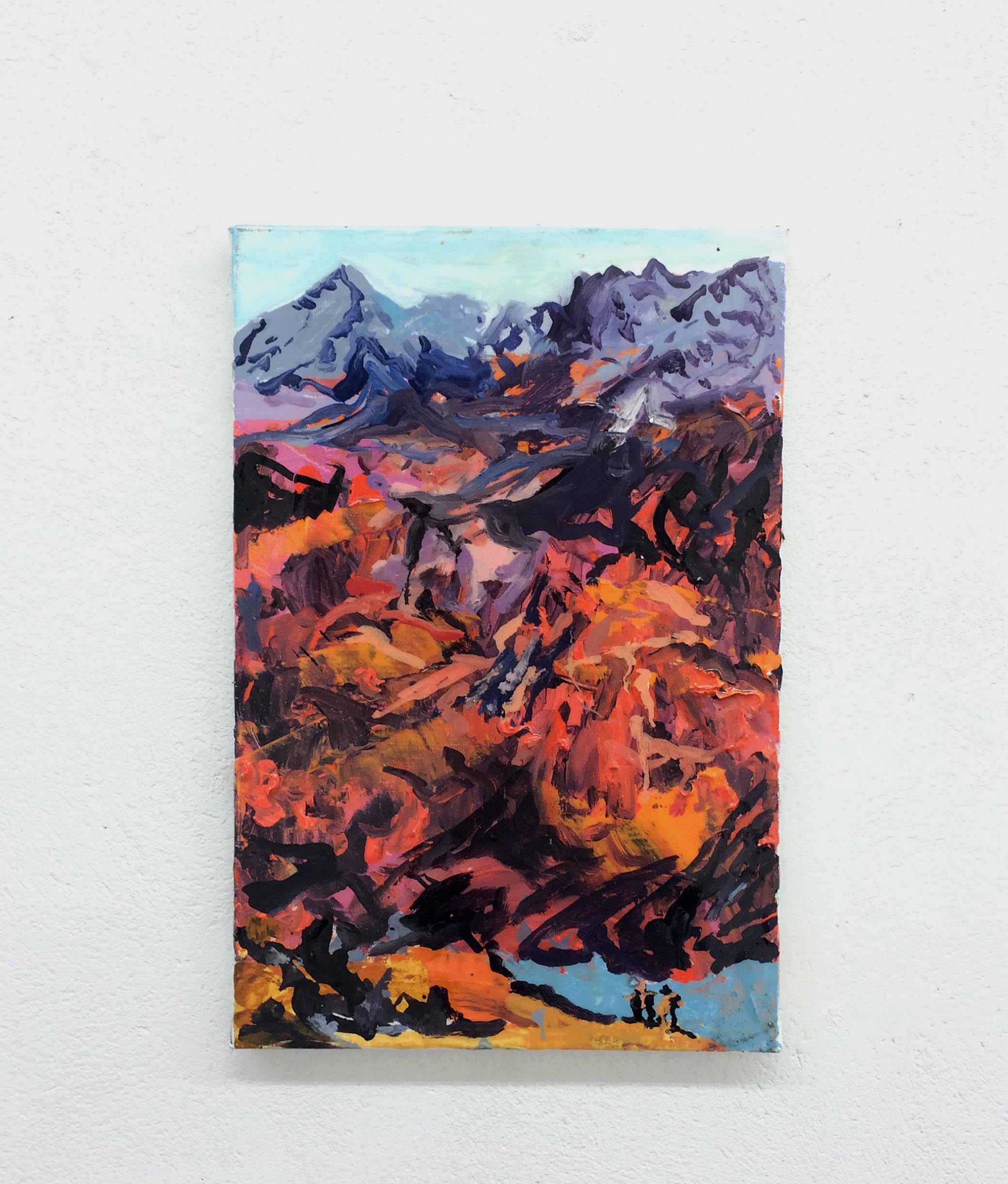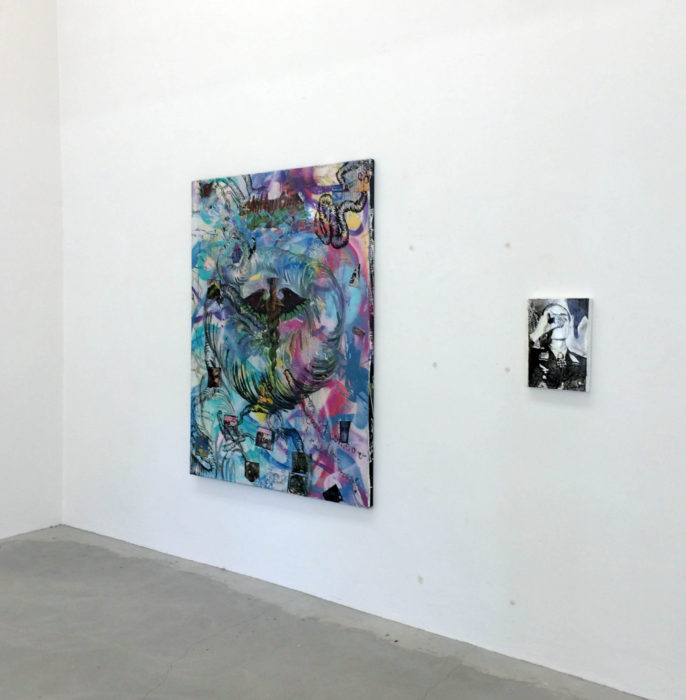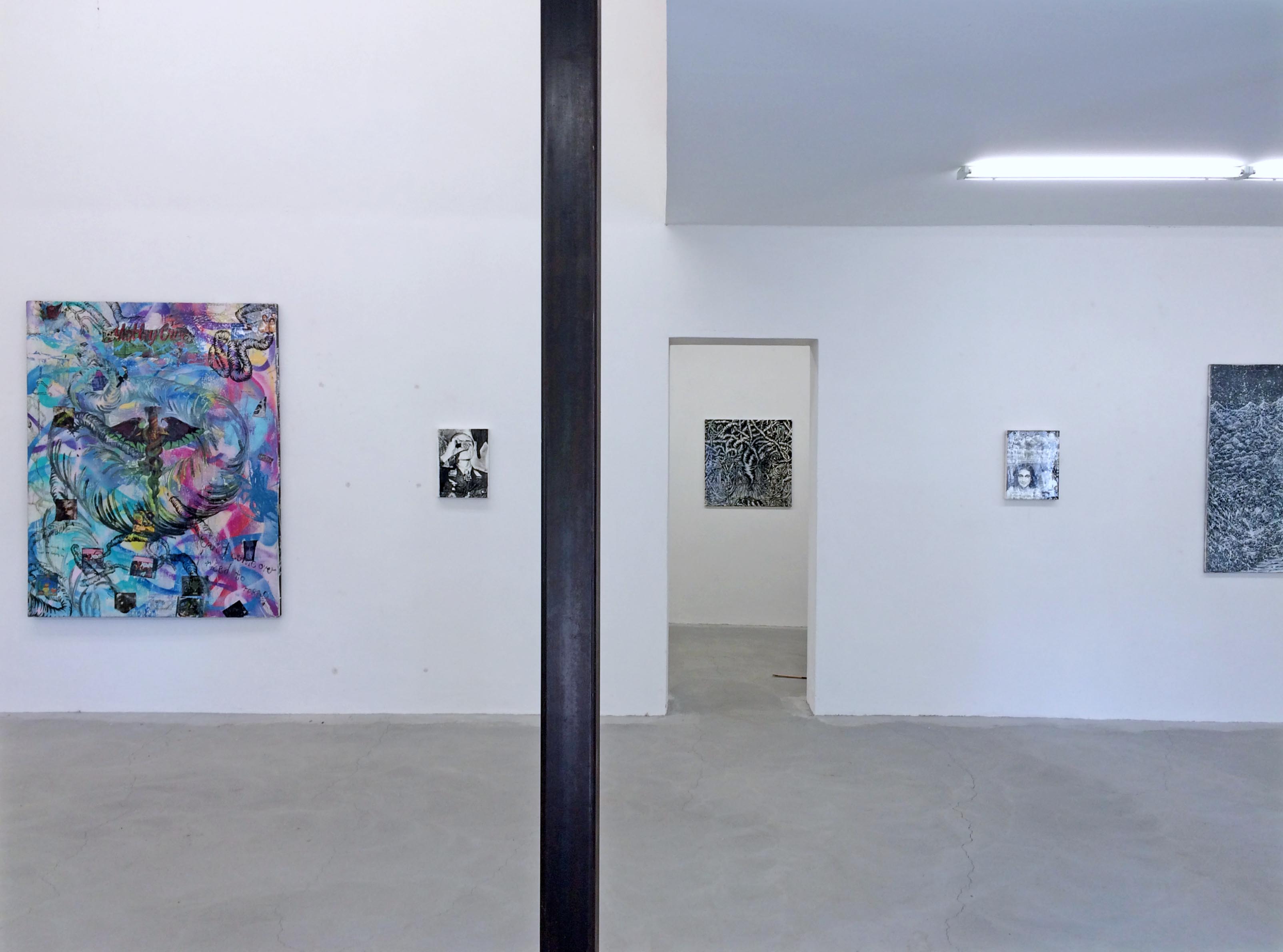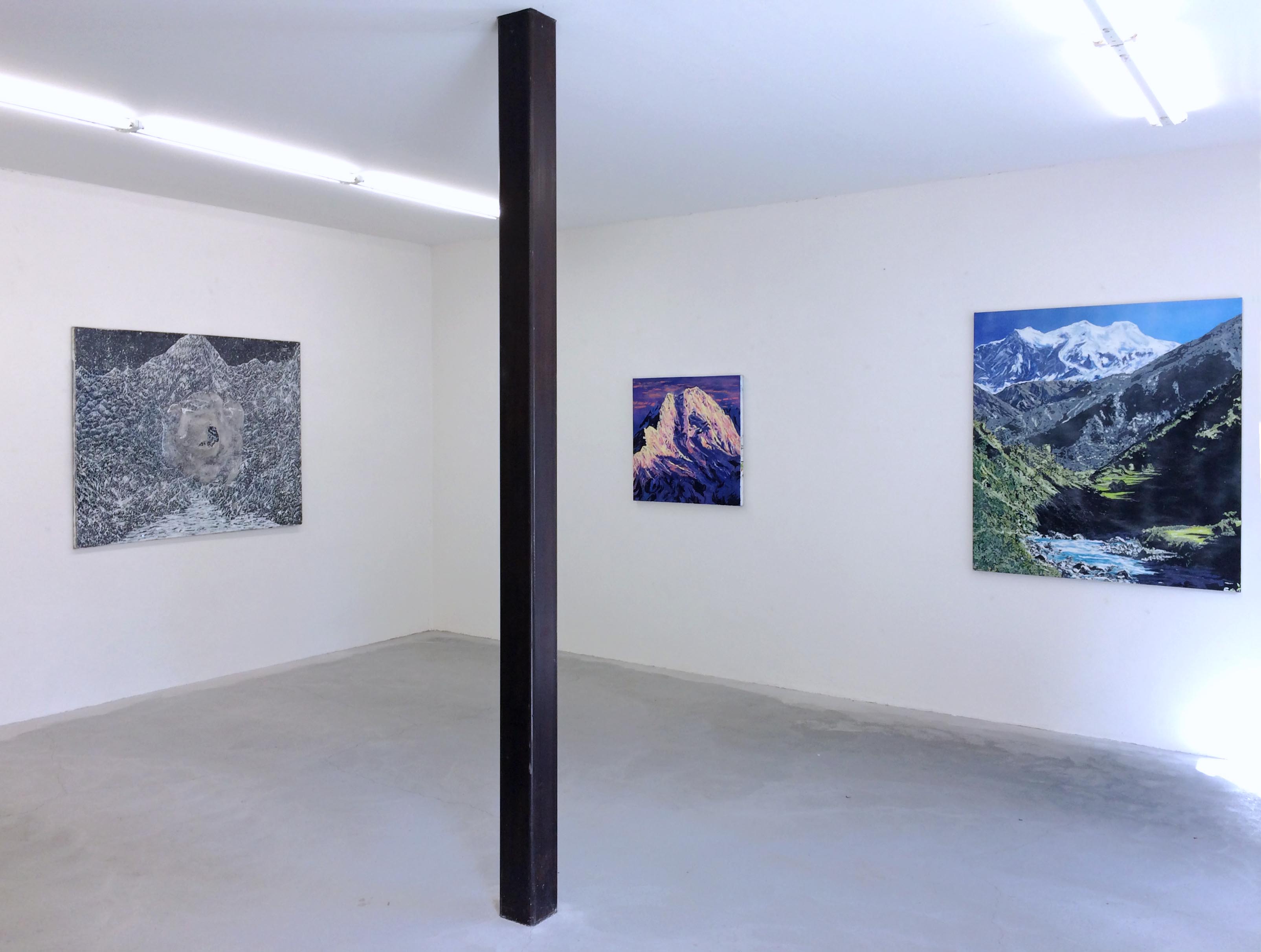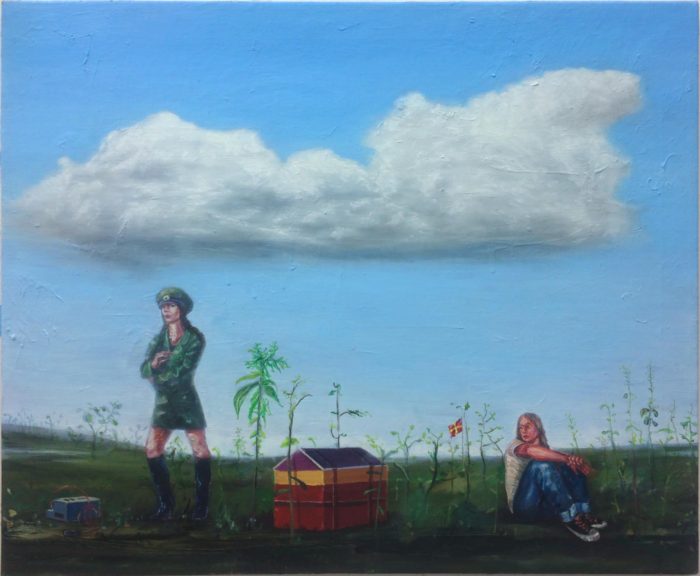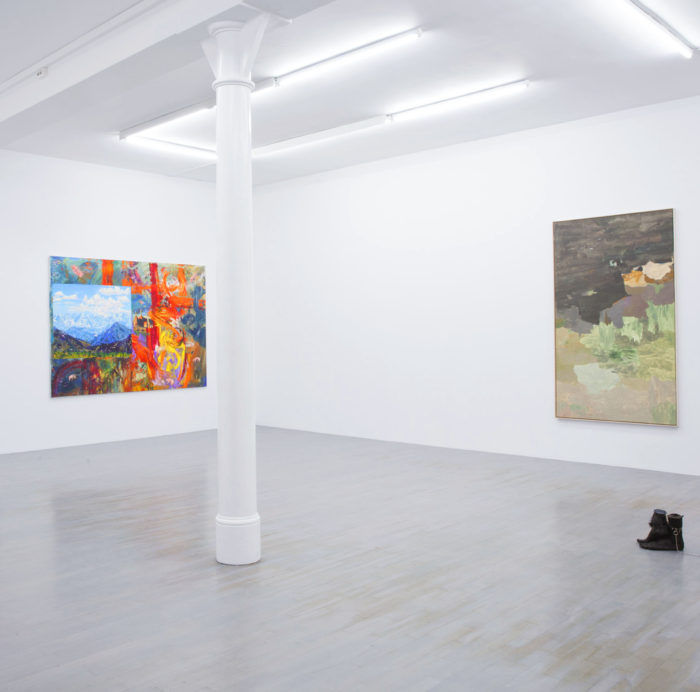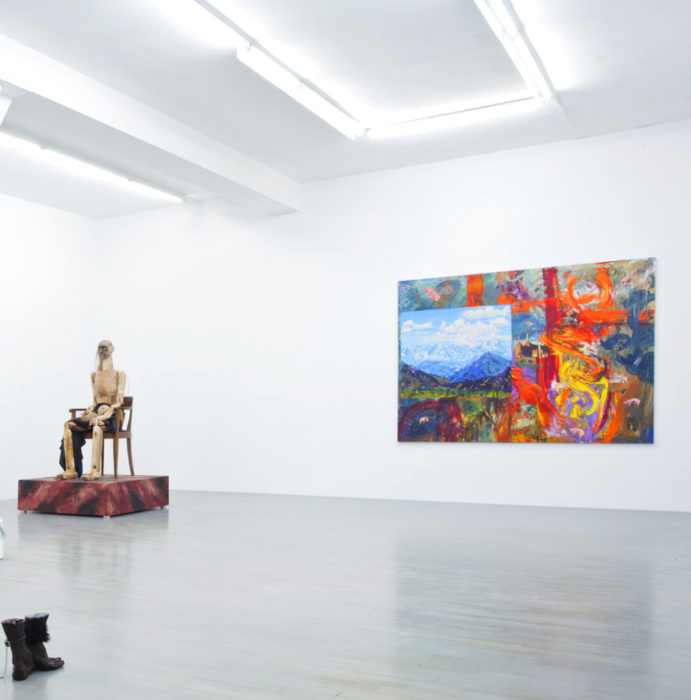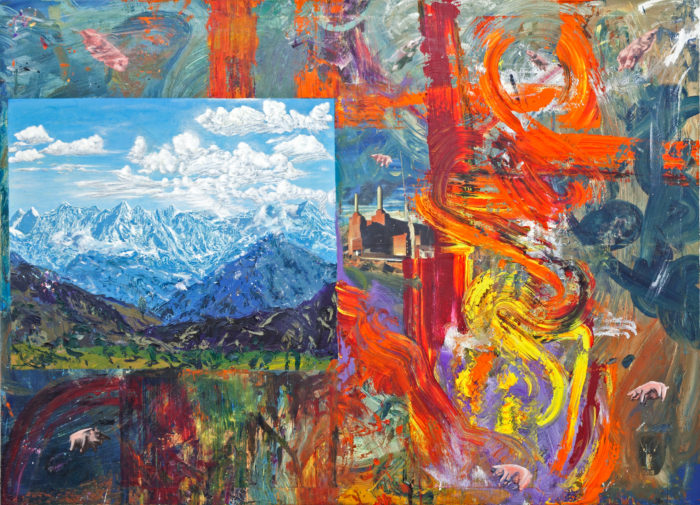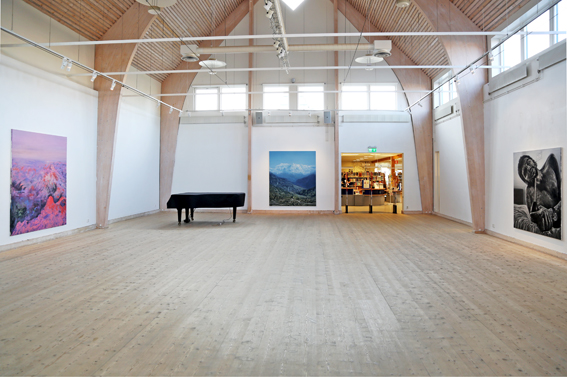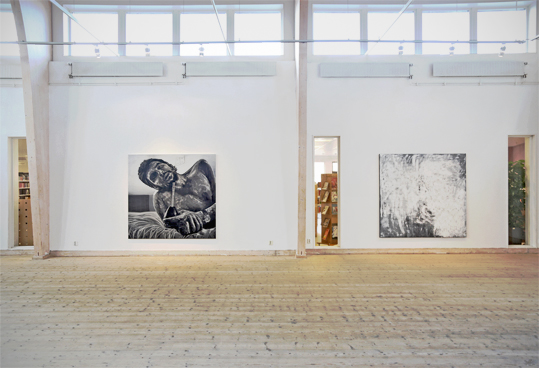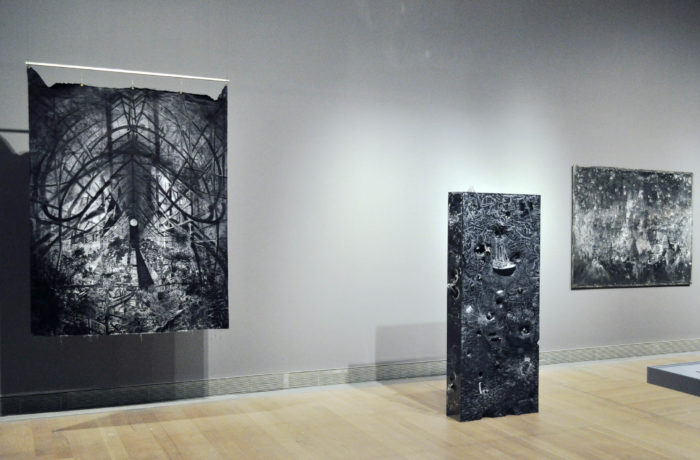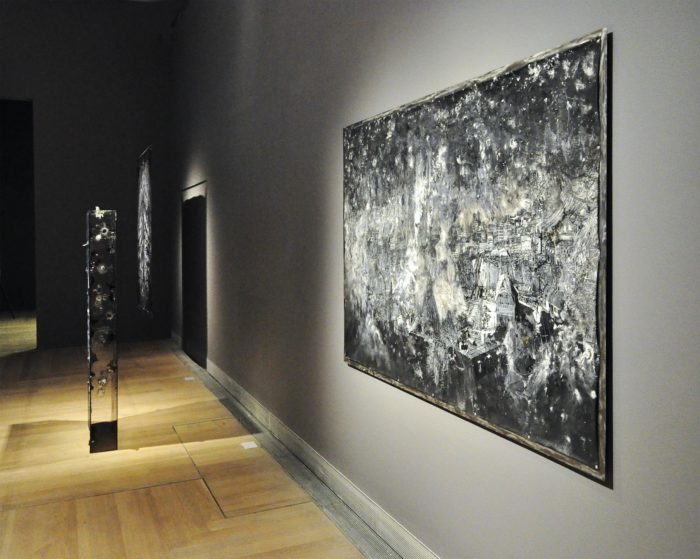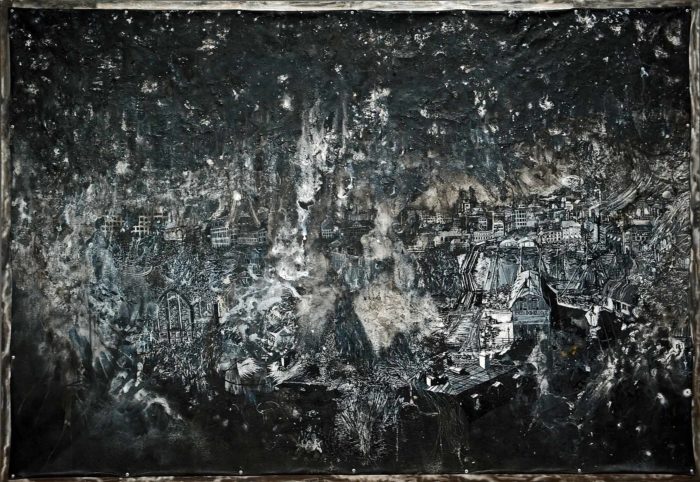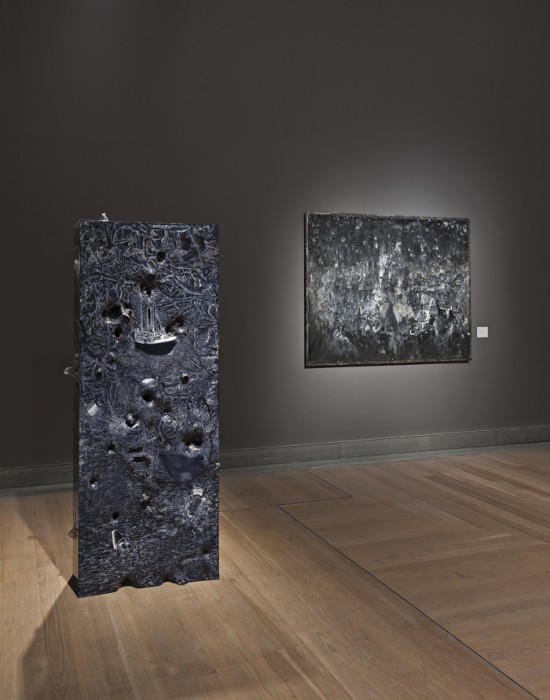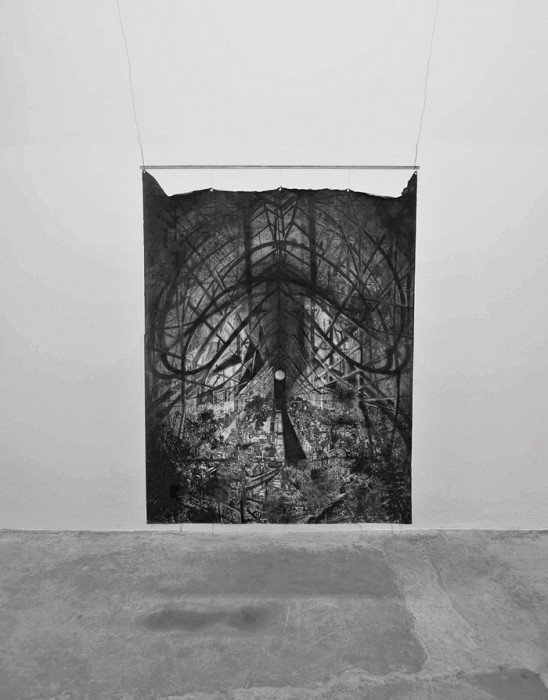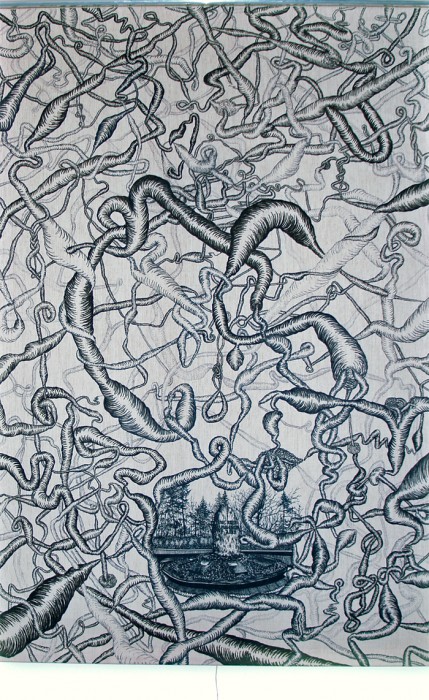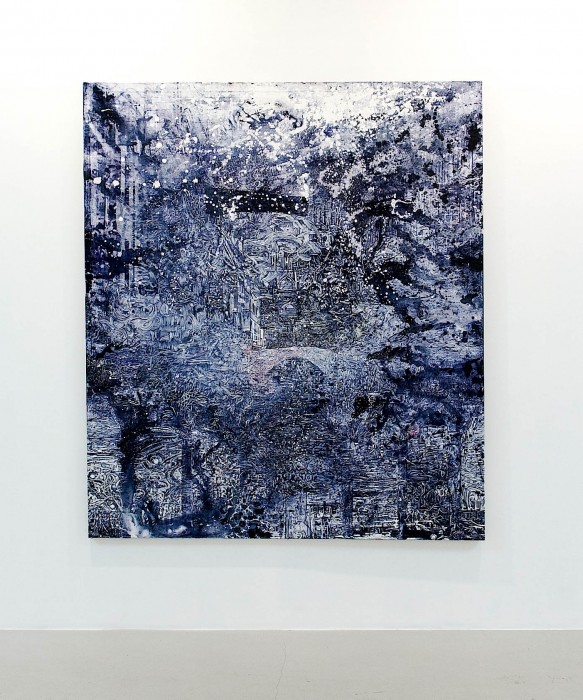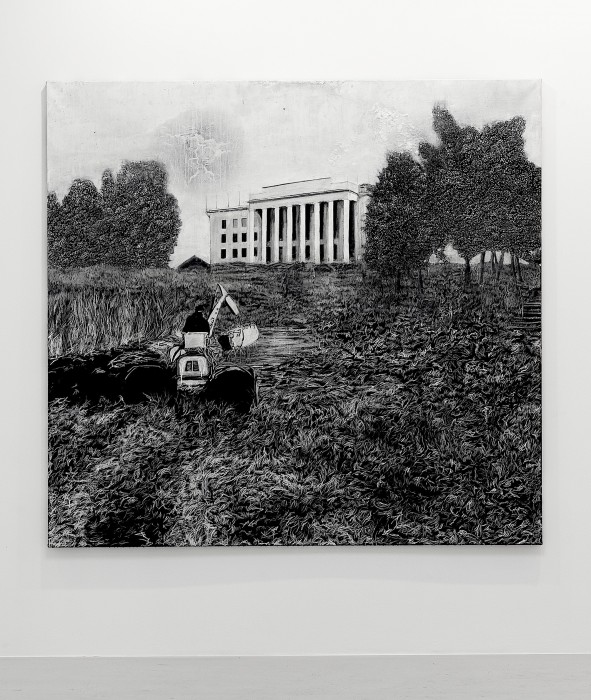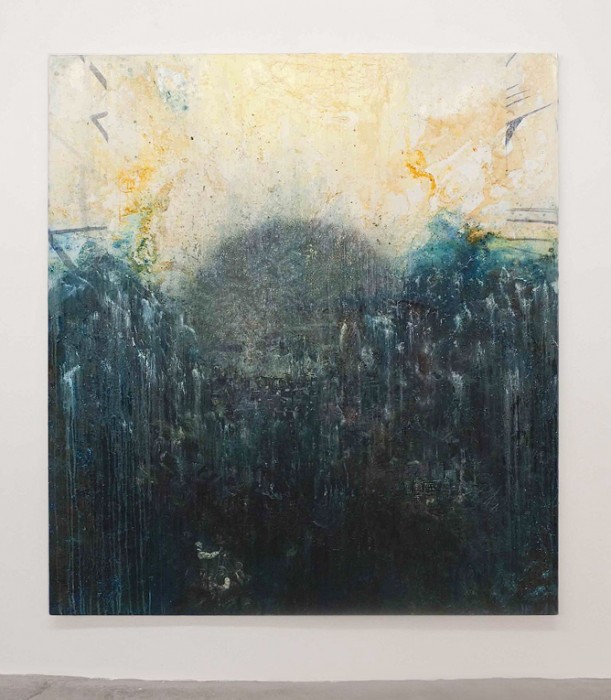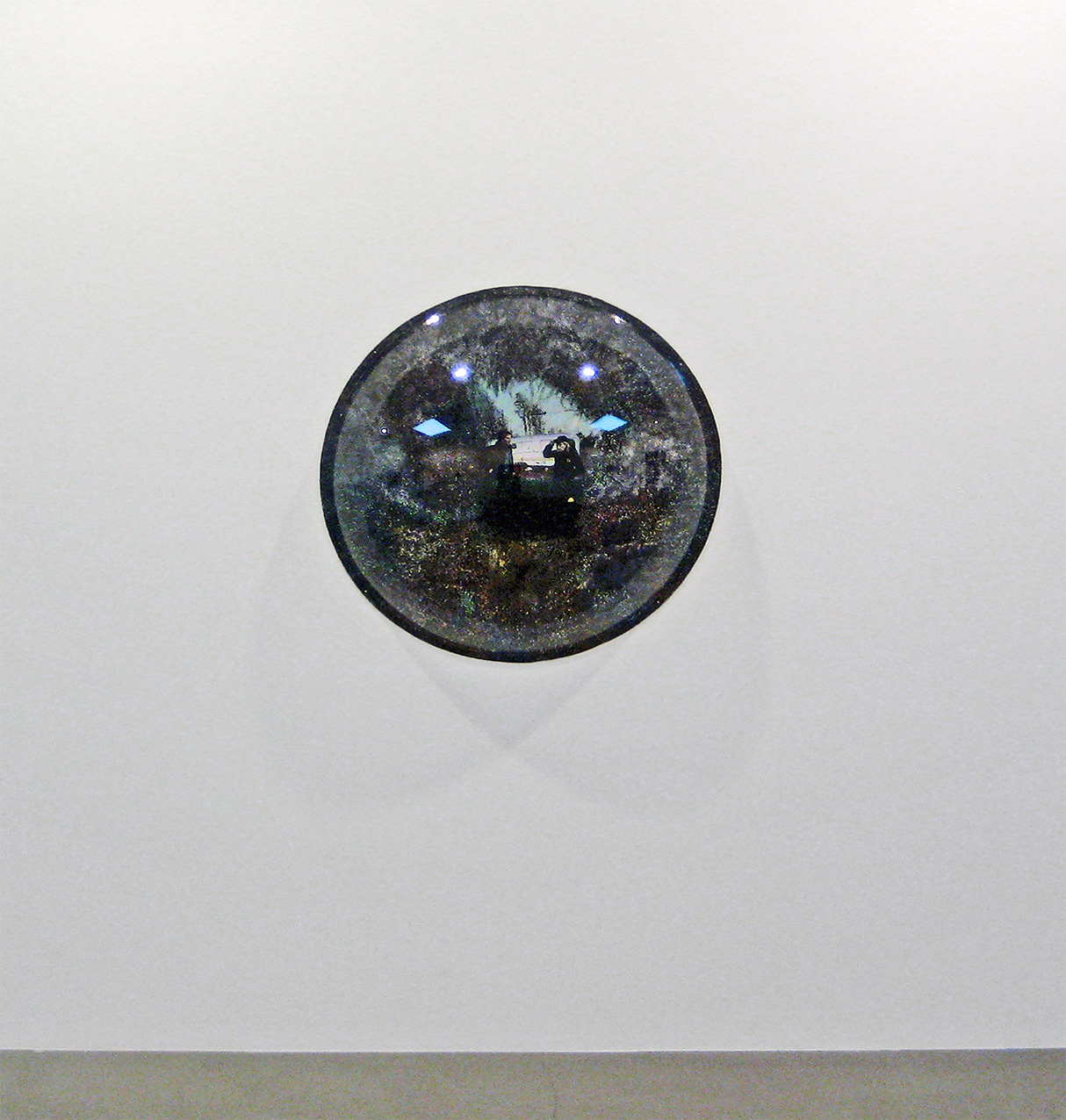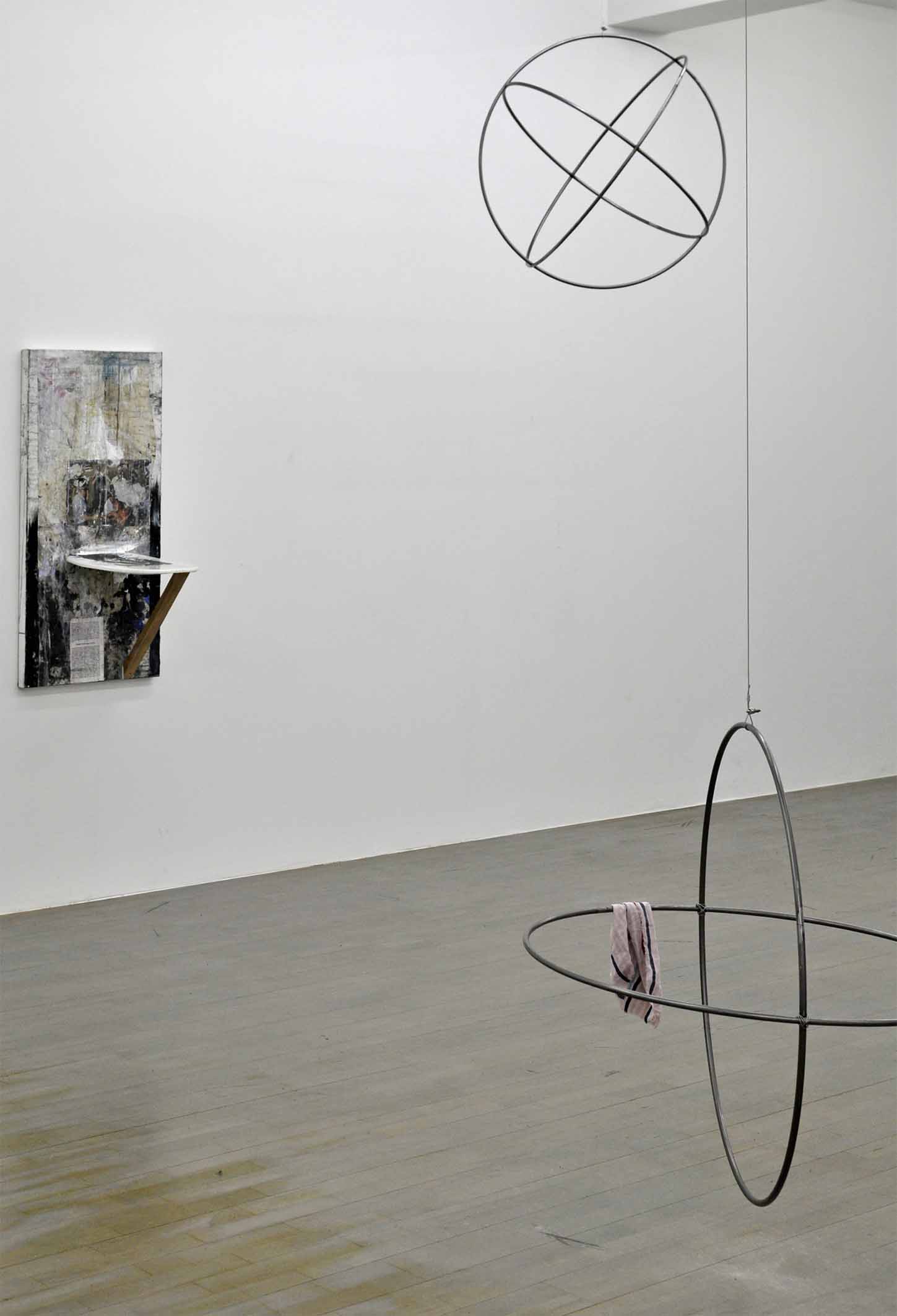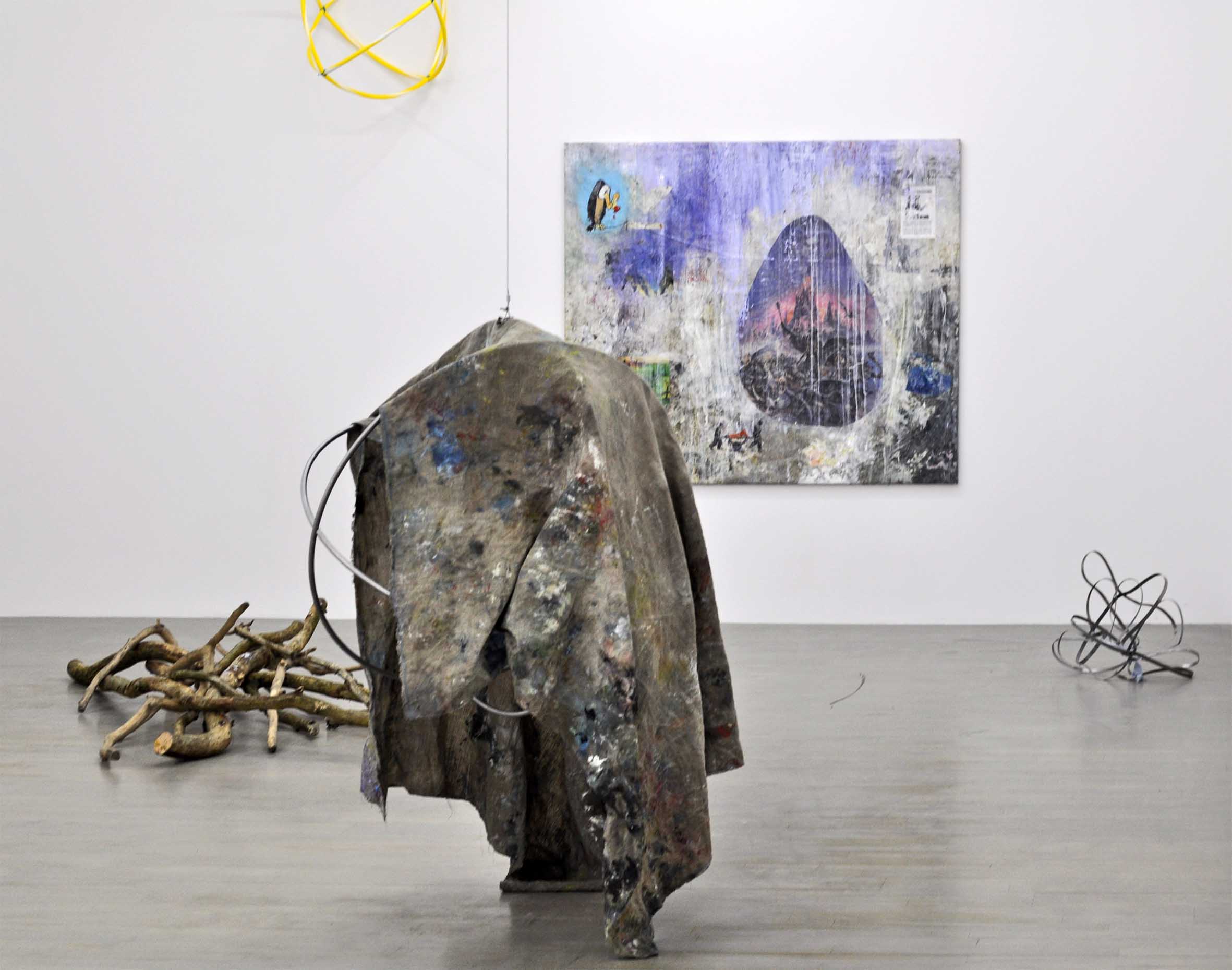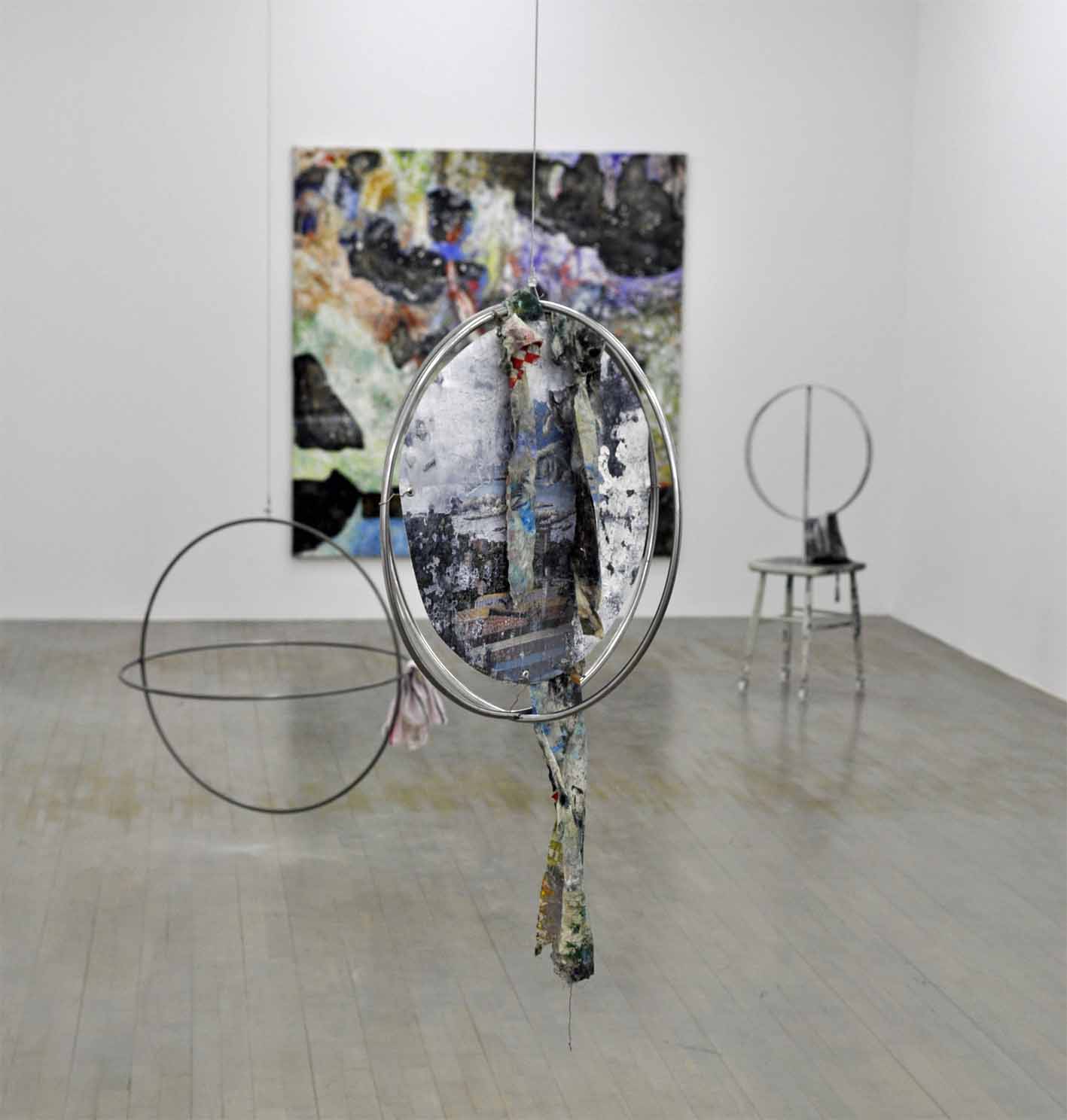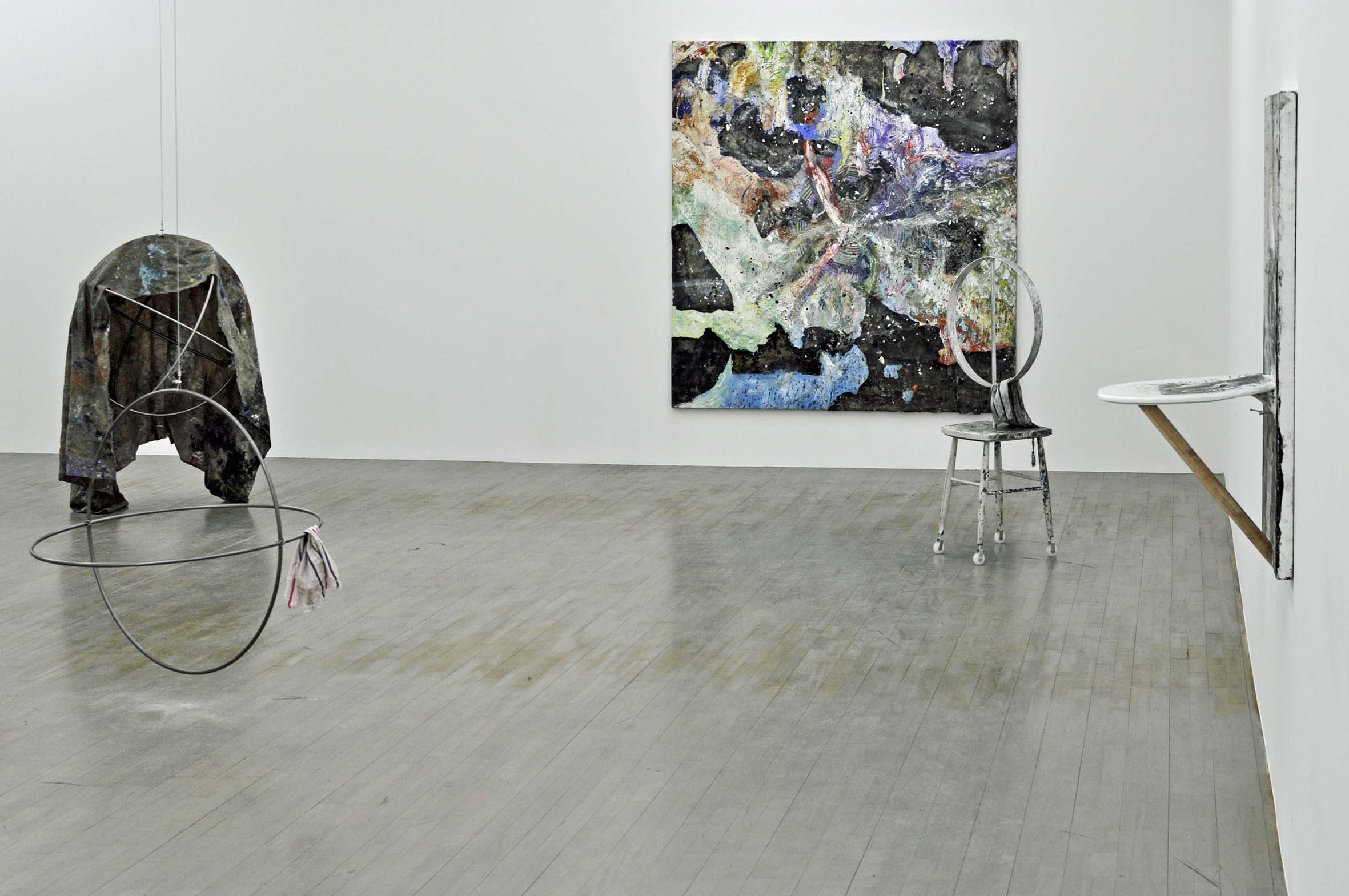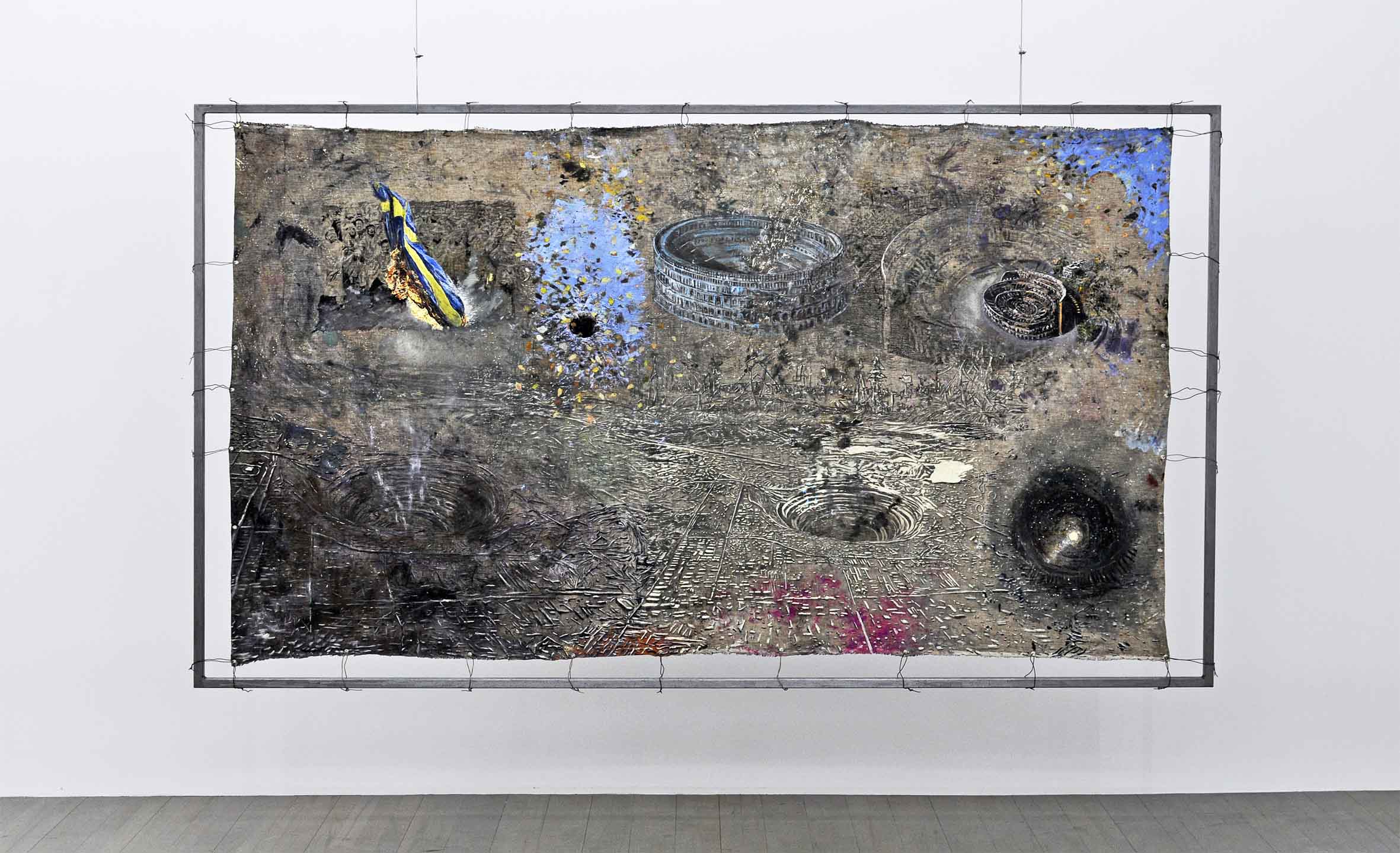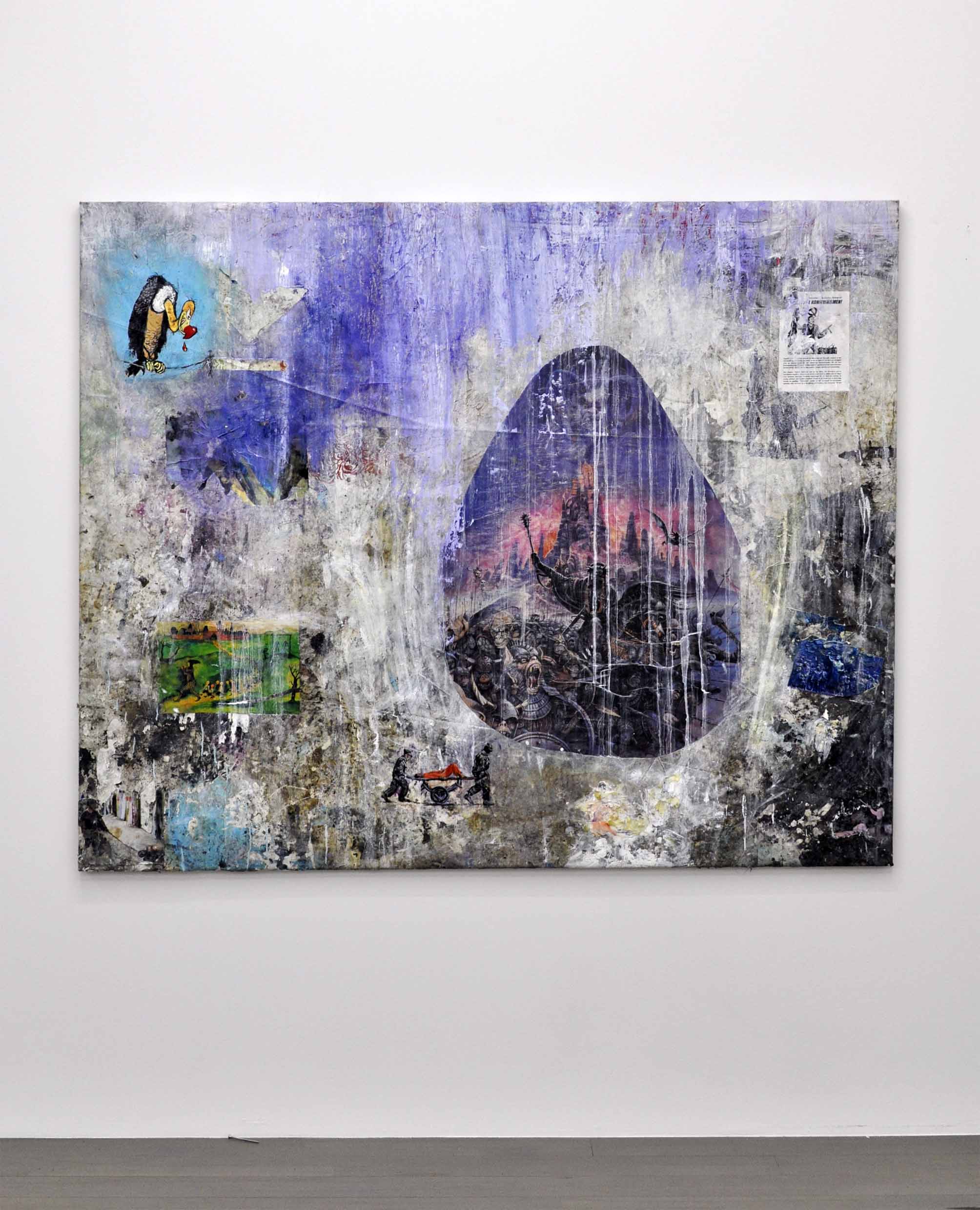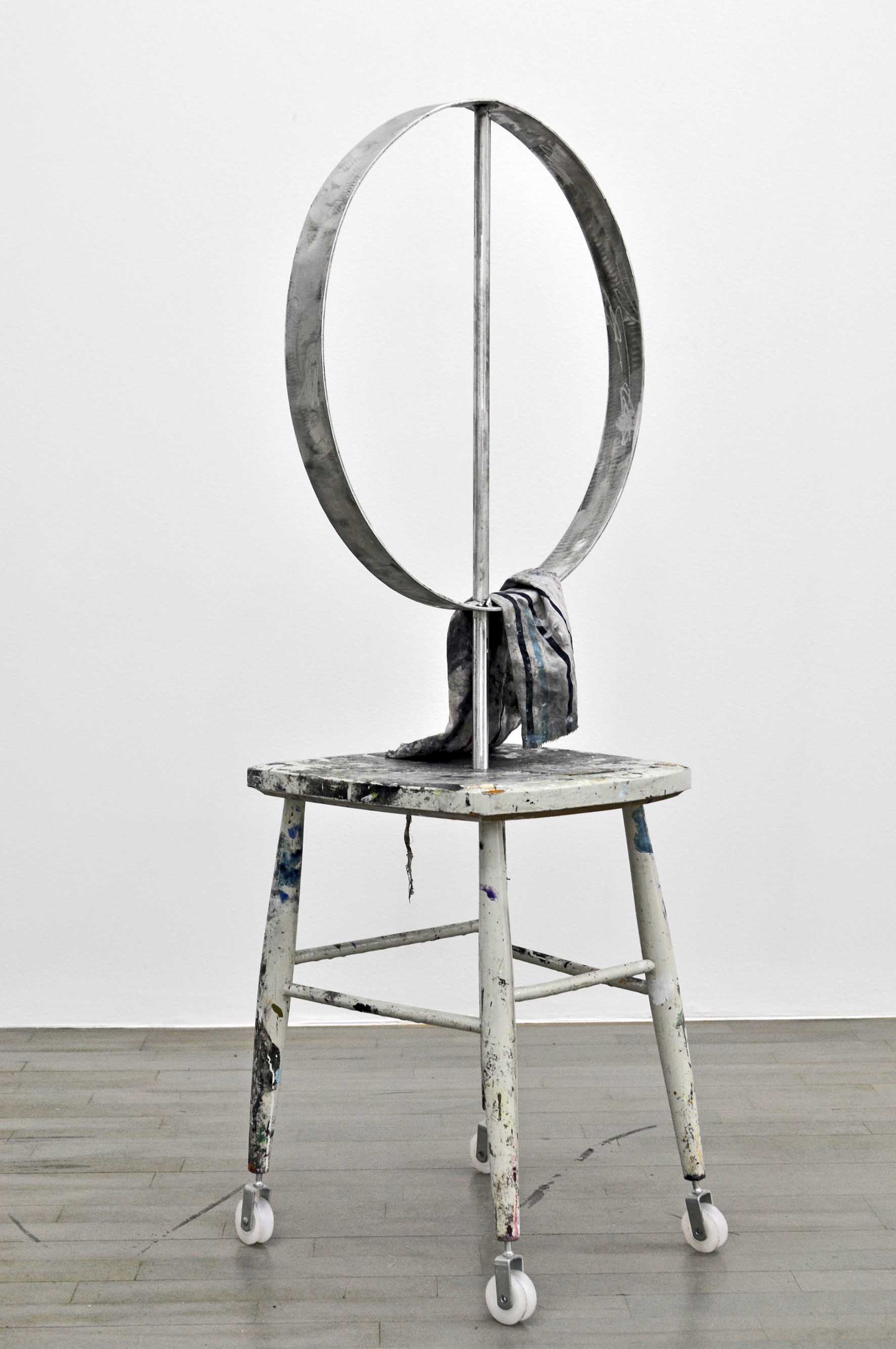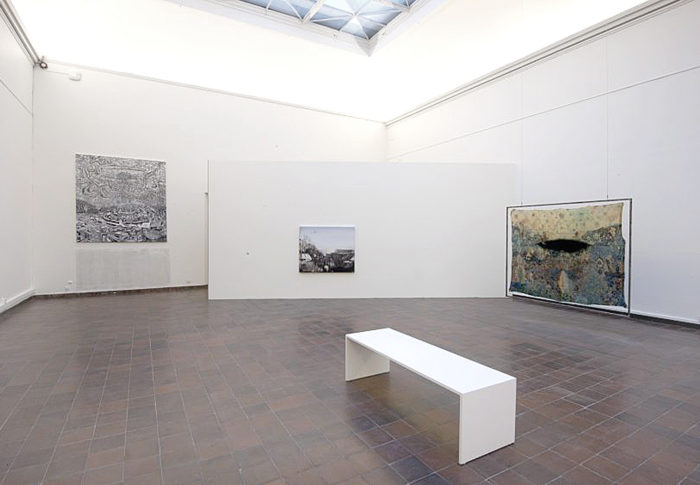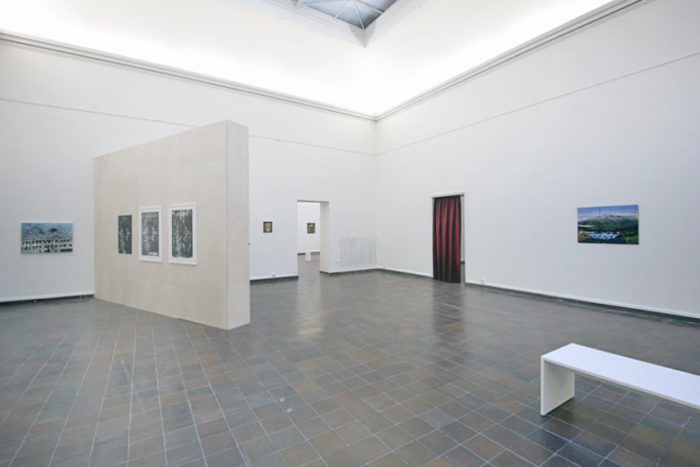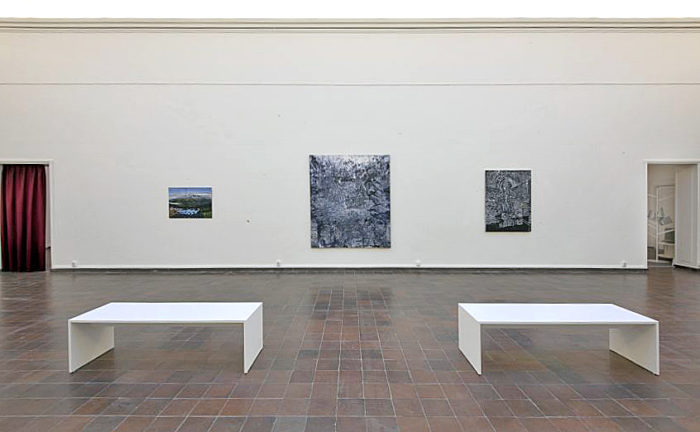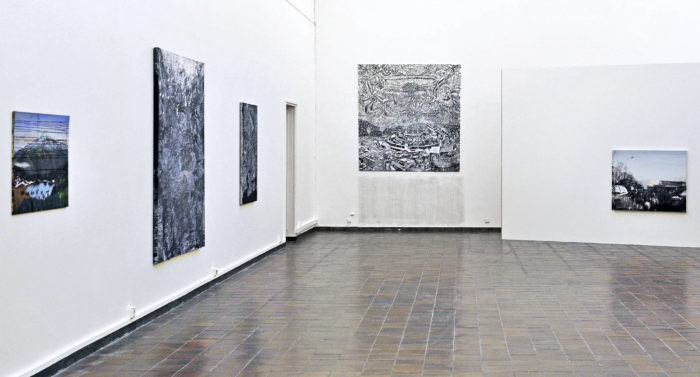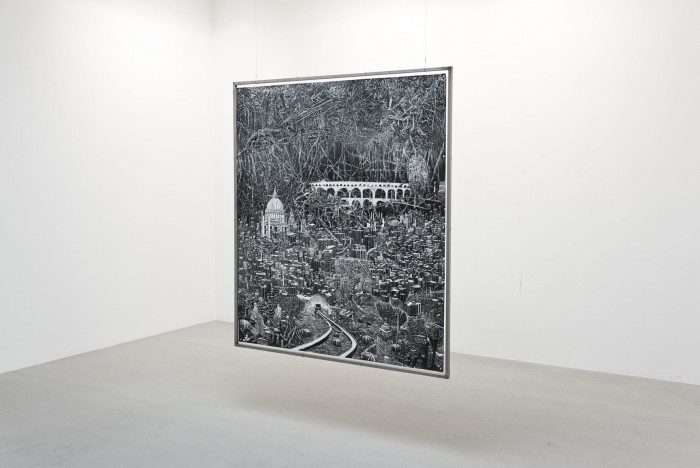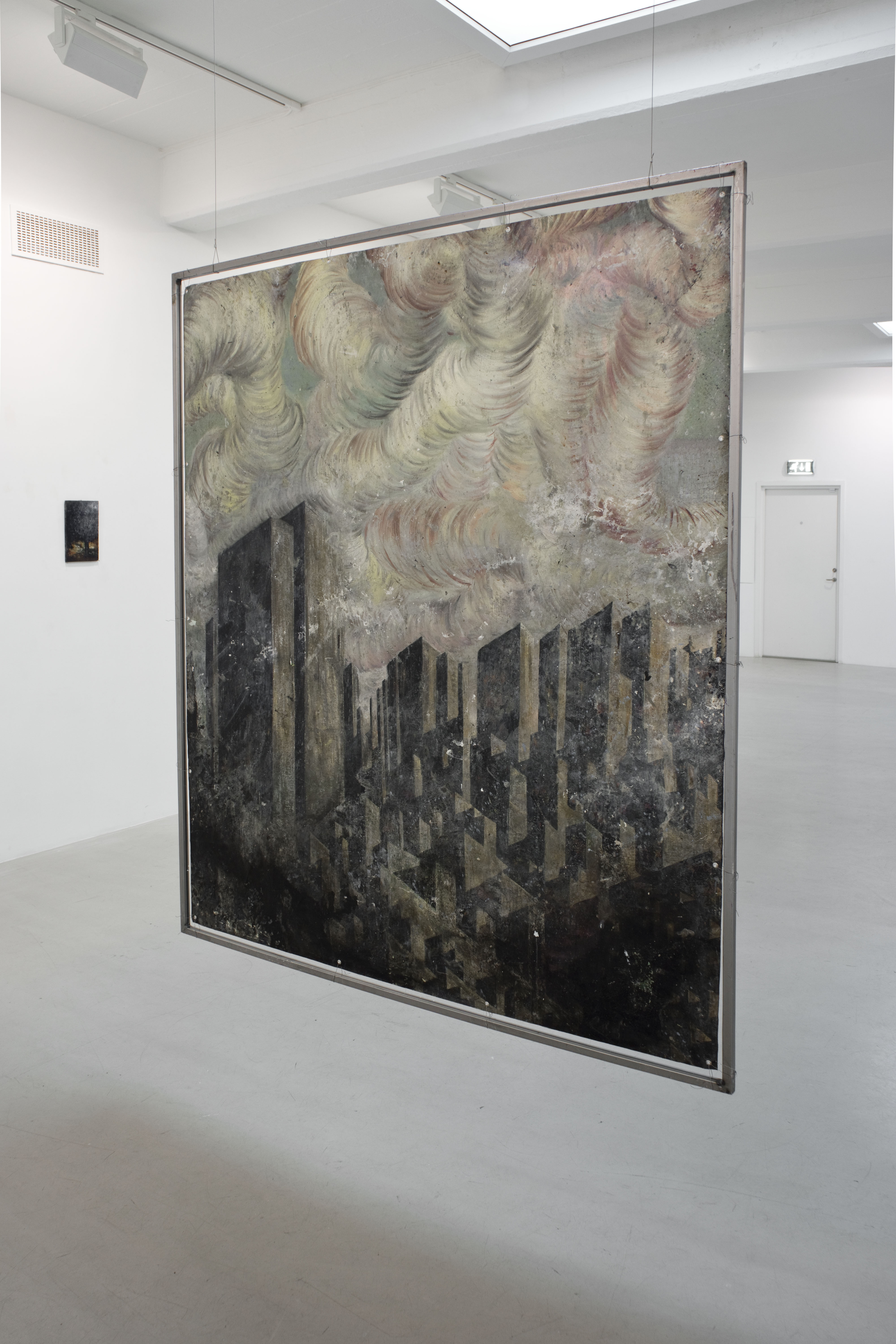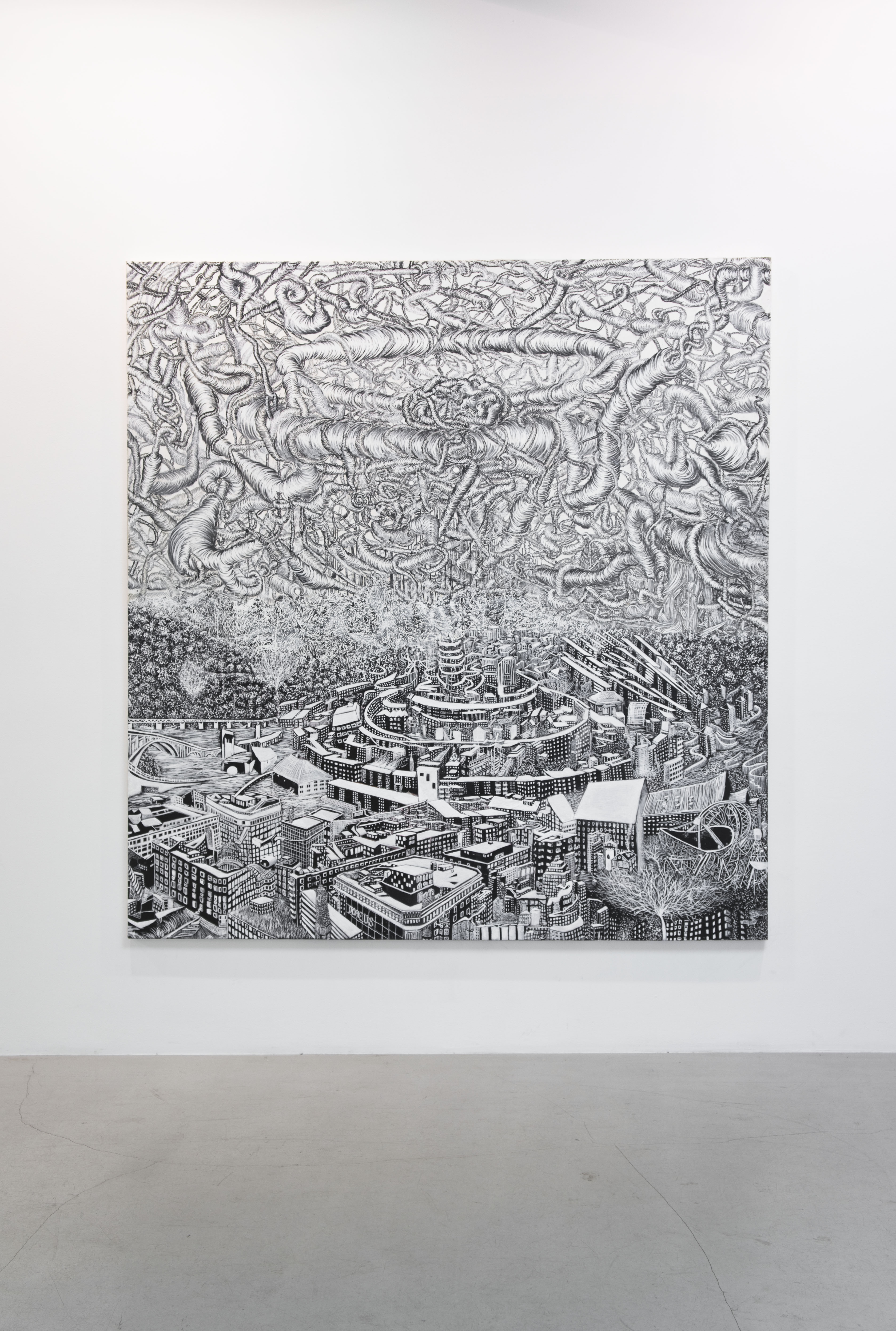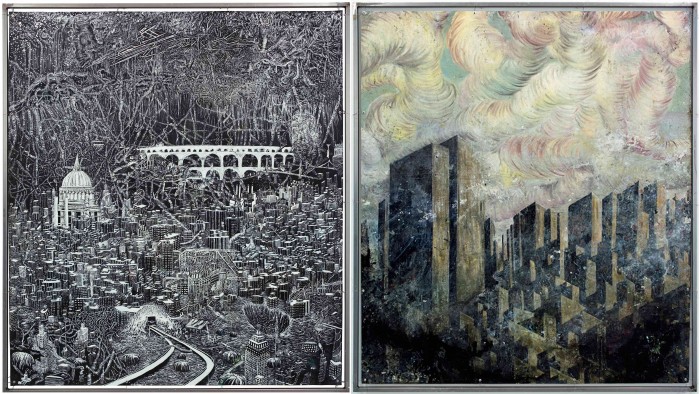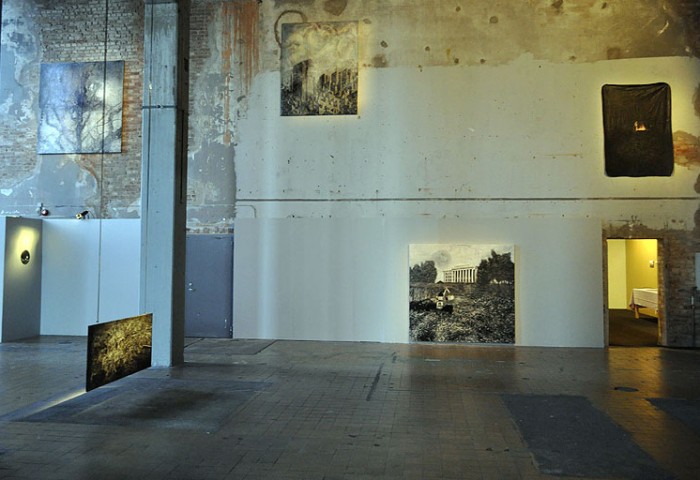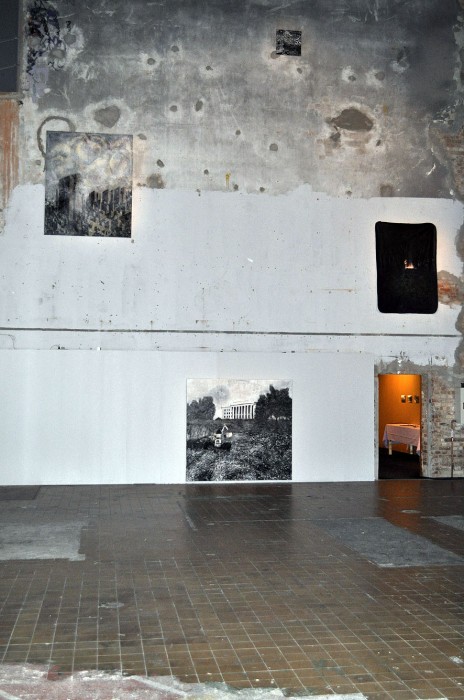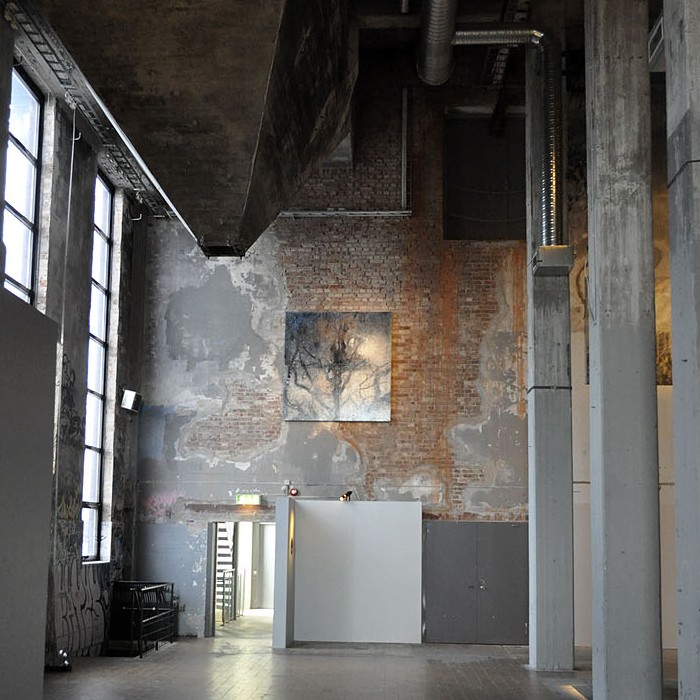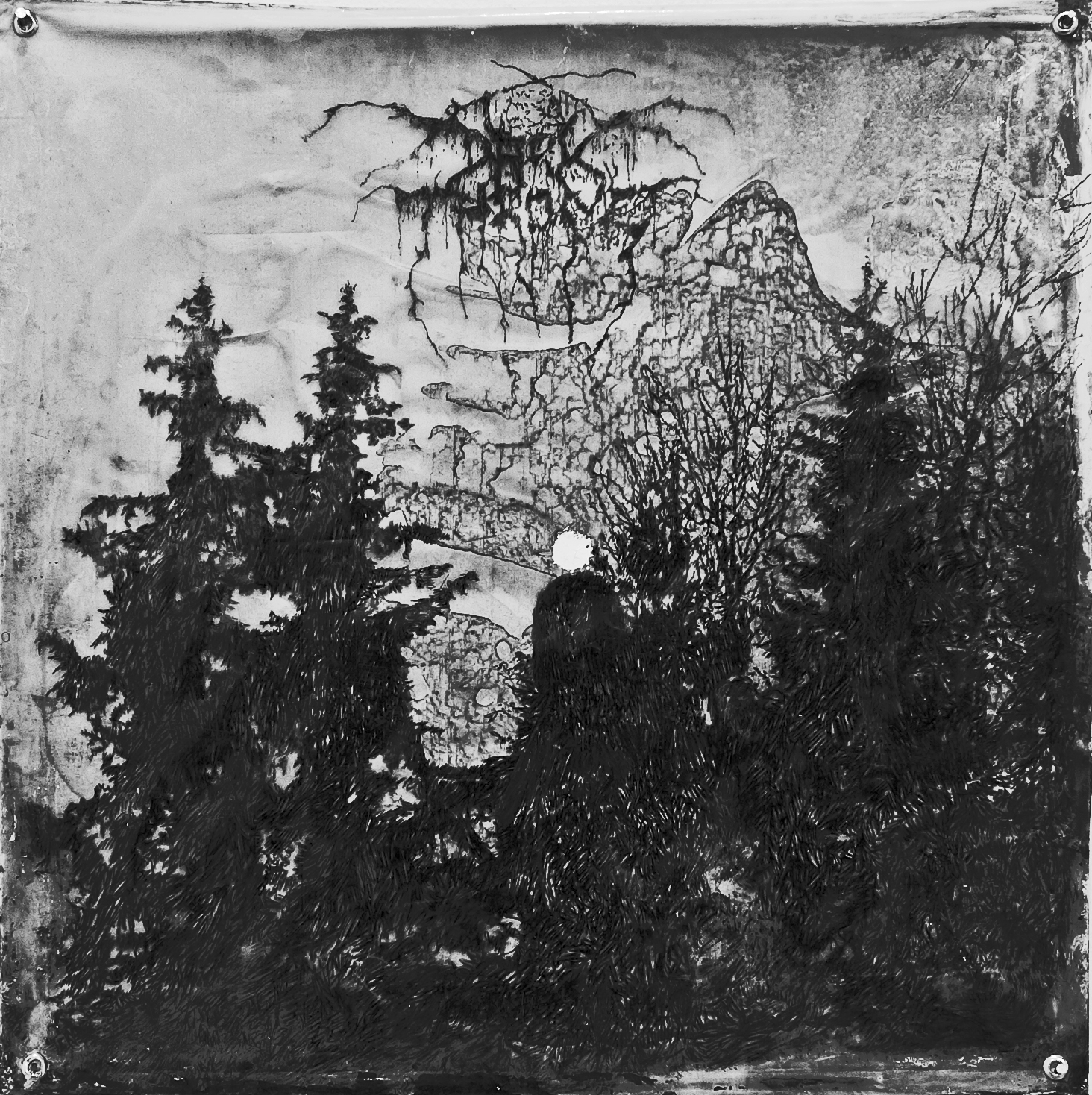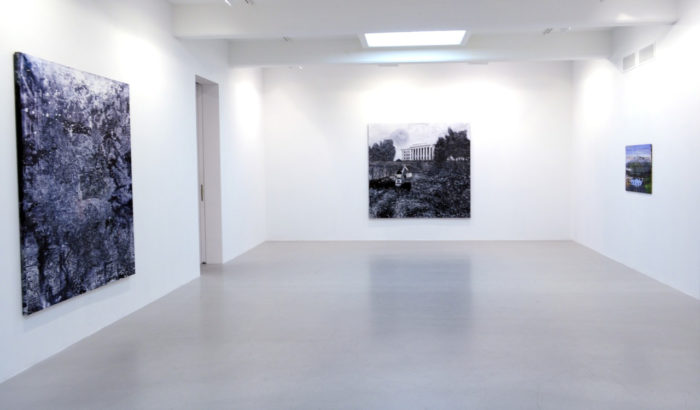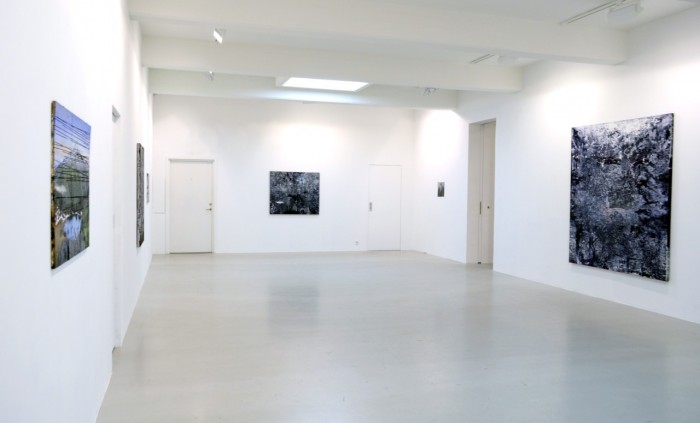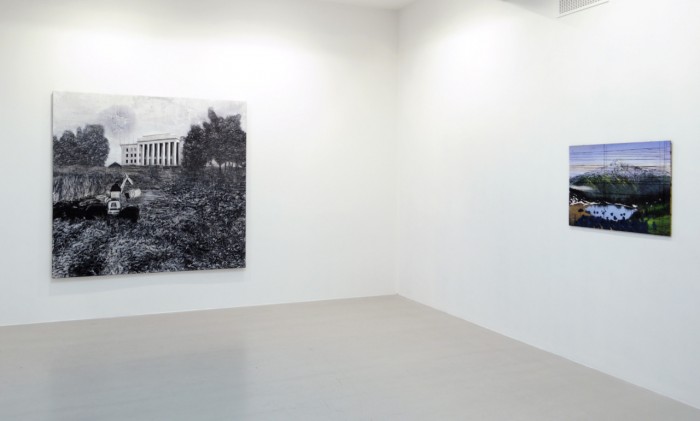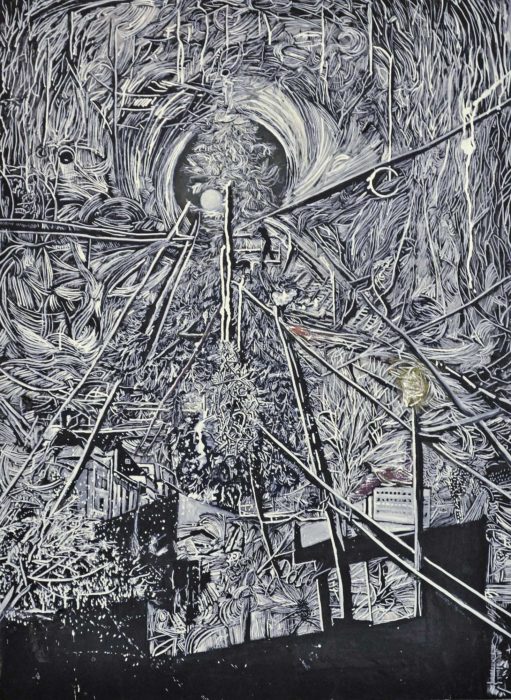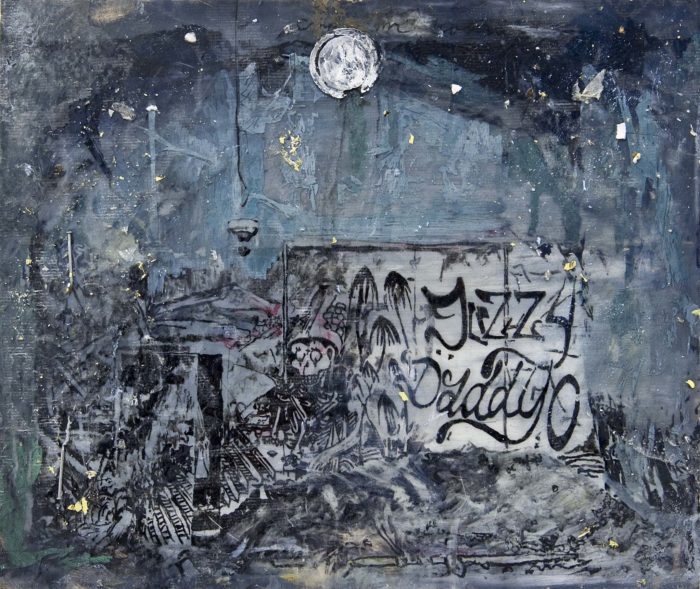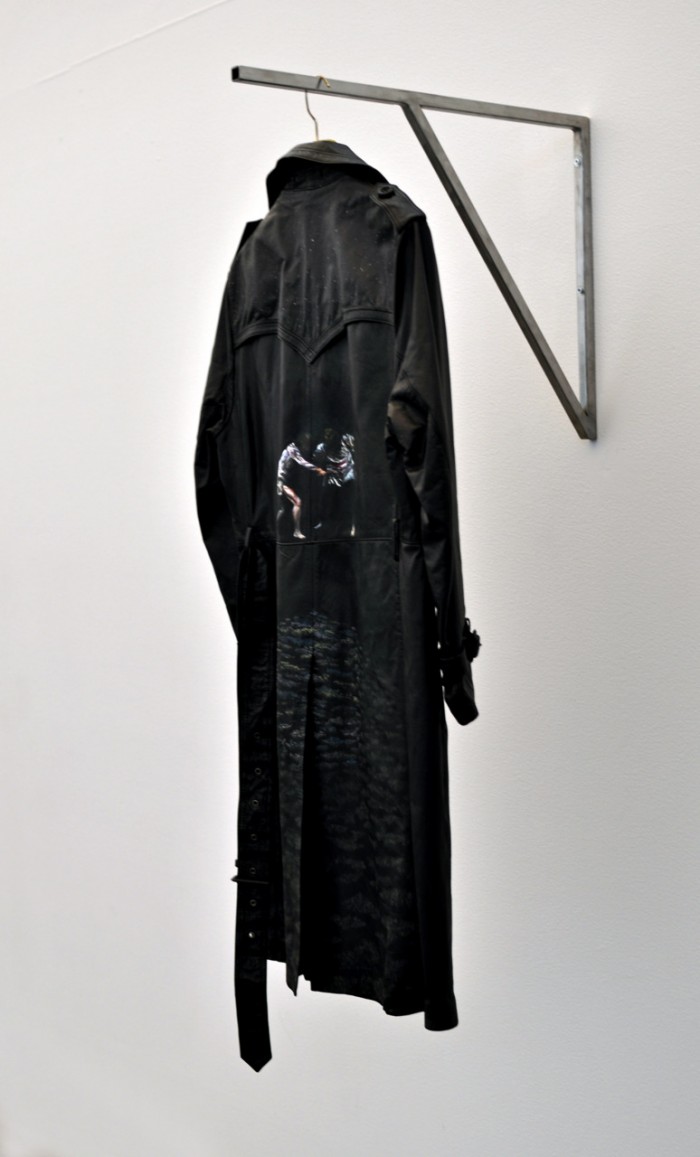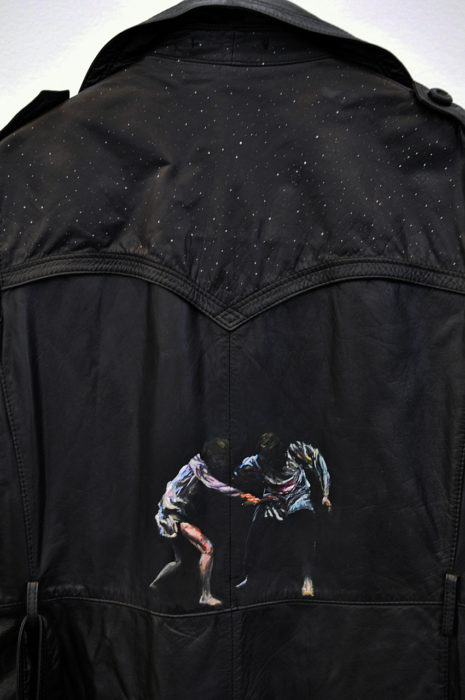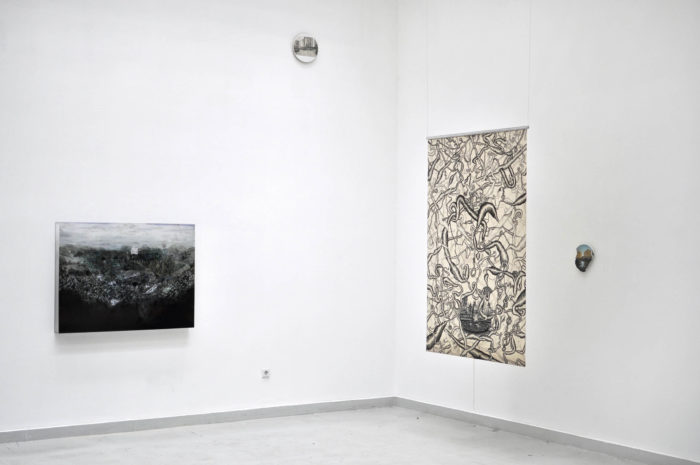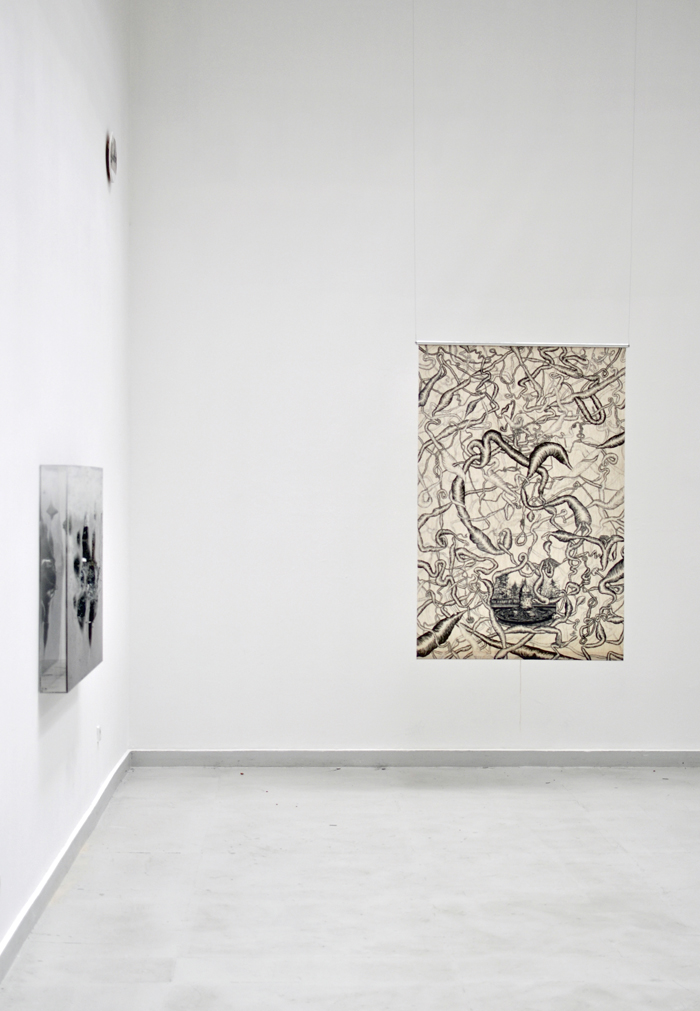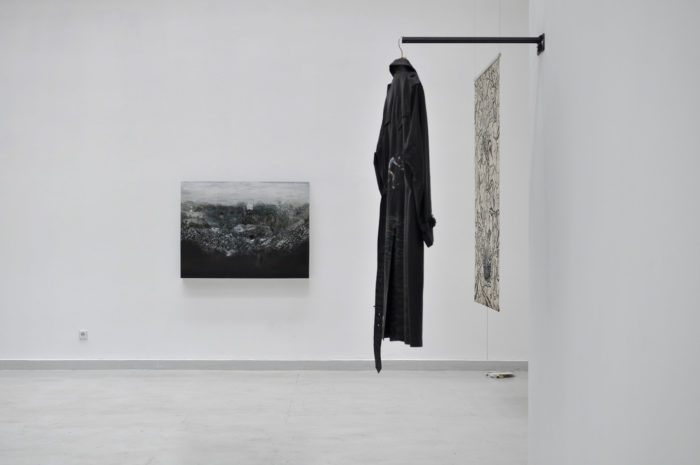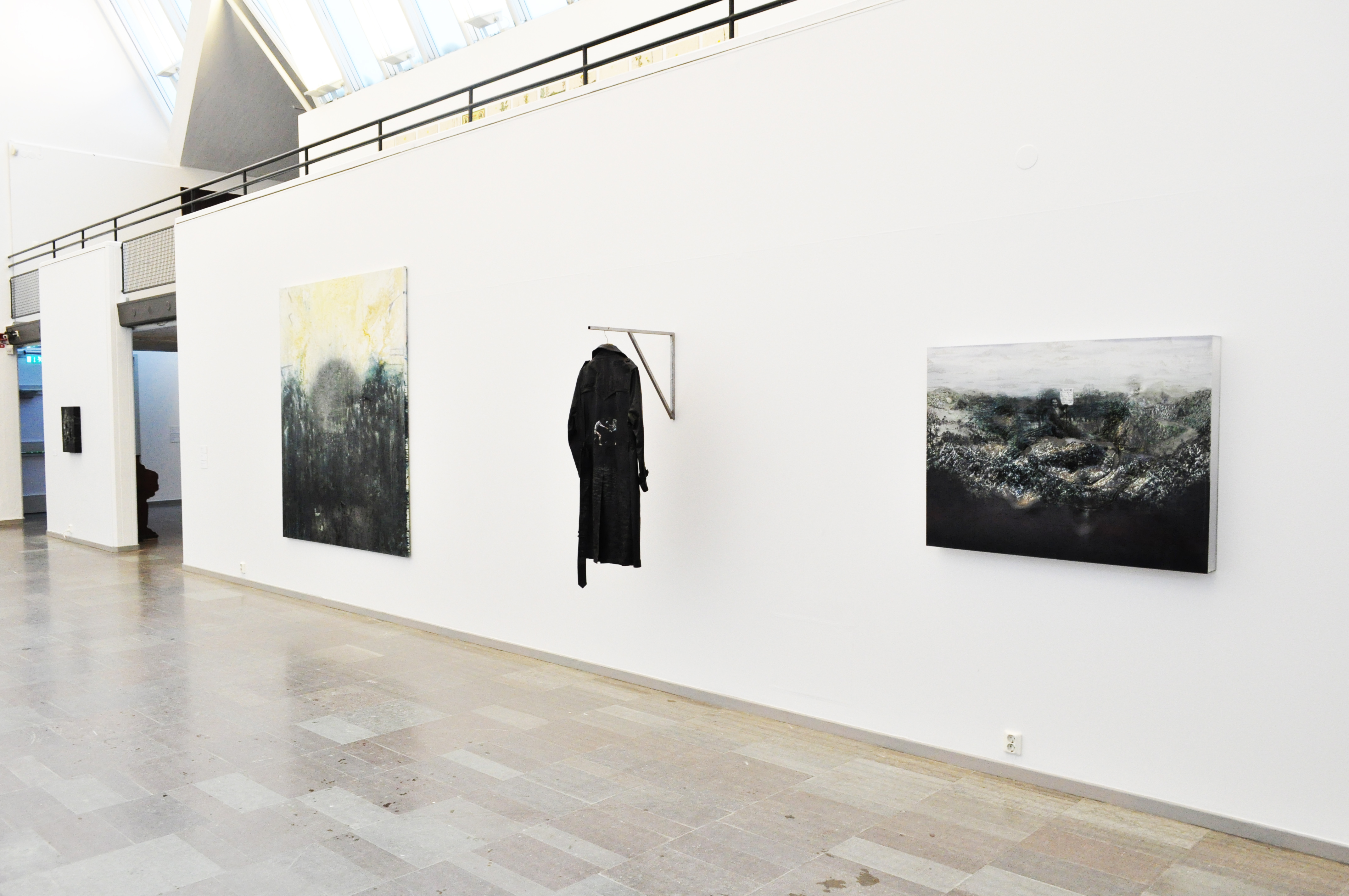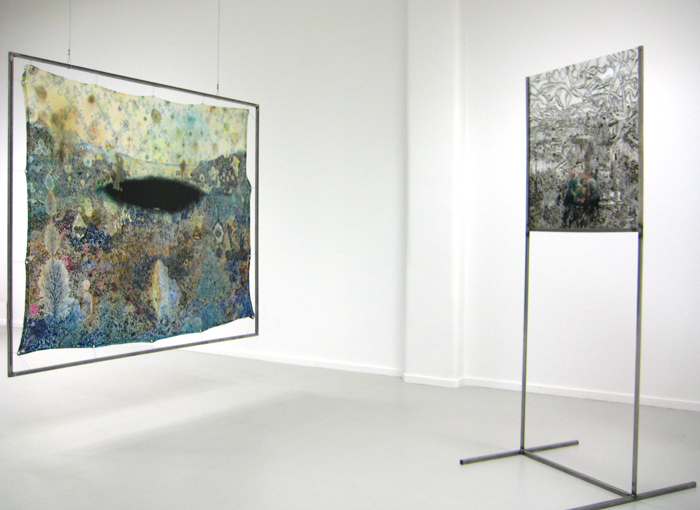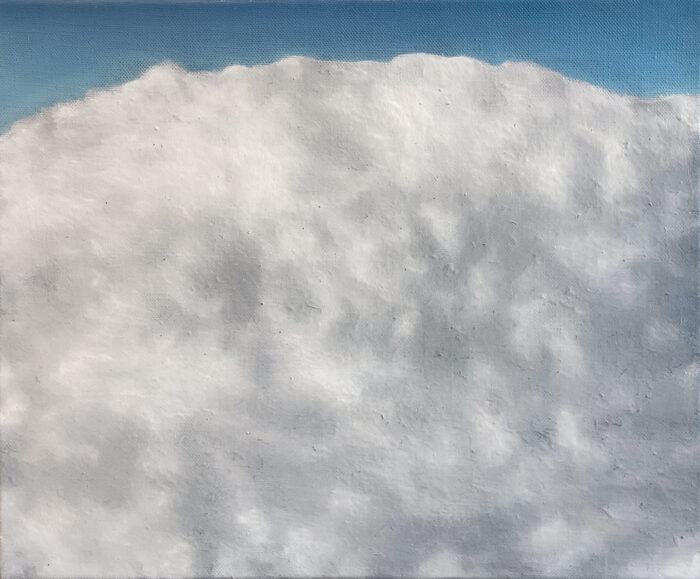
| GALLERI THOMAS WALLNER 16 MARS – 2 JUNI 2024 POLYFONI 6 VERNISSAGE 16 MARS 12 -17 |

New text and images published in Berg Editorial, issue #1
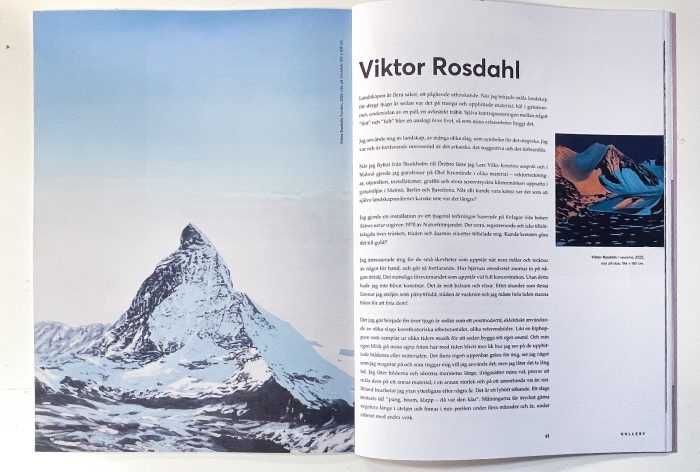
Can be picked up at Berg Gallery or downloaded here:
I am currently in the process of painting and developing new works for my first solo show in Spain, that will open its doors on the 17th of November in the Gallery of Wadström Tönnheim
Poligiono Nueva Campana, local 37B
29 660 Nueva Andalucia/Marbella

This exhibition will open in conjunction with a solo of fellow collegue Henrik Ekesiöö at the same gallery, with whom I exhibited together in Stockholm last autumn, in a two man show curated by Ebba de Faire in the space of Sotheby´s Stockholm link here >>

Please contact Wadström Tönnheim for further inquiries
>>
I`m tremendously grateful to share the news.
The Swedish art grants committee have decided to give me a ten-year artistic grant.
A whole heartedly and sincere thank you; to the committee and to you, everyone who has supported and/or shown interest in my work throughout my whole professional  practice as an artist
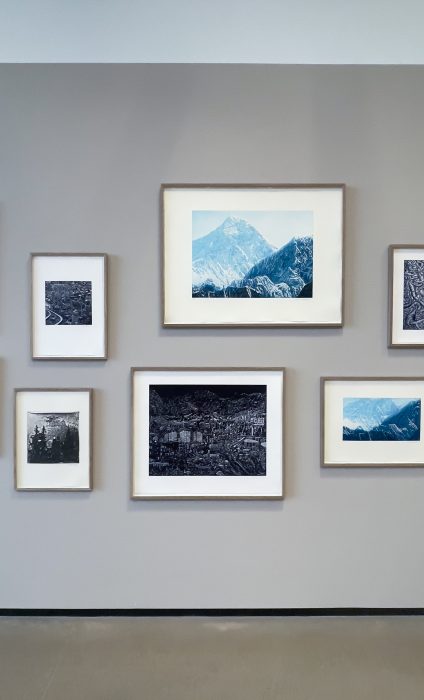
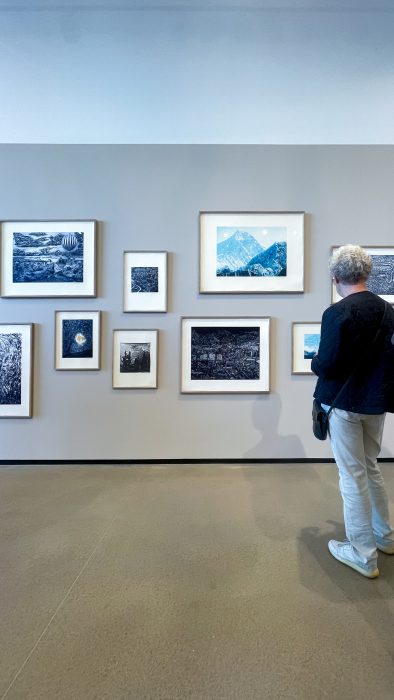
KONSTGRAFIK – Ur Atelje Larsens samling >>
16 september 2023 – 7 januari 2024
Together with:
Adam Saks, Andreas Eriksson, Astrid Sylwan, Bjarne Melgaard, Carl Fredrik Reuterswärd, Ditte Ejlerskov, Erich Hörtnagl, Ernst Billgren, Frank Brunner, H.M. Drottning Sonja, Helmtrud Nyström, Jacob Dahlgren, Jan Håfström, John Kørner, Kjell Nupen, Kristina Matousch, Lone Recht, Lotta Melin, Meta Isæus-Berlin, Minako Masui, Per Kirkeby, Peter Frie, Sverre Bjertnæs, Sverre Malling, Tiina Kivinen, Viktor Rosdahl, Ørnulf Opdahl
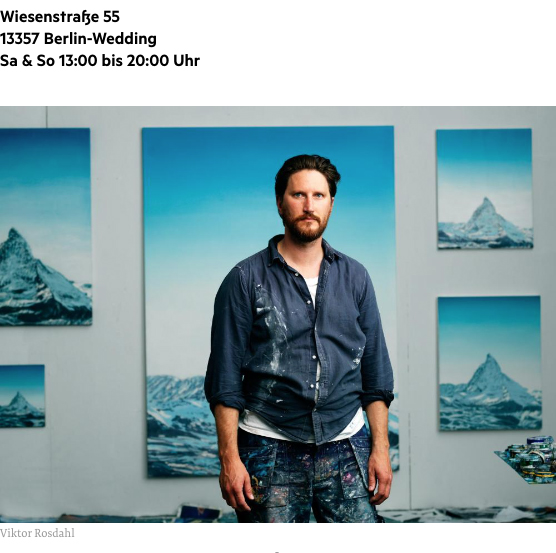
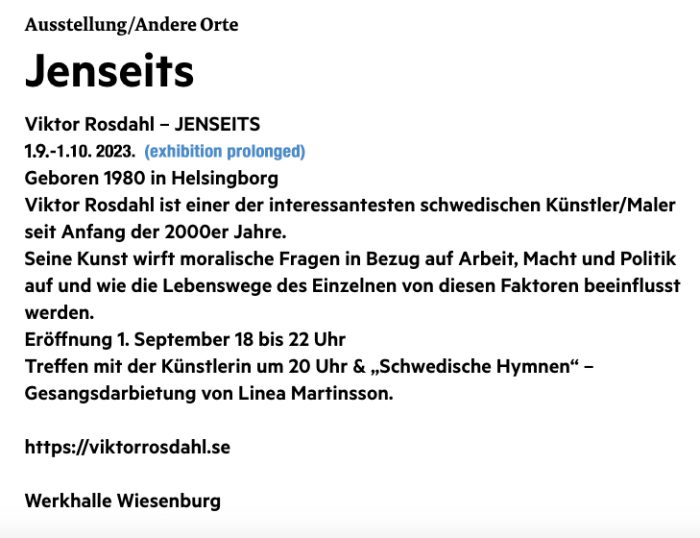
„Ein Optiker hat mir einmal gesagt, dass sich mein Sehvermögen nicht wesentlich verändert oder verschlechtert hat, sondern dass wir uns mit jeder Anpassung der genauen Stärke nähern, die wir brauchen. Auch wenn ich für den Wahrheitsgehalt dieser Aussage nicht garantieren kann, so finde ich doch ein Echo, wenn ich meinen künstlerischen Prozess durch eine ähnliche Linse betrachte: Auch wenn sich die Motive ändern können, so ist es doch nur eine andere Art, sich auf ein Thema und einen Faden zu konzentrieren, der aus einer persönlichen Notwendigkeit und Neugier entsteht.
Manchmal habe ich die sensationelle Halluzination, dass die Welt so aussieht, als würde ich zum ersten Mal über sie stolpern, wenn ich aus einer anderen Zeit und von einem anderen Ort im Universum komme. Beiden gemeinsam ist eine Verflechtung von Kräften, die größer sind als das, was ein Einzelner aushalten kann, wie die festen Hände der Sicherheitsbeamten in der U-Bahn, die ihr Opfer langsam umschließen, bevor man spürt, wie ihre festen Hände die Arme ergreifen. Wie Josef K. wird man von dem Weg, den man gewählt hat, in ein wimmelndes Labyrinth geführt, das den Alltag ausmacht, weit entfernt von den stürmischen Höhen, in die sich der Geist noch vor kurzem verirrt hatte. Inmitten des materialistischen Küchentisch-Realismus, der den Boden des Ateliers prägt, wo Gläser mit verdächtigen Flüssigkeiten versehentlich verschüttet werden und man sich beim Versuch, sie zu flicken, die Knie aufscheuert, kann ein plötzlicher Blick auf ein abgenutztes Tuch, mit dem Pinsel und dergleichen abgewischt werden, den Geist zu seinem früheren Blick zurückführen und ihm den Weg zu einem bekannten, aber vergessenen Pfad weisen.“
Viktor Rosdahl, Malmö 2023
This exhibition is made with the support of The Swedish Arts Grants Comitee
Opening 13/7 >>
runs thtough Augst 15 >>
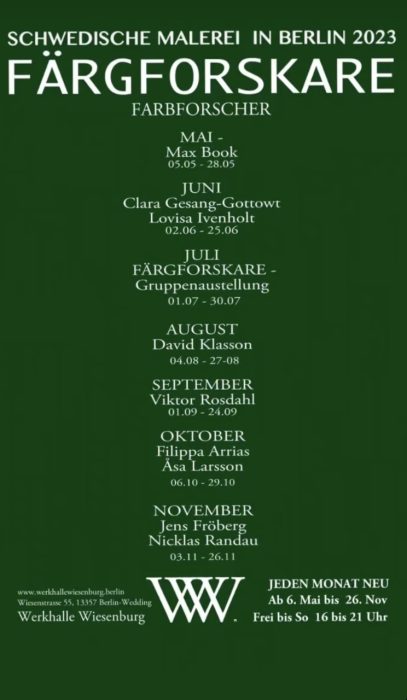
A series of presentations of Swedish painters in Berlin, curated by the artist and long time berliner Thomas Bo Henriksson, under the umbrella title Farbforscher
Susanna Slöör.
Omkonst.se
Förändringar och förskjutningar >>
March 16 2023
by Anders Olofsson on konsten.net
Männikkö/Turunen hos Nordenhake och Rosdahl på Berg Gallery >>
10 Mars 2023
16 FEBRUARY – 25 MARCH 2023
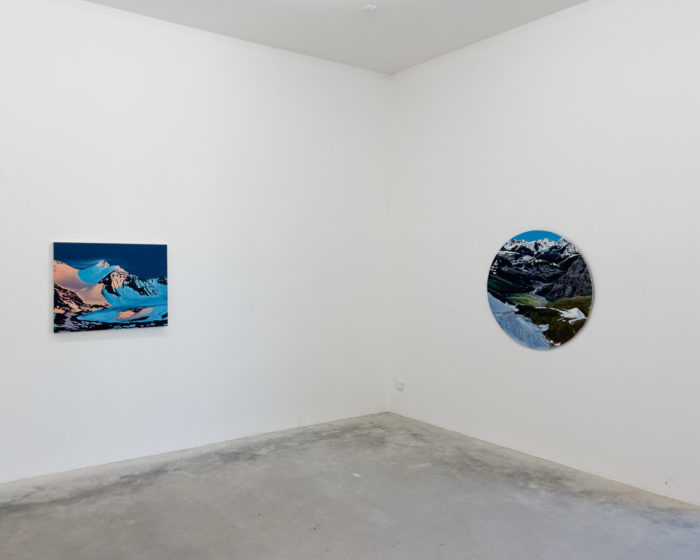
We are pleased to present Viktor Rodahl’s first solo exhibition at the gallery titled “egna bilder: ett sällsynt ljus”.
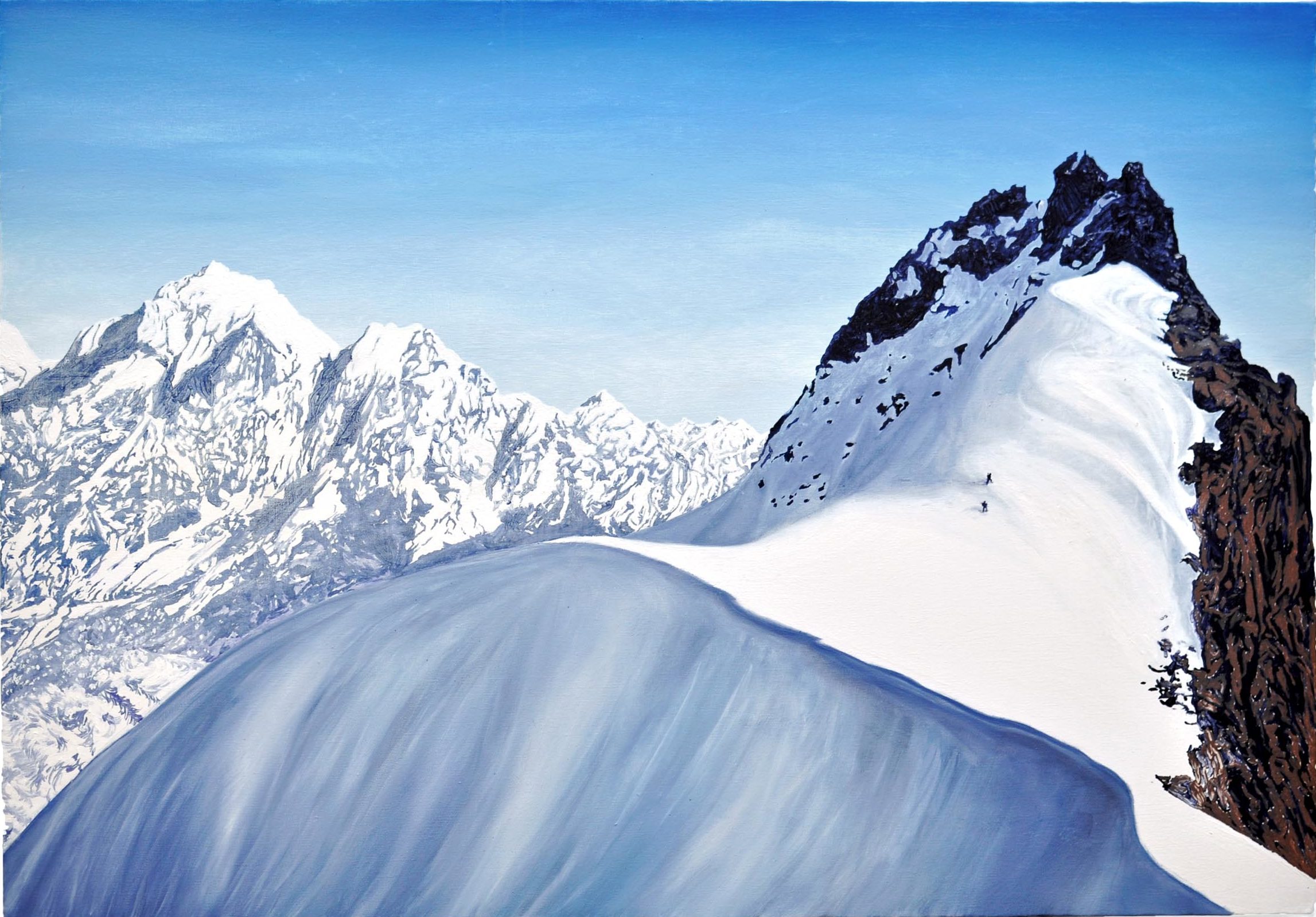
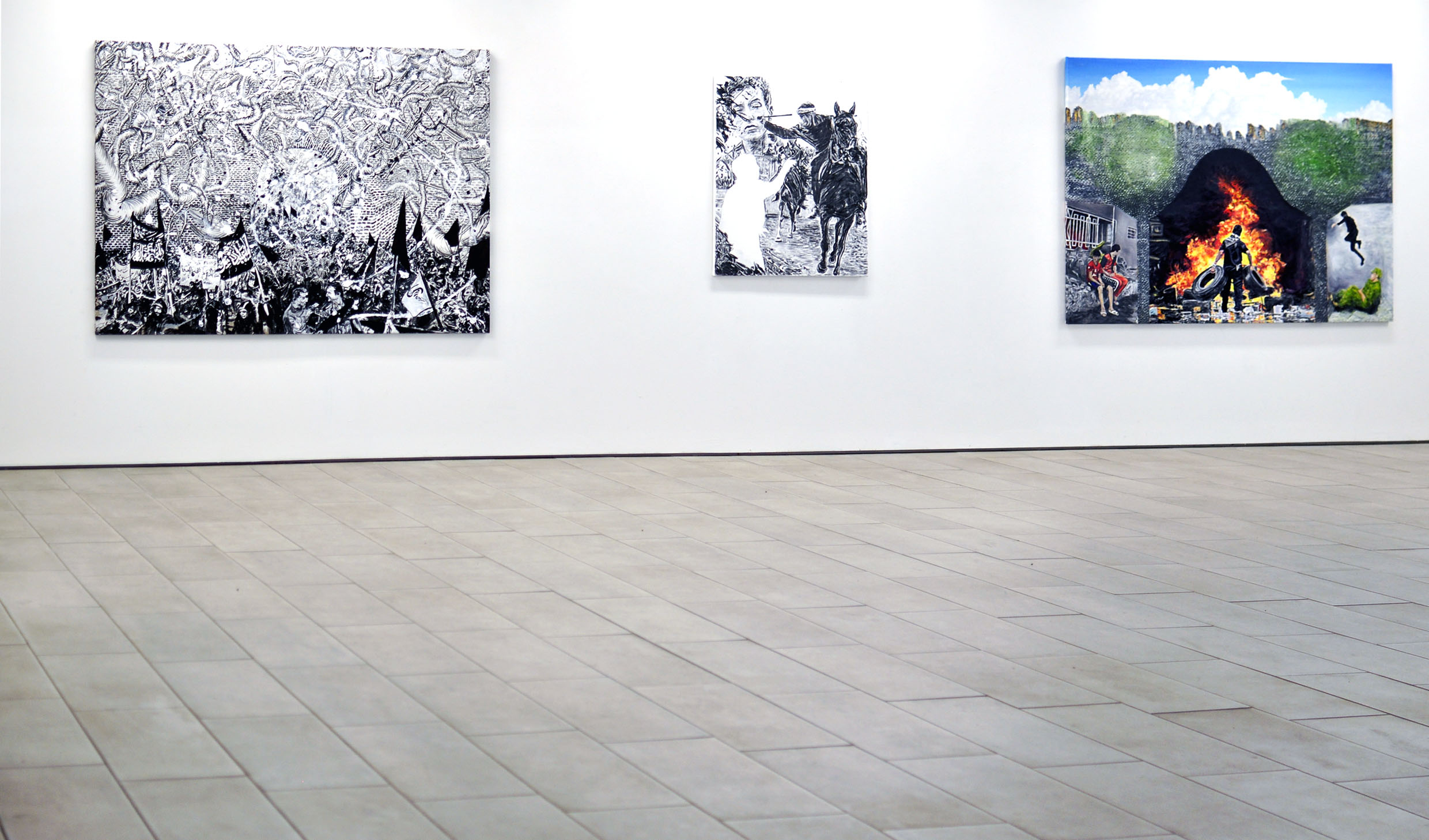
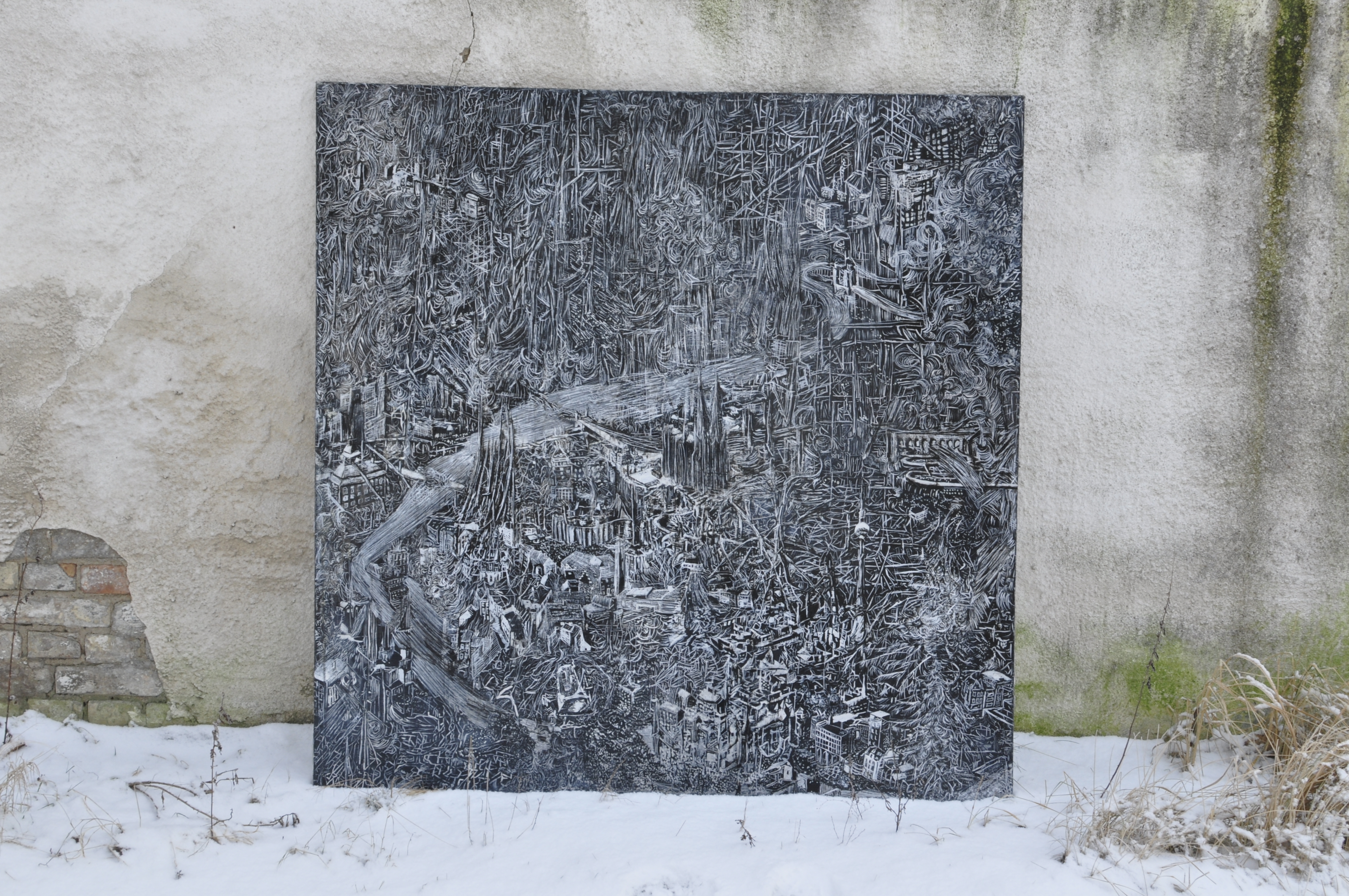
Viktor Rosdahl’s work straddles the line between the personal and the political. He is known to many for his intricate and blistered works, spanning over motifs such as the public housing programs of the 1960s, political demonstrations, mazelike black-and-white urban environments, and rugged peaks. The last decade, Rosdahl has devoted his attention to less populated areas and a less obviously political world of motifs, which he nonetheless explores with the same ideocratic painterly curiosity and sense for stories within.
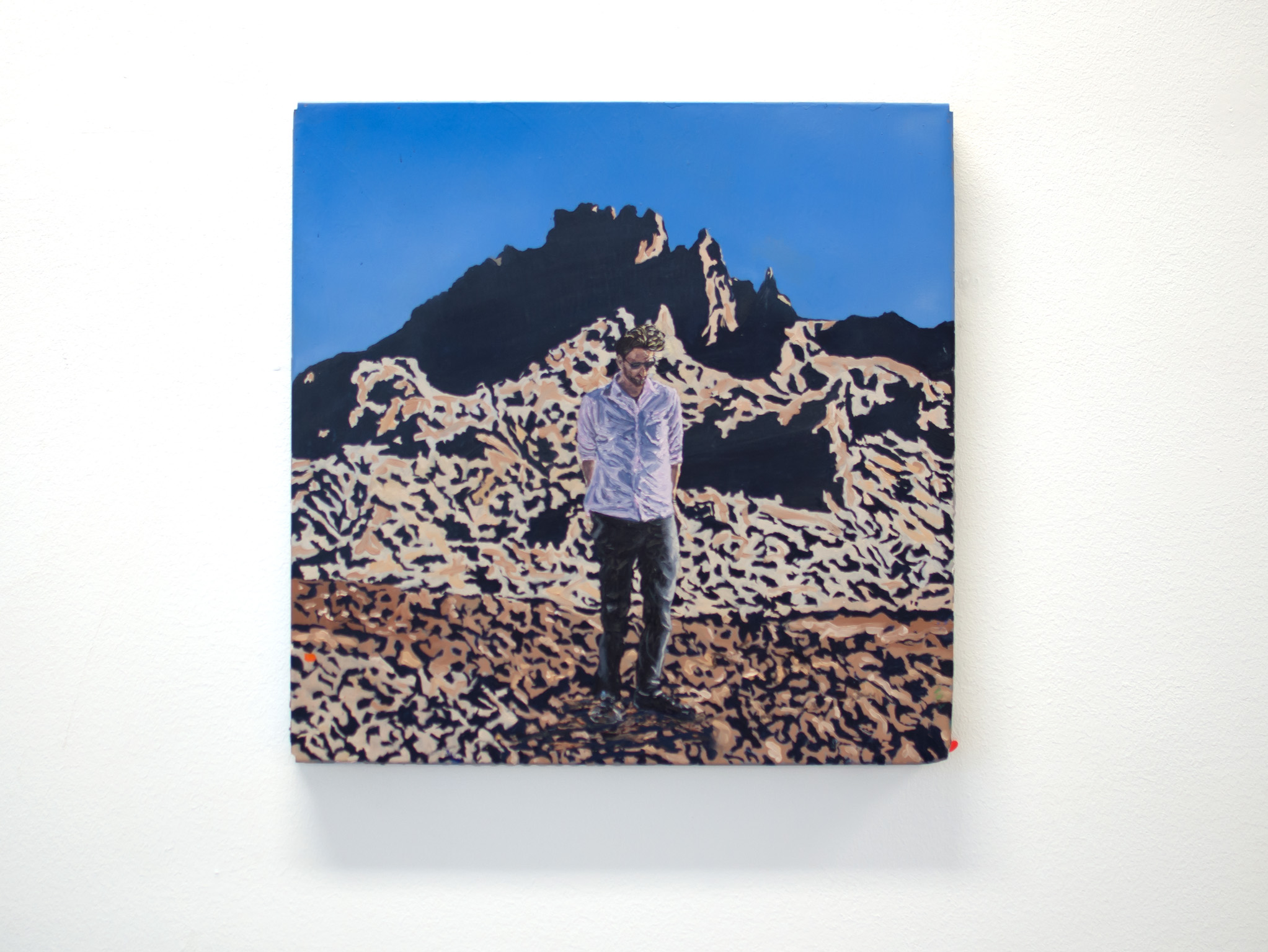
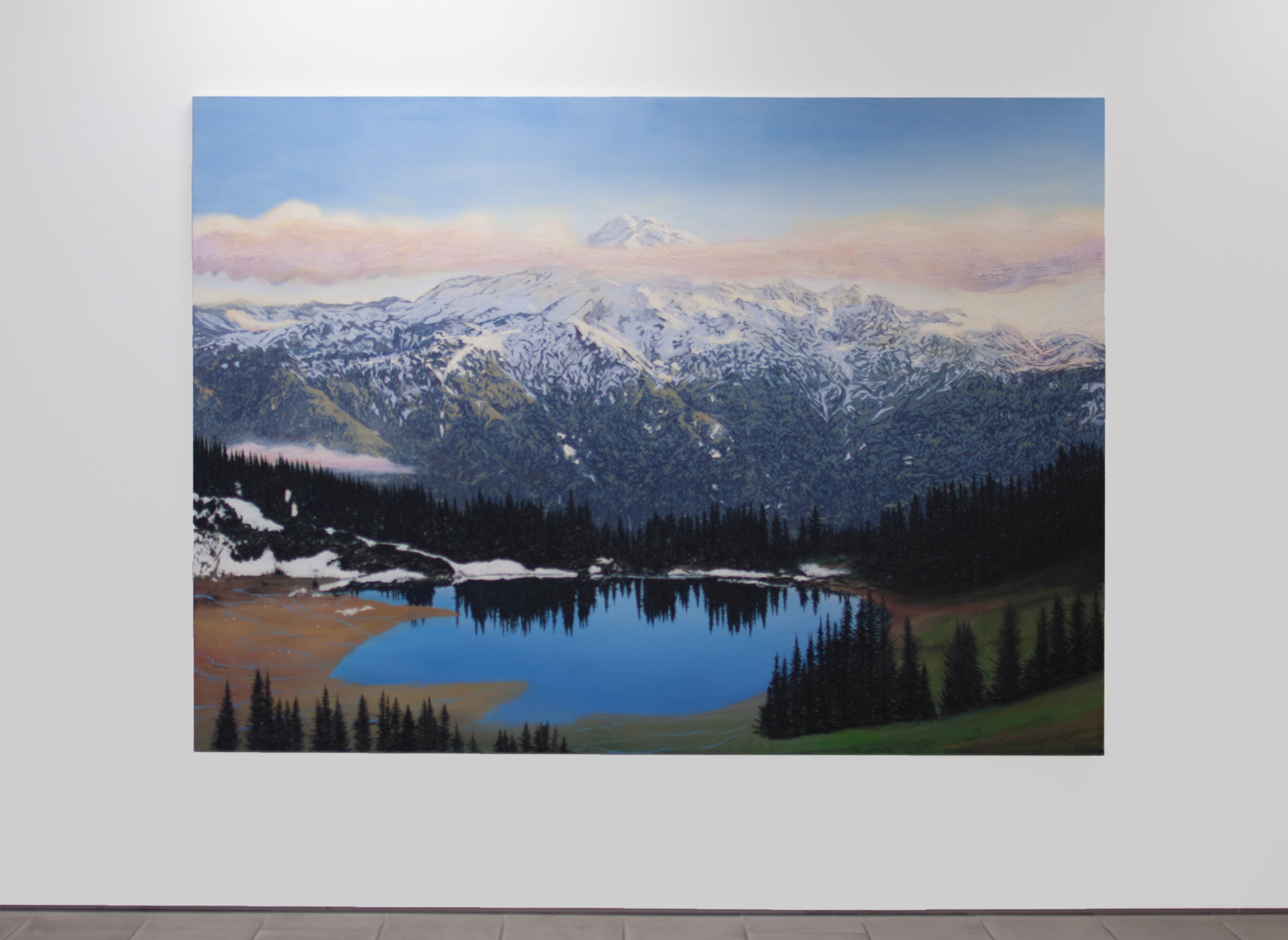
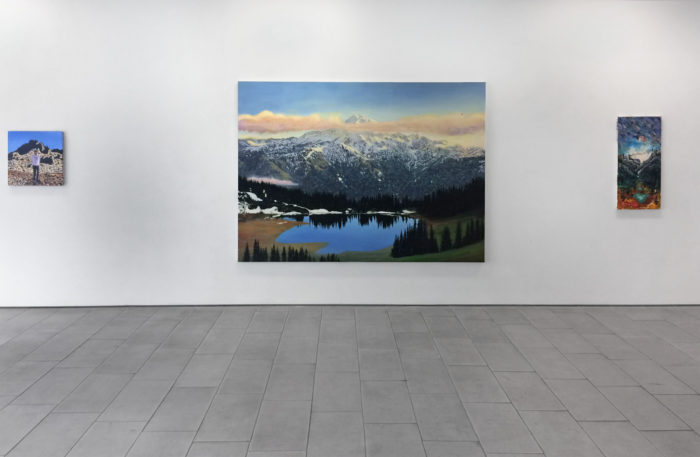
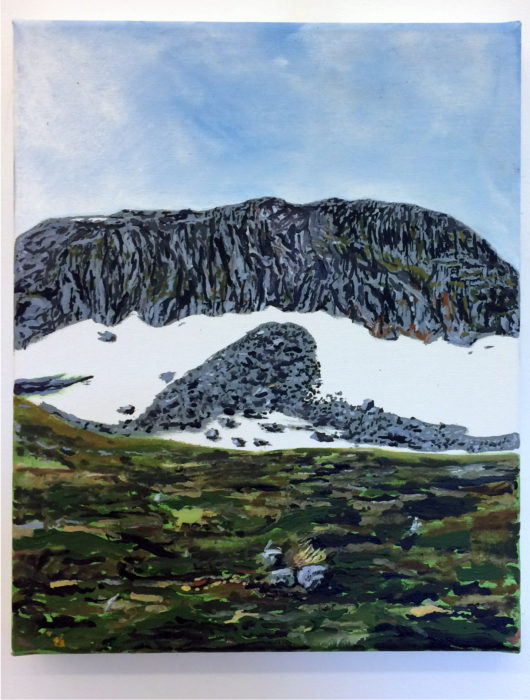
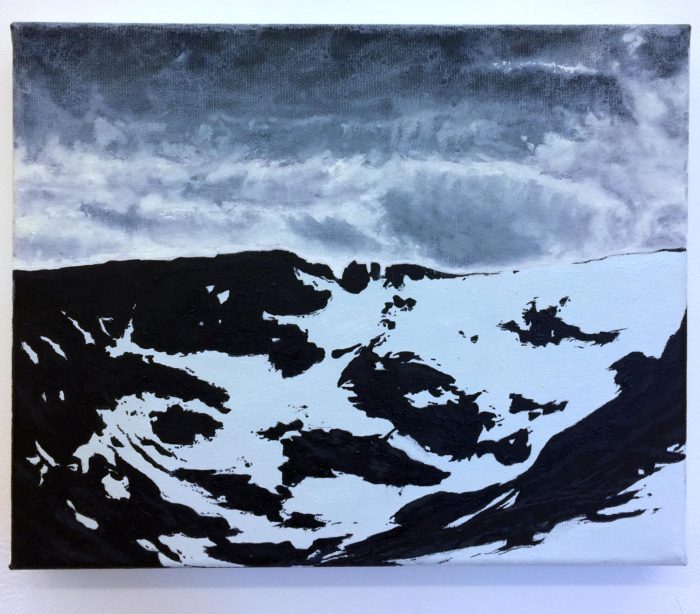
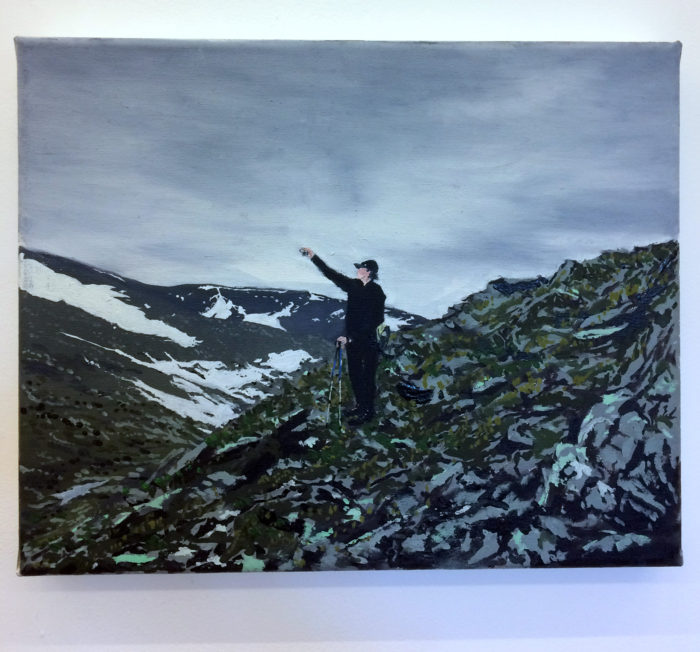
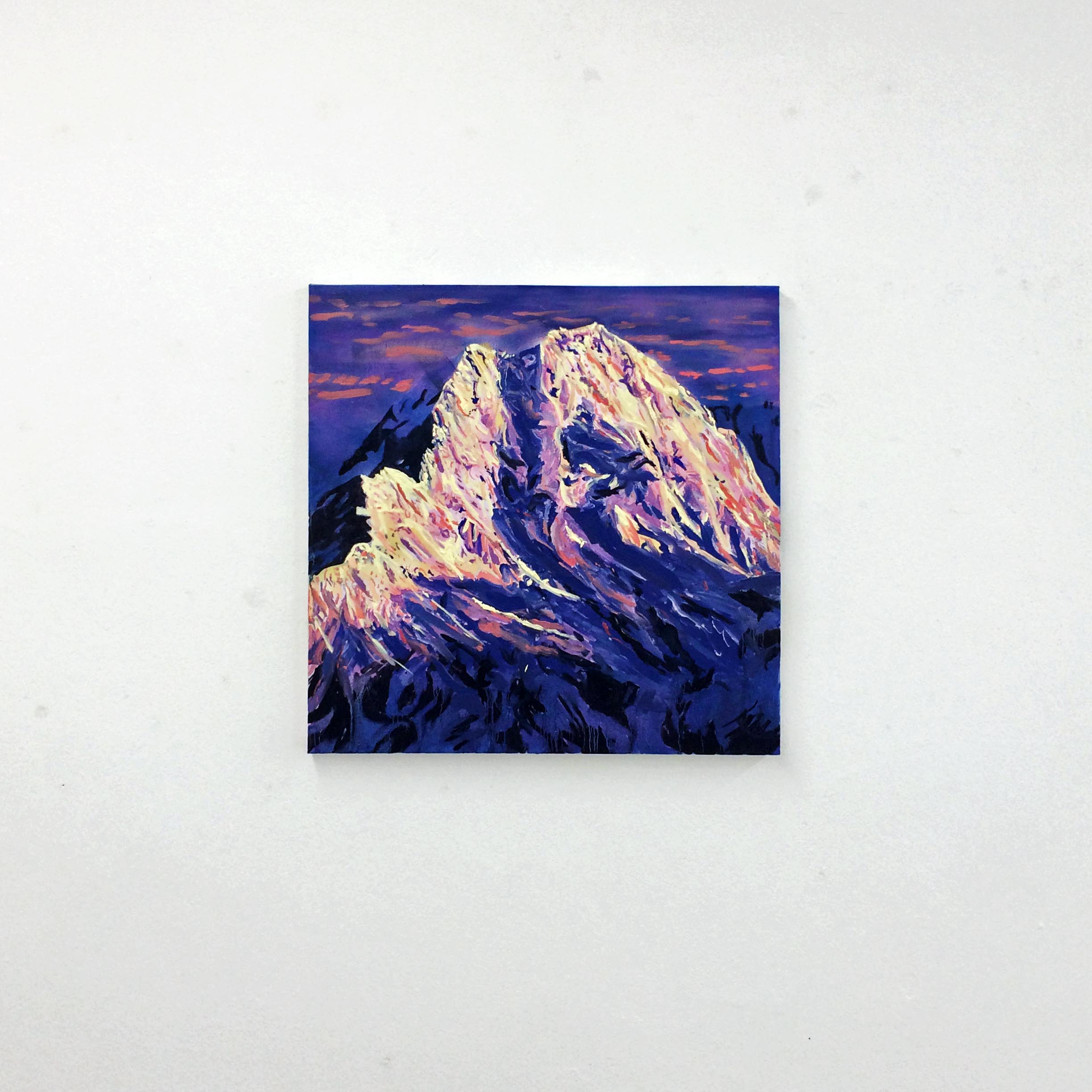
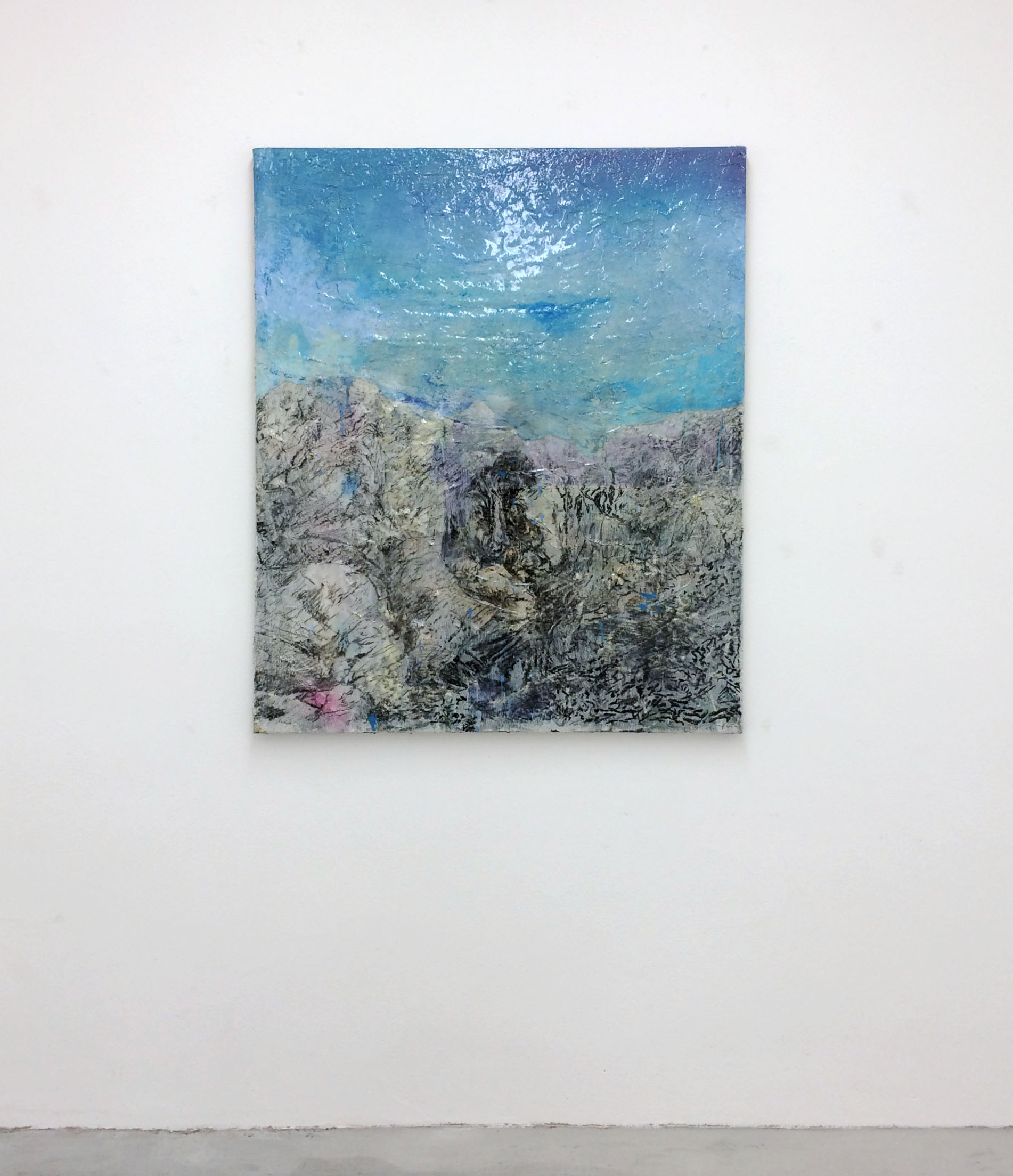
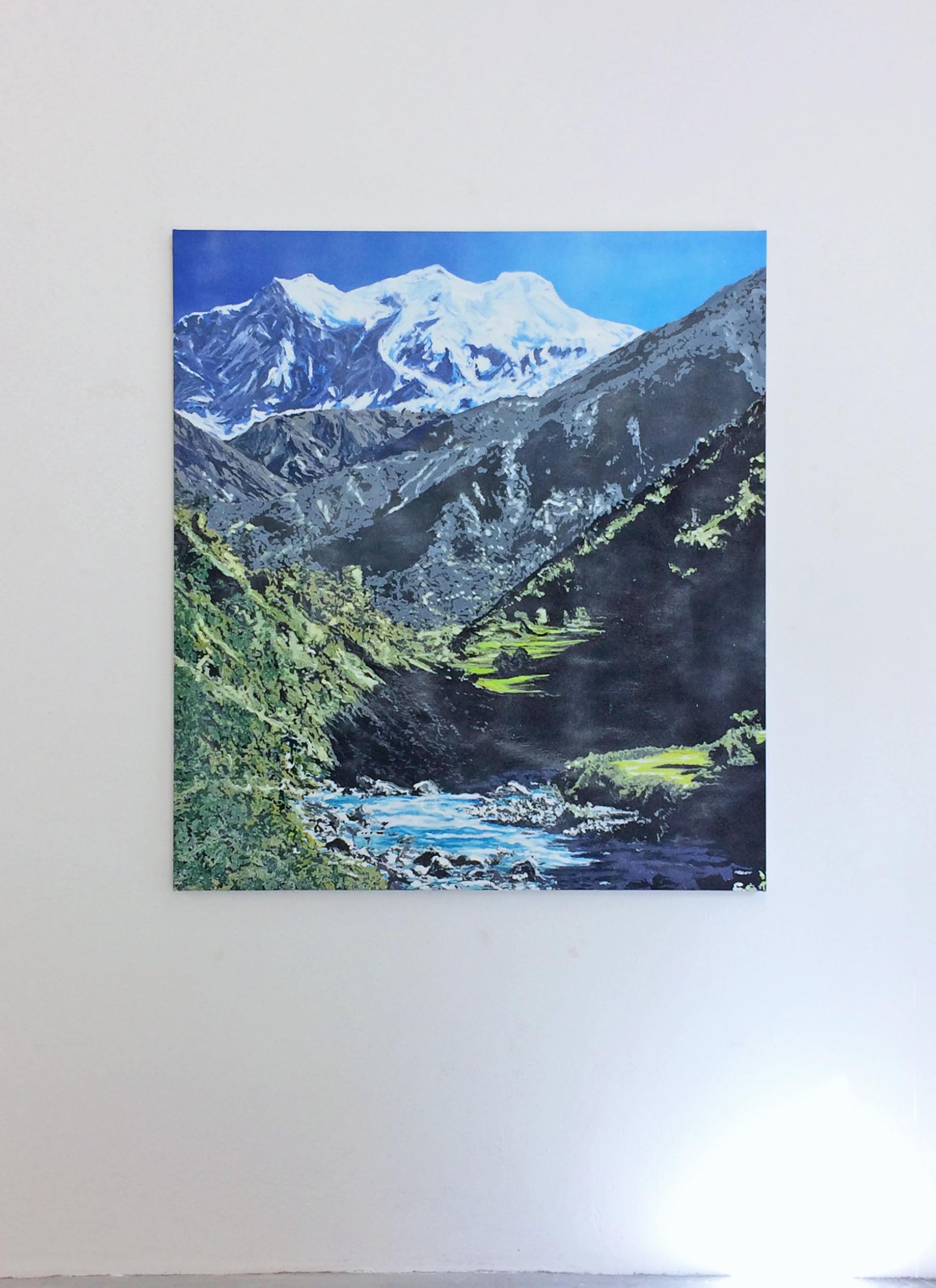
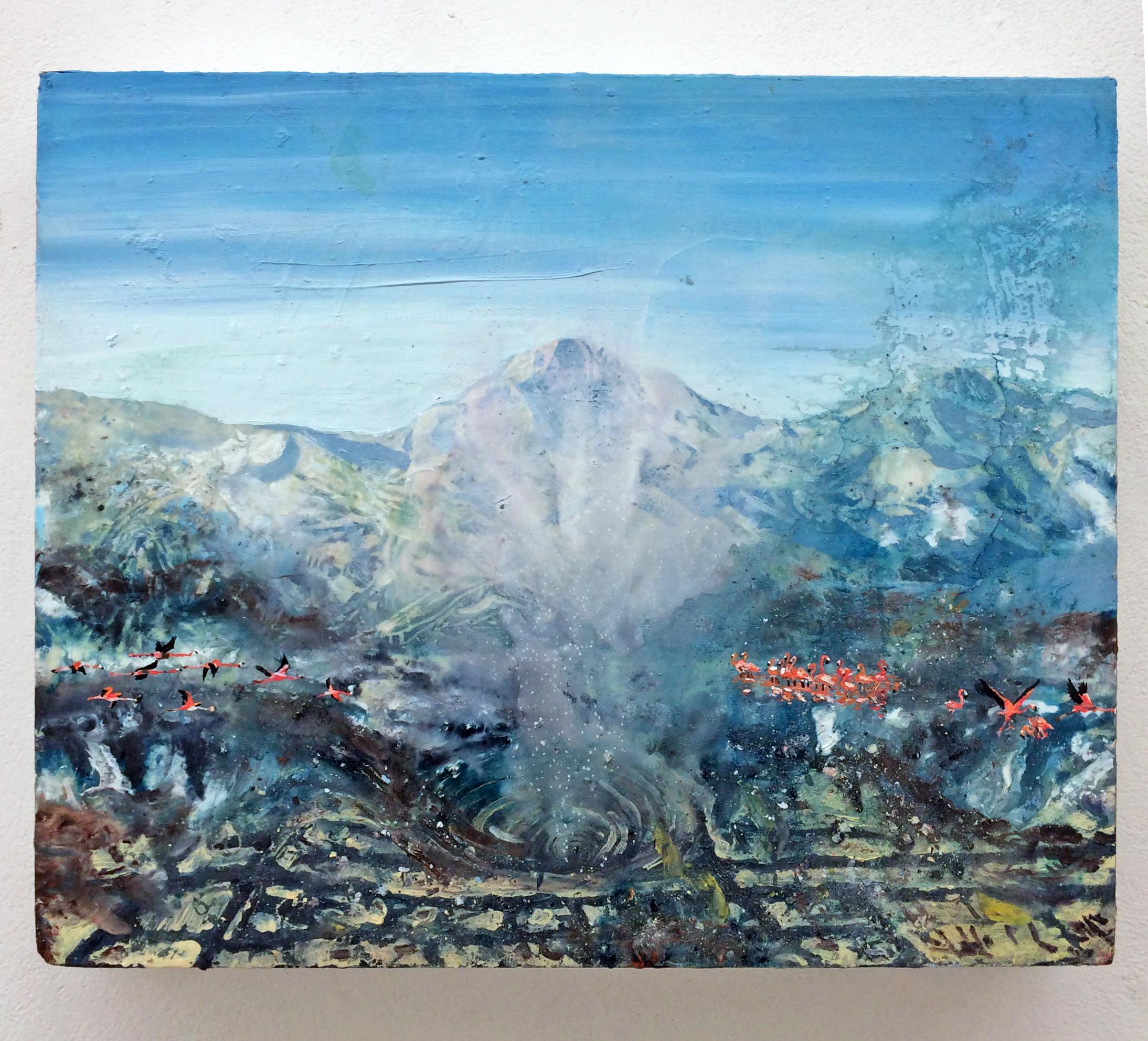
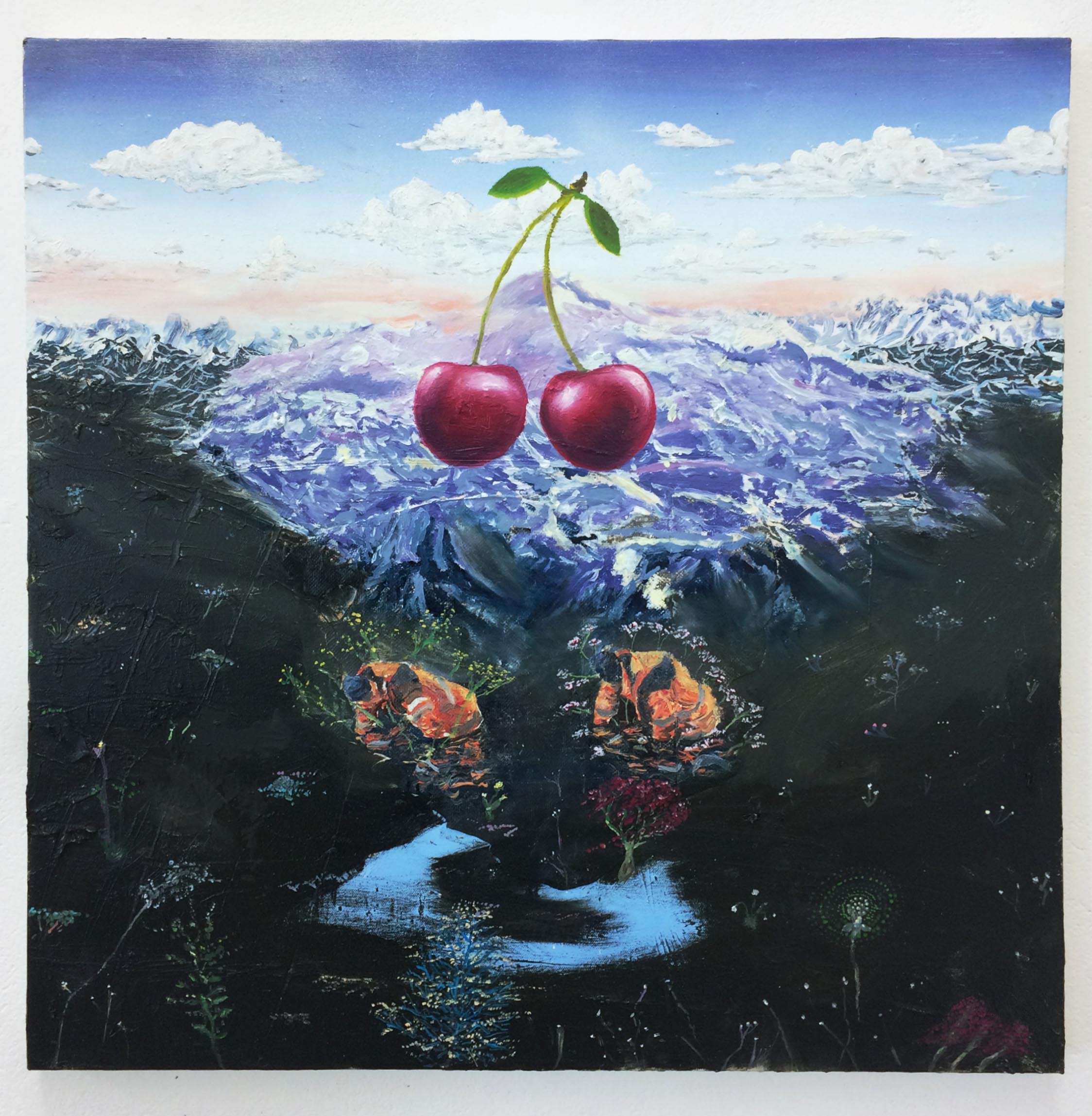
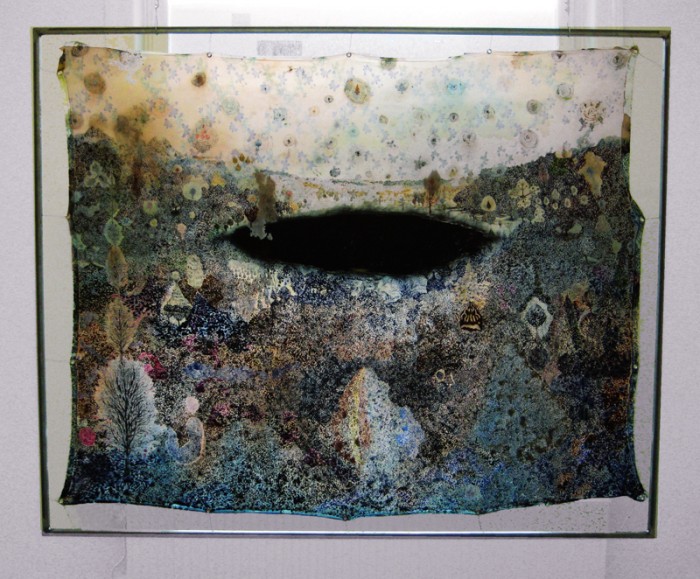
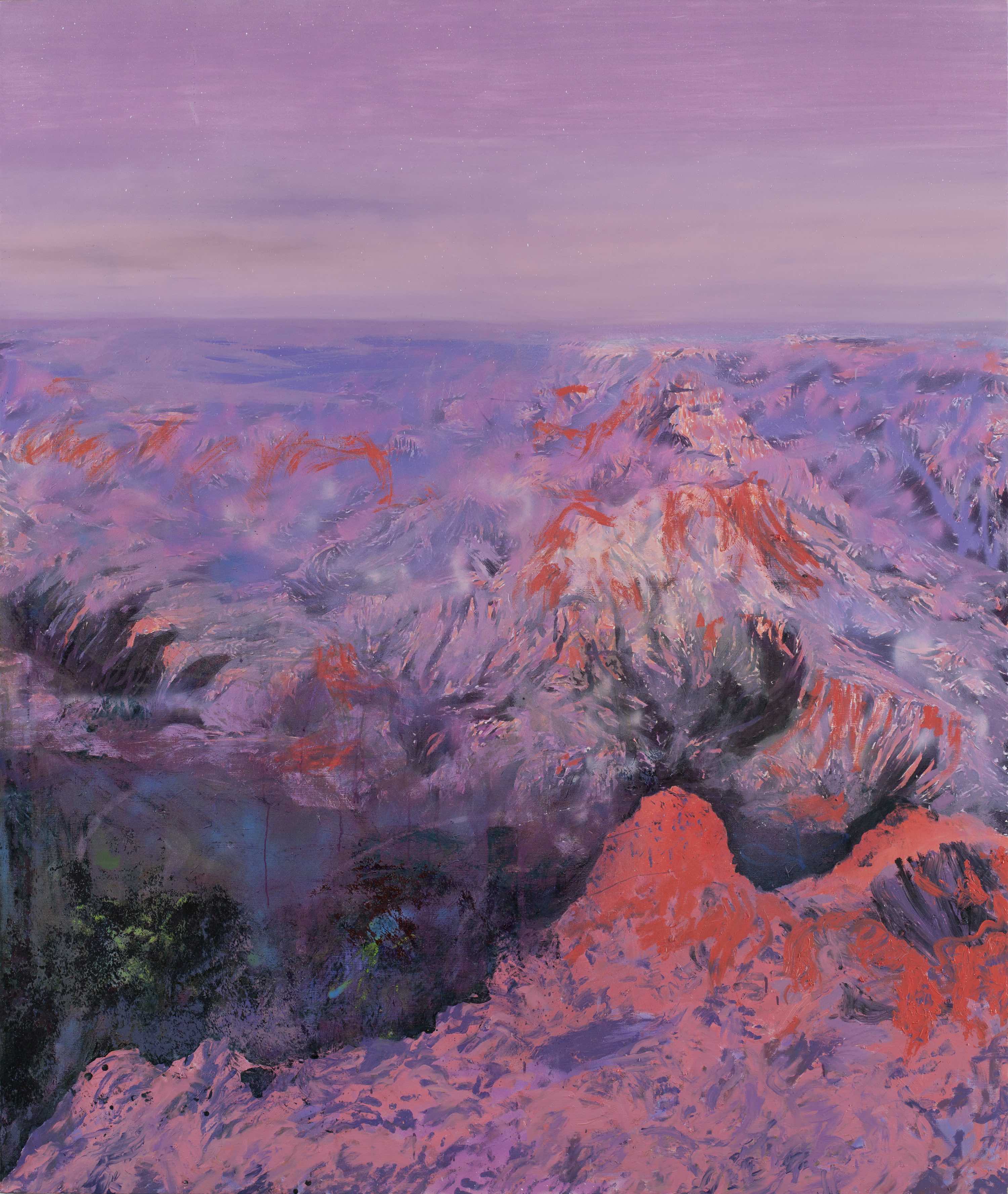
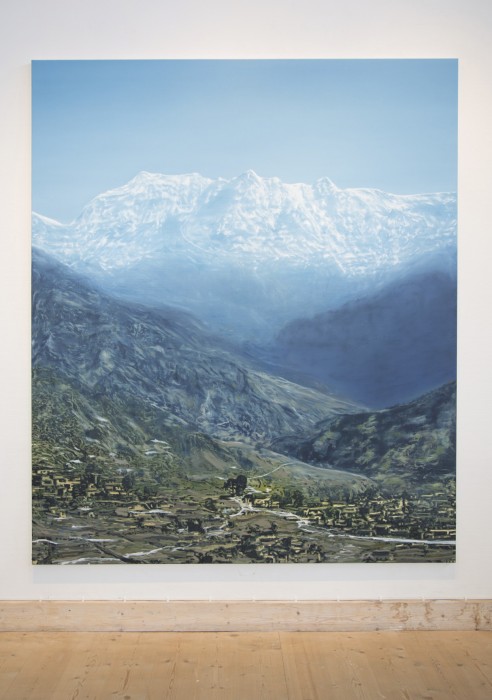
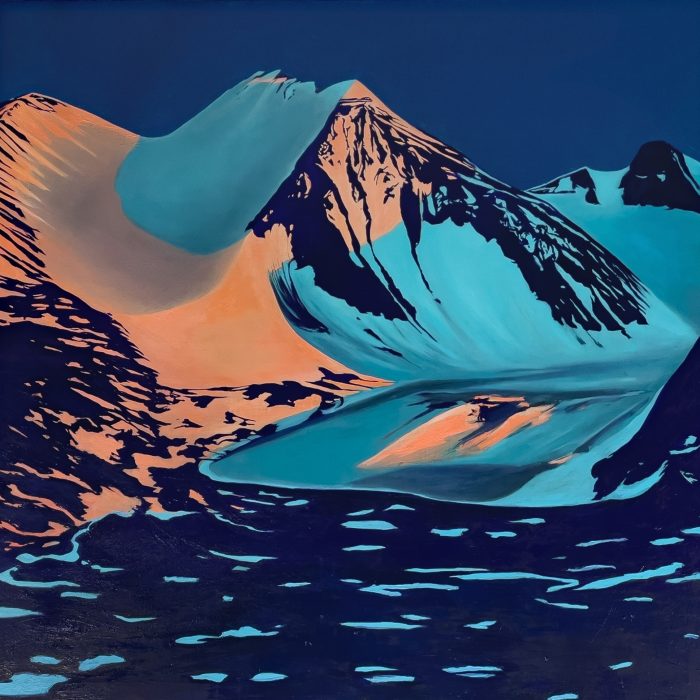
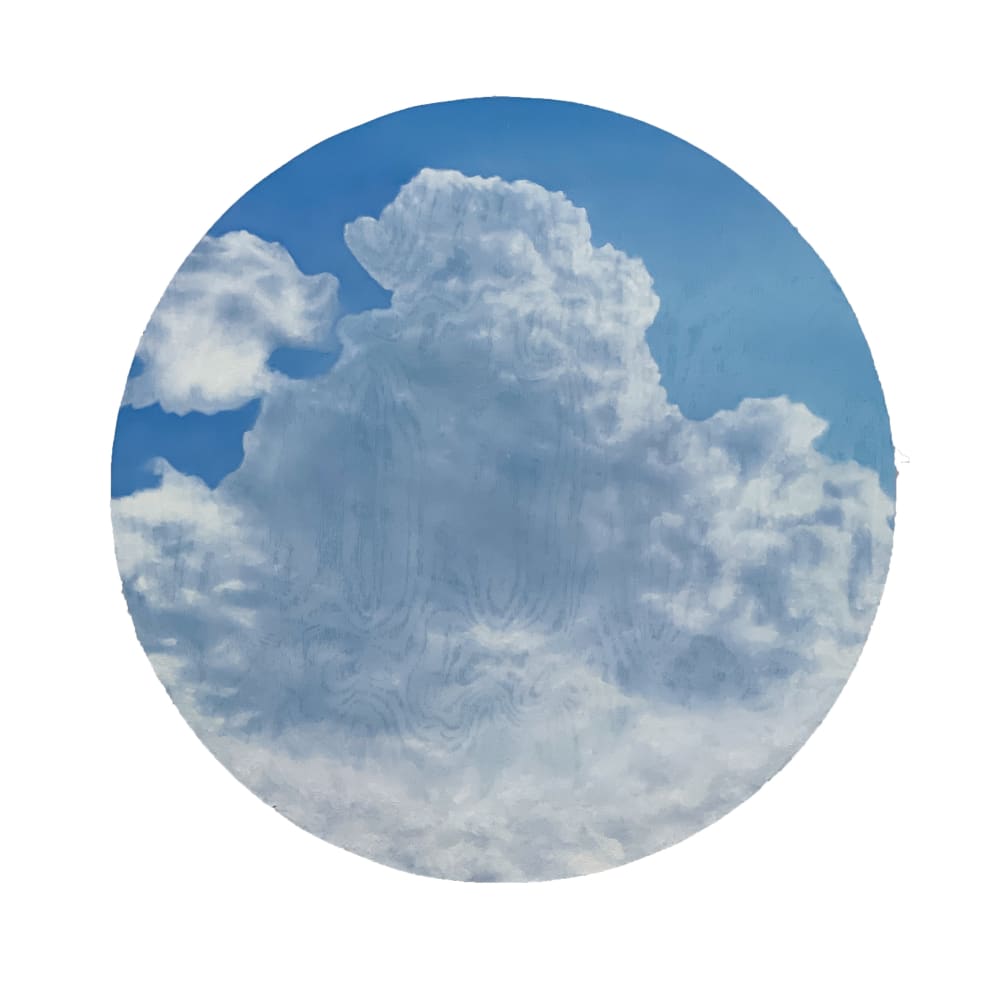
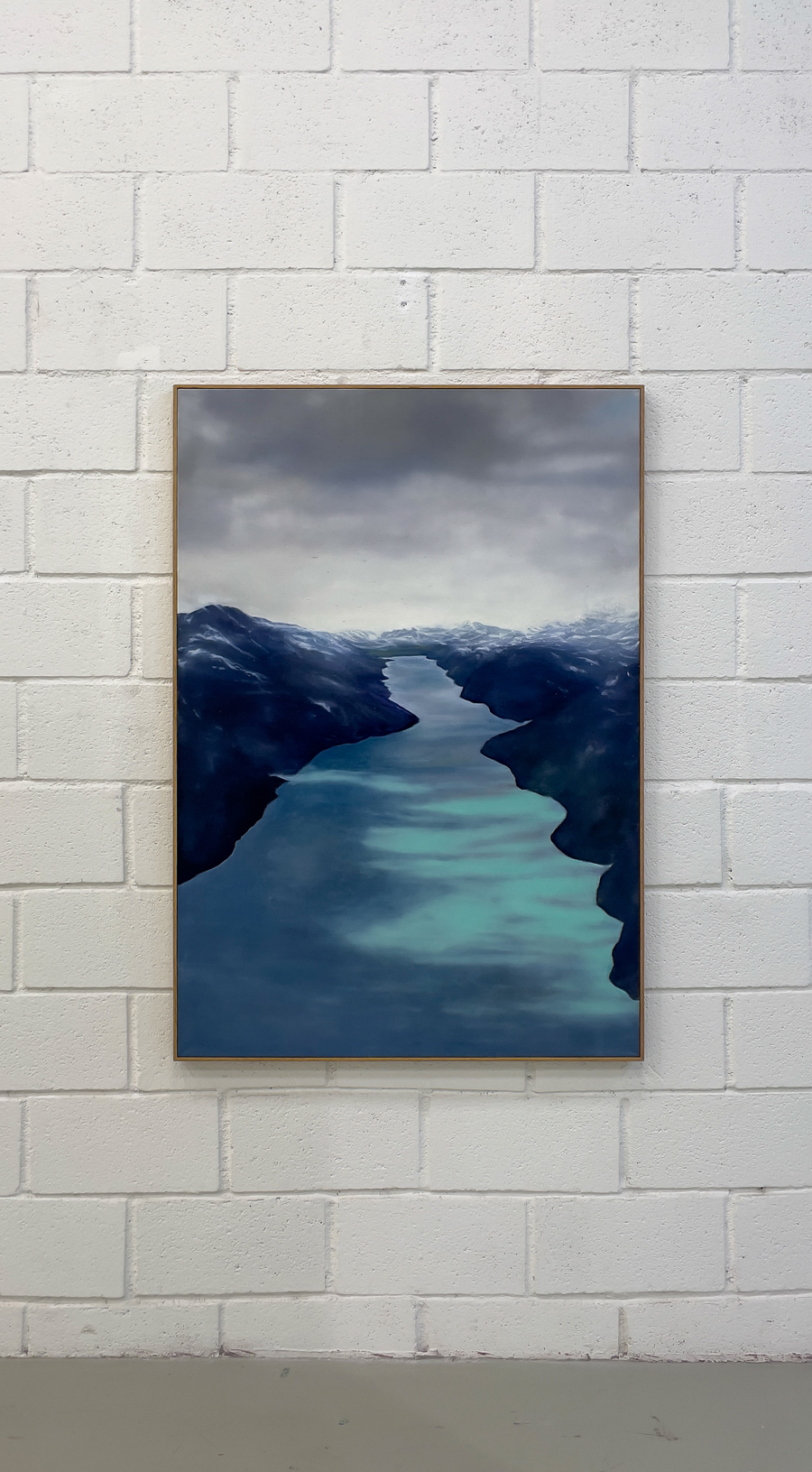
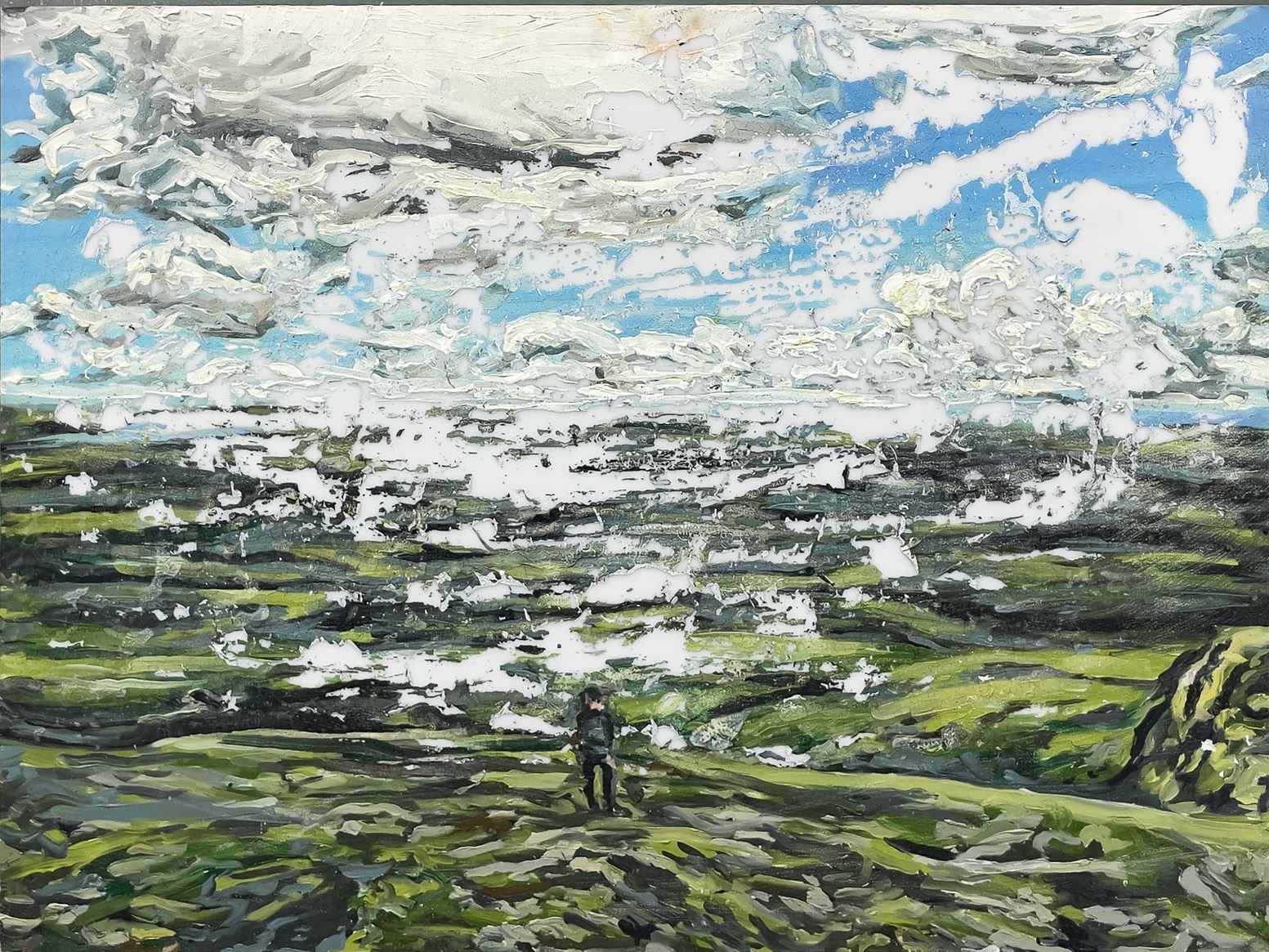
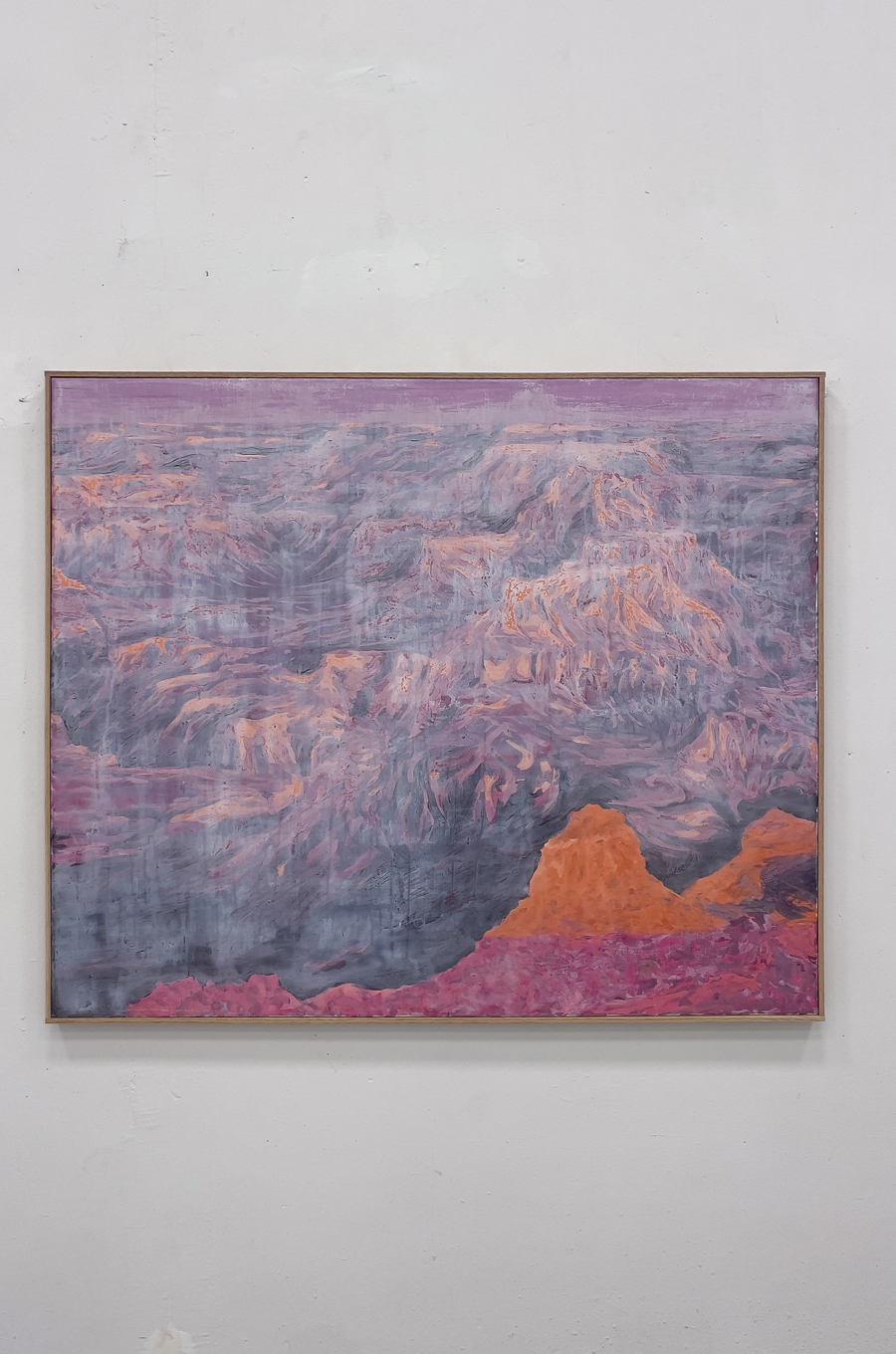
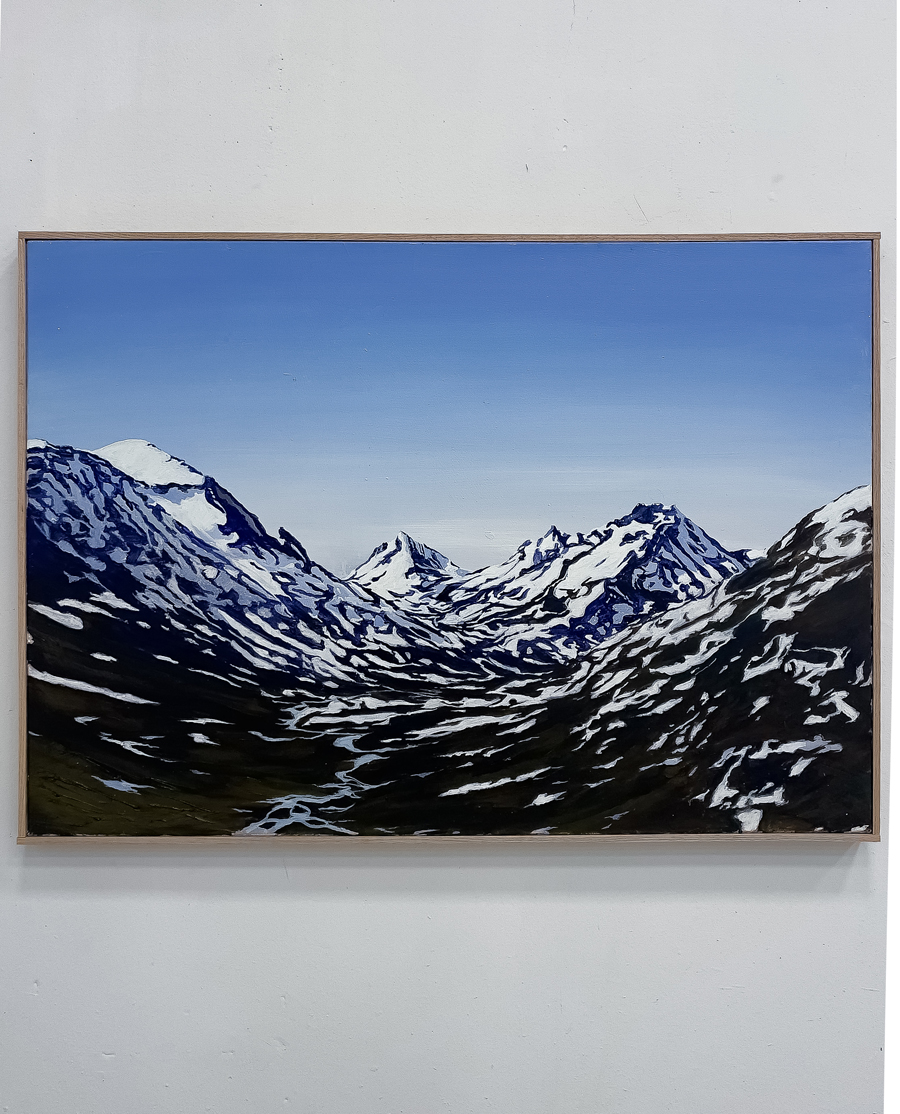
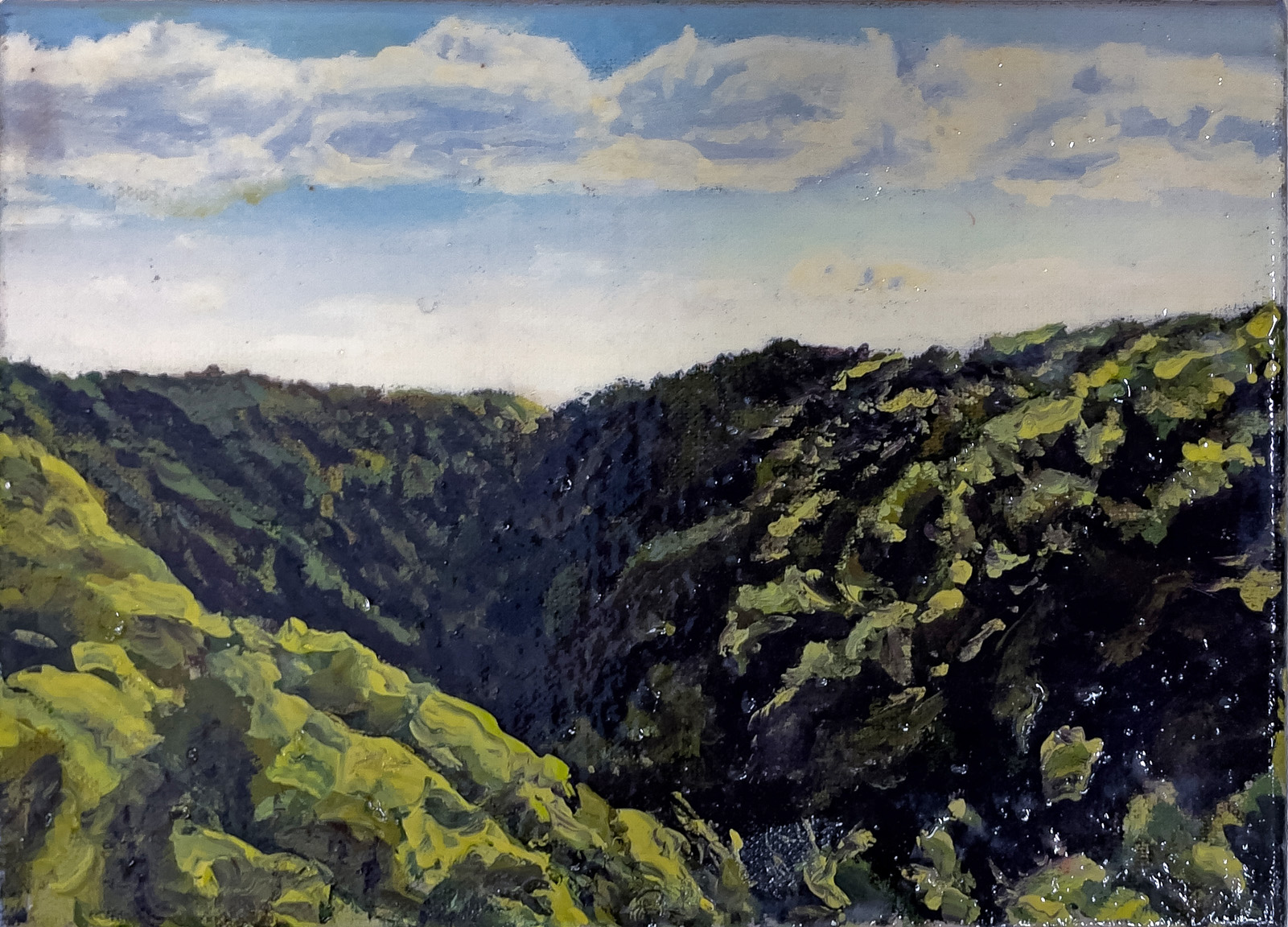
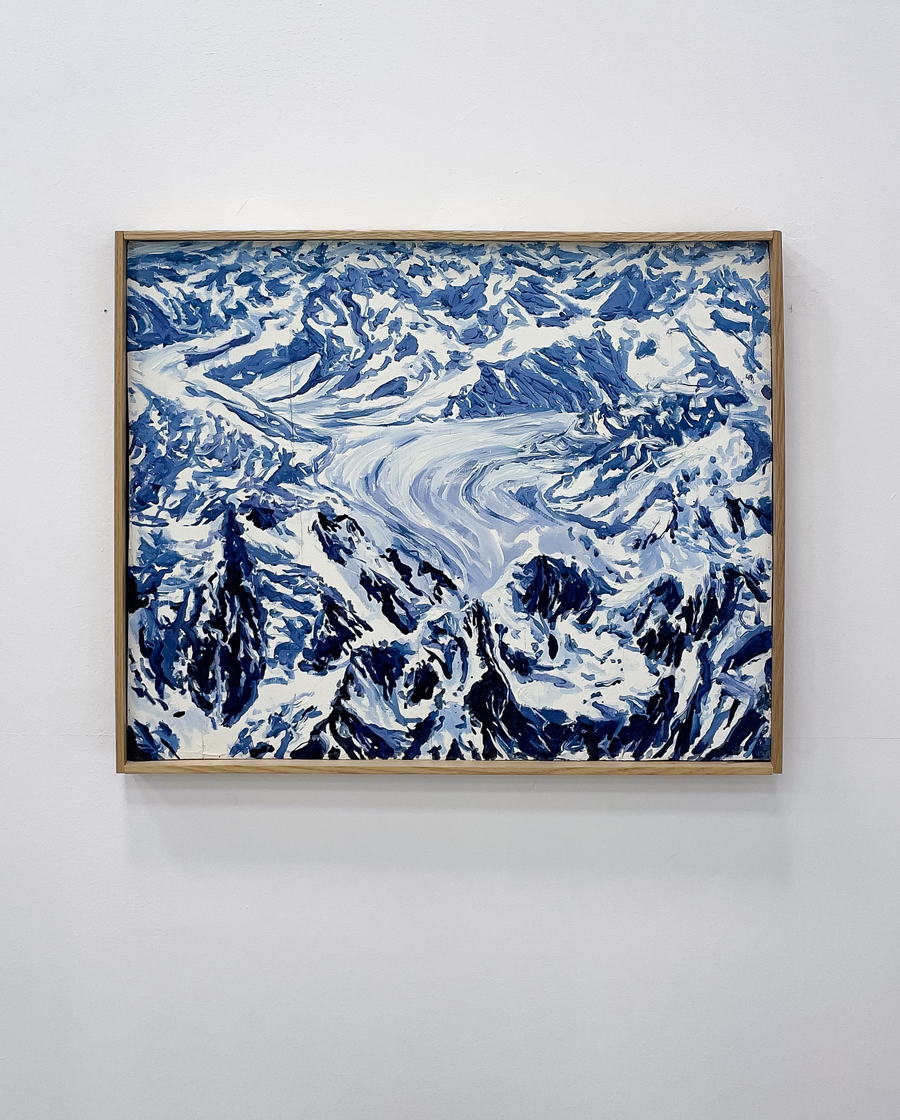
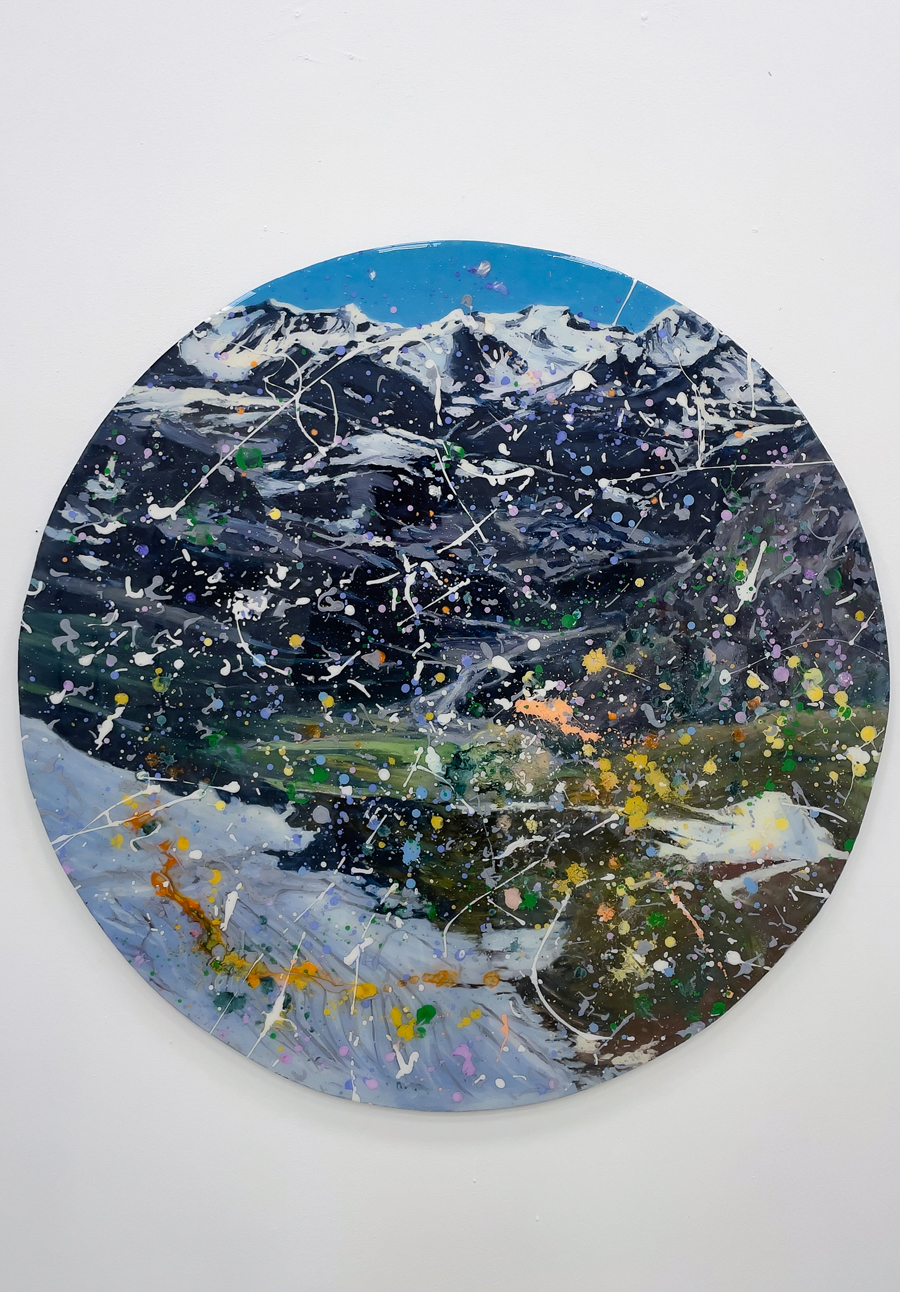
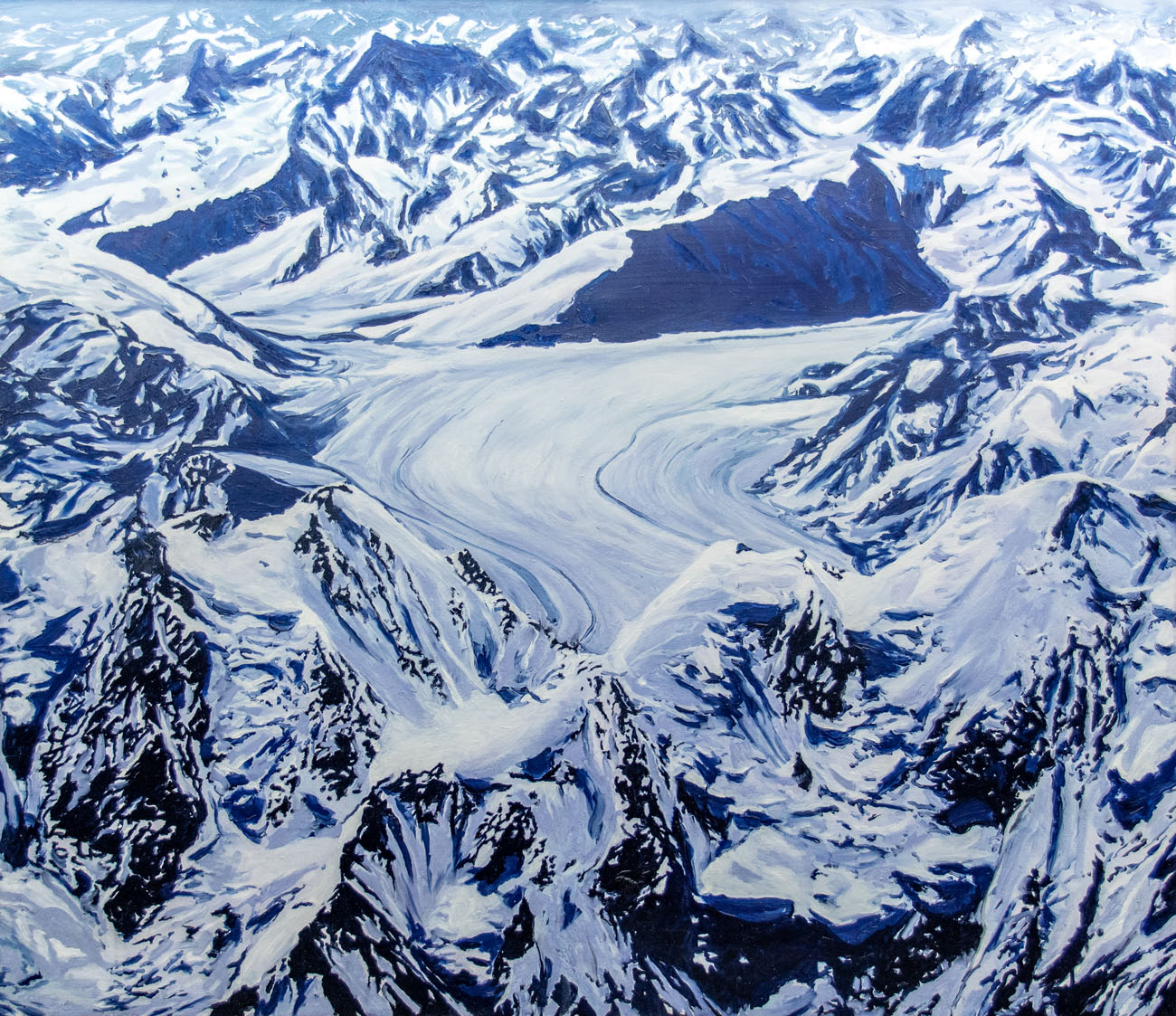
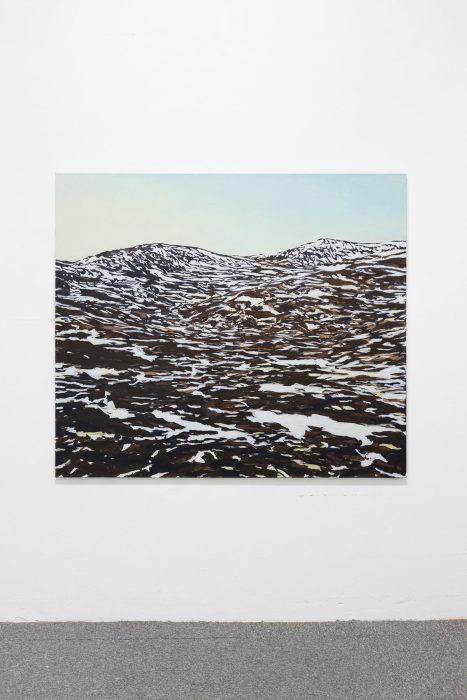
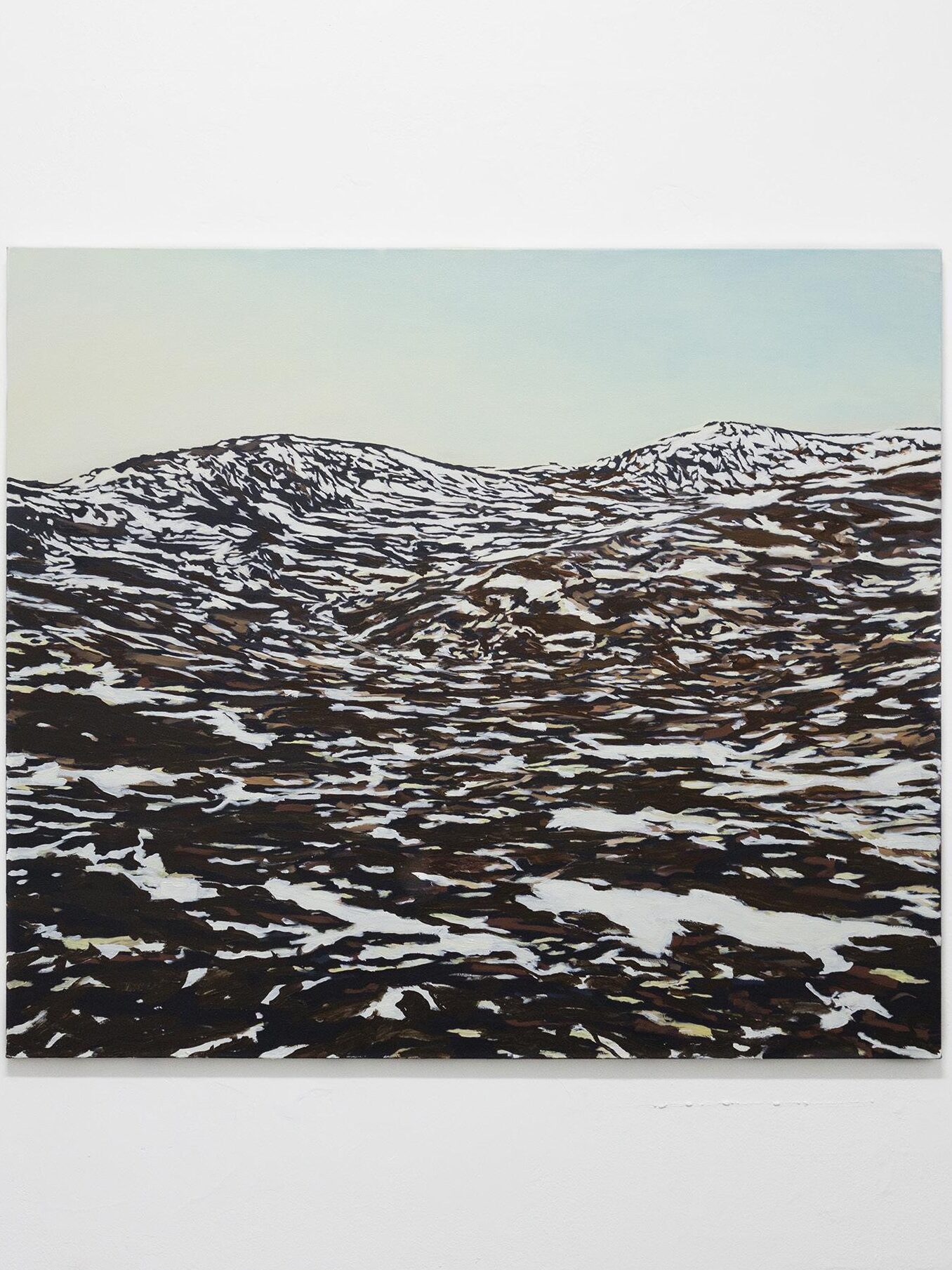
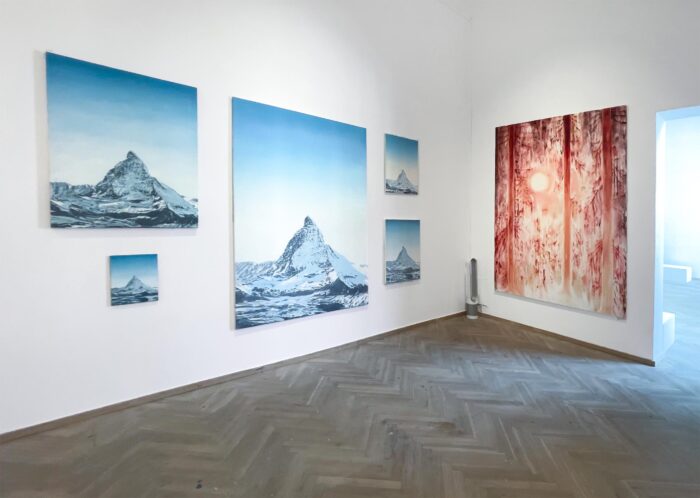
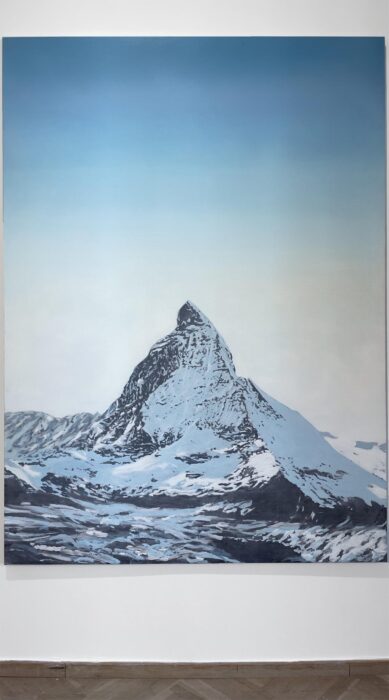
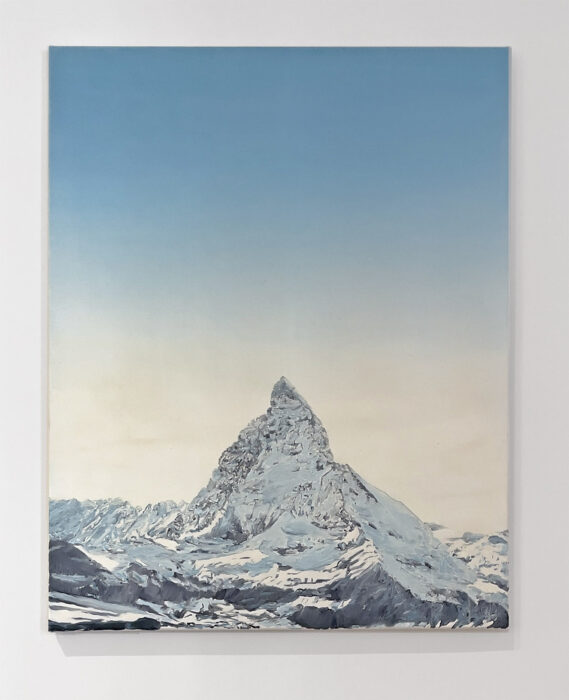
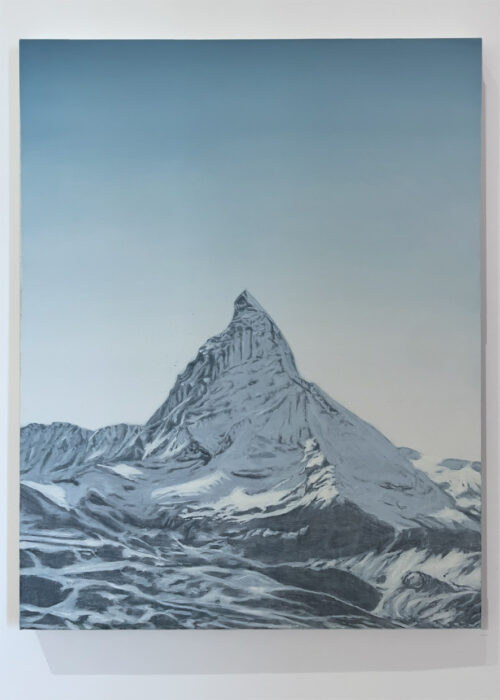
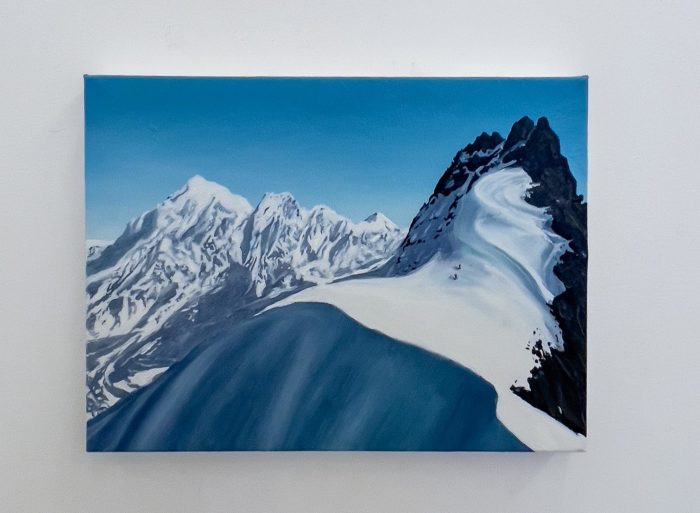
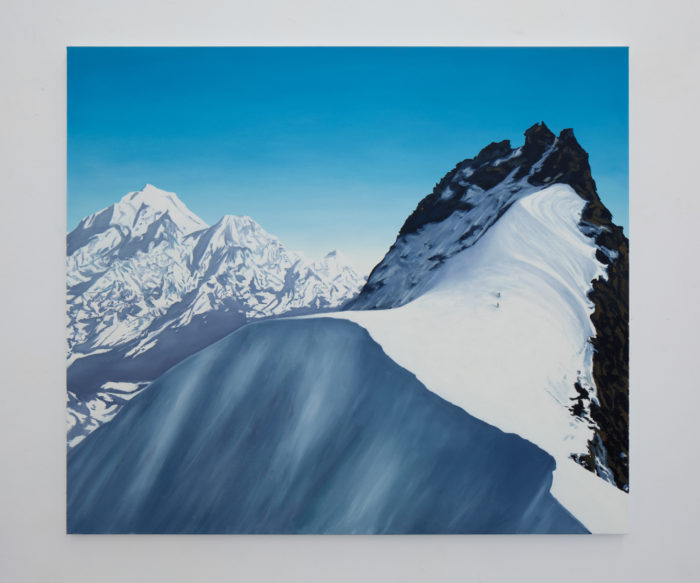
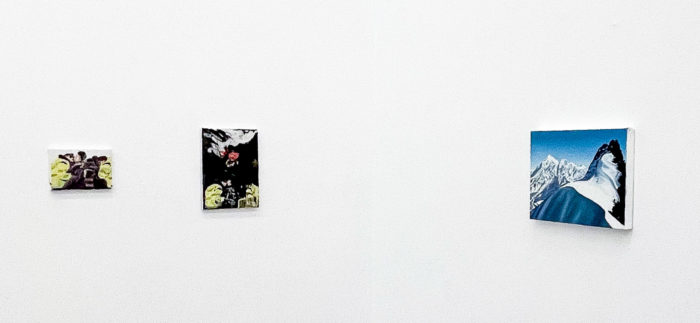
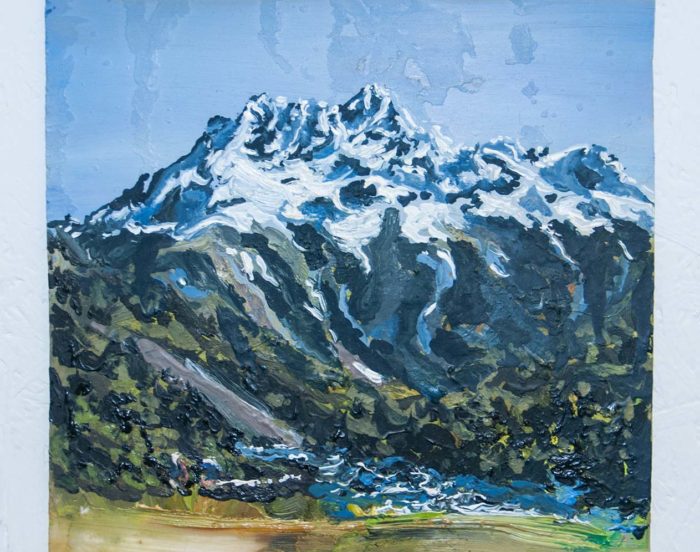
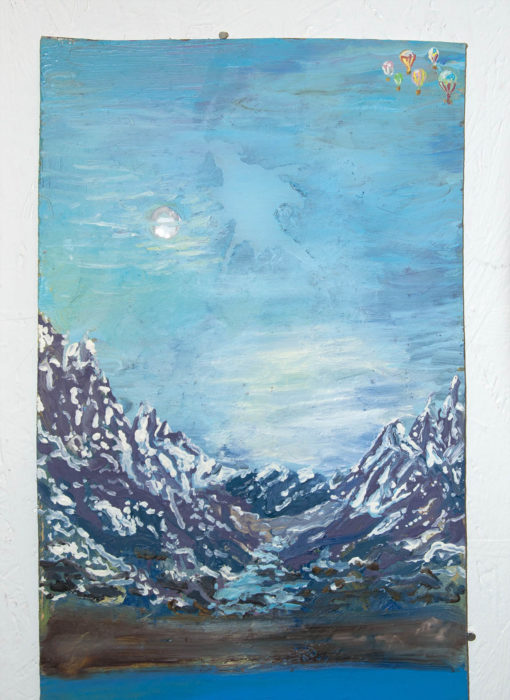
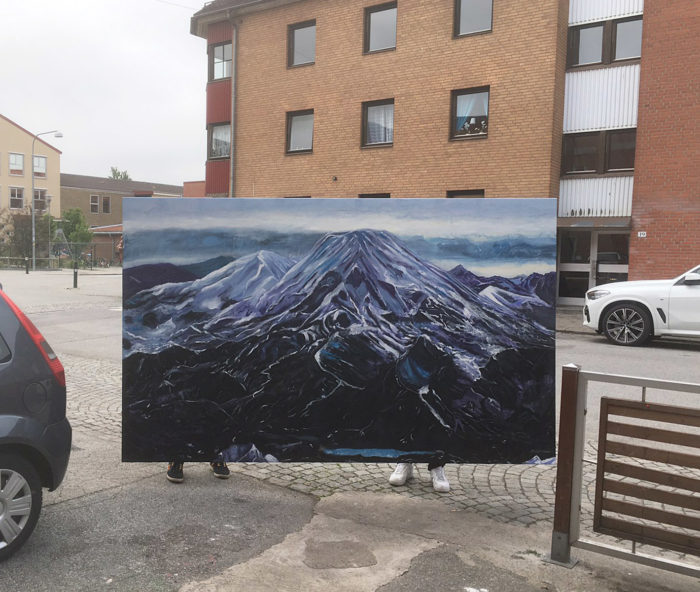
In the exhibition “egna bilder: ett sällsynt ljus”, we are faced with snow-covered mountainscapes, depictions of deserted and somewhat ghostly hinterlands, and film-stills repeated in series. In a number of intimate works, the surfaces have been processed with heavy layers of epoxy and pigment. One of the works in the exhibition is painted on a piece of linen cloth that was formerly used by Rosdahl to wipe off his brushes – and is described by him as a kind of “accidental painting”. There is nothing accidental about his motifs however, as they are rather based on years of research and a massive archive of images. Ephemeral impressions, experiences and memories all inform Rosdahl’s works. The source of inspiration might (as the title of the exhibition suggests) be a seldom seen light, a faded photograph, or a looming cloud.
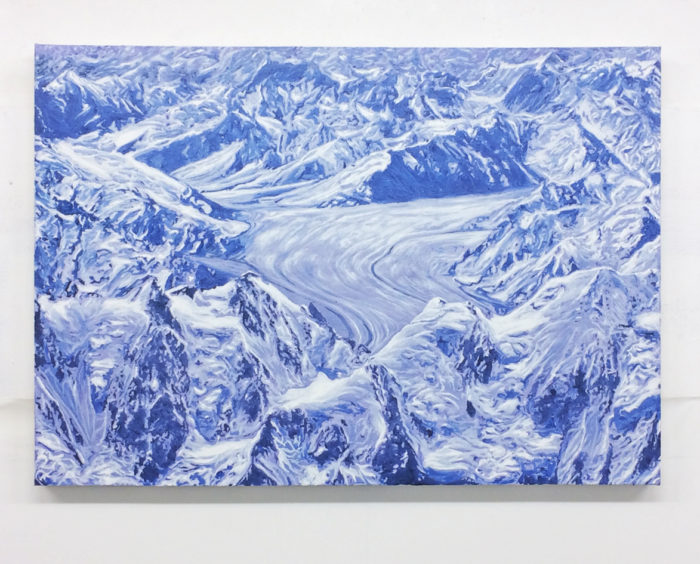
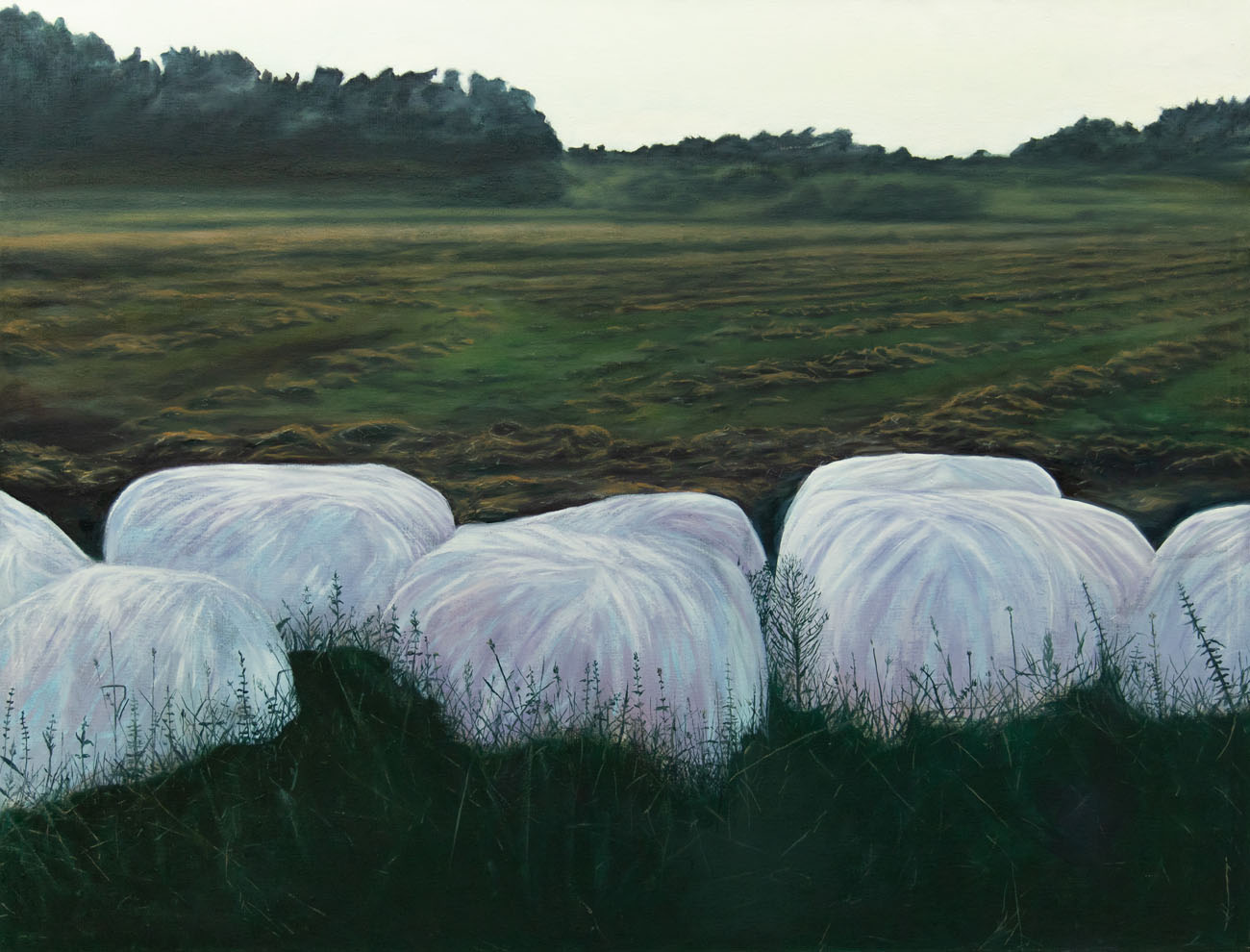
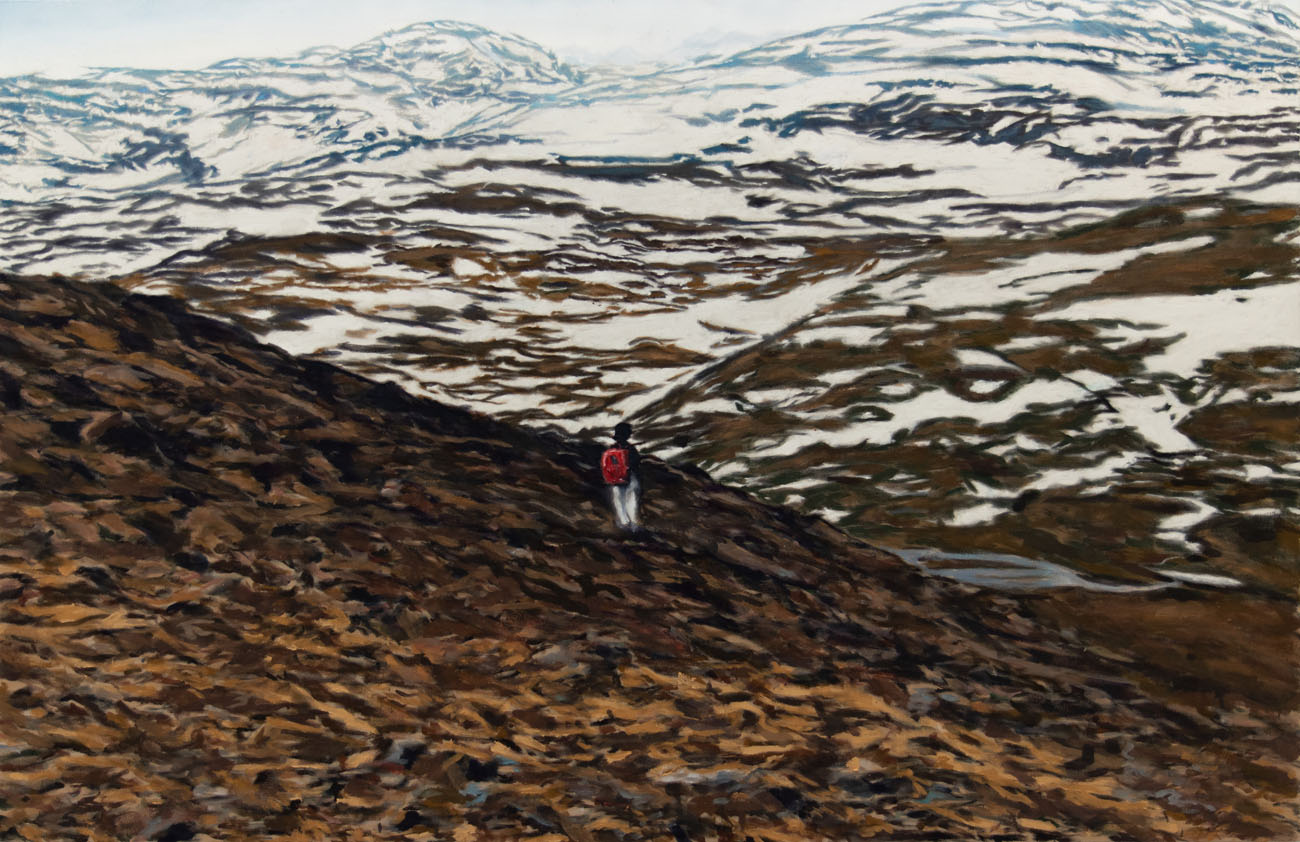
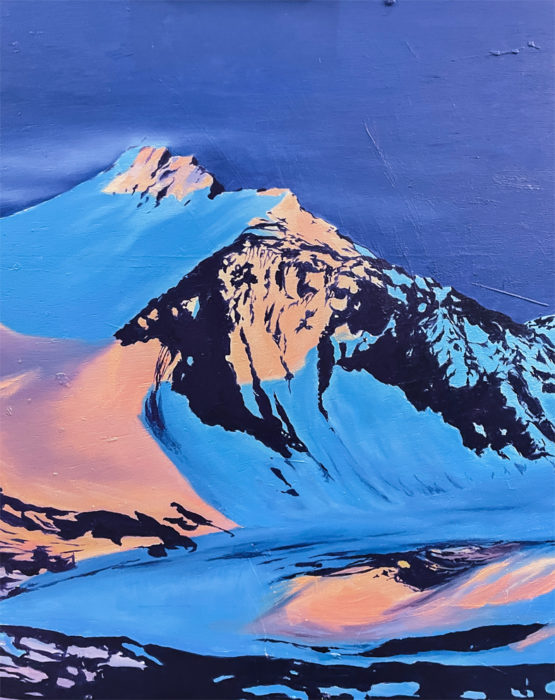
The point of departure in Rosdahl’s process is deeply rooted in his own murky family history and interlaced with places that become charged with symbolic meanings. Even though he pays close attention to the depicted matter, he does not regard his works as documentary accounts of certain places. Conversely, he treats the reference image as a readymade that is used to tell his own different stories. The works are shape shifters between narration, resistance, critique and play. A pile of haybales, for example, becomes a mystery about hidden and forgotten places. And at the same time, they might just as well illustrate the political reality of growing divisions between urban and rural areas. As for the paintings depicting snowy mountainscapes, they might stun you one moment, only to evoke a sense of loss the next. It is as if the world is seen in a rearview mirror from an aircraft leaving this earth behind. In essence, it is the attraction towards the image and the wormholes of associations besides the obvious that makes Rosdahl want to dissect and portray it.
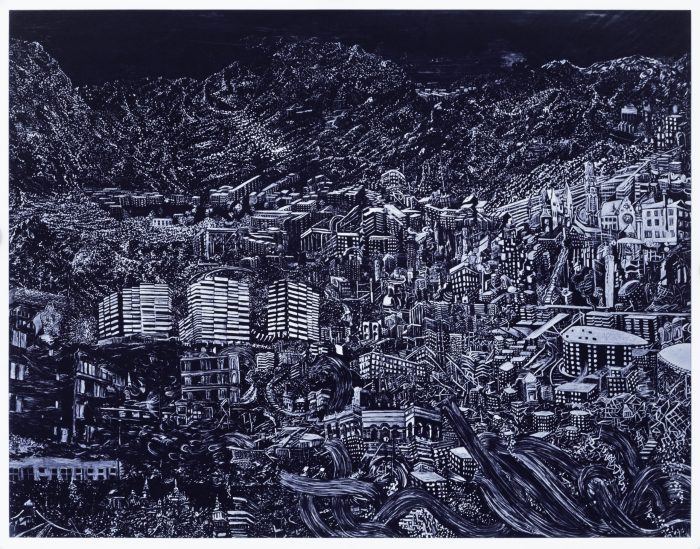
CREATING TRACES
03.12 – 21.12 2022
Frank Brunner NO, Astrid Sylwan SE, Ian McKeever UK, Olav Christopher Jenssen NO, Jan Håfström SE, Adam Saks DK, John Körner DK, Ann Edholm SE, Sverre Malling NO, Viktor Rosdahl SE, Ditte Eilerskov DK
GALLERI THOMASSEN
CONTACT
PAUL * GALLERITHOMASSEN.SE
ADDRESS GÖTABERGSGATAN 32, 41134 GOTHENBURG SWEDEN
TUESDAY – THURSDAY 12:00 – 18:00 FRIDAY – SATURDAY 12:00 – 16:00 SUNDAY 12:00 – 15:00
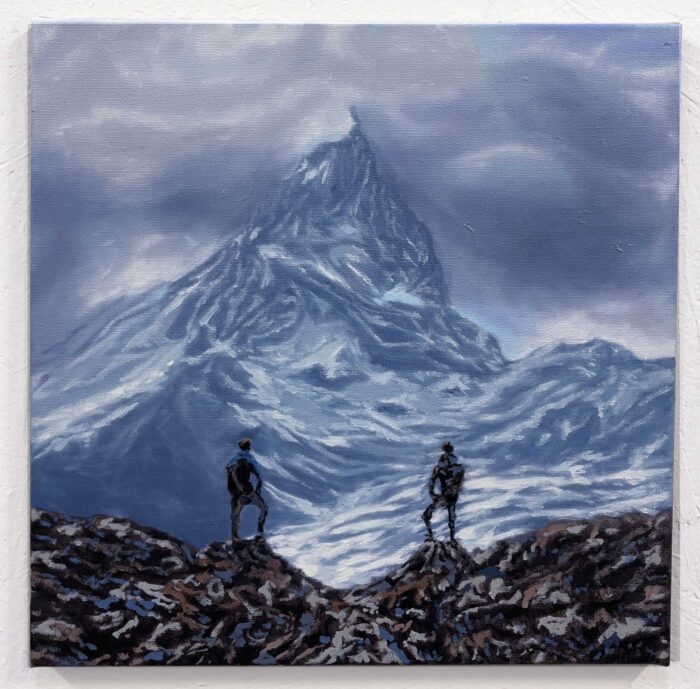
MAN CAVE
Utställningen visas på Sotheby ́s Sturegatan 24 Stockholm 13-23 oktober, öppet dagligen mellan 13-16 eller enligt ök
—————————————————————————————————————————
Curated by Ebba de Faire presenterar en utställning med Viktor Rosdahl (Malmö, född 1980) och Henrik Ekesiöö (Stockholm, född 1983).
Man Cave är en titel med viss ironi, men motiven i konstverken har ganska mycket med den heroiska manligheten att göra. Alltså en idag ganska utskrattad och oönskad manlighet.
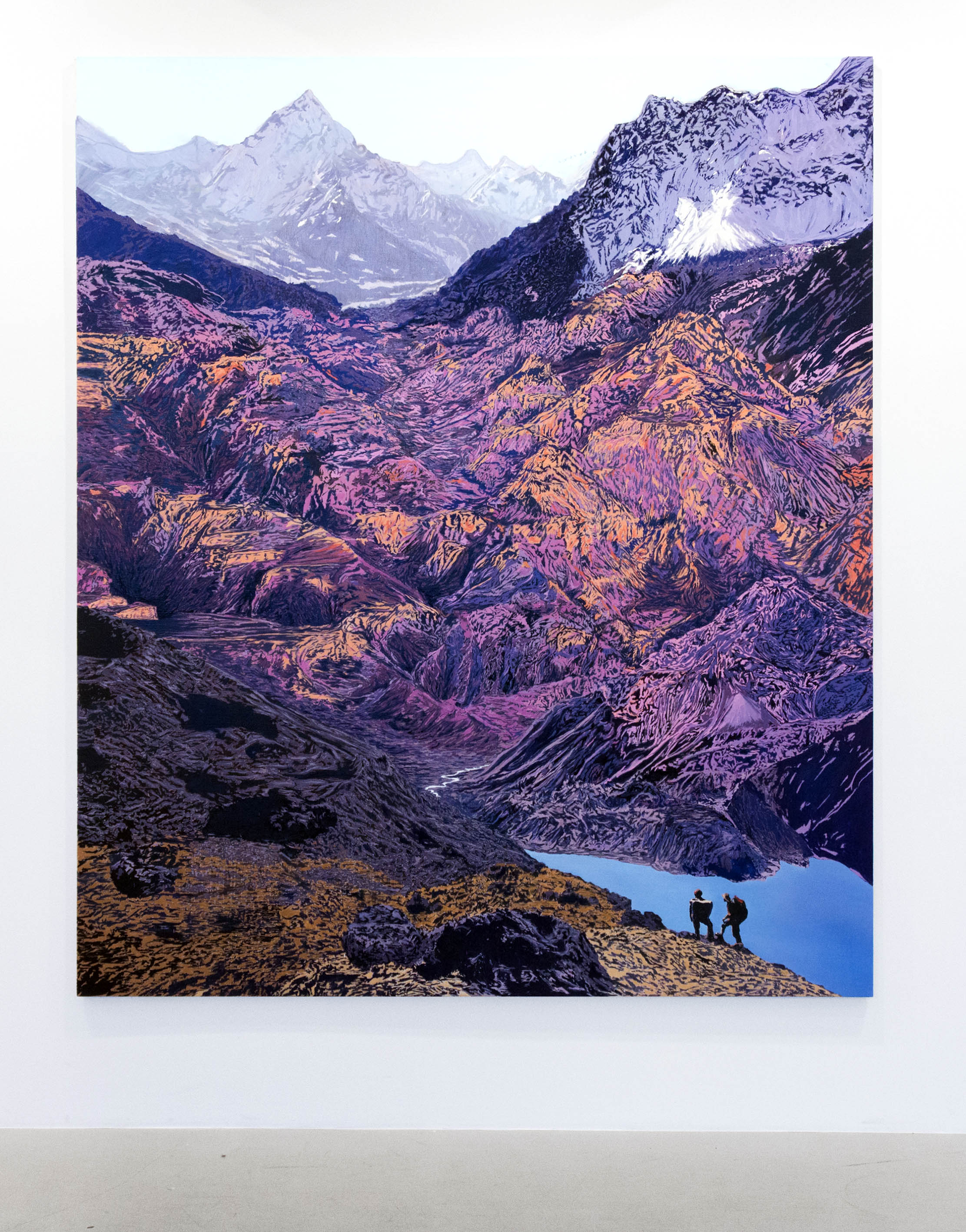
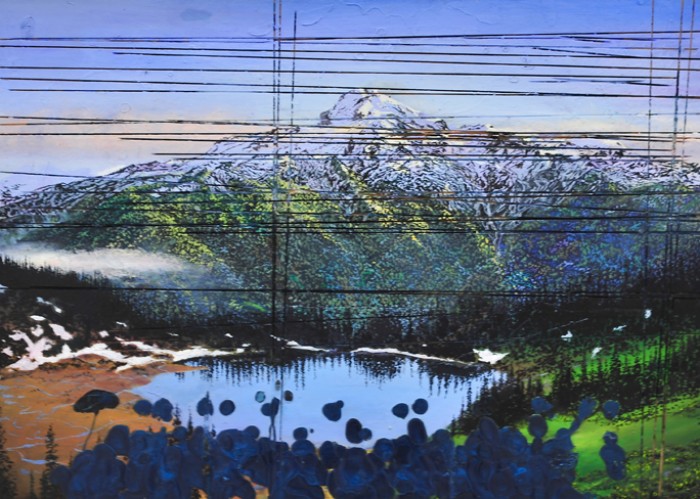
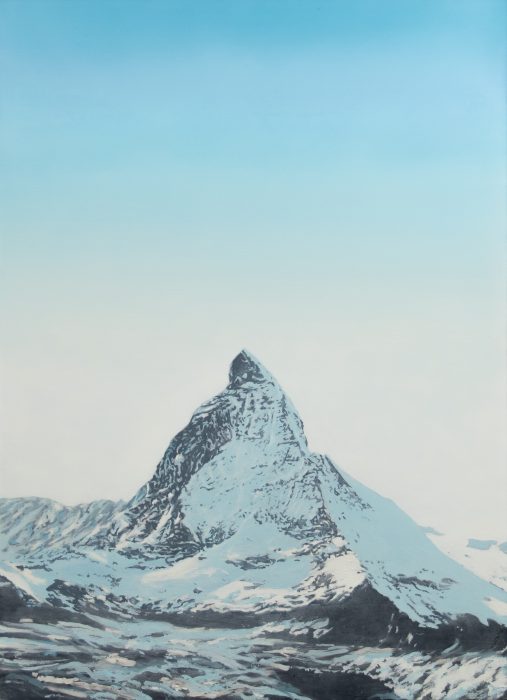
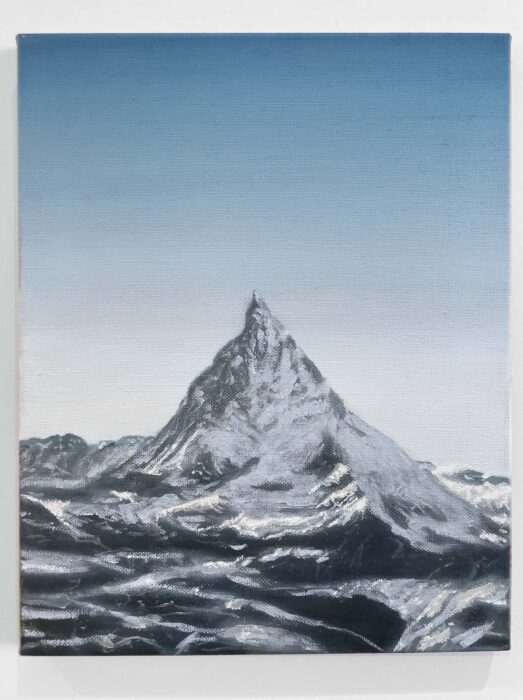
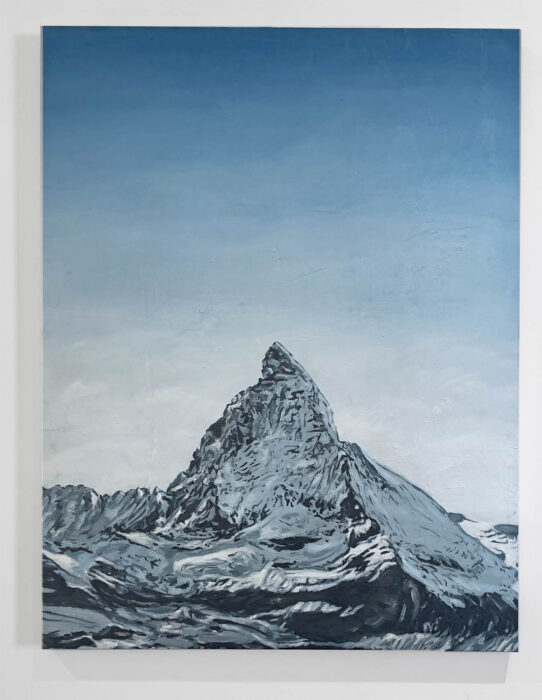
Viktor Rosdahls målningar började med en bild på Zermatt, men kunde ha utgått ifrån vilket berg som helst. Metoden att repetera ett motiv påminner om popkonstens användning av bilder. Berget betraktas här som en populärkulturell artefakt. Men kanske är den mäktiga bergstoppen även en grandios projektion av mod, storslagenhet och maskulinitet?
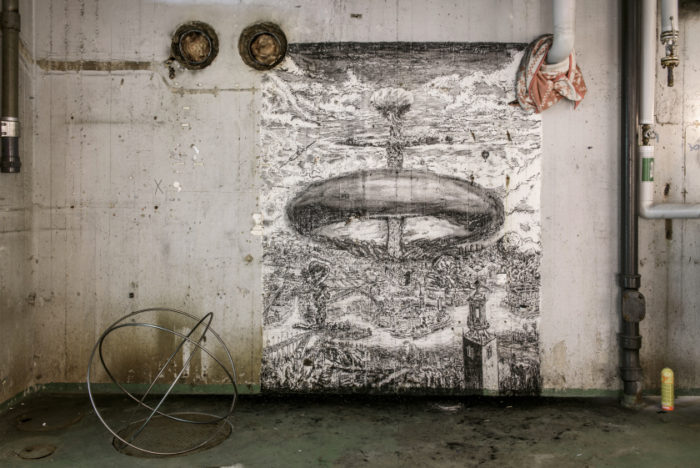
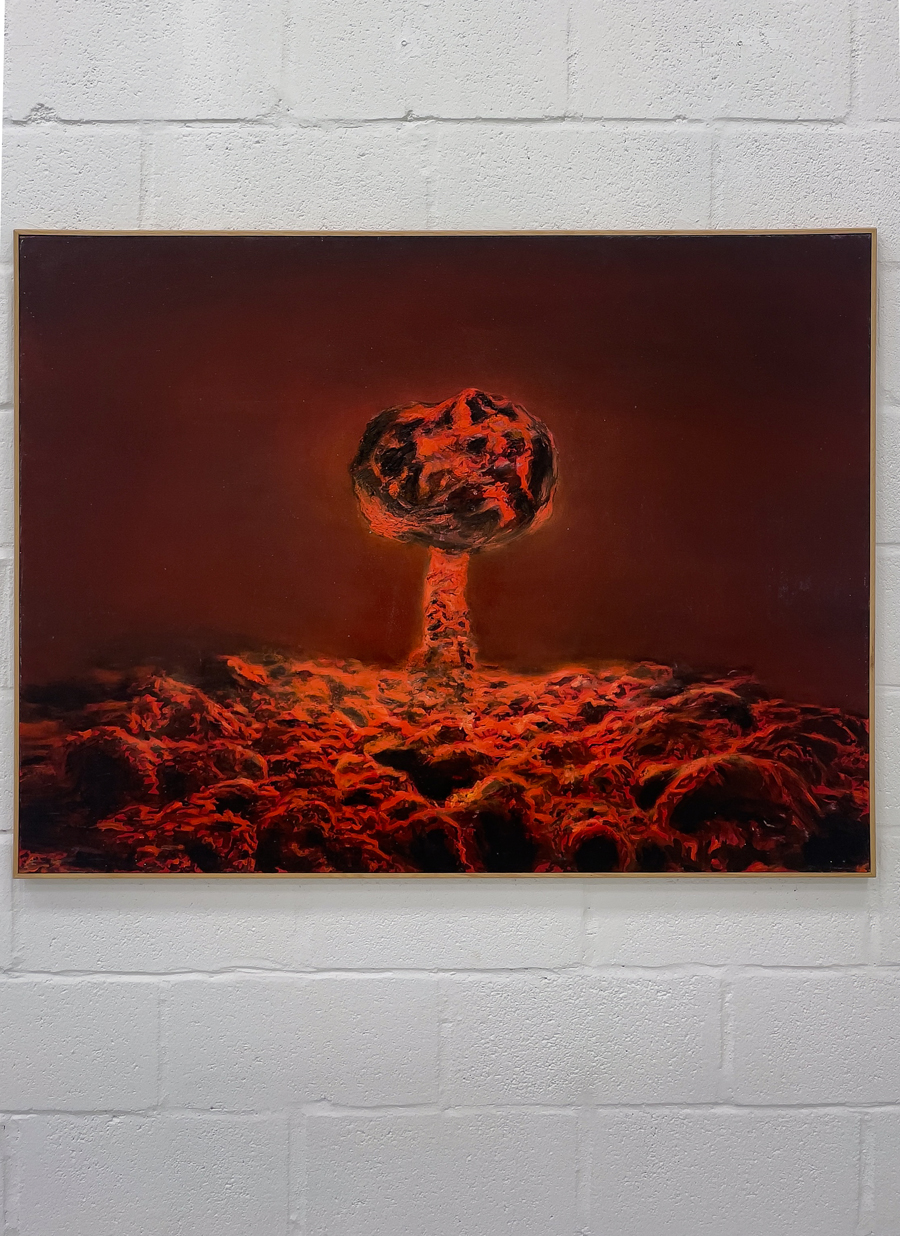
Bruket av referensbilder återkommer i hans andra motiv. Hans fascination för dessa “funna” bilder ligger i det öppna utrymme som finns mellan förmedlade narrativ i bilderna och minnet av något upplevt. En målning av ett svampmoln ifrån ett kärnvapenprov, kan handla om människans förmåga att förgöra sig sig själv, ett kärleksuppbrott eller bådadera.
Henrik Ekesiöös skulpturer i bemålad brons är tredimensionella gestaltningar av ögonblick där allt plötsligt ställs på sin spets. Med en stor dos humor närmar han sig den manliga erfarenhetens smärtpunkter. Vi ser små figurer, för de har storleken av små dockor, i scener där de är som allra mest utlämnade till sin ynkedom och lidande.
Ekesiöö förenar den komplexa processen med bronsgjutning med serietidningens tydliga bildspråk, där allt irrelevant skalas bort. Lite som i Rosdahls fascination vid sitt funna bildmaterial så finns här ett öppet tolkningsutrymme mellan det självupplevda och förklarade.
Curated by Ebba de Faire är en galleriverksamhet specialiserad på samtida svensk och internationell konst och drivs av konstrådgivaren Ebba de Faire.
Curated by Ebba de Faire
curator@ebbadefaire.com +46 705 653 535 ebbadefaire.com
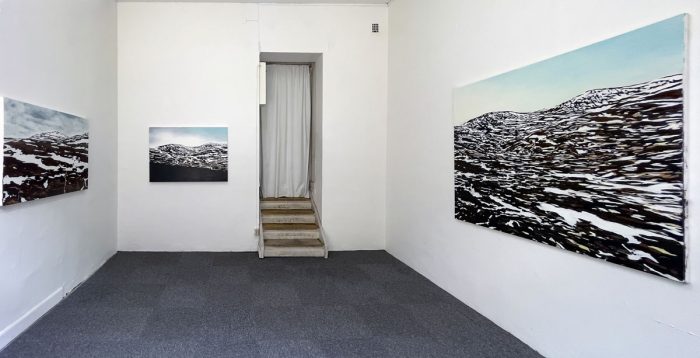
Viktor Rosdahl – Dunkelhet 2022.09.23 – 2022.10.16 Galleri Cora HillebrandDet är med stor glädje att få visa Viktor Rosdahls soloutställning Dunkelhet. Utställningen öppnar med vernissage 23 september 17.00-20.00 och pågår fram till 16 oktober 2022. Viktor Rosdahl f.1980 och verksam i Malmö. Rosdahl tog sin master på Malmö Konsthögskola 2007. Viktor har en gedigen CV och är representerad både i privata och institutioners samlingar runt om i landet. Rosdahl var en av utställarna på CHART Art fair 2022 och kommer ställa ut på Werkshalle Wiesenburg i Berlin nästa år. Rosdahls målningar har länge byggt på en nyfikenhet för olika slags bilder och dess suggestiva inverkan på betraktaren. Bilderna som Viktor oftast drabbas av och som fungerar som referenser i hans målningar är hämtade ifrån nyheterna, internet, historiska bilder, ett äldre bokomslag, en LP skivas konvolut eller från hans egna bildarkiv, med foton tagna mestadels i stadsmiljöer, på bergsvandringar, eller på demonstrationer. På CHART och nu på Galleri Cora Hillebrand visar Viktor Rosdahl målningar på bergslandskap, sett ur ett tänkt framtida perspektiv. Kanske är det med sorg och vemod som någon ser tillbaka på snötäckta toppar när antroprocen har förändrat landskapen, eller efterlevande helt sonika lämnar hela planeten i ett (förhoppningsvis fungerande) Aniara? välkomna! Öppettider: Onsdagar 13.00-16.00 Lör-Sön 12.00-16.00 Adress: Fabriksgatan 48, Göteborg För att boka ett privat besök, frågor eller pressbilder: cora@hillebrand.se 0736-725627 www.corahillebrand.se Tack till Göteborgs stad för projektstöd 2022  Our mailing address is: cora@hillebrand.se |
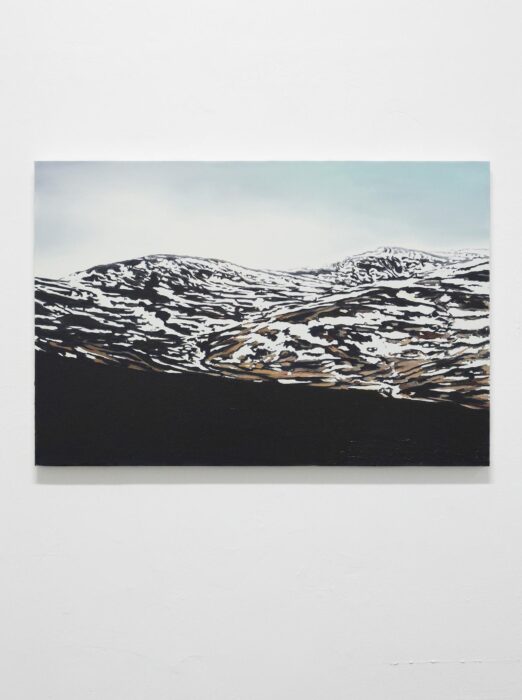
Chart Art Fair
Charlottenborg
Copenhagen
26-28 Aug
with Galleri Cora Hillebrand
Duo presentation together with Julia Selin

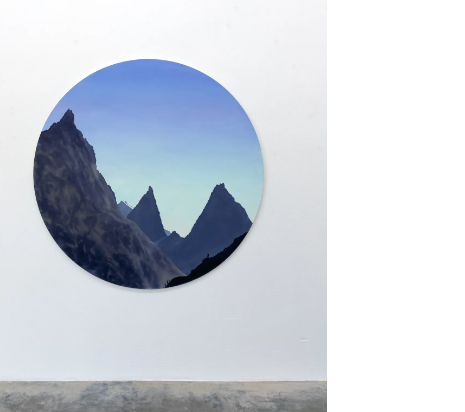
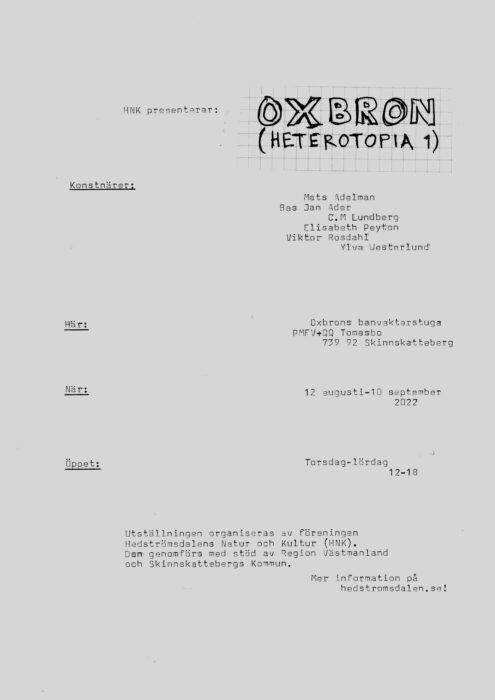
Oxbron (Heterotopia)
August 12 – Sept 10 2022
Opening 12 – 16 pm
Curated by HNK Collective >>
Featuring works by Bas Jan Ader, Mats Adelman, C.M Lundberg, Elisabeth Peyton, Viktor Rosdahl, Ylva Westerlund.
Upcoming shows:
Duo (with Julia Selin) at Chart Art Fair with Galleri Cora Hillebrand, Cph, August. 2022
Heterotopia,
12th Aug – September 10.
Solo at Galleri Cora Hillebrand, Gothenburg Sept, 2022
Fabriksgatan 48
412 51 Göteborg
corahillebrand.se
Duo (with Henrik Ekesiöö) at Curated by Ebba de Faire, Stockholm, Oct. 2022
Solo show at Borstahusens konsthall, Landskrona, Nov-Dec. 2022
Solo show at Berg gallery, Stockholm, 2023
Solo show at Werkhalle Wiesenburg, Berlin, 2023
Solo show at Galleri Ping Pong Malmö 2023
A Swedish Smorgasbord-Christmas Show at Curated by Ebba de Faire
C/o Sotheby´s Sturegatan 24 Stockholm 10-19 Dec.
Invigning den 1:a Oktober kl 15
Ravinen konsthall, konstmuseum & kulturhus
1 oktober 2021 – 23 december 2021
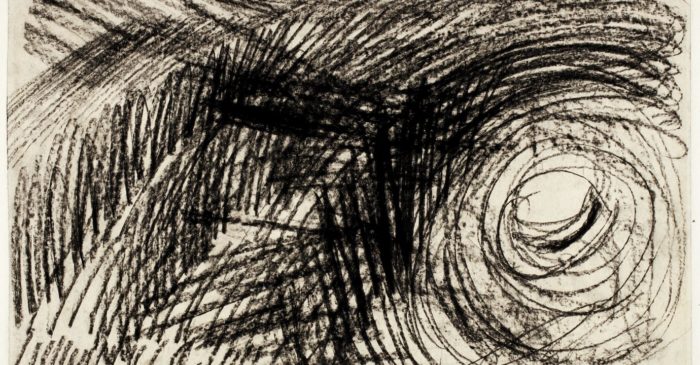
“Jag bor i en annan värld, men du bor ju i samma.” DRÖMMARE SÖDER OM HALLANDSÅSEN
DELTAGANDE KONSTNÄRER
Daniel Fleur, Carl Fredrik Hill, Olav Christopher Jenssen, Gabriel Karlsson, Bruno Knutman, Marcus Matt, Max Ockborn, Nicklas Randau, Viktor Rosdahl, Emelie Sandström, Danilo Stankovic, Thale Vangen, Elisabeth Östin
Gunnar Ekelöfs ord visar utställningens syfte att presentera några centrala konstnärskap verksamma i vår närhet, ”söder om Hallandsåsen”.
Drömmen har varit intimt förknippad med bildmakande så länge vi känner till avbildningar gjorda av människor. I denna utställning blir en kronologisk utgångspunkt drömmaren Carl Fredrik Hills teckningar. De förblir närvarande för den som en gång har sett dem och inte minst för den generation konstnärer som visar sina arbeten i denna utställning.
Samtliga deltagande konstnärer har en intensiv och skapande relation till den inre värld som skapar drömmar. Det innebär inte att de alltid förblir där. Men de har tillgång till den, de rör sig över gränsen, återkommer, försvinner, kommer tillbaka. Denna inre värld är för dem en omistlig del av den skapande impulsen.
Gertrud Sandqvist
Curator
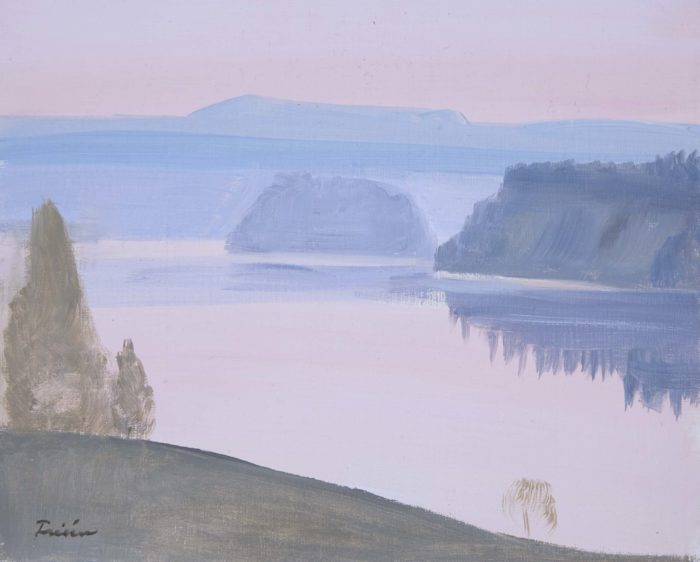
Contributed with a text to the opening of an exhibition and a book about Vera Frisén at Sturegatan 24
c/o Sothebys
curated by
Ebba de Faire and Joakim Ödlund.
Open 17-29 November 2020
Read it here (swedish only):
Viktor Rosdahl
Konstnär
Under myrar och ovanför åsar
Det hör till i sådana här texter att samlikna konstnären som det skrivs om med annan konst, exempelvis generationskamrater, eller konstnärer med liknande motiv. Jag skulle kunna tänka på Helmer Osslunds glödande mark, fast här är det kalixhimlen och dess spegling i sjön som är i brand, på Eve Erikssons känsliga maskulina porträtt, Gunnar Widforss ökenseglatser, eller för all del tidiga Karin Mamma Anderssons gestalter ur daggvåta myrar. Det ogenomträngliga som stannar kvar i oss och har överlevt. Det som retar eller talar till något inom oss som vi upplevt men inte kan sätta fingret på.
Vera Friséns landskap är mättade och stilla. Ödsliga kanske.
Varför har hon målat dem?
Frågan känns i det närmaste plump.
Jag läser det som att hon varit drabbad av naturens skönhet och skiftningar. Det är små format. Ofta har hon krupit på alla fyra. Jag föreställer mig känslan av vått gräs, ibland torrt som sticker mot låren genom byxorna. På magen låg Vera Frisén och blickade ut och målade. Motiven i målningarna är ofta återkommande, men ur olika ljus och från en liten annan synvinkel.
Det är så anspråkslöst att jag direkt tappar garden.
Målningarna har överlevt och kan visas på detta sätt för att de länge varit samlade inom släkten.
Att få se dem samlade i en soloutställning lämnar en stillsam vacker efterklang av vad som kanske kan vara något ogripbart.
I Vera Friséns bortvändhet, finner jag stor harmoni och förståelse, något som kan liknas vid den sinnesro som skänks oss av naturen. Så litet och stort på samma gång. Våra möten, all kommunikation, allt vi tar oss för, så fjuttigt jämfört med allt det oändligt stora som vi upplever inuti oss, själva och liggandes på mage spanandes ut över en sjö och en ås.
Färgen i landskapen är ofta applicerad i mättade lager. Det antyder något. Som att hon var mer slösande. Mer fri. Mer i nuet. Mer obrydd kanske, eller var hon högst medveten om det och ville göra motstånd? Mot ett annat tidstypiskt, torrt och sparsamt reducerat måleri? Vått i vått tecknar sig tallarnas trädkronor mot en mjuk norrlandsguldig himmel. De känns överraskande fräscha och mer likt hur många av oss målar idag. Eller bara svåra att tidsbestämma.
Det generösa i det måleriska är också på ett annat plan, att hon litar på oss och sig själv som målare. På att hennes upplevelse finns gestaltad där att se och ta del av. Utan tillägg. Utan uppdiktande. Varför ville hon ej dela med sig av detta? Kanske var det bättre såhär. Kanske är det hon som visar oss vägen. Ett rikt liv, ett givande liv, ett liv fyllt av upplevelser och studier, men som man bara helt Thåströmskt inte delar med sig av. Ett tillbakadraget liv, fast fyllt med pukor och trumpeter, mellan ögat, hjärnan och penseln.
I ackompanjemang med landskapsmålningarna över fjäll och myrar finns en serie gåtfulla porträtt av hennes vän Evas syster Ann-Marie Rundlöf. Ögonen blickar mot mig intensivt. Kulören är mer dämpad och återhållsam. I kontrast mot vad som framträder som en vital och egensinnig person.
Det verkar finnas något ömt och milt över dessa målningar, samtidigt något annat; en blandning av kärleksfull, kamratlig intimitet och förtroende, för vill hon ens bli avmålad?
Vilket slags rum öppnar upp sig framför oss?
Jag hör avlägset kaffekoppsskrammel och dämpat skratt. Något genant och uppriktigt. Som möter konstnärens kyliga och avskalande seende. Som från en annan värld har hon kommit hit och återkommande besökt denna person, sett något där och som en hemlighet som bara hon kan förstå, låter hon oss glimta in i något av vad hon ser genom sina ögon. Men vad döljer sig i fascinationen inför subjektet? Genom åren kan ett sådant utmejslat porträtt stirra på en från väggen. Men de här har inte samma uppfordrande blick som hos en äldre potentat, utan en annan, som påminner oss om våra svagheter, våra drömmar, livliga animerade stunder.
Vårt ibland högljudda skratt ibland vänner och familj, vår älskandes kind i gryningen.
.
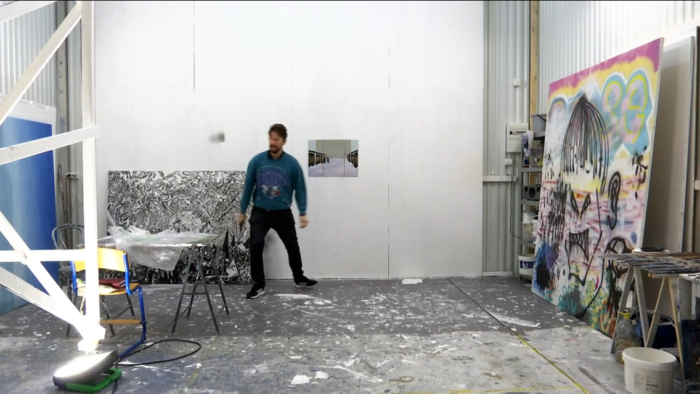
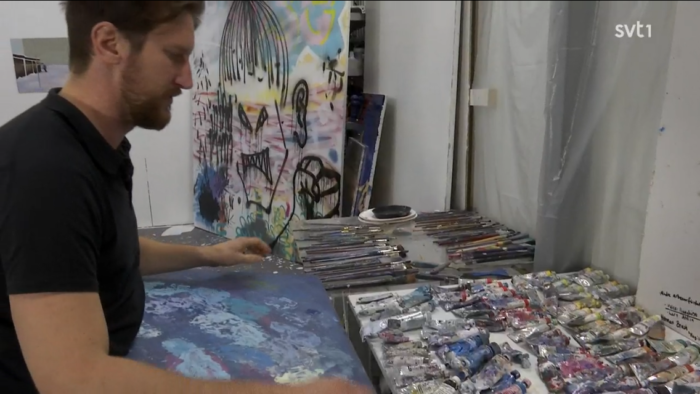
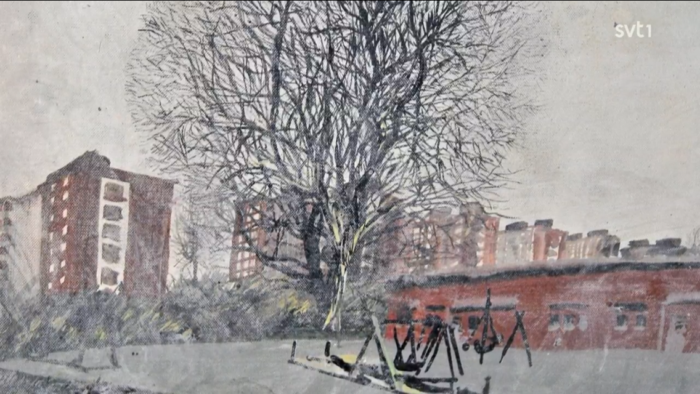
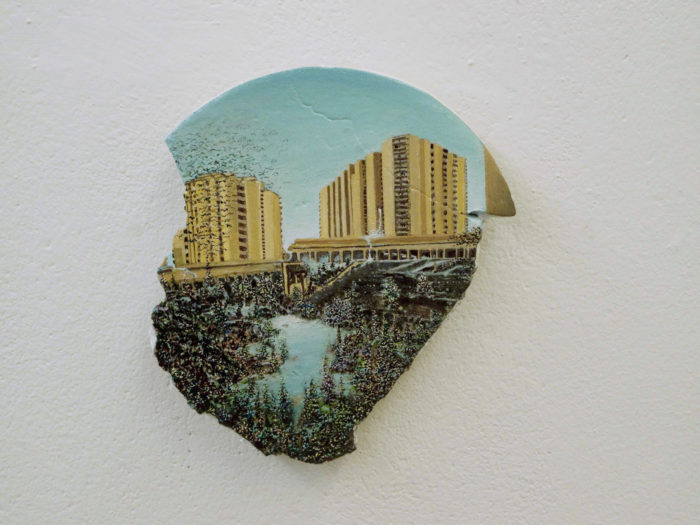
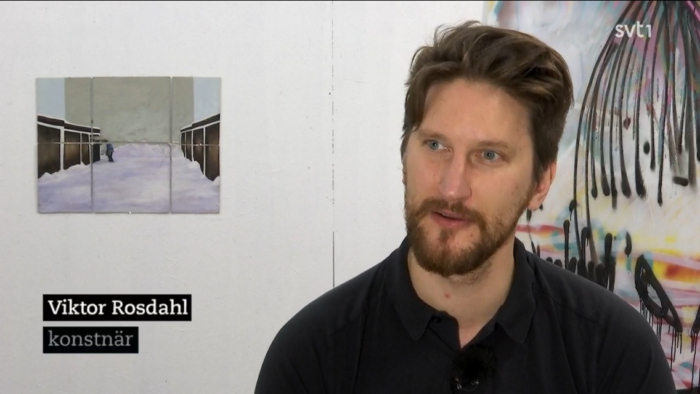
Medverkar med konst och intervju i ett reportage av Amina Adelai om miljonprogrammet>>
https://www.svt.se/nyheter/lokalt/helsingborg/han-gor-konst-av-miljonprogrammet

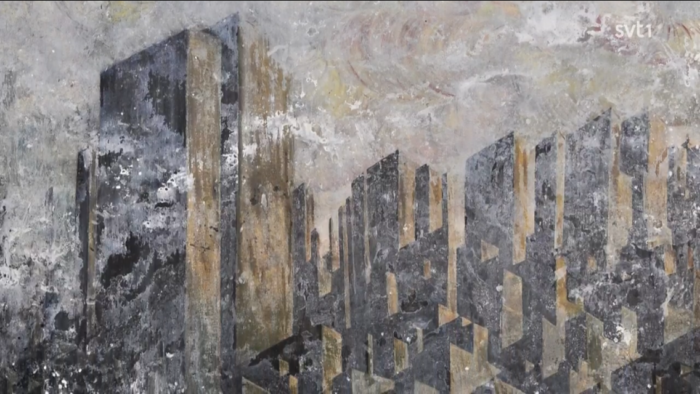
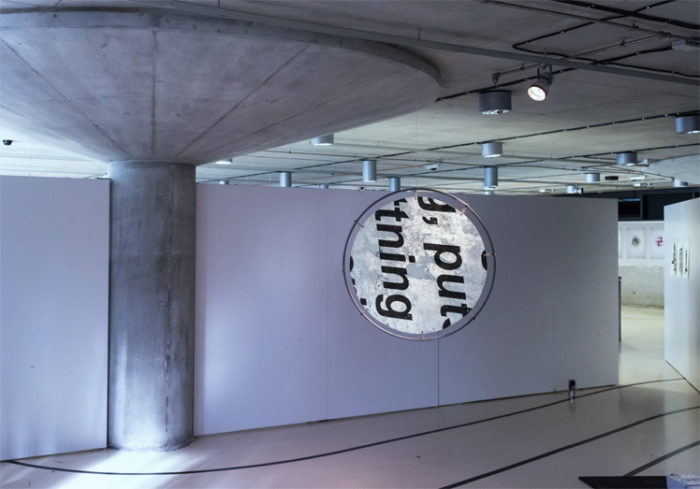
Kosmisk kastrering, Knäcka Ryssen, Ta tjecken på fall
NTK Gallery
Praha, Česká republika
July 23 to August 25
Togeheter with Sandra Isacsson, Marha Leena Sillanpää, Gunnel Boman, Ulla Wiggen, Kanslibyrån, Malin Nordin, Per Stenborg, Christer Chytraeus, Susanna Hesselberg, Mark Frygell, Leif Elggren, Henrik Ekesiöö, Mikael Goralski, Joakim Forsgren and many more.
Curated by: Henrik Ekesiöö, Mikael Goralski, Joakim Forsgren and Alexander Peroutka
–
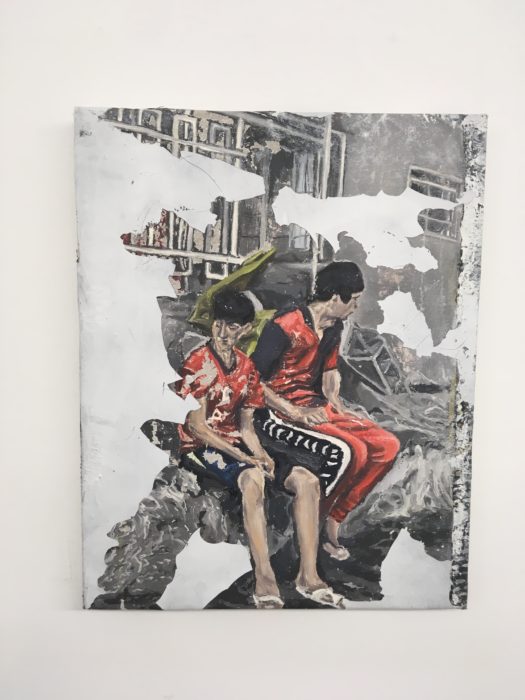
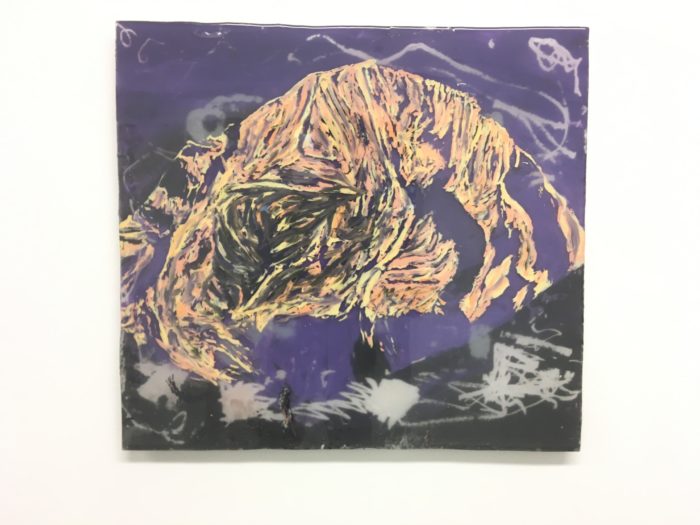
Opening a new solo show New Dawn for An Old Sun, the 11th of May in Gothenburg, split opening with Jamila Drott Let it Go
Götabergsgatan 32, Gothenburg, Sweden
OPENING HOURS
TUESDAY – THURSDAY
12:00 – 18:00
FRIDAY – SATURDAY
12:00 – 16:00
SUNDAY
12:00 – 15:00
Show runs through June 2nd.
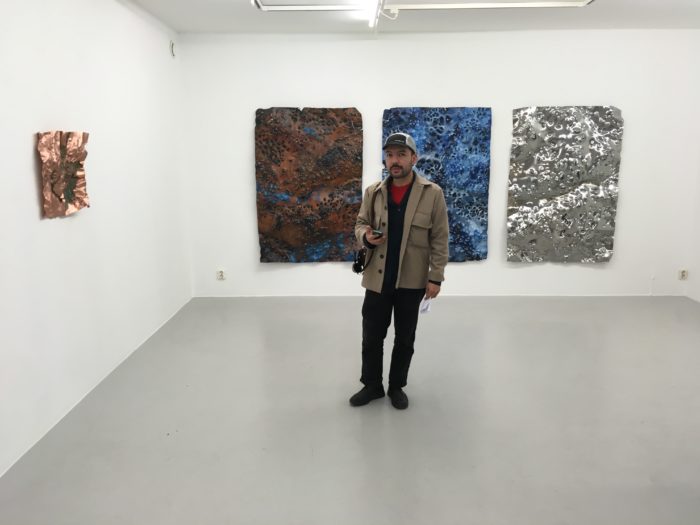
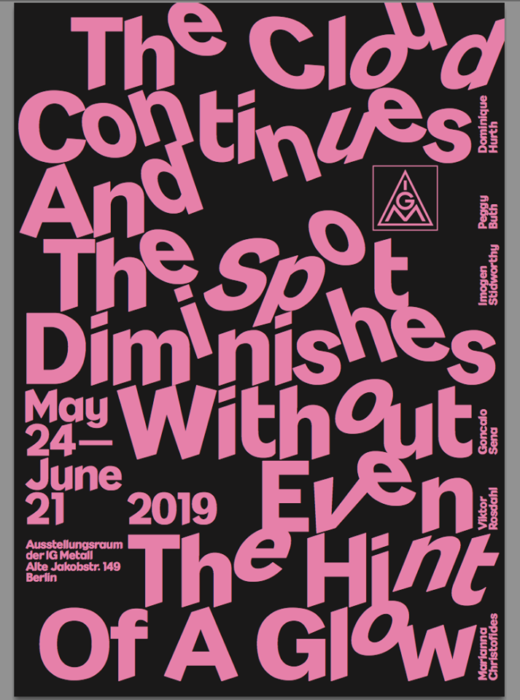
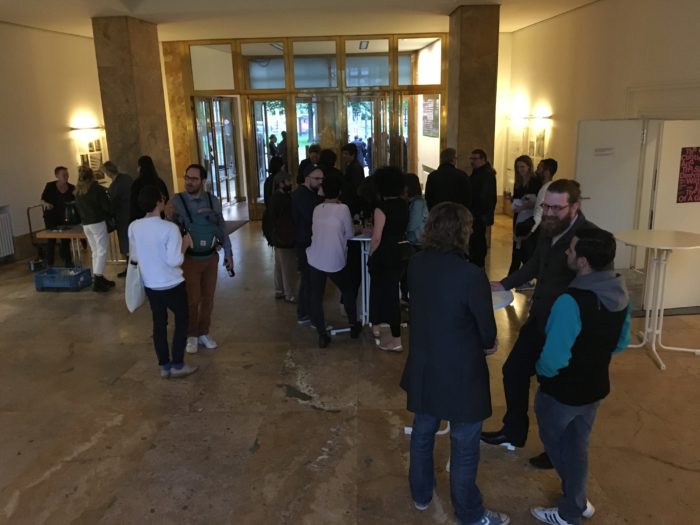
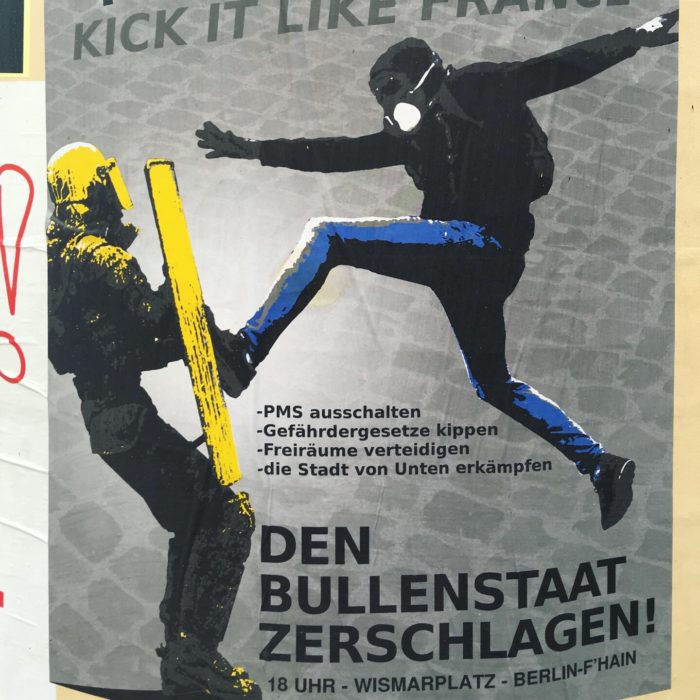
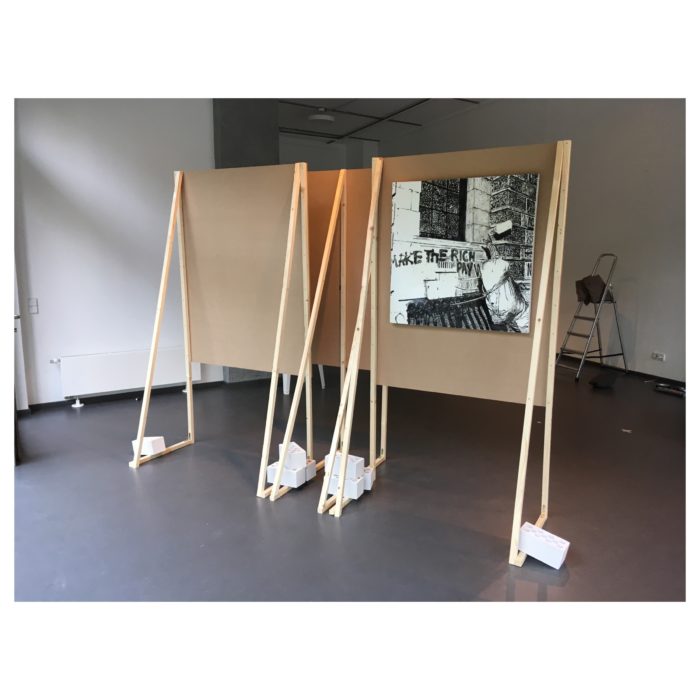
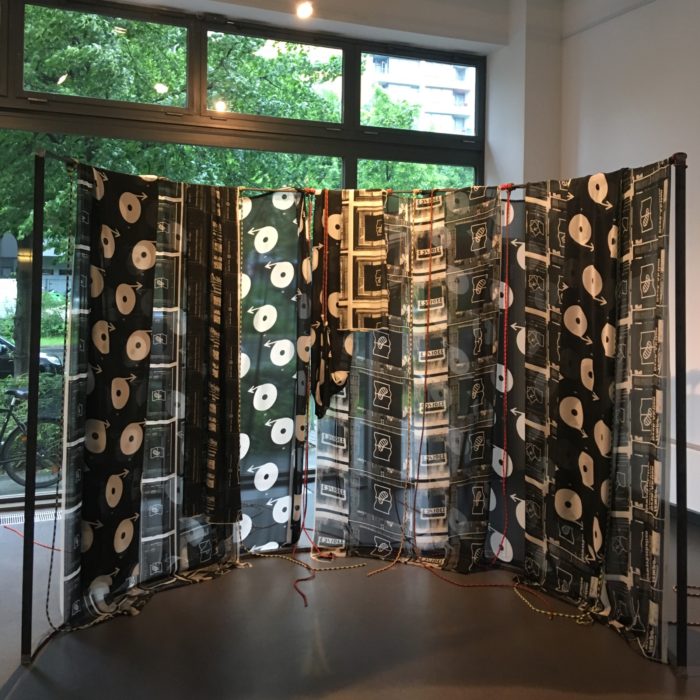
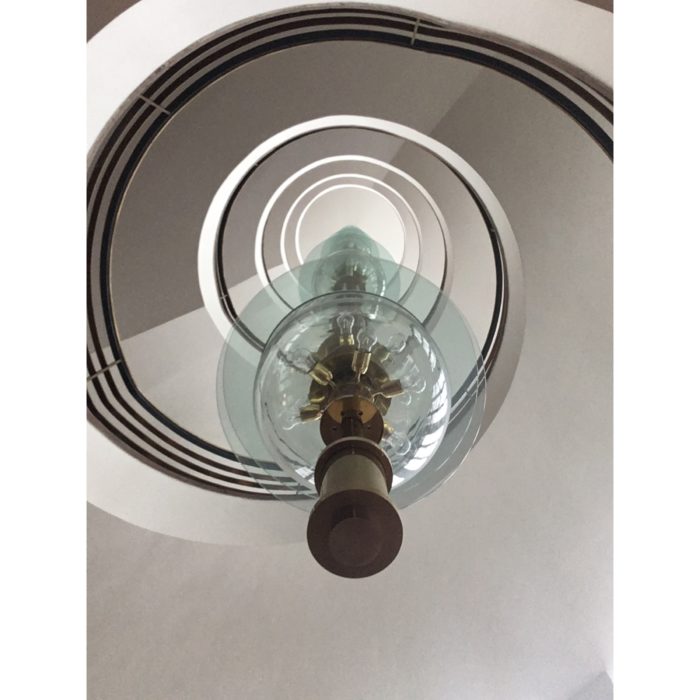
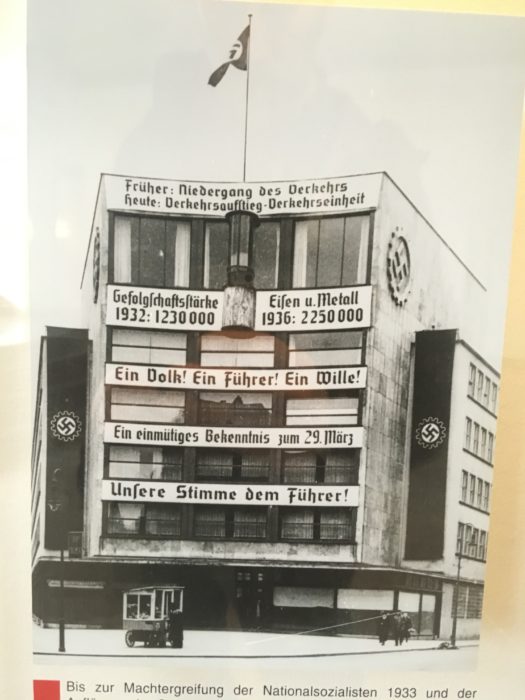
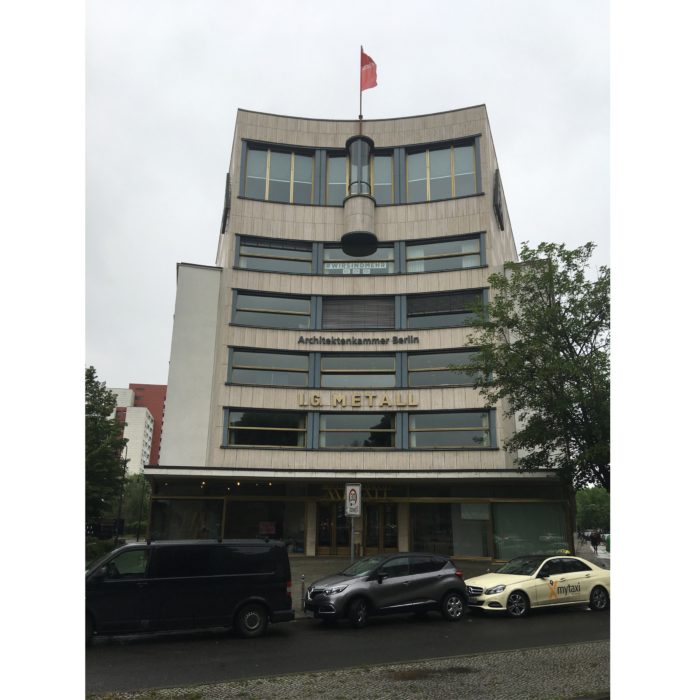
Ausstellungsraum der IG Metall
Alte Jakobstraße 149, 10969 Berlin, Germany
May 24 to June 21
Togehter with:
PeggyButh, Marianna Christofides, Dominique Hurth,
Gonçalo Sena, Imogen Stidworthy
Curated by Dominique Hurth
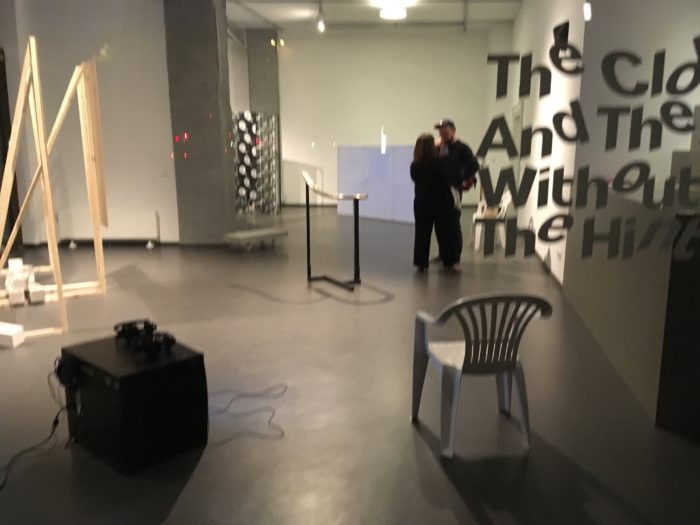
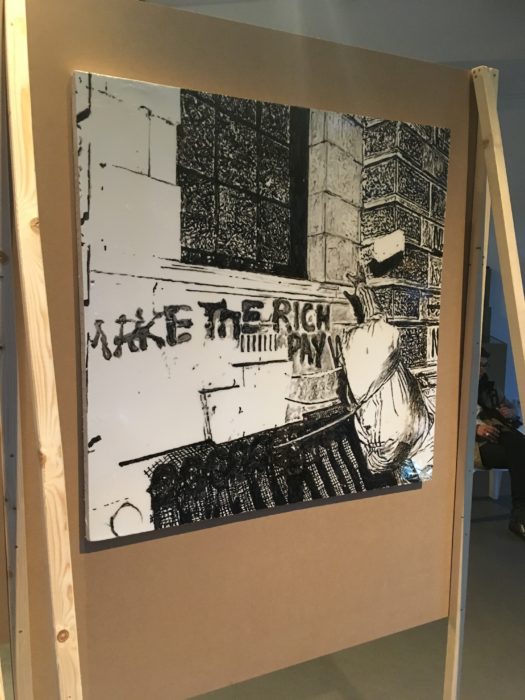
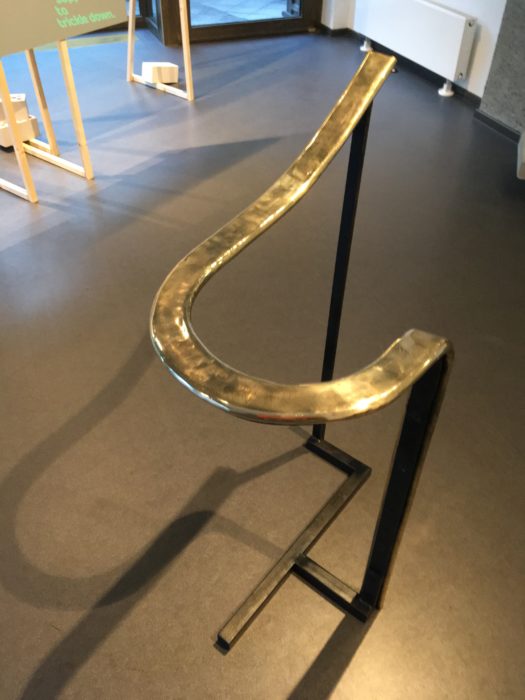
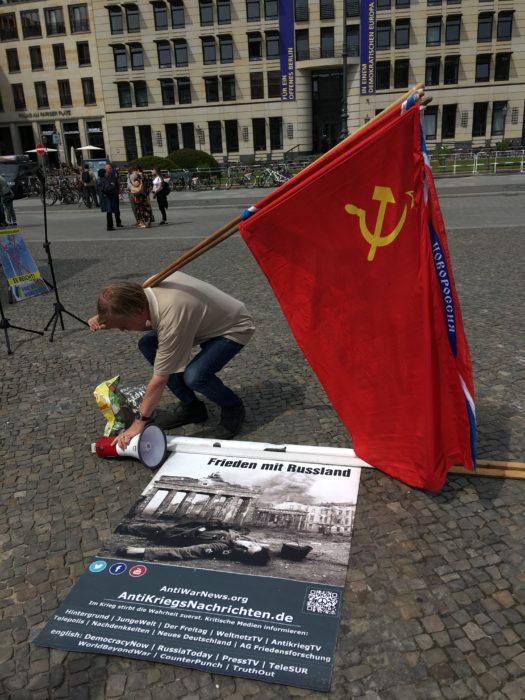
–
Review of the show at Ljungbergmuséet by Sara Arvidsson in Jönköpingsposten 18/1 2019
(in swedish)
Review of the show at Ljungberg museum by Arne Johansson, Smålandsposten,181209
(in swedish)
Upcoming shows:
Solo show at Ljungberg muséet Dec-Feb 2018-2019
Group show at Ystad konstmuséum Feb- April 2019
Galleri Thomassen May 2019 solo
Galleri Thomas Wallner 2020 solo
A text about the exhibition at the konsthall and museum in Bollnäs, by Niels Hebert at omkonst.com, to read his writing (in swedish) >>
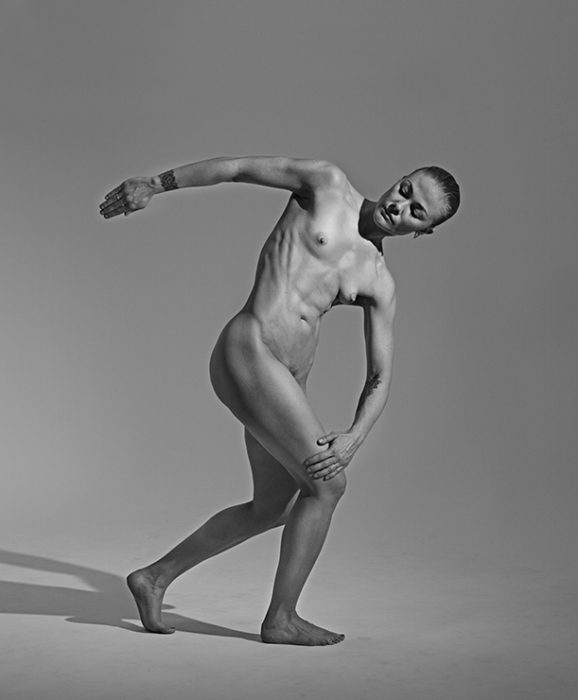
The Encounter of Bodies
Opening Sept 23rd 12- 16 pm
Exhibition runs through Nov 12th.
The participating artists of the show are: Maiken Bent, Ester Martin Bergsmark, Lea Guldditte Hestelund, Preben Holst, Stine Marie Jacobsen, Åsa Jungnelius, Hanna Sjöstrand, Samaneh Reyhani and Viktor Rosdahl.
Venue:
Ystad Konstmuseum
S:t Knuts Torg
271 80 Ystad
Sweden
Tue- Fri: 12.00-17.00
Sat-Sun: 12.00-16.00
SECONDHAND DAYLIGHT Kosmisk Kastrering 6 Kummelholmen (group)
Galleri Ping Pong, oktober 2017 solo
Ystad Konstmuseum, september 2017 (group)
Bollnäs konstmuseum, november 2017 solo
Om döden (bok av Ragnar Persson och Daniel Söderberg, Orosdi Back) 2017
New interview in Artlover, order it at >>
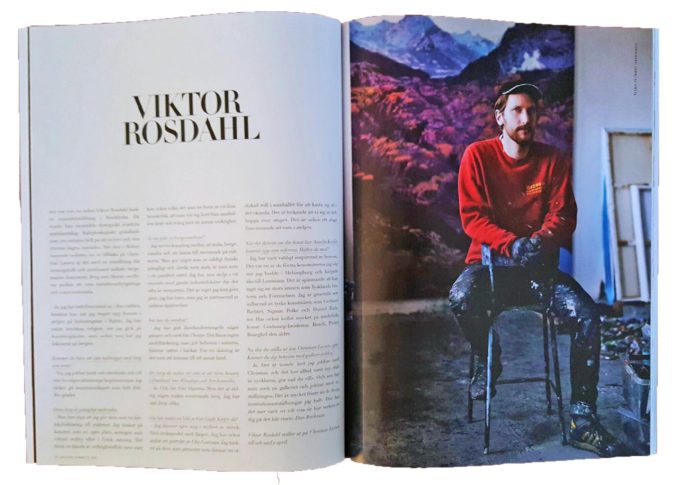
Review in Sydsvenskan by Carolina Söderholm (svenska) >>
Interview at konsten.net (svenska) >>
A Collaboration between painters, initiated by Lena Johansson taking place with a group show and two day seminar at Moderna Muséet Malmö
March 11 to 13 >>
Ytterstad
Julia Bondesson, Andreas Eriksson, Goldin & Senneby, Steinar Haga Kristensen, Viktor Rosdahl,
Helena Lund-Ek, Eirik Sæther, Emanuel Röhss, Maria von Hausswolff
Opening: August 27th, 5-8 pm
Exhibition period ends: September, 26th
Gallery opening hours:
Wednesday – Friday 12-5.30 pm, Saturday 12-4 pm
HOTELS at LOYAL Gallery
ZOE BARCZA, MAGNI BORGEHED, BRIAN DEGRAW, SAMARA GOLDEN,
MATT NICHOLS, VIKTOR ROSDAHL, PETER SUTHERLAND
April 25–May 30
Kammakargatan 68 Sthlm
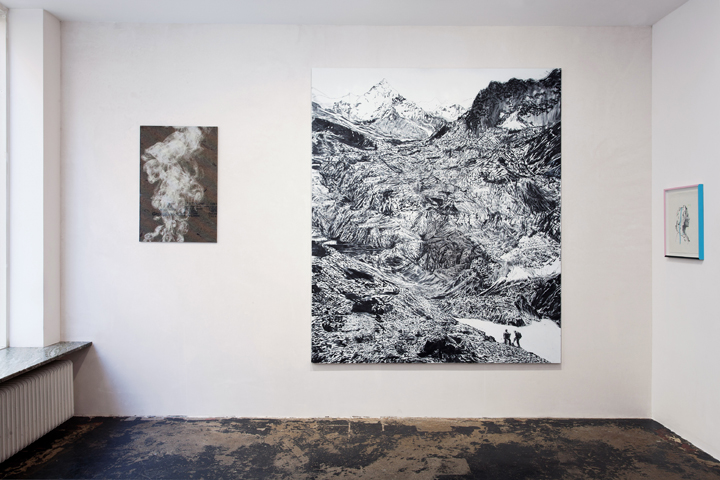
At the Crack of Dawn
Tony Matelli, Gavin Turk, Nicola Samori, Viktor Rosdahl, Ditte Ejlerskov & Asger Dybvad Larsen
April 10 – May 23 2015
Join us for the opening reception Friday April 10 from 17-19
LARMgalleri
Bredgade 73
København
Maria Lind in Artreview
Magnus Bons in konstperspektiv, april edition *
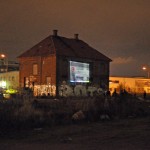
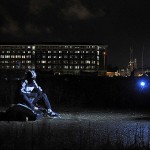
Cosmic Castration part II – A Night On Factory Street.
a one-night-only action in public space.
Taking place during midnight on an abonded industrial ground called “ödetomten”>>
Co-curaters: Joakim Forsgren and Mikael Goralski >>
top left:video screening with (amongst others) Mattias Bäcklin & Nug, Gustav Wiklund.
top right: Petr Davydtchenko during his performance “The Dying Breed”.
Bottom left: Karin Hasselberg during her performance and site specific sculptural reflection.
Bottom right: Klas Eriksson launched a performance that erupted once in a while during the night.
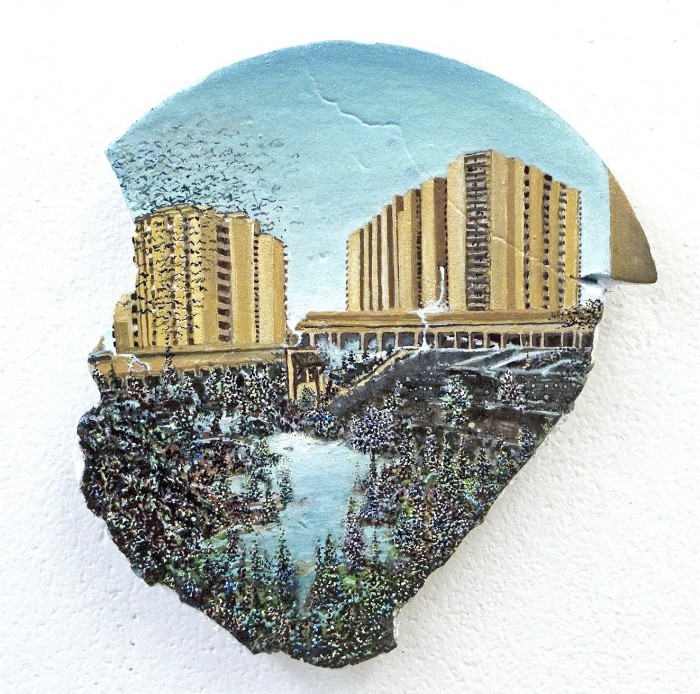
Tensta Museum: Reports from New Sweden.
Opens on Saturday the 26th of October,
Tensta konsthall,
curated by Maria Lind
Last week of group show in Malmö @ Galleri Ping Pong >>
Outskirts
Christian Larsen Gallery
opens on Thursday the 22nd of August through 28th of September, 2013
I wanna hold yor hand, Borås konstmuseum 20/4 - 29/9 Curated by Ola Åstrand 2013 >>
Year, book by komplot, Belgium >>
Det enda som håller,Göteborgs konsthall, 1/3-21/4 2013
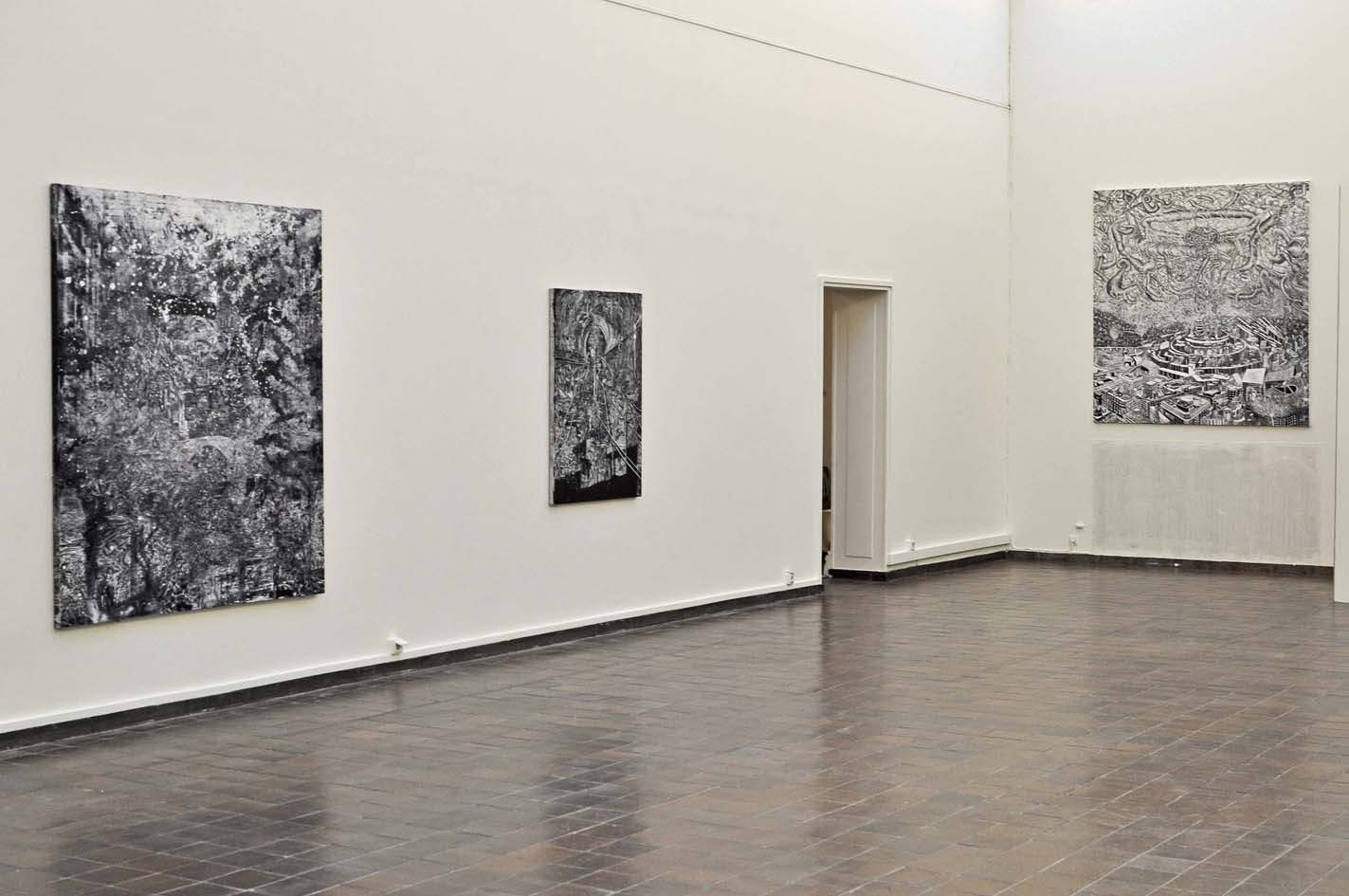
>> with Lucas Rahn & Elin Behrens
curated by Mikael Nanfeldt
The Armory Show Nordic Focus,with Christian Larsen Gallery (se) and Dortmund Bodega (no).
and article by Clemens Altgård in issue 7 of Swedish magazine 10tal >>
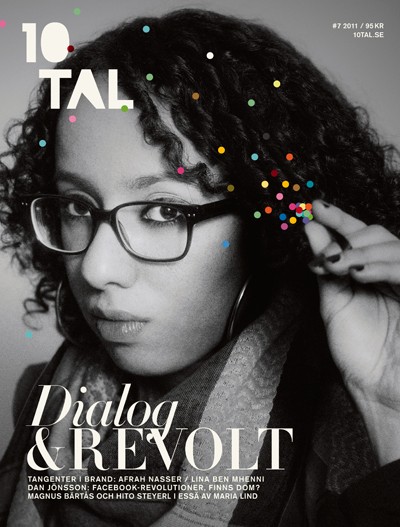
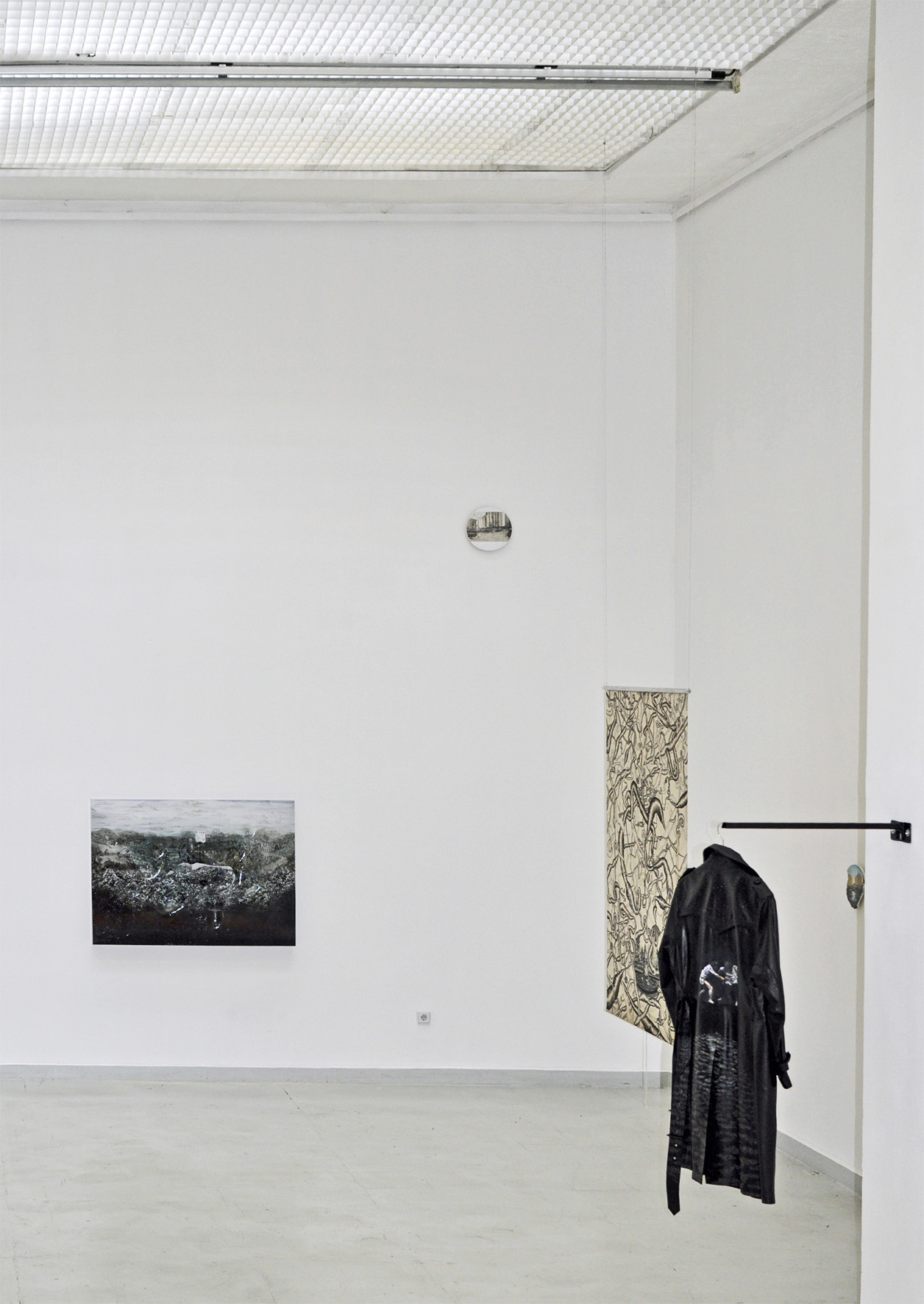
Gothenburg Biennial 2011,Pandemonium-art in a time of creativity fever. Sep 10 - Nov 13,
Curators: Sarat Maharaj, Gertrud Sandqvist, Dorothee Albrecht och Stina Edblom.
>>
Opening 18th of November: In Darkness,The Embrace of the Streets
18th Nov-20 Dec 2010
Christian Larsen Gallery, 2010 (solo)
>>
False recognition at CAC Vilnius
2010.VI.18 – VIII.15
Curators: Anders Kreuger, Evaldas Stankevičius
Represented by Berg Gallery


info X berggallery (.) se


viktorrosdahl X  hotmail ( . ) com


Scroll down for text by Gertrud Sandqvist, Thomas Millroth, Cecilia Widenheim and last by myself.


Solo show at Berg Gallery:
>>
CV
The art of Viktor Rosdahl comes to life in the interface between the power of imagination a and reflective imaging. His perspective are that of the dreamer, the creating man, lacerated by the unforgiving and unforgivable world. This gaze, he shares with poets sucha as Dan Andersson, Lars Ahlin, or Erik Johansson whoes novel “The Factory Man”
meant a deliverance when he read it during th early 2000:s. The book is a celebration to the imagination but also a terrible story about the factory’s means of dehumanize human beings.
Rosdahls wrath and alienation towards the world receives its counterpoint in his images from the landscapes of dreams and this world.
These Alps consists that which Walter Benjamin called aura.
”The concept of aura which was proposed above with reference to historical objects may usefully be illustrated with reference to the aura of natural ones. We define the aura of the latter as the unique phenomenon of a distance, however close it may be. If, while resting on a summer afternoon, you follow with your eyes a mountain range on the horizon or a branch which casts its shadow over you, you experience the aura of those mountains, of that branch.”
Benjamin was a dreamer and a marxist. He did not see this as a contradiction but rather as an assumption to comprehend the horrors and fragility of life. In a letter to a good friend he pointerd out that he wrote with his left asweel as his right hand.
Rosdahl has similar claims. The insights from the dream can be used in how we approach and look upon the world. Even the world can be changes. Even the most eager revolutionary must dream.
Gertrud Sandqvist 2021
Translated by the artist
Text av Thomas Millroth november 2020:
Visst är bergsmassiv vilsamma vyer genom sin stillsamma väldighet. Inte konstigt att de spritts i mängder som populära oljetryck under 1900-talet. Statiska, stillastående, oåtkomliga, ungefär som Gud. Men själva motivet kan tvärtom vara något helt annat. Det är som alltid en fråga om blick och blick. Då Viktor Rosdahl målar Mont Blanc-massivet vibrerar duken av ljus. Det smärtar i ögonen på ett sätt som inte riktigt rimmar med det vilsamma, meditativa. Arketypen i genren gjordes på 1840-talet av fransmannen Théodore Rousseau. Då han målade Mont Blanc var det en trakt dit han flytt från den framväxande industrialismens och kapitalismens råhet. Och då vi ser verket i dag gäller det att hålla blicken på det som liknar orörd idyll, för den var sannerligen hotad då. Inte undra på att Rousseau gärna fäste sig vid olika träds personligheter. Det var sista resten av den europeiska urskogen, som han upplevde. Idag är Mont Blanc-bilden något mycket mer än ett överlägset måleri; här upplever vi de sista årtiondena av en uråldrig vildmark på väg att skövlas. Men inte är det väl detta Rosdahl skildrar?
Naturligtvis inte exakt, men våldet lurar under ytan. Eftersom just samma motiv av Rosdahl – ”Landskap med revor” – är omslag till nobelpristagaren Louise Glücks ”Averno” (Rámus, 2017) passar det ovanligt bra att citera ur hennes bok:
Sommar efter sommar har tagit slut
balsam efter våld:
det hjälper mig inte
att hjälpa mig nu;
våldet har förändrat mig.
Gryning. De låga kullarna lyser
ockra och eld, till och med fälten lyser.
Jag vet vad jag ser; som kunde vara
augustisolen, återbördar
allt som togs bort –
Landskapet talar om förlust – en parallell till allt det våld som också är dess bakgrund – eller underjord om ni så vill.
Till saken hör att antikens mytologi hjälper oss att förstå den här dialektiken mellan skönhet och förödelse. Berget Averno – både i Glücks och Rosdahls varianter – är ju nedgången till Hades, underjorden.
Rosdahls sårighet får mig att tänka på Peter Weiss, som med personlig frenesi rev upp Europas historia i skådespel och böcker. Som målare gestaltade han på 1930-talet ett helvetiskt myller av flykt, fascism och krig. Splittren från världen skar in i jaget med samma kraft som hos Rosdahl. Mycket försvinner i kaos, men frågorna är kvar. Weiss skrev i Diagnos: ”Ett enda ögonblick såg jag det dunkla mönstret i dessa spår.”
Som sagt, under ytan rör sig våldets krafter. Och just den artificiella ytan har Rosdahl gärna betonat med blanklack. Eller skruvat åt med svartvita visioner. Men det är viktigt att komma ihåg att detta inte har något med förgängelse att göra: här finns en tydlig radikal linje. Till exempel Weiss trilogi ”Motståndets estetik” där det förflutna är motgift till samtidens blanka ogenomträngliga yta. Han sökte efter outlösta krafter. Ungefär så ser jag Rosdahls vyer.
De låter sig knappast sammanfattas som en stil (realism till exempel). Rosdahl väljer efter tillfälle olika uttryckssätt, ibland i samma målning.
Språnget från kaotisk gatukamp till svindlande natur kan verka abrupt. Men i min fantasi går det att binda samman de båda ytterligheterna. Tänk om det är just de där upptäcktsresandena, bergsklättrarna och naturerörvrarna som också lagt beslag på mer än vandringslederna. Då ser vi ju två sidor av samma kaotiska gatukamp och desperata utbrott. Känslan av hot dröjer kvar. Laddningen i landskapen är stor och motsägelsefull för den som tar sig den nödvändiga tiden att genomströva målningarna. Brinnande bildäck kan verka mer dramatiska än snövidder. Men där bedrar vi oss. En ekonomisk, samhällelig, politisk rörelse skapar otåliga vibrationer i tillvaron. Ungefär som att en vulkans krater förmår mer än att vara ett pittoreskt motiv. Tystnaden är så väldig att den känns som ett snapshot av sekunderna efter slutet. I Rosdahls alltmer varierade berättelser finns betydelser i de minsta detaljerna. Och så måste det ju vara. I ”Porträtt av en vulkan” har han målat marken med korta, torra penselstråk, som skaver i ögonen så det känns som att gå på vassa lavastenar. I ”Vår kultur” dyker ett par turister upp, som han lånat från en målning av Dick Bengtsson. De två överrumplas här av meningslösheter, aggressiv musik, organiska former och auktoritära tankesystem. Litet generade över upplevelsen sänker de blicken och behåller hattarna på. Det verkar säkrast så. En del av svensk konsthistoria från en ovanligt frihetlig och fruktbar period ekar i Rosdahls målningar. Det är inte en tillfällighet.
Det är något så enkelt som visioner och utopier som lockar. Då vi numera vant oss vid dagsrapporter och konsten liksom gärna ska sammanfalla med det vi för tillfället kallar verklighet; fast egentligen är ju uppgiften att ifrågasätta, plocka isär och undersöka just denna verklighet, inte att bespegla den. Det är på det sättet jag upplever det explosiva hos Rosdahl; oron rister också i de mest vidunderliga vyer. Jag ser dem som ett slags förflyttningar av begrepp, syner, utopier och minnen. Han låter dessa skärvor flyta omkring, bilda nya landskap, glida isär och blotta andra skeenden. Våldet finns alltid under precis som dödsriket obönhörligt är förutsättningen för Averno. Jag kommer också att tänka på flera sådana målningar eller konstruktioner av Rosdahl. 2014 gjorde han ”Migration”, som i ett slags spiralartade rörelser uppåt, neråt, utåt spränger varje försök till gränsdragning. Det är splittrat, men bitarna söker sig mot varandra och andra. På så vis skulle jag med viss överdrift kunna kalla de storslagna landskapen för ett slags provisoriska reparationer; så som måleri och konst kan ta sig an världen. Genom att glutta i antikens föreställningar, påminna om den fackliga historiska kampen. För att nämna ett par exempel som ju är något helt annat än att stanna upp vid dagens rapporter.
Formuleringen, tilltalet, är viktiga; titta nu hur han målar. I förgrunden till ”Beyond here lies nothing” ligger ett spontanistiskt färgfält som för att visa att det handlar om sätt att se, sätt att läsa sin blick. Abstraktion och illusion hör ihop. Det är som om han dissade de gångbara dikotomier som förr liksom nu försöker förklara världen. Konsten undersöker, den är ju en struktur som visserligen befinner sig utanför verkligheten men den tränger under ytan för att förstå känslor, tankar, idéer, drömmar. Den finlandssvenske poeten Gösta Ågren har skrivit att ”verkligheten är blodig av innehåll / men den saknar form”. Det är så jag alltid har sett Rosdahls väldiga målade vyer, former som antyder dolda stigar, ingångar till underjorden och våldsamma sociala strukturer.
Jag tycker det är intressant att gissa hur han vänder och vrider på sina bilder. Som sagt var, penseldragen i landskapen saknar all högtidlighet, de rafsar och river precis så långt Rosdahl kan gå utan att förlora motivet ur sikte. Och om jag tänker på kollagen får jag intrycket att motiven, bilderna, formuleringarna rivs upp om och om igen för att sedan provisoriskt fogas samman. Som för att pröva. Illusionen bryts för att abstraktionen med många glipor att fylla i. Mellan bitarna uppstår ett slags kratrar eller tomma vägar som för mig förvandlas till sprickor. Det blir i min fantasi sinnebilder för hur han finner aningar i motiven som inte direkt märks på ytan men känns desto mer.
Så cirklar han kring sina egna verk för att så att säga se igenom dem; inga ytor är opaka, allt är på sitt vis genomsiktligt. Sprickor, håligheter, hemligheter drar genom städer och natur. Ställvis är många motiv utplånade av bländande former.
Det är ur det formlösa, upplösta, trasig, han vill skapa sammanhang. Ett ständigt pågående reparationsarbete.
Thomas Millroth
Text by Cecilia Widenheim autumn 2008
Viktor Rosdahl was born in 1980 and lives and works in Malmö. He studied at the Malmö Art Academy and at the Royal College of Art in Stockholm and graduated in 2007. He has received fellowship grants and awards from the Edstrandska Foundation, the Maria Bonnier Dahlin Foundation and from the Swedish National Arts Council. His paintings and sculptures has been presented in numerous institutional contexts at; Hannover Kunstverein, Lunds konsthall, Moderna Muséet, GIBCA Röda Sten, Bonniers Konsthall, Ystad Art Museum, Tensta konsthall, CAC Vilnius and displayed in solo shows at Johan Berggren Gallery, Galleri Thomassen, Bollnäs museum and konsthall, Christian Larsen, Galleri Arnstedt, Galleri Ping-pong and at the Ljungbergs Art Museum.
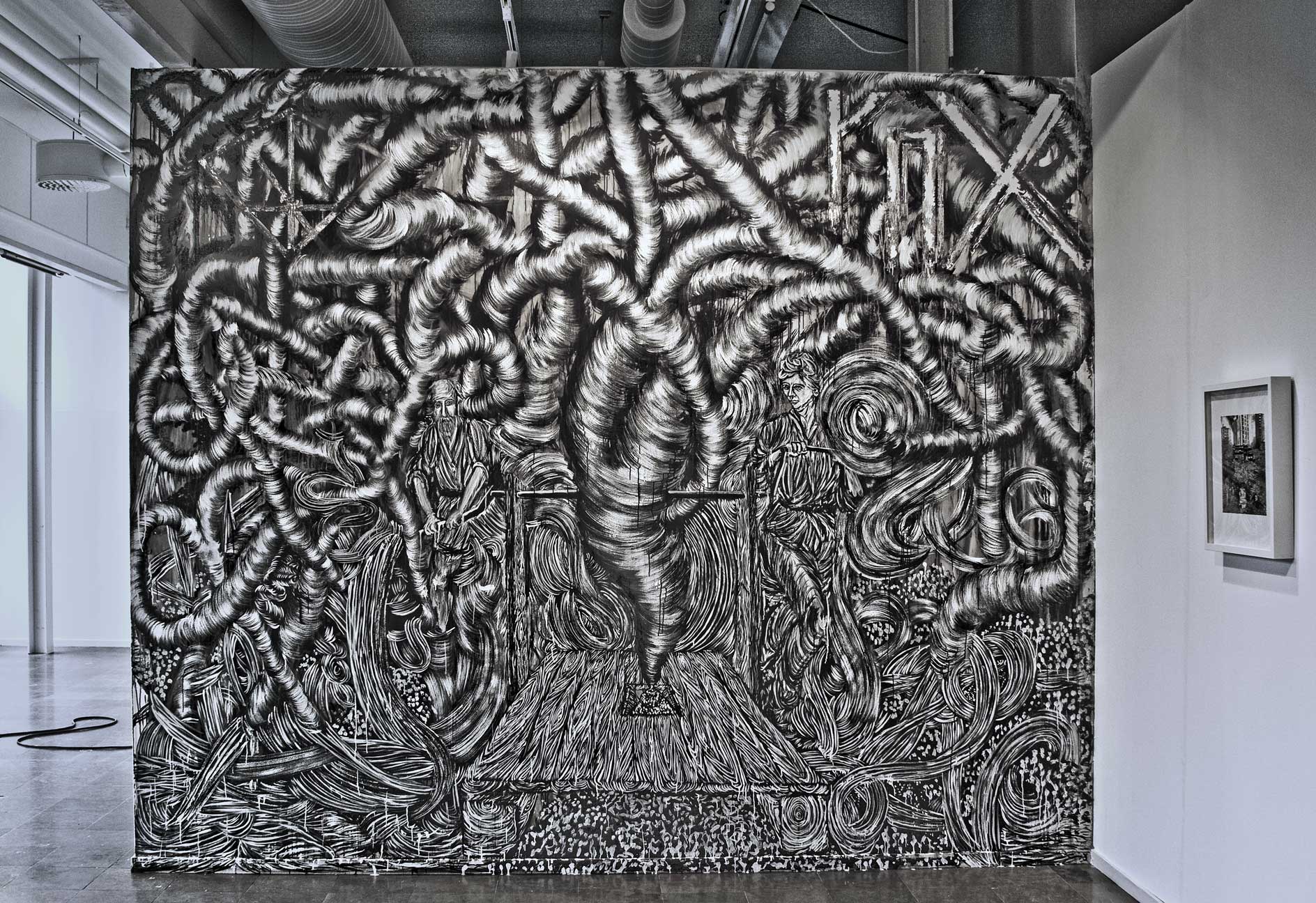
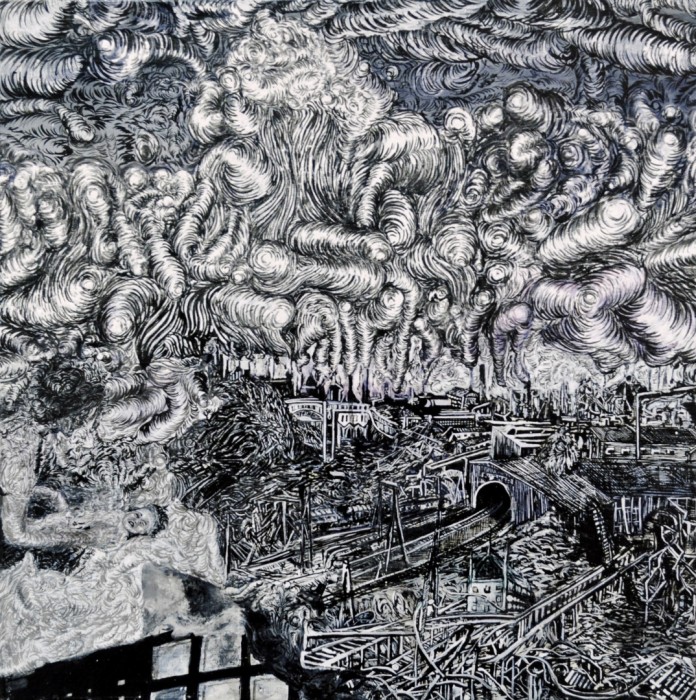
Viktor Rosdahl is a painter who has been acknowledged for his dark, often furious, portrayals of industrialism and contemporary society from an underdog perspective.
“Viktor Rosdahl’s paintings seems to thrive in the most unexpected situations – in the hole in a broken table top from Ikea, in a shower curtain or a damp-damaged tarpaulin. Out of soot-blackened, deserted industrial landscapes the old-master-like paintings emerge bearing titles such as Wedding Night at SKF, My years as a soccer wife and Landing/Shelter for Aniara. In the borderland between the personal and the political a much-longed-for landing site is prepared for the wandering spaceship of the dream of the welfare state.”
Cecilia Widenheim, Director of IASPIS (2008)
A short text about thoughts on my artistic practice and research
My point of departure for a work is likely translated into being subtly triggered by an image and not understanding why. May it be from the news, internet, art or general history, popular culture, a book cover, a political pamphlets peculiar graphic design, a certain LP sleeve or from my own photo archive, collected through walks in streets, mountains, attending demonstrations and so on.
Often it’s a process that stretch over a longer period of time. It can be images that I experience as depicting or illustrating a political reality from a perspective that I find captivating and/or can relate to, and if it keeps reflecting this back to me and popping up in my mind, I go further and examine it through painting it and thus studying and reflecting over it for a longer period of time.
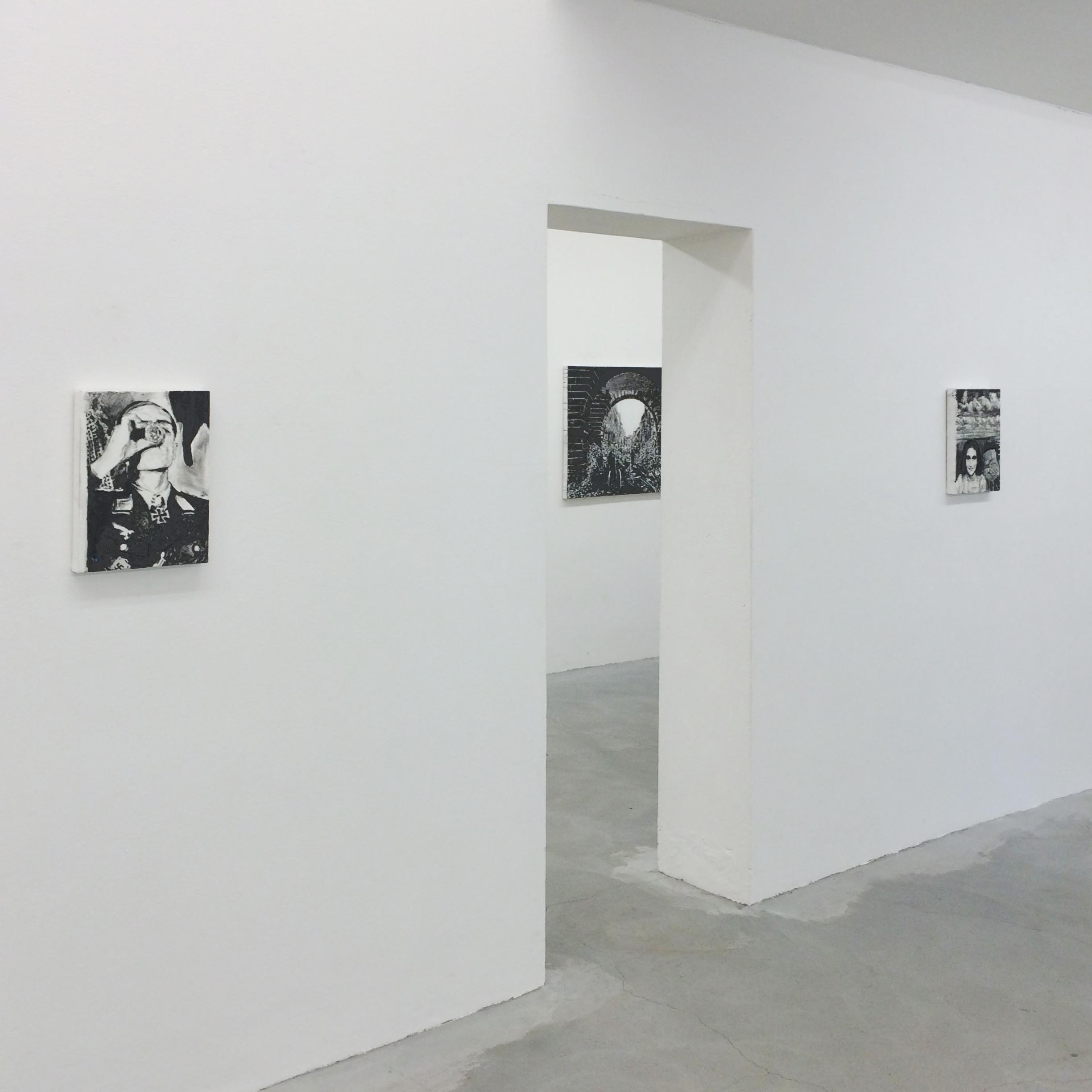
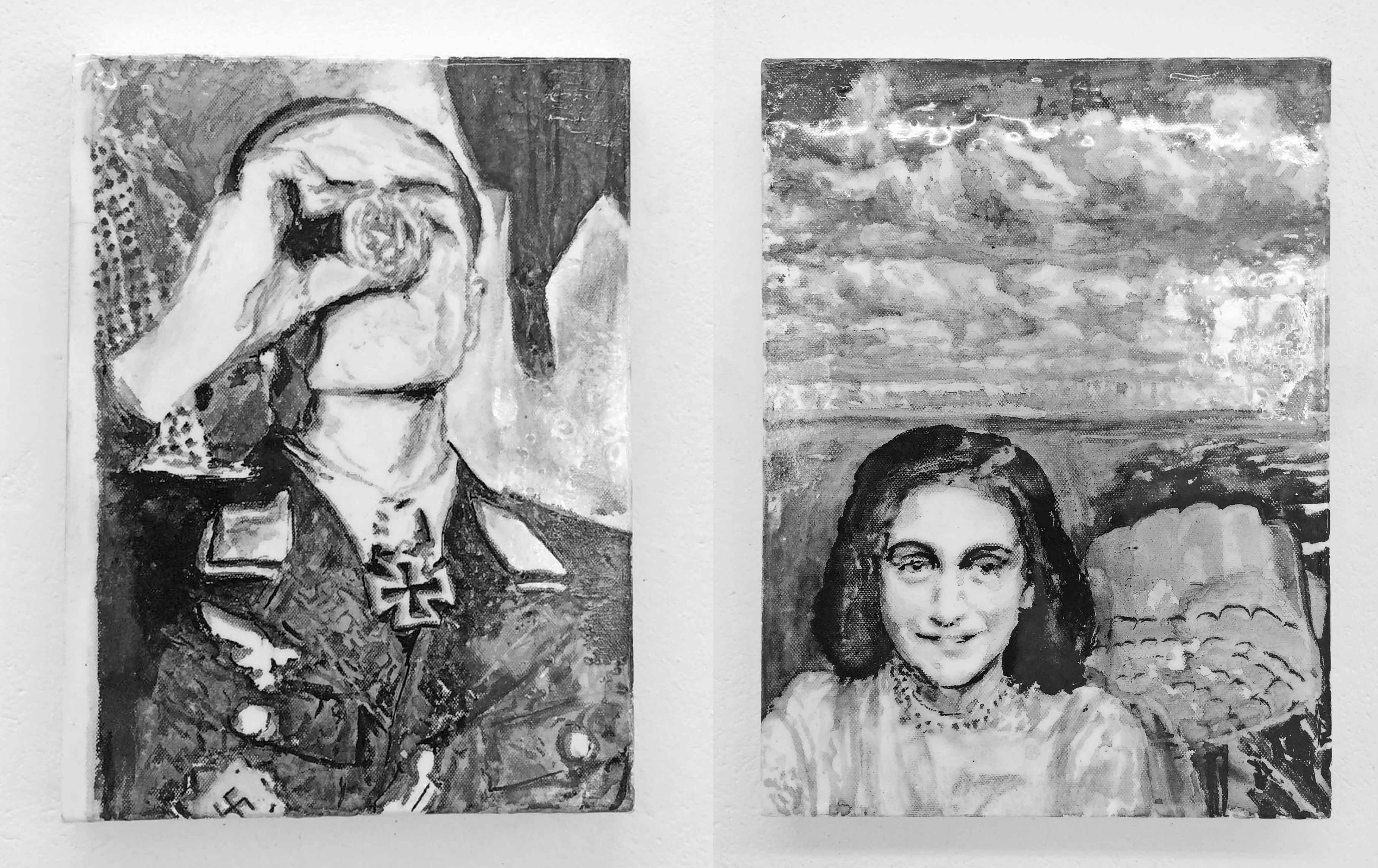
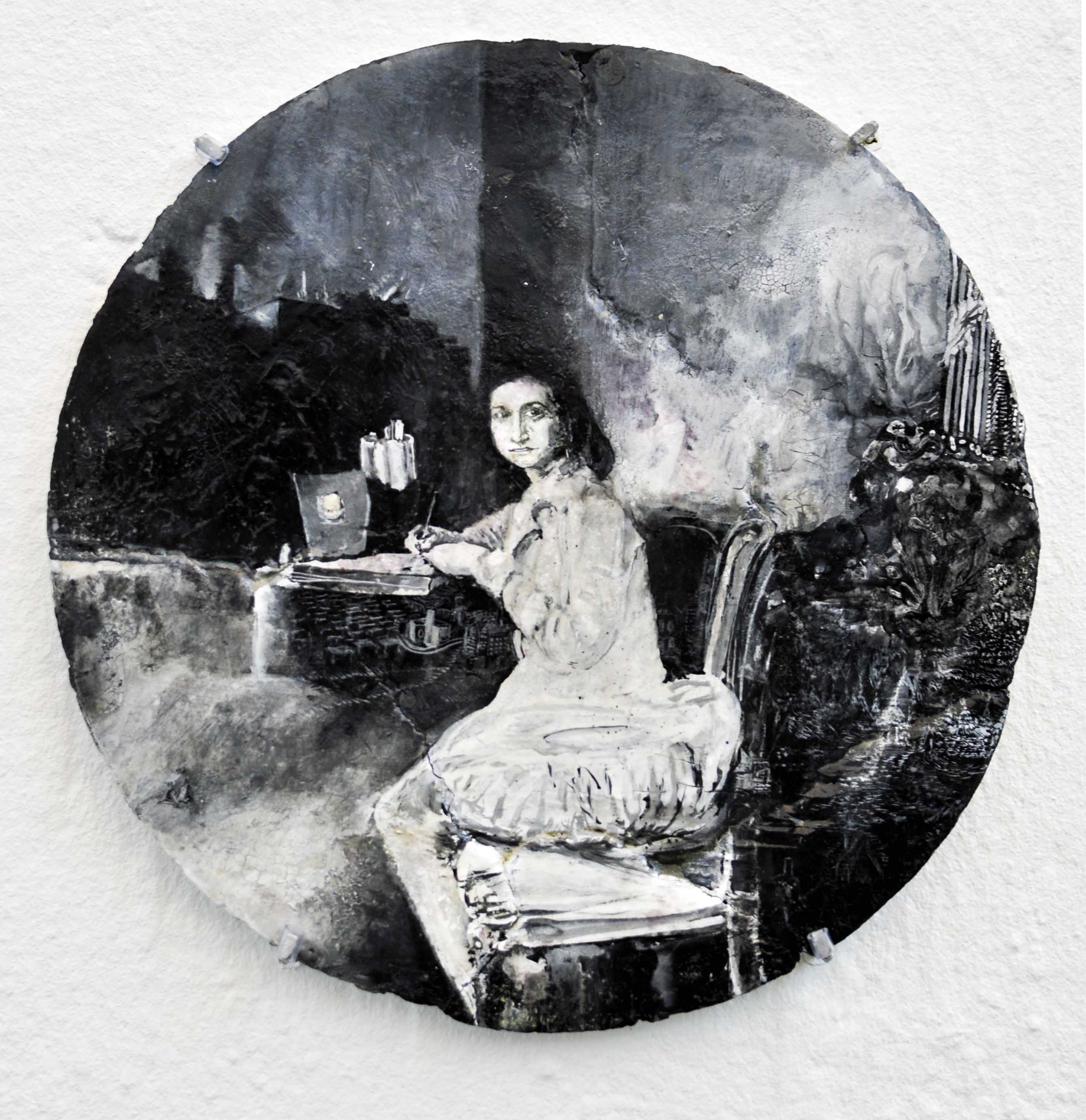
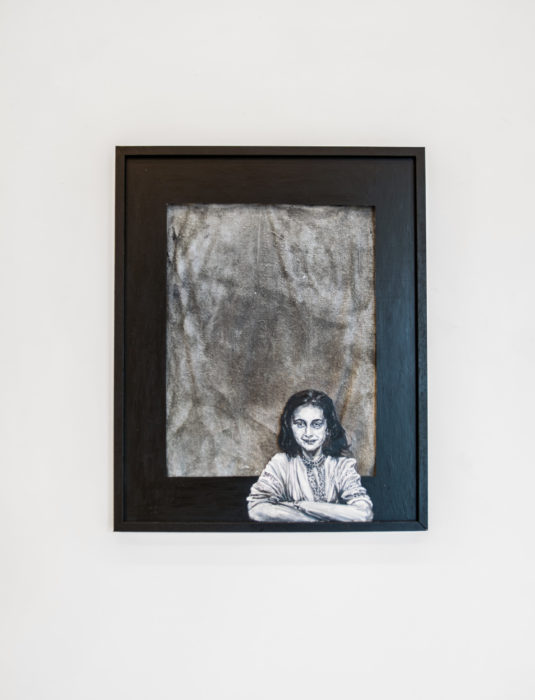
The ambiguity facing an image, painted or not, is what drives me onwards. There can be elements of attraction towards the narrative and history imbedded in the image. This can provoke a sense of disgust at the same time. If I somehow feel it is “forbidden” or just shameful or banal for me to just think about painting it, as for example can be the case for me of images of Anne Frank gazing at us through the decades from her writing-desk, a landscape image from the Himalayas, a poster of swarming Orchs from the 90:s (saved from my big brothers room), a political monument of a soviet partisan holding a riffle towards the sky or an old bronze monument of Hjalmar Branting (Chairman of the Swedish Social Democratic party 1907 to 1925),
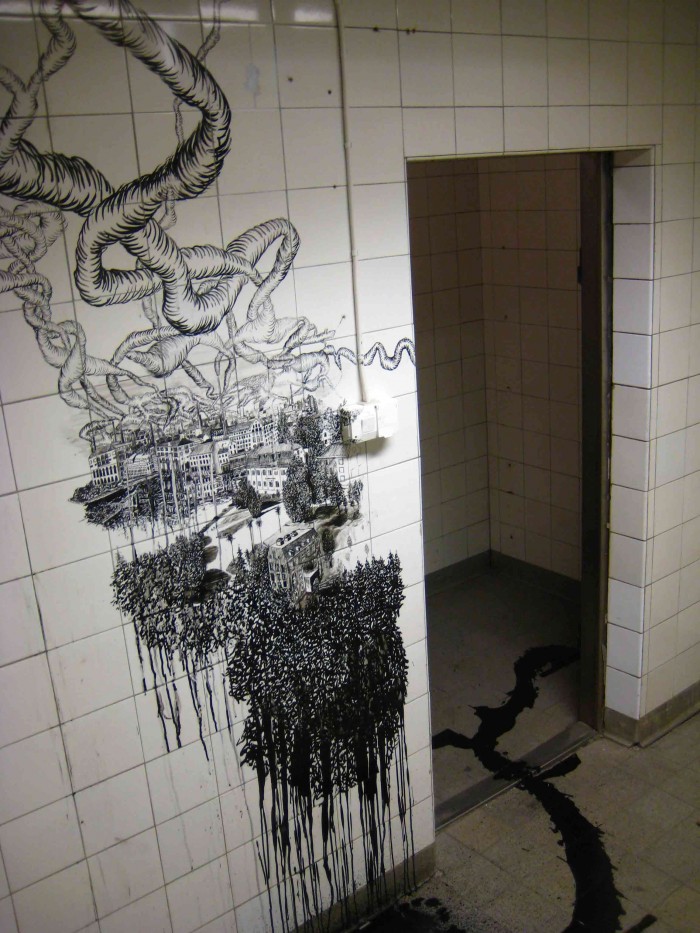
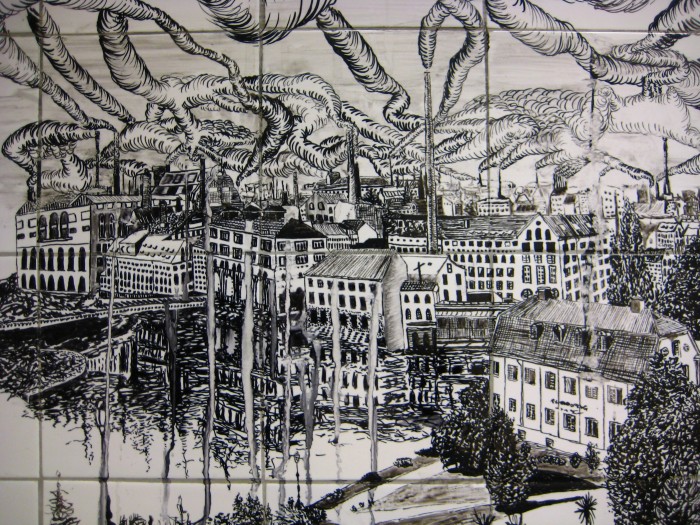
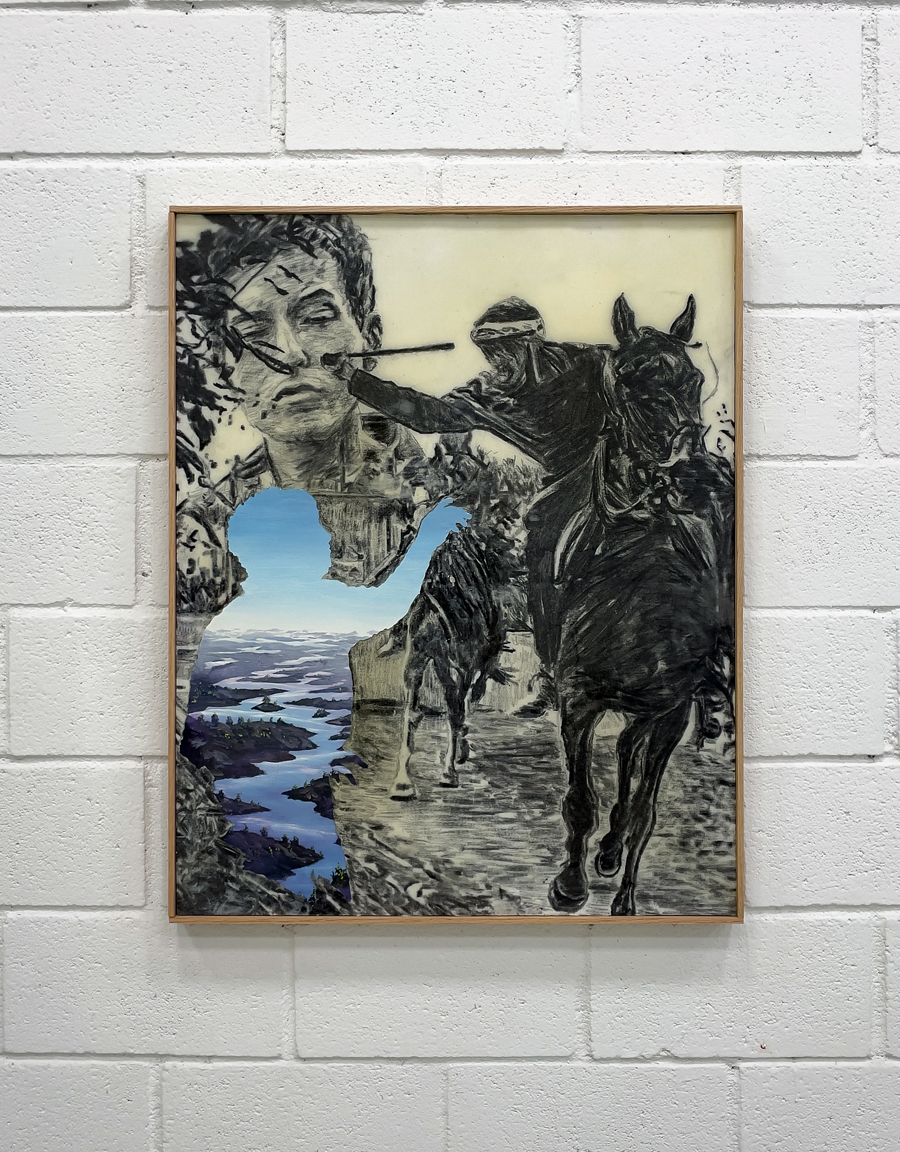
To draw these images in charcoal or ink on a wall, to paint them in oil on both found, bought or house produced surfaces, to rearrange them in collages or mix them up in contrast with each other to build a new, perhaps emphasized or juxta positioned narrative, where the faschination of the underlying experienced ambiguity of the image hopefully is reshaped. The material exploration is expanding as some motifs and threads of story reappear.
Viktor Rosdahl Malmö 2020
Solo shows at Galleri Arnstedt:
1
3
Solo shows at Christian Larsen Gallery:
1, 2, 3, 4

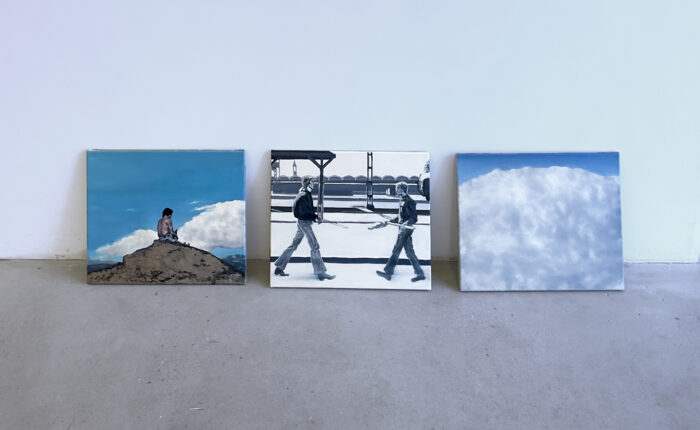
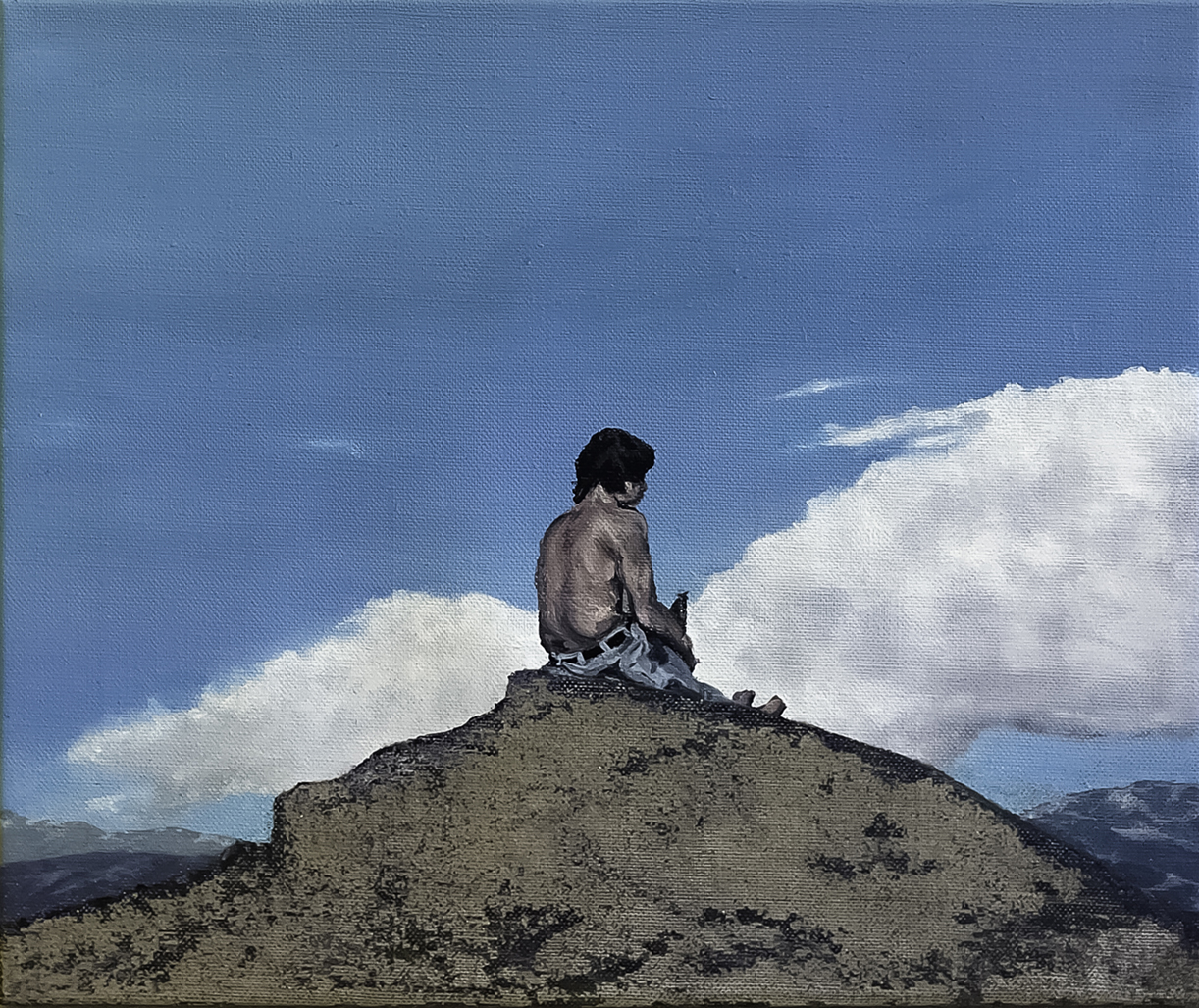
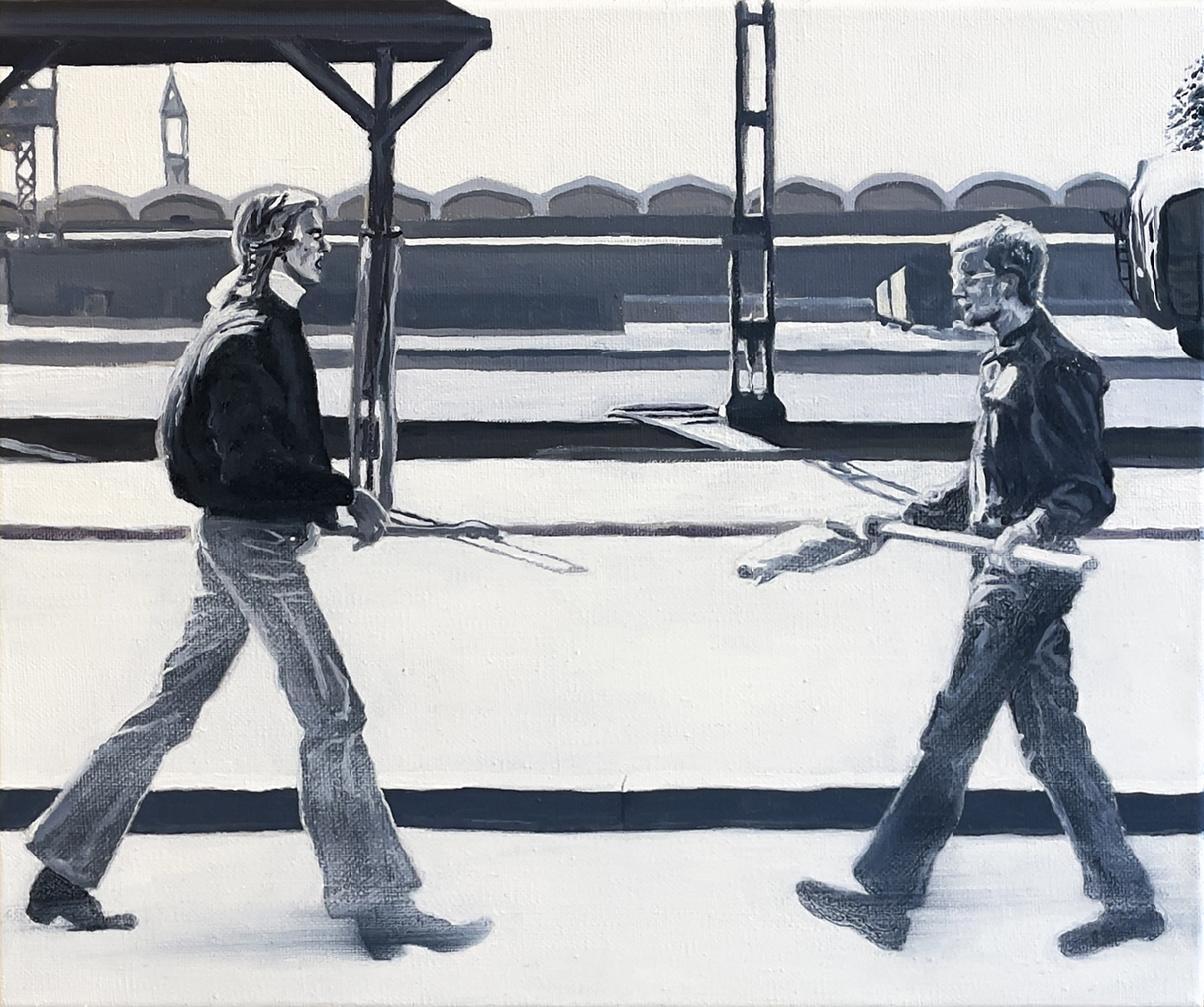
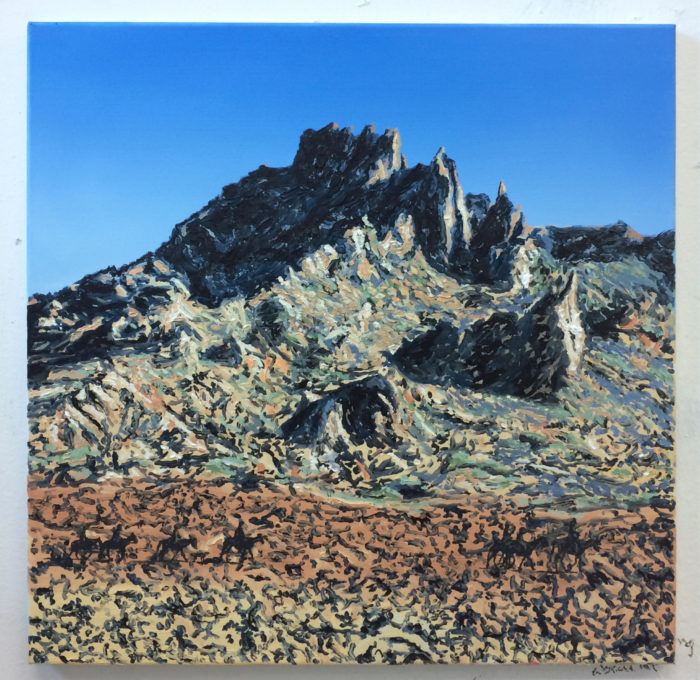
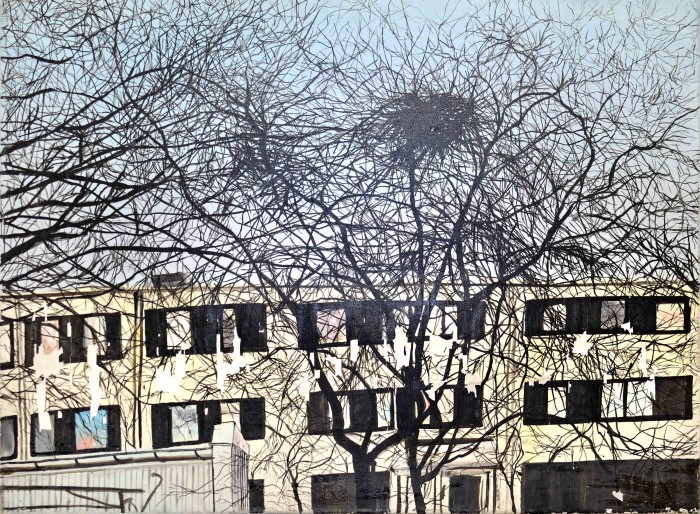
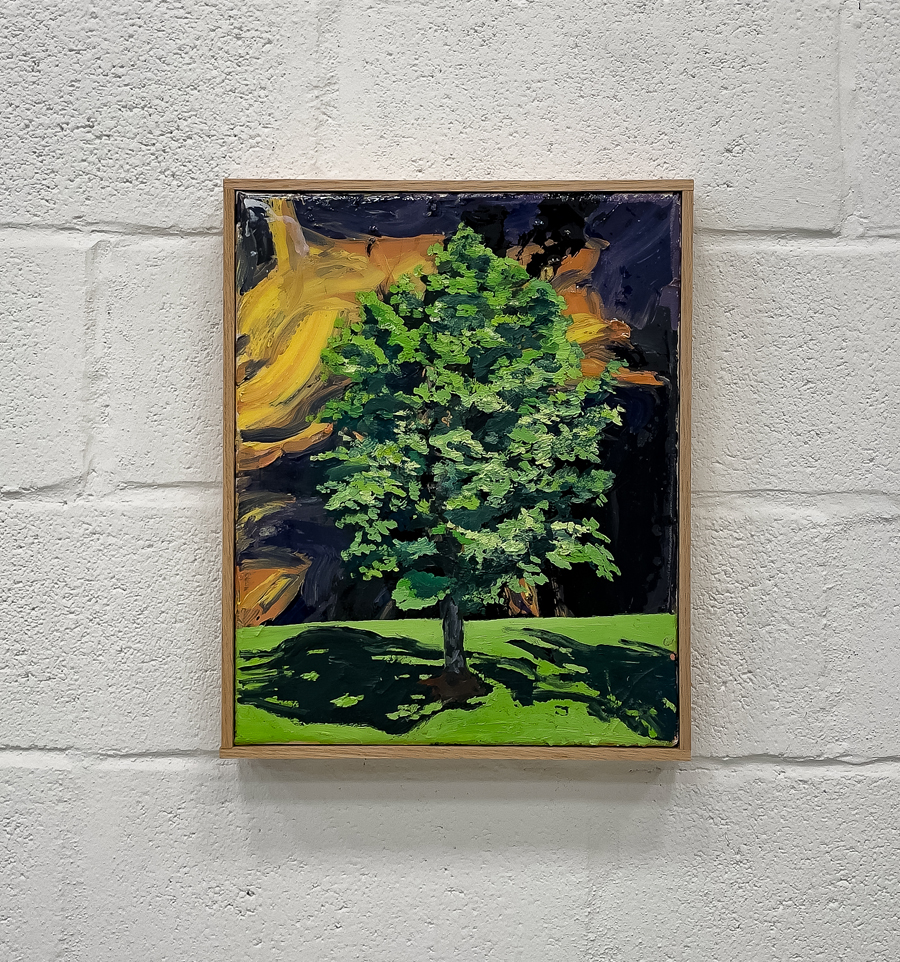
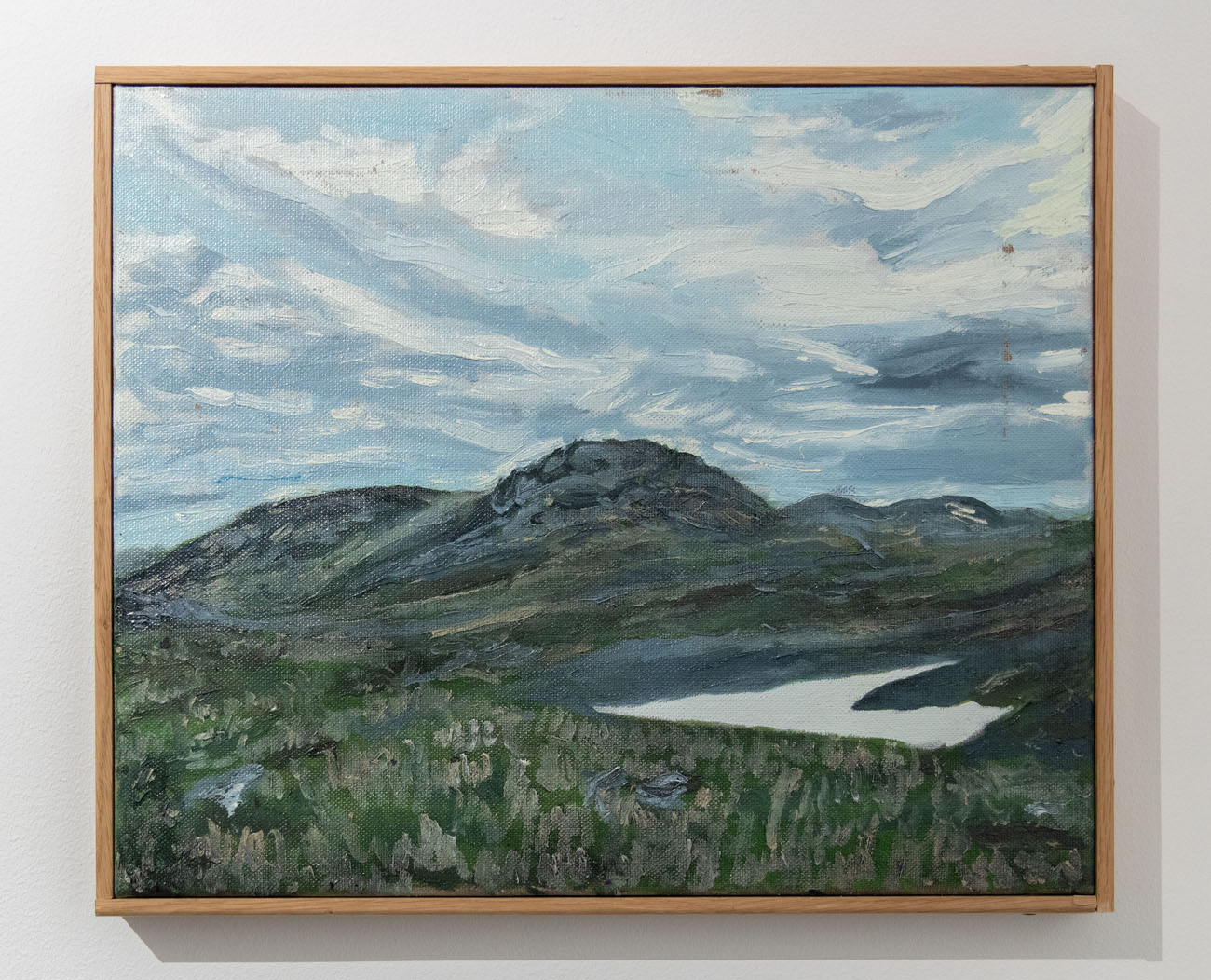
Oil on canvas 15″ by 18″
2024
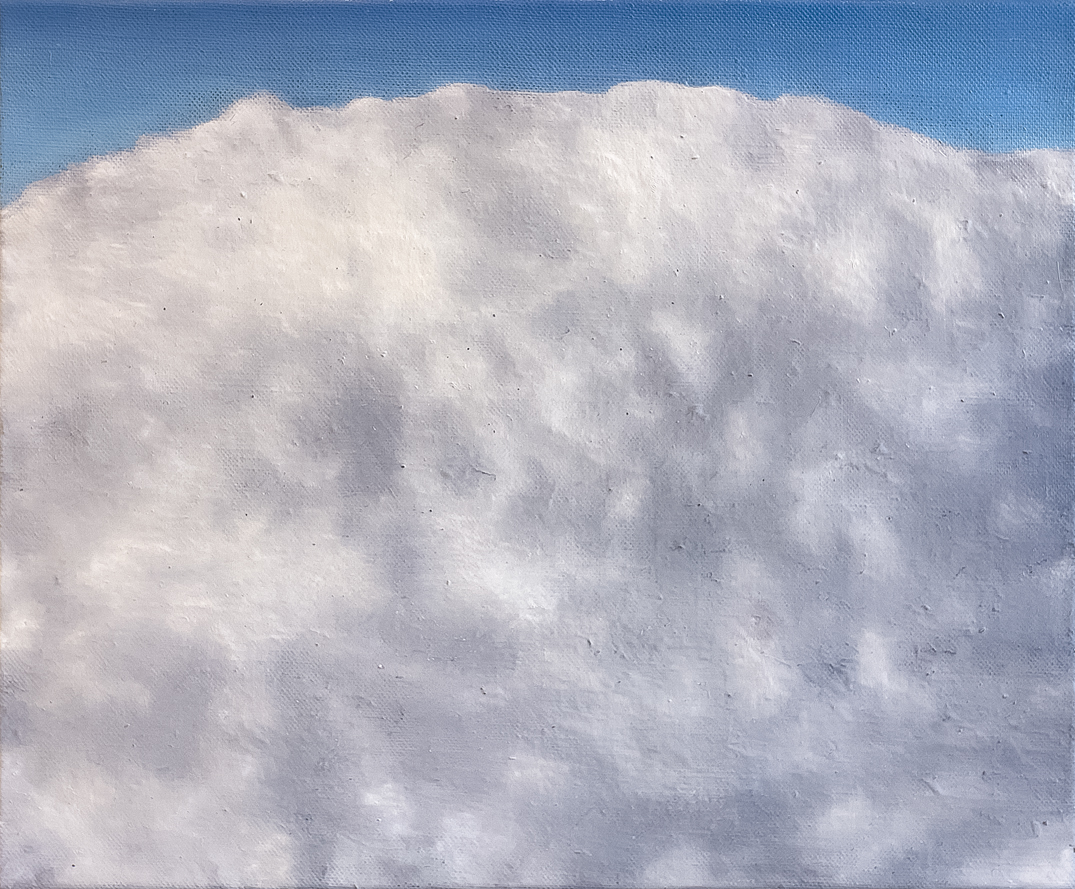
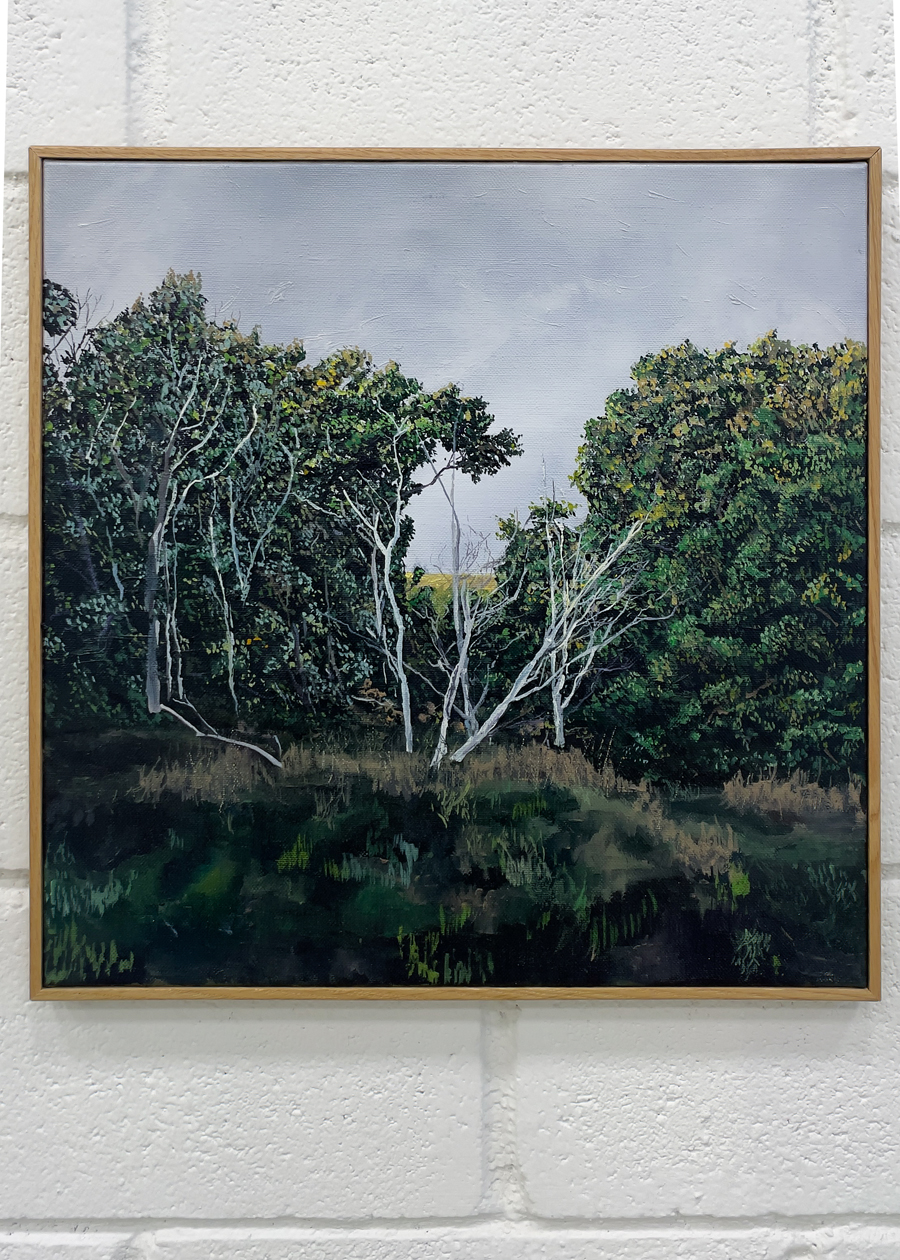
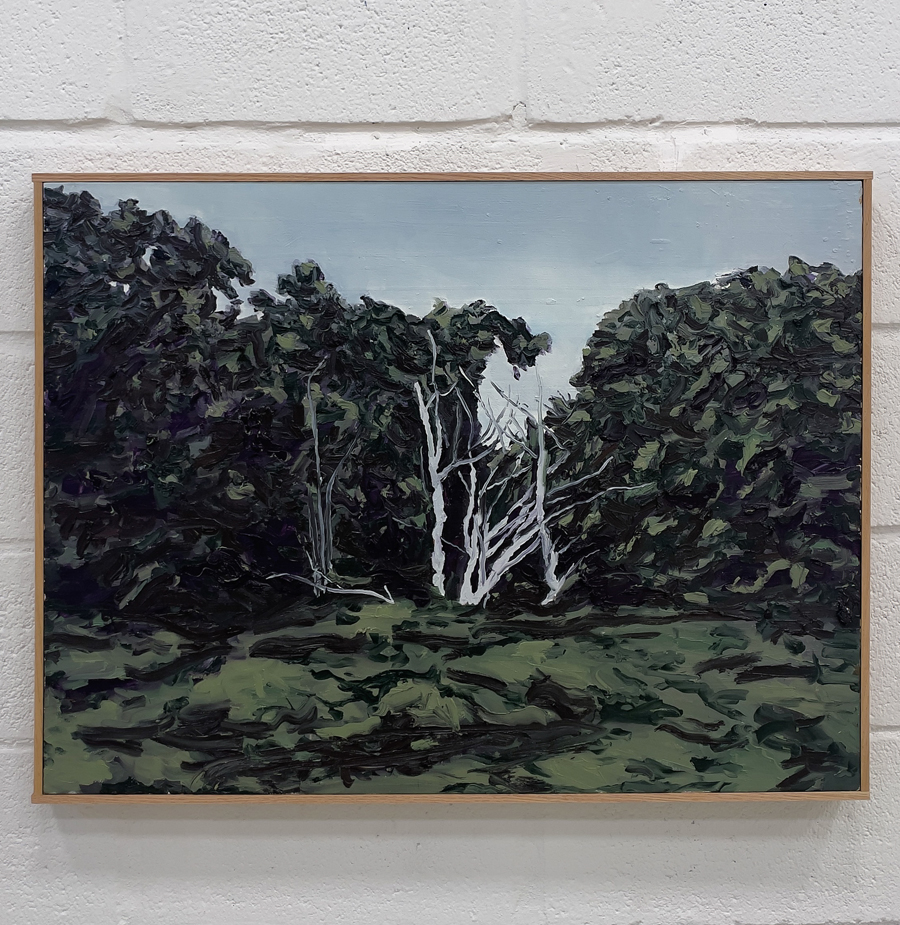
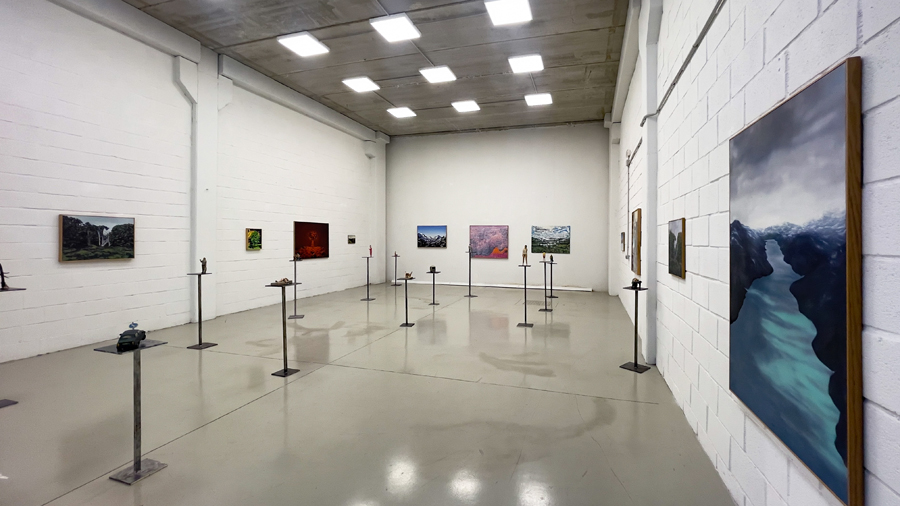
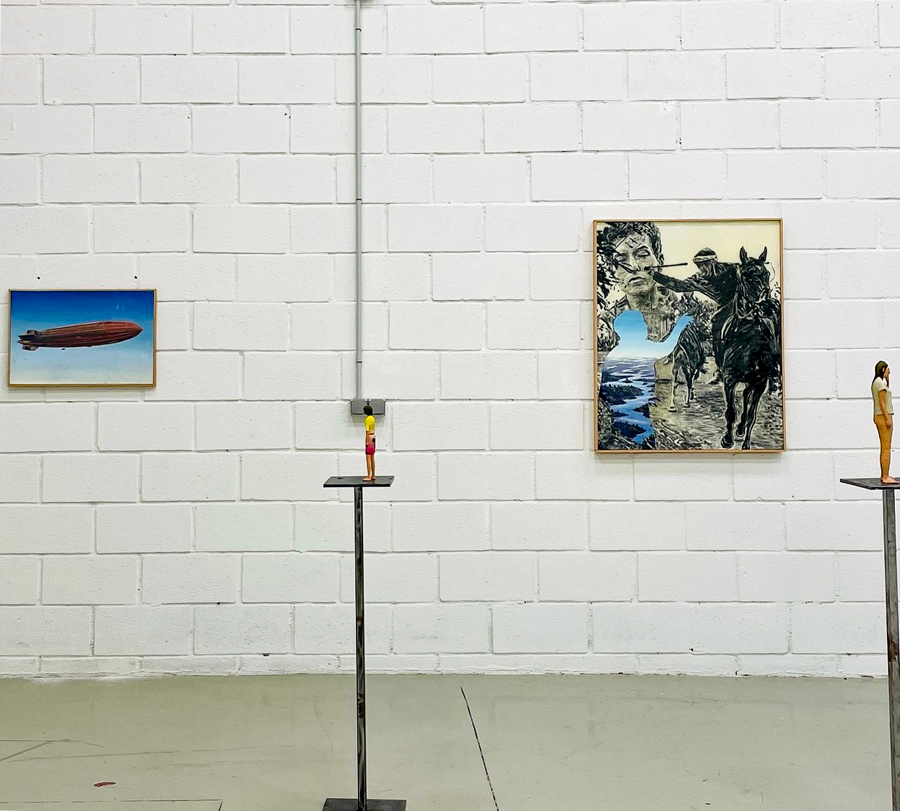
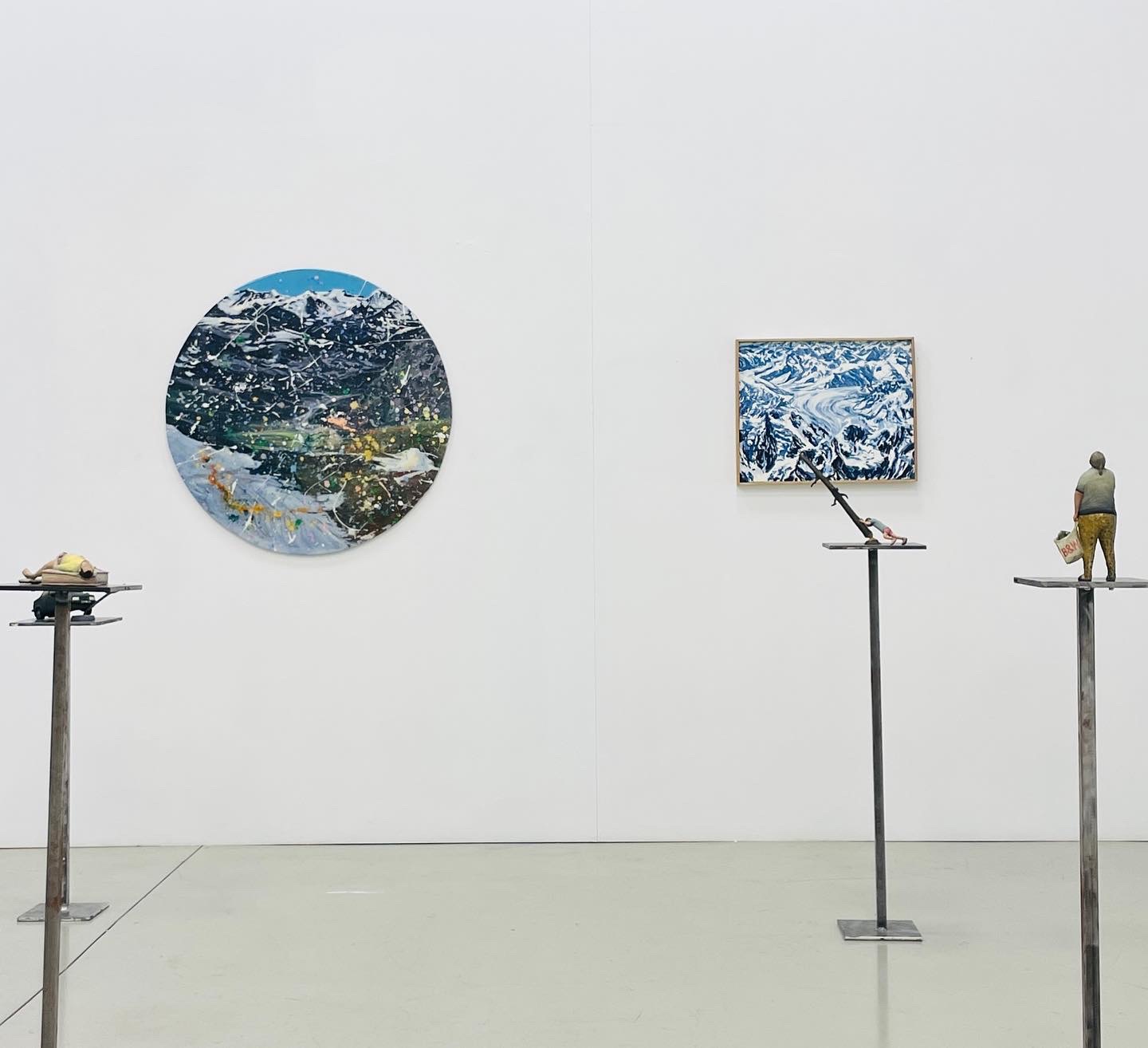
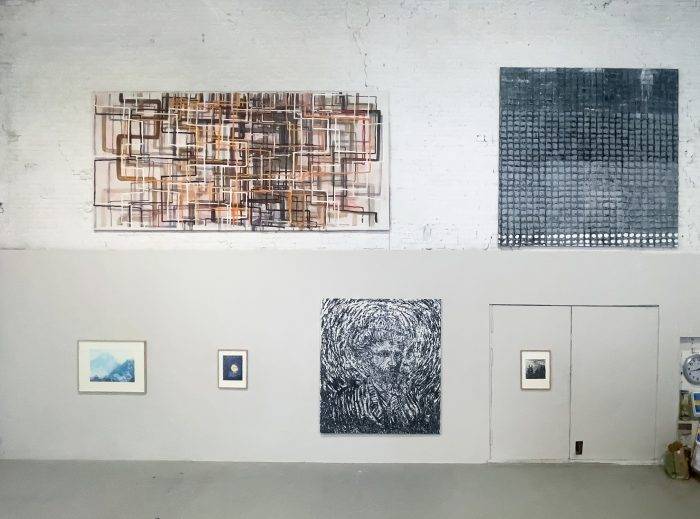
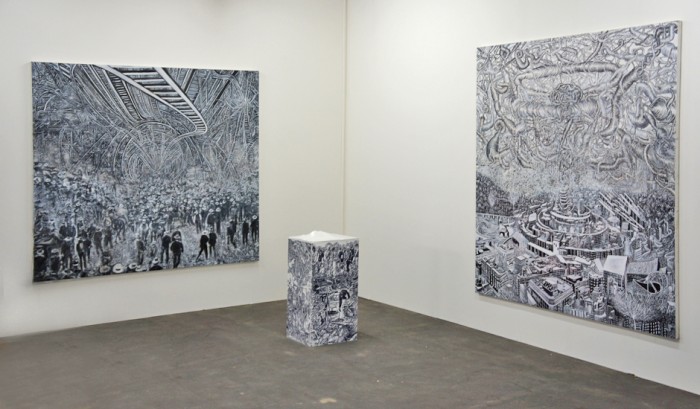
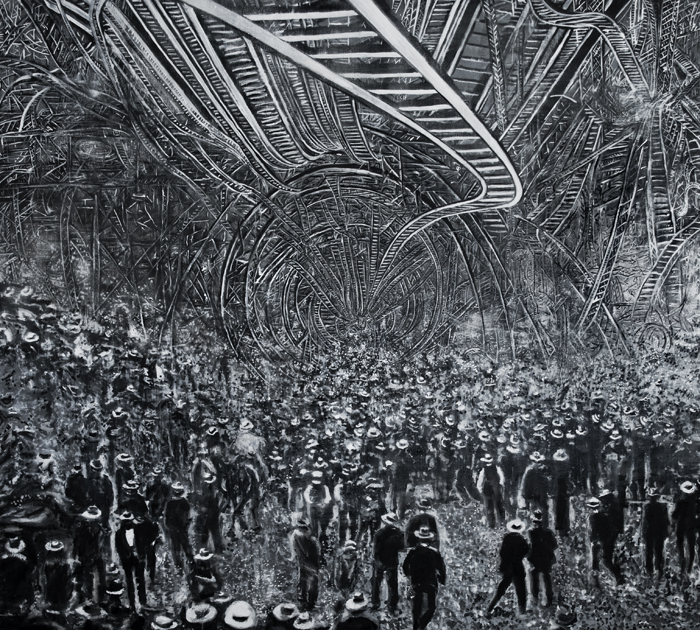
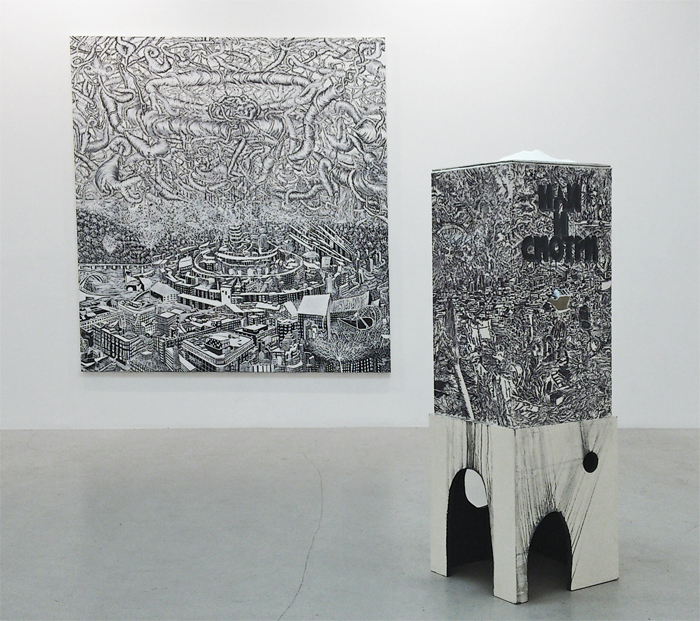
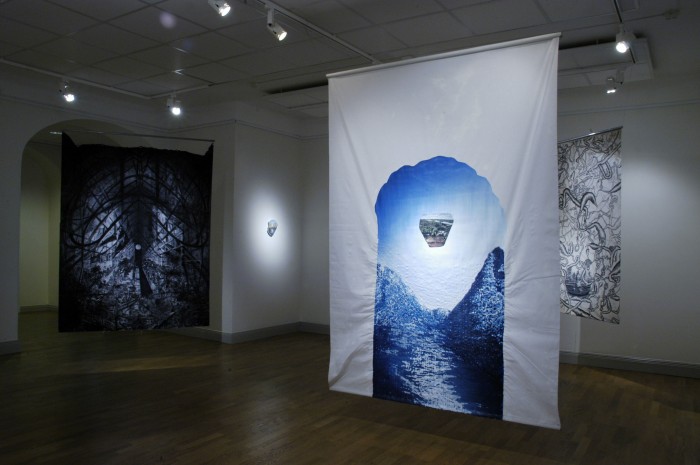
Jenseits, Werhalle Wiesenburg, Berlin 2023
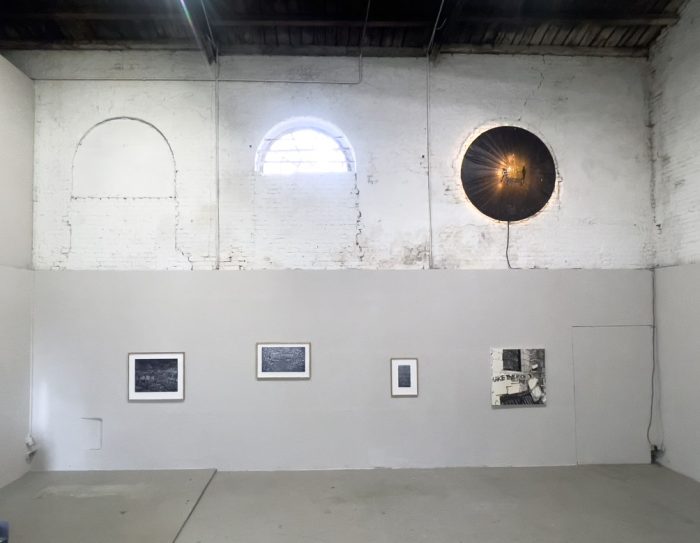
Jenseits, Werhalle Wiesenburg, Berlin 2023
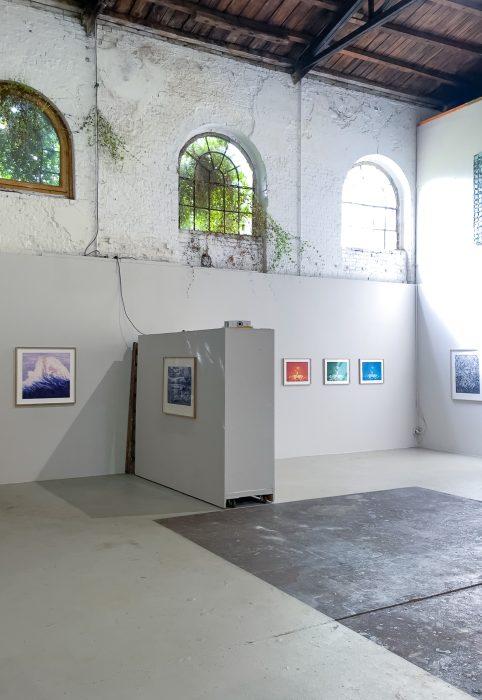
Jenseits, Werhalle Wiesenburg, Berlin 2023
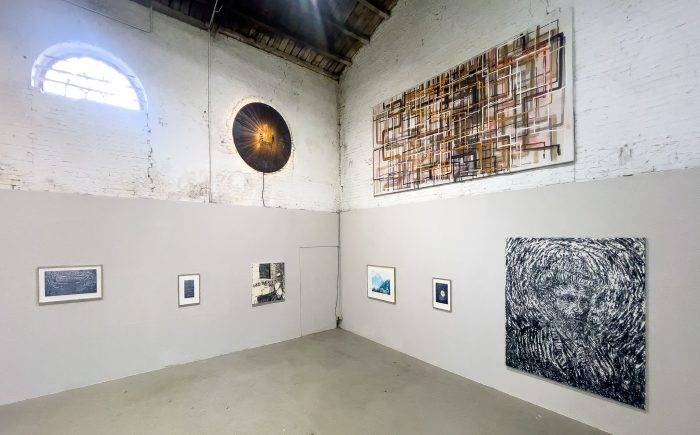
Jenseits, Werhalle Wiesenburg, Berlin 2023
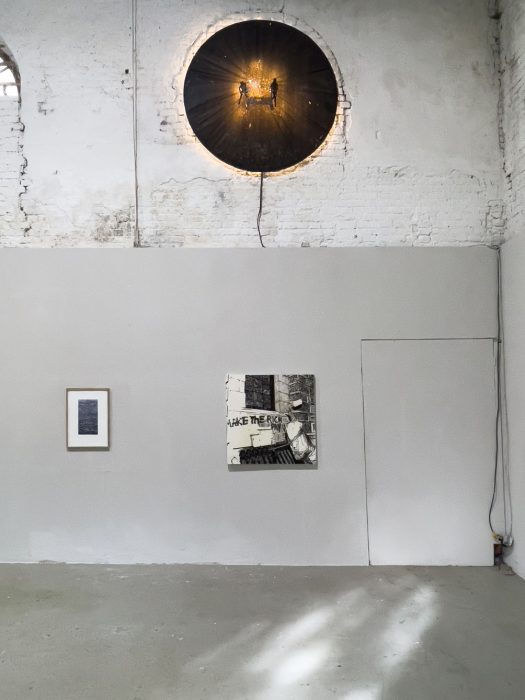
Jenseits, Werhalle Wiesenburg, Berlin 2023
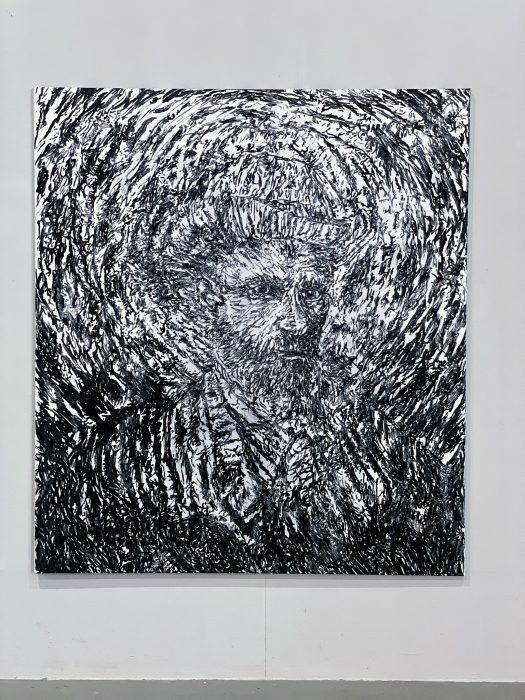
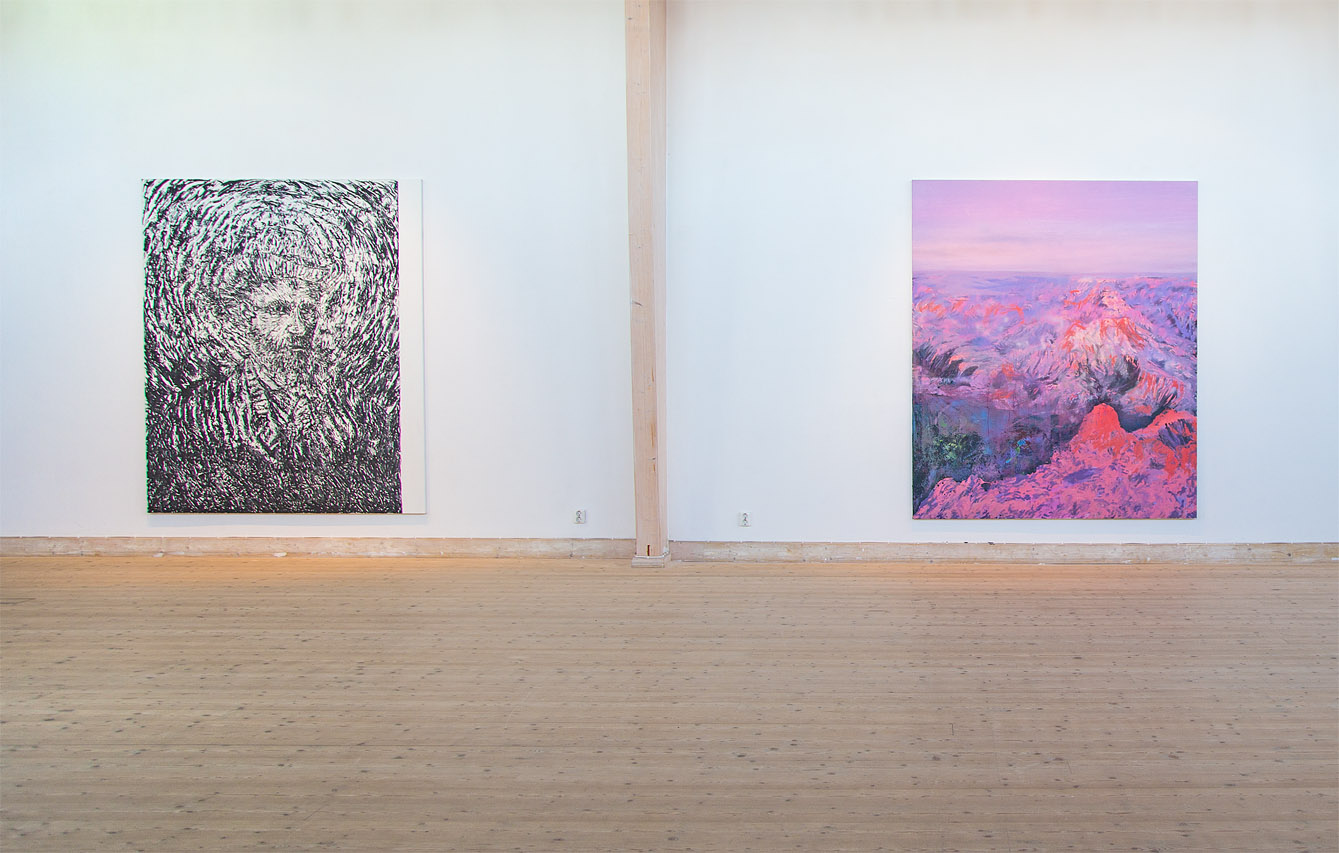
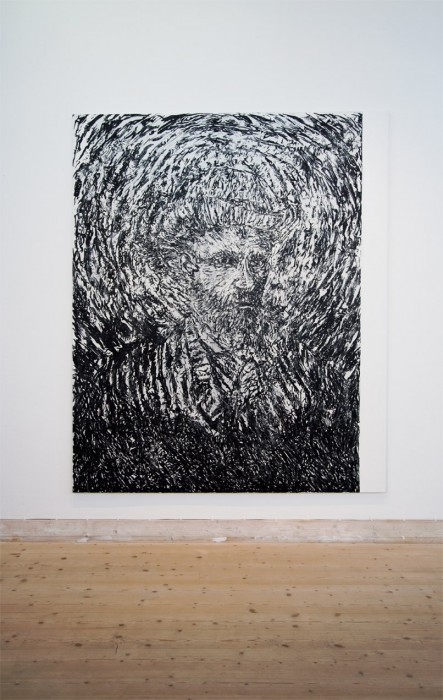
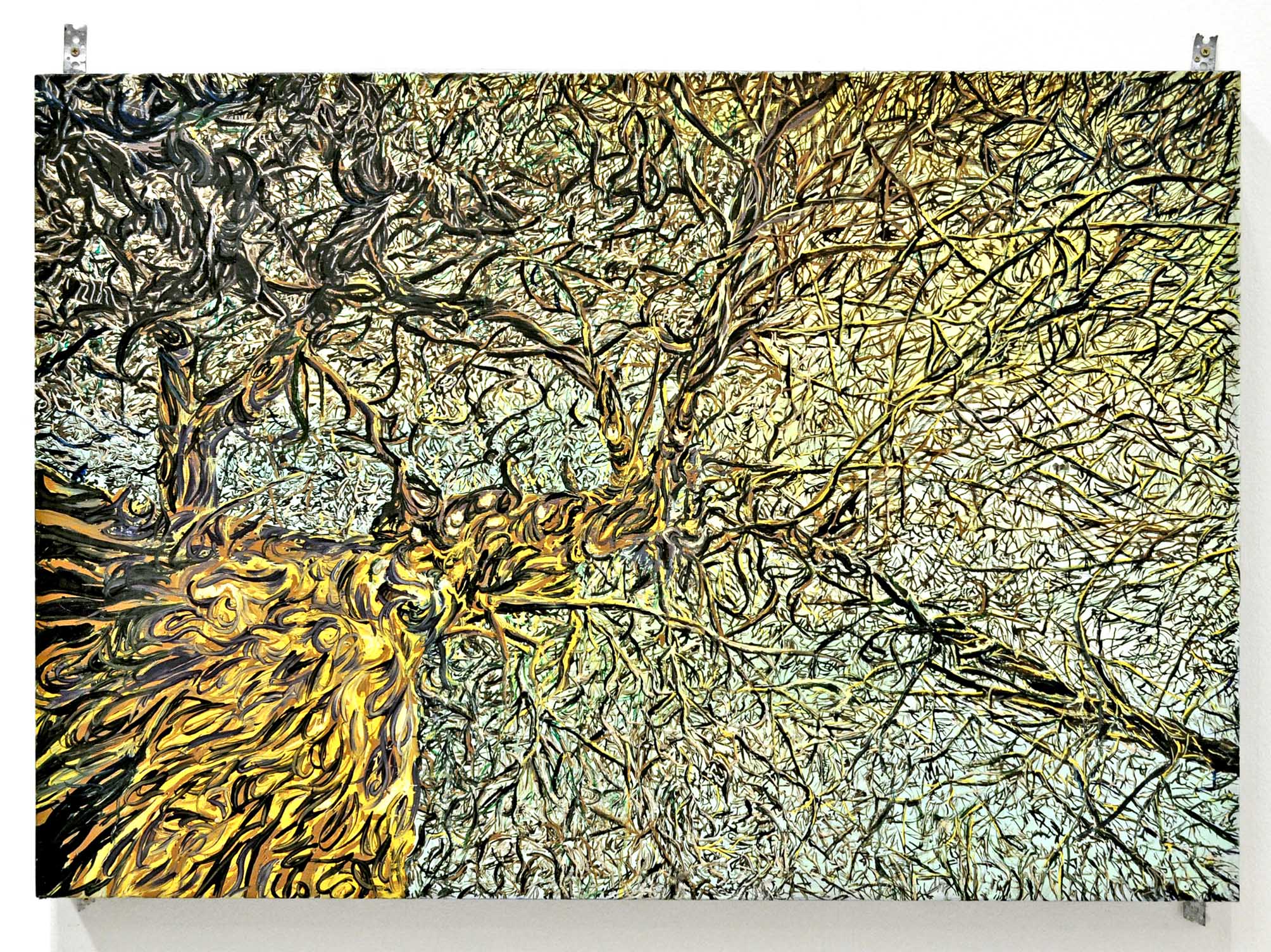
Vincent, 202 x 180 cm, oil on canvas, 2016.
Jenseits, Werhalle Wiesenburg, Berlin 2023
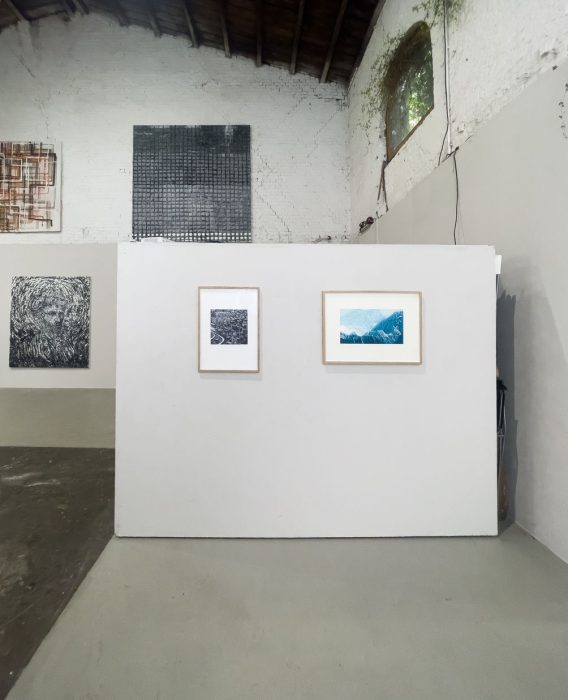
Jenseits, Werhalle Wiesenburg, Berlin 2023
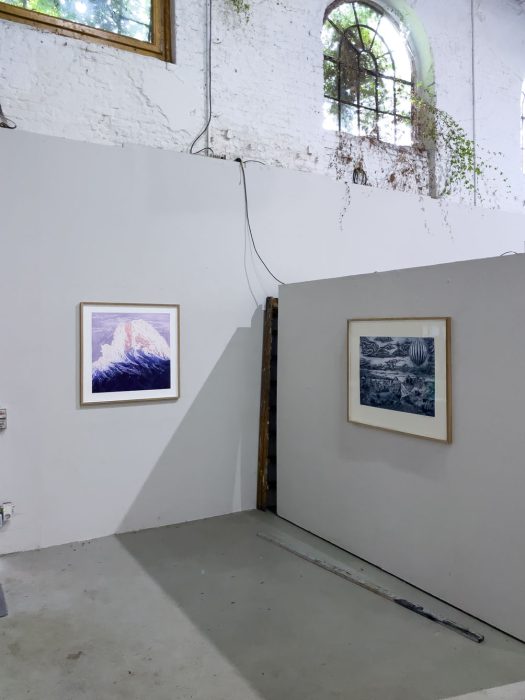
Jenseits, Werhalle Wiesenburg, Berlin 2023
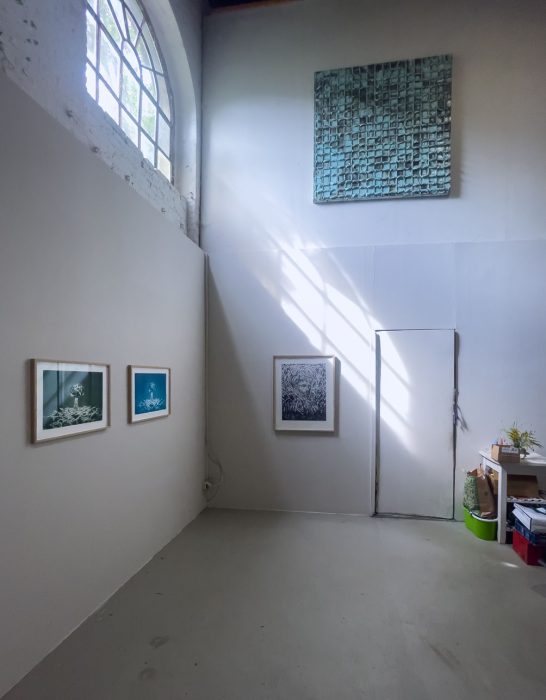
Jenseits, Werhalle Wiesenburg, Berlin 2023
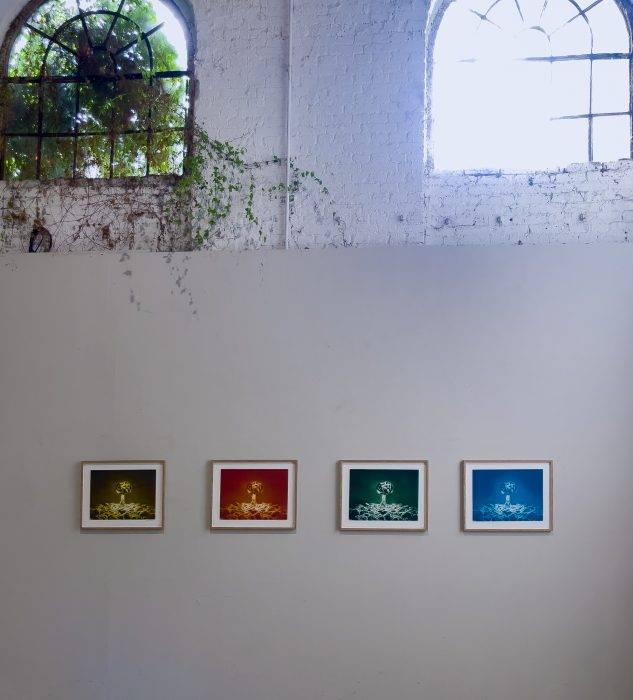
Jenseits, Werhalle Wiesenburg, Berlin 2023
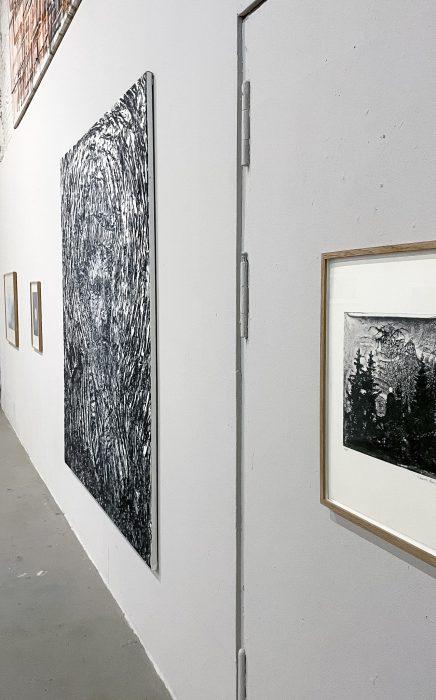
Jenseits, Werhalle Wiesenburg, Berlin 2023
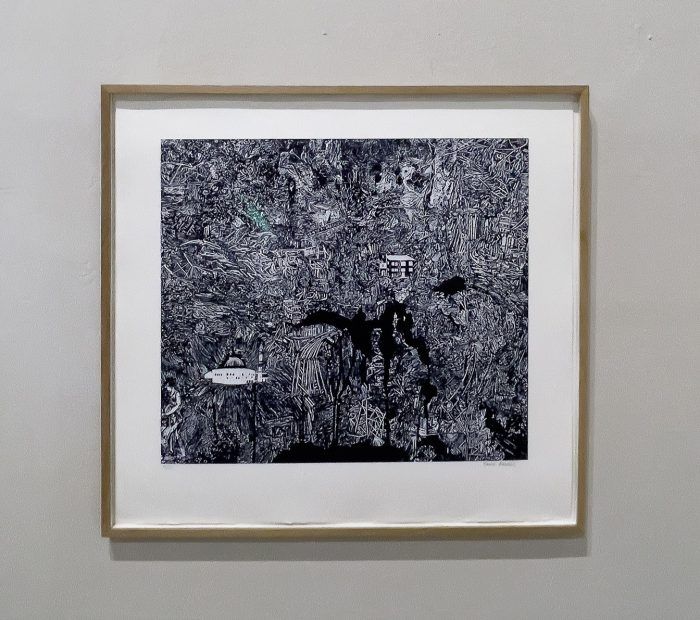
Inferno XII (Dagar i hamnen- Tage im Hafen) Kupferplattenätzung
Auflage 35. 2022
Jenseits, Werhalle Wiesenburg, Berlin 2023
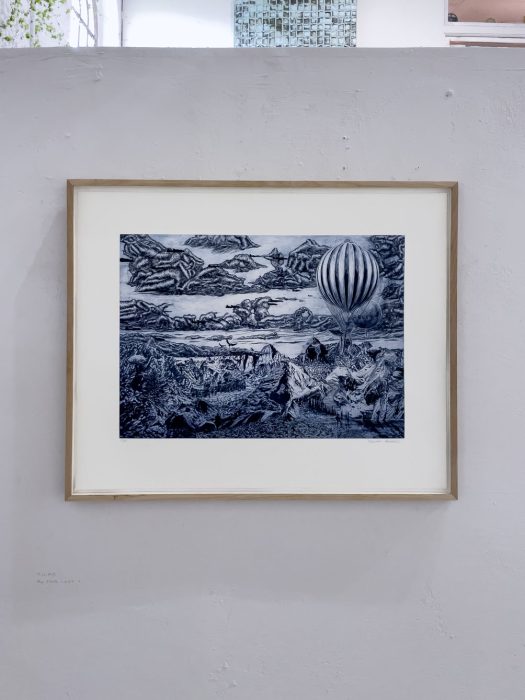
Inferno VI (Vägen – Der Weg) Kupferplattenätzung
Auflage 35. 2022
Jenseits, Werhalle Wiesenburg, Berlin 2023
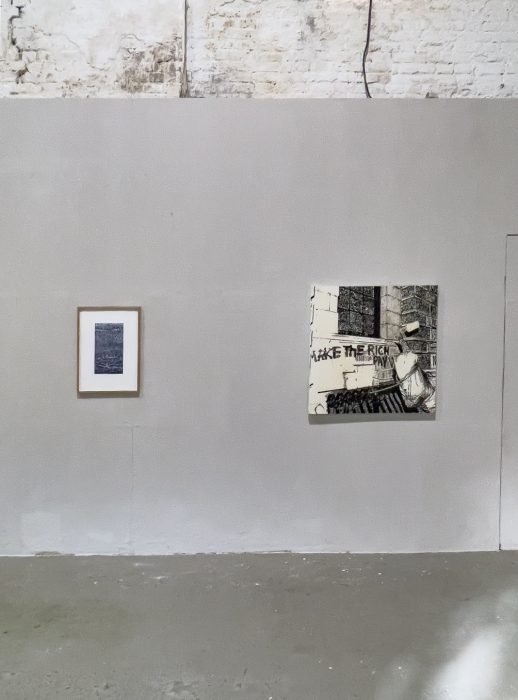
Jenseits, Werhalle Wiesenburg, Berlin 2023
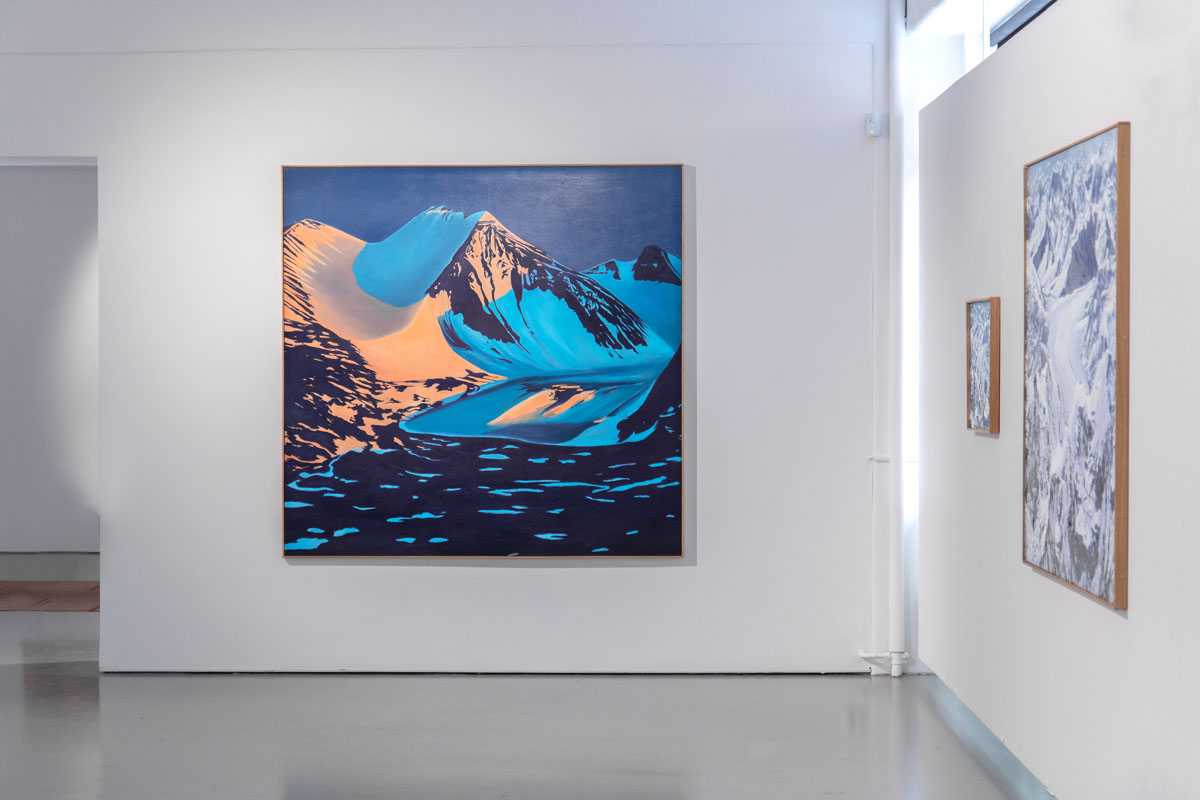

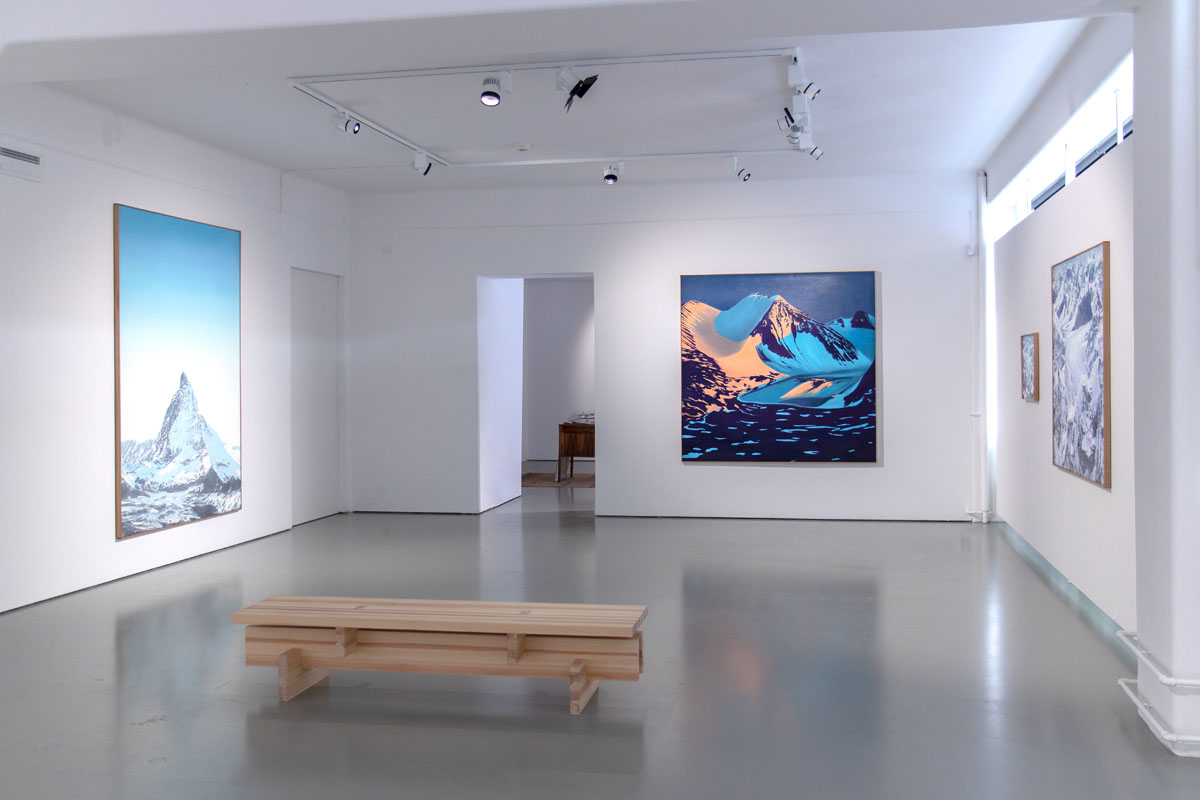

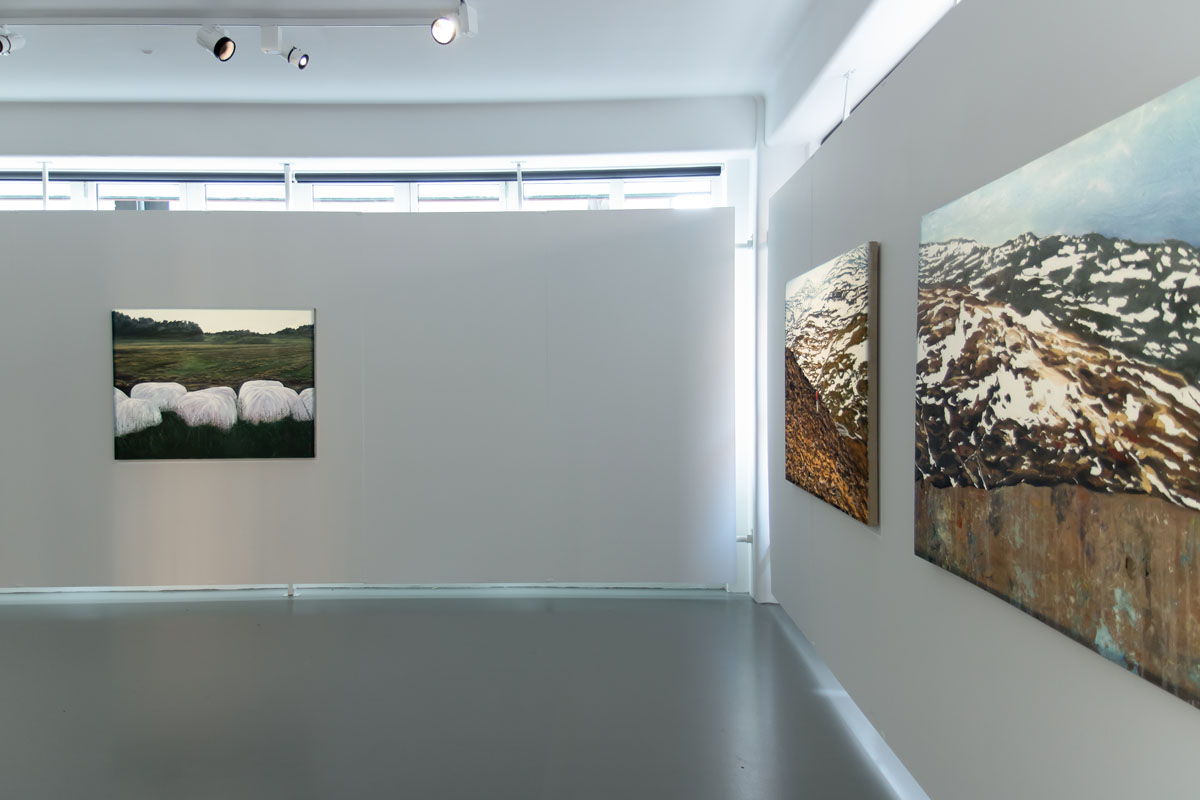
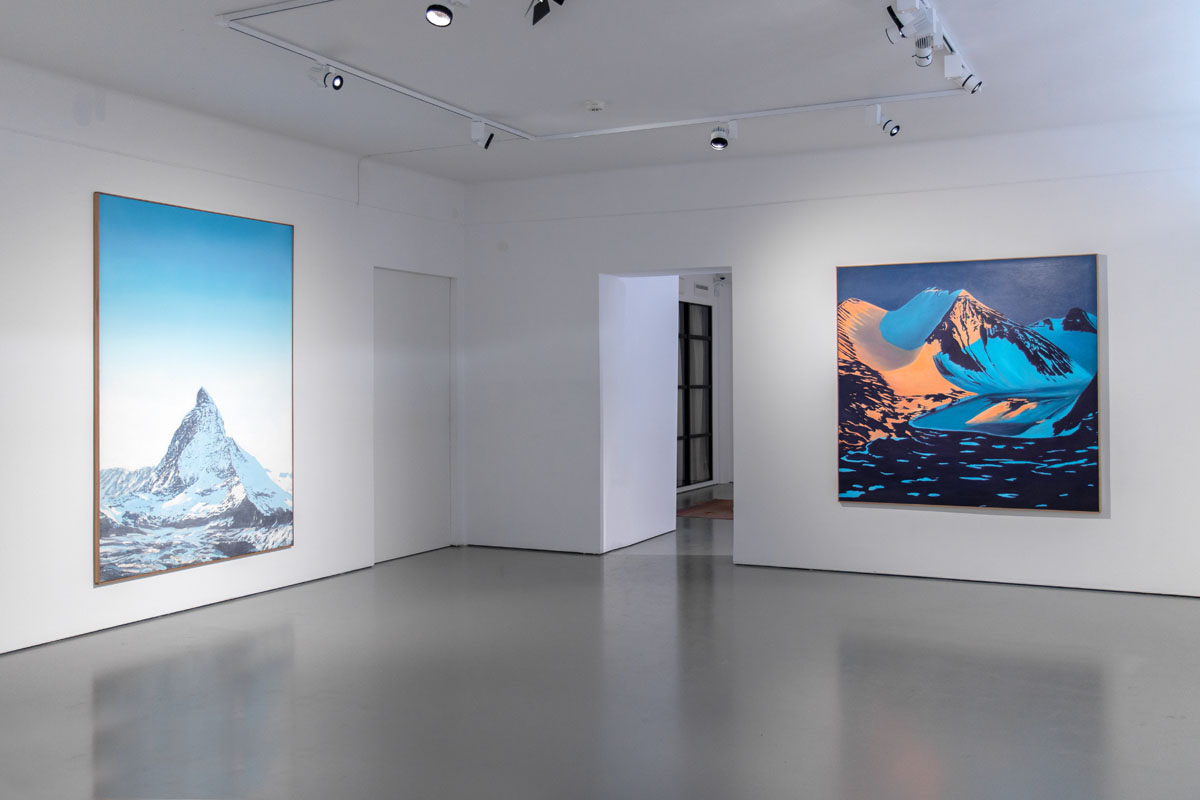
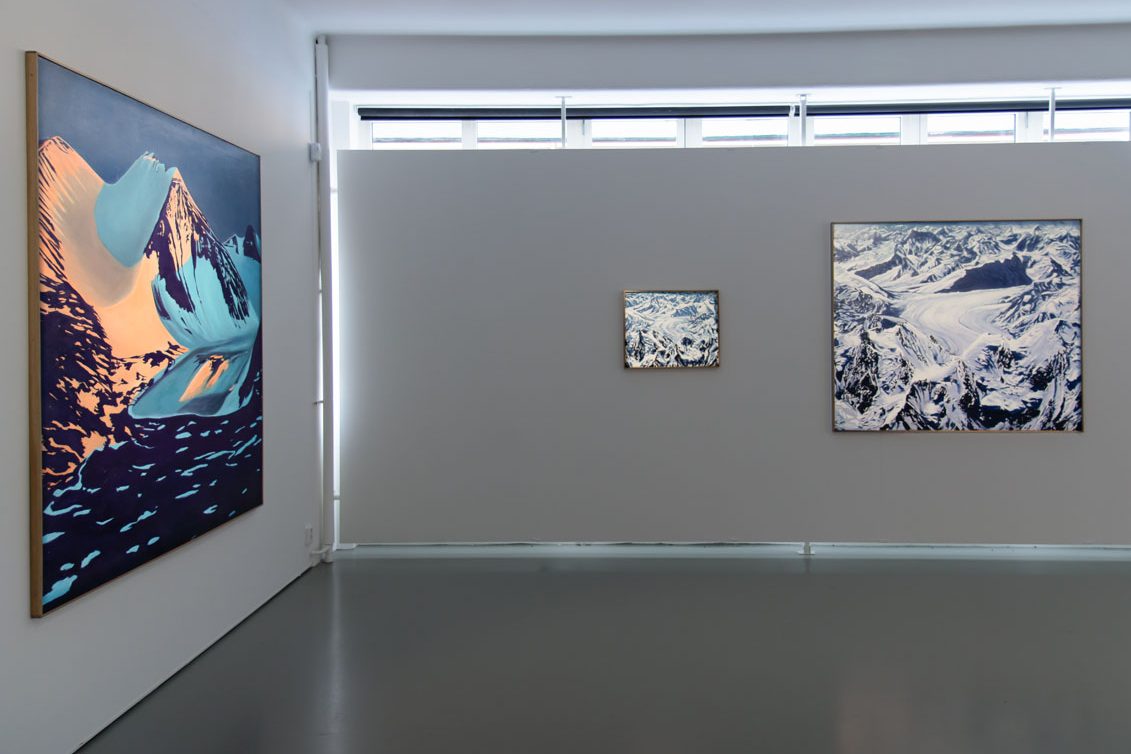
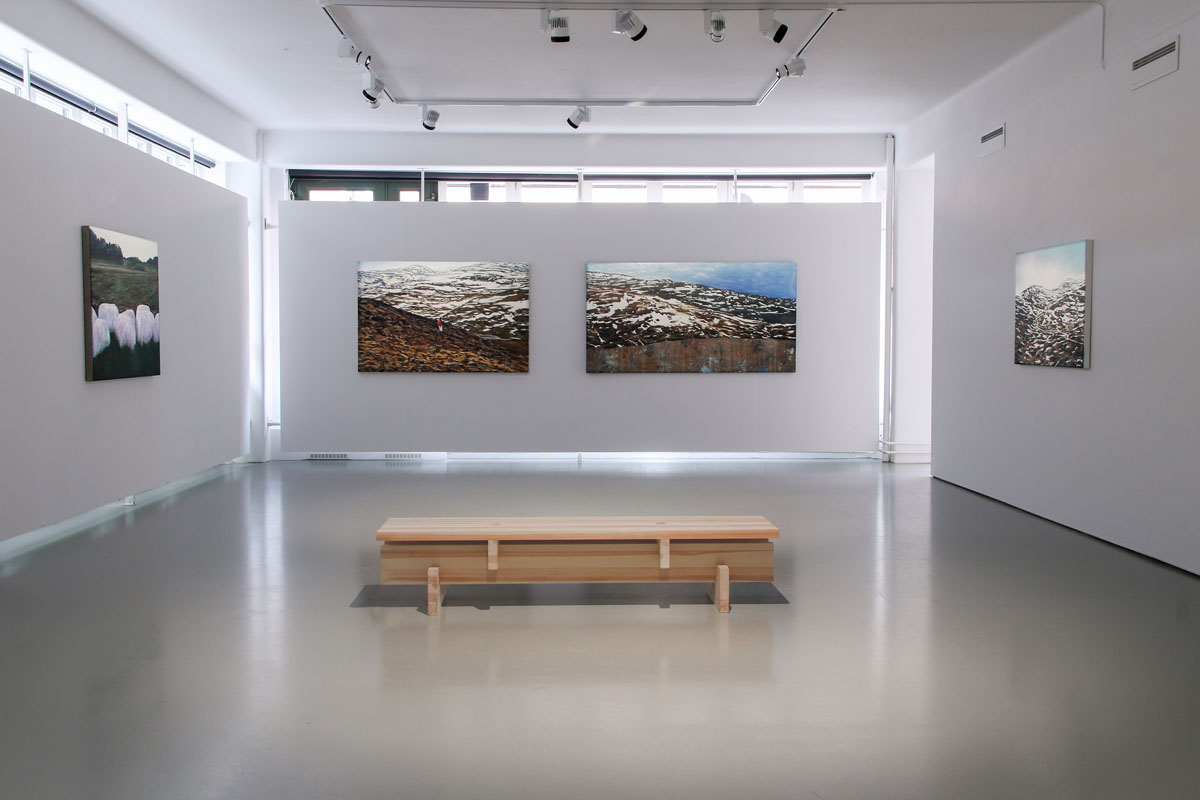
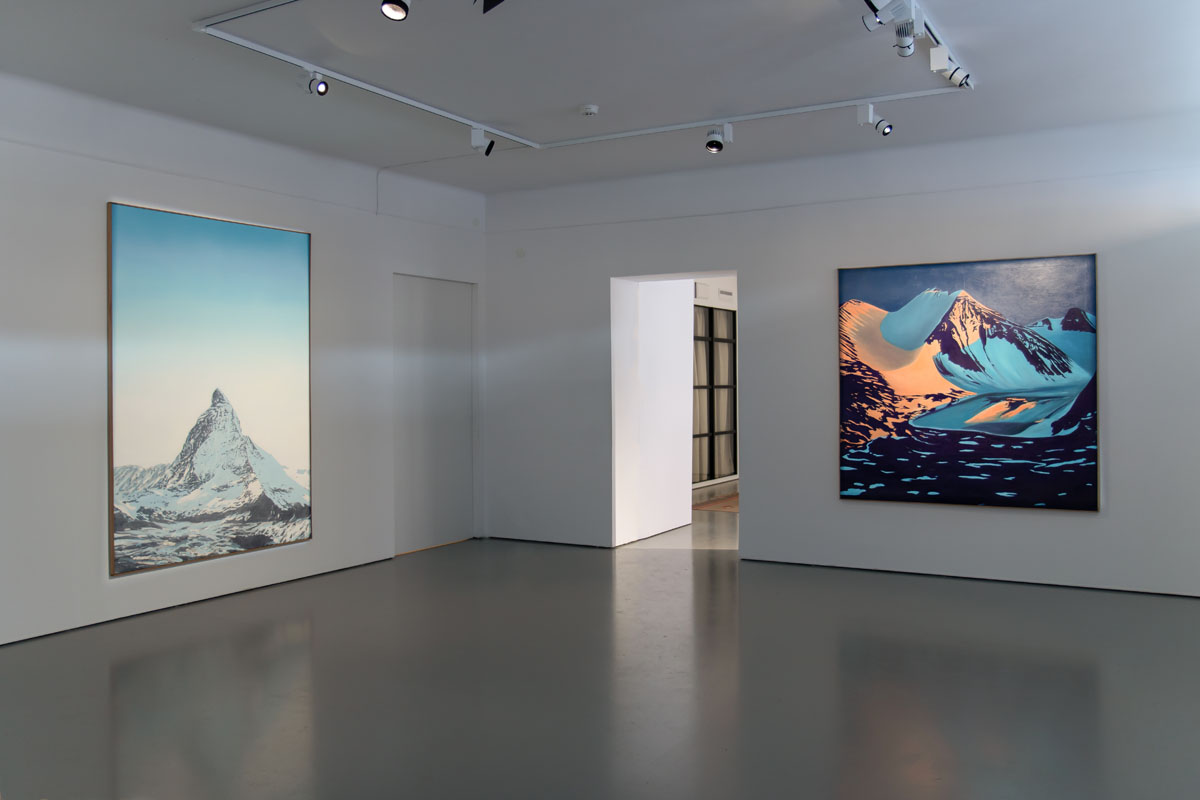
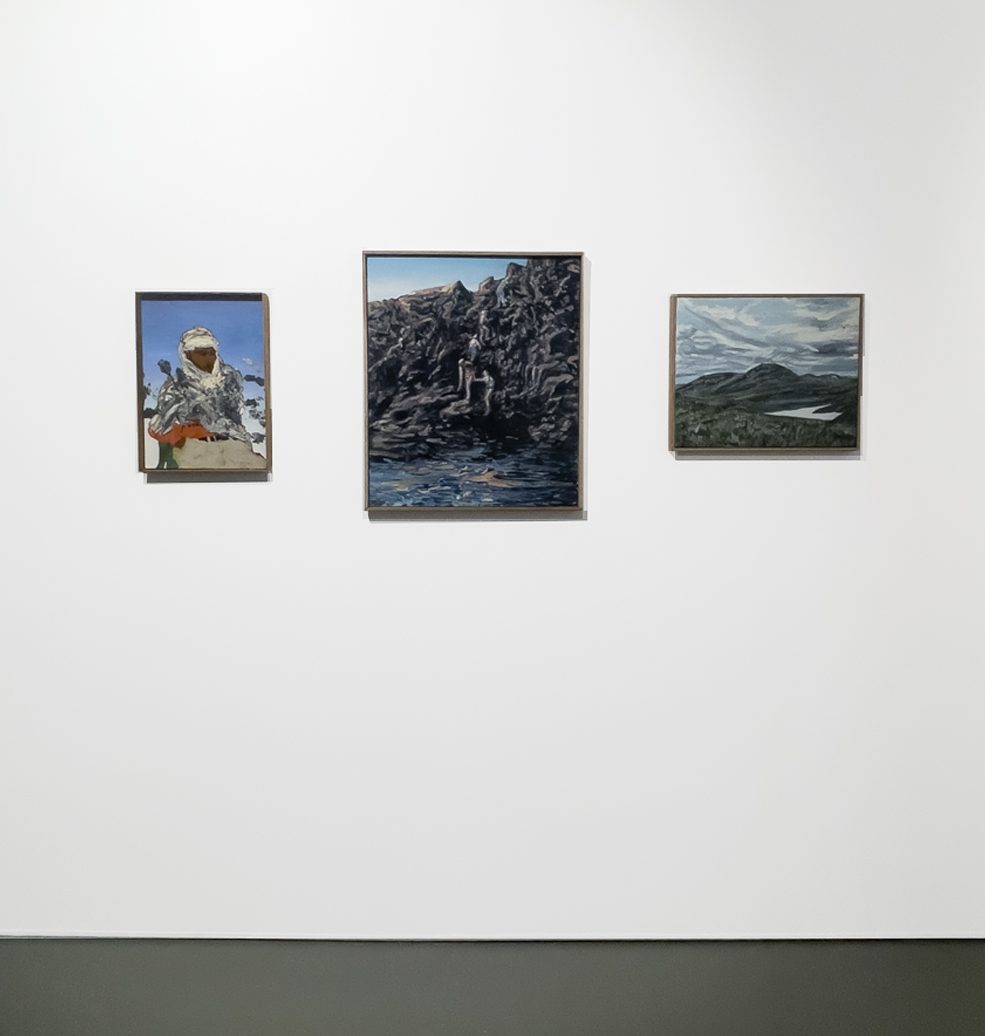
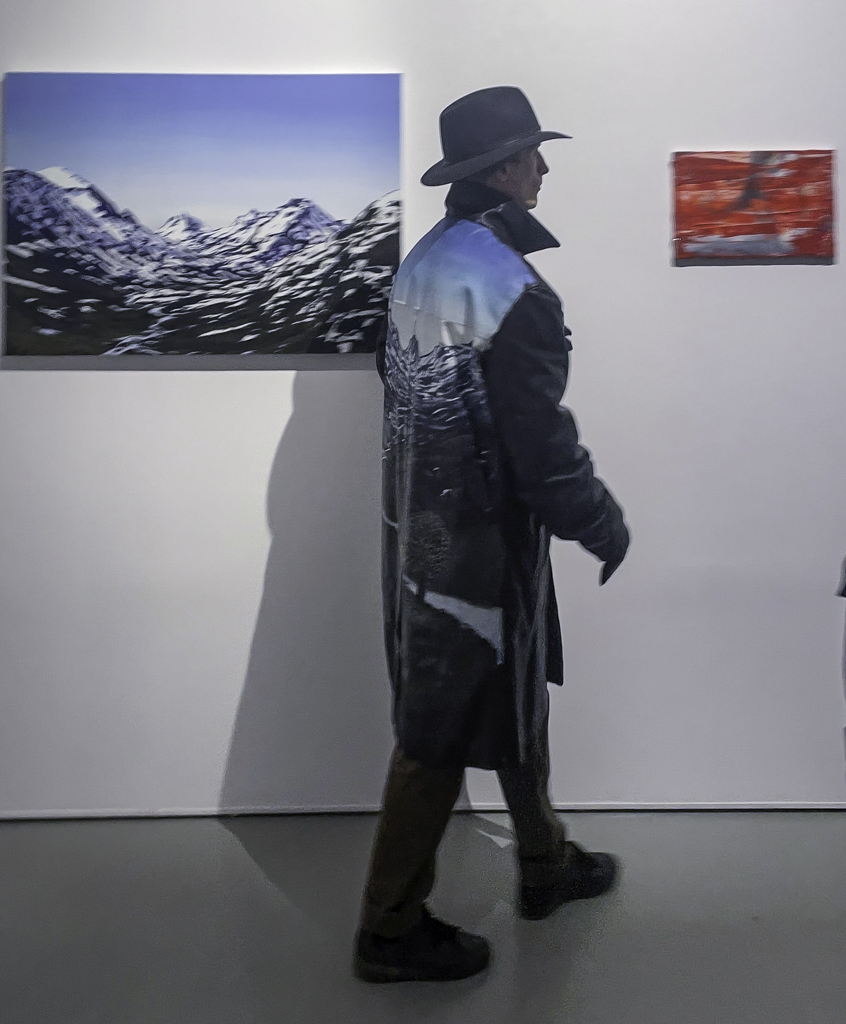
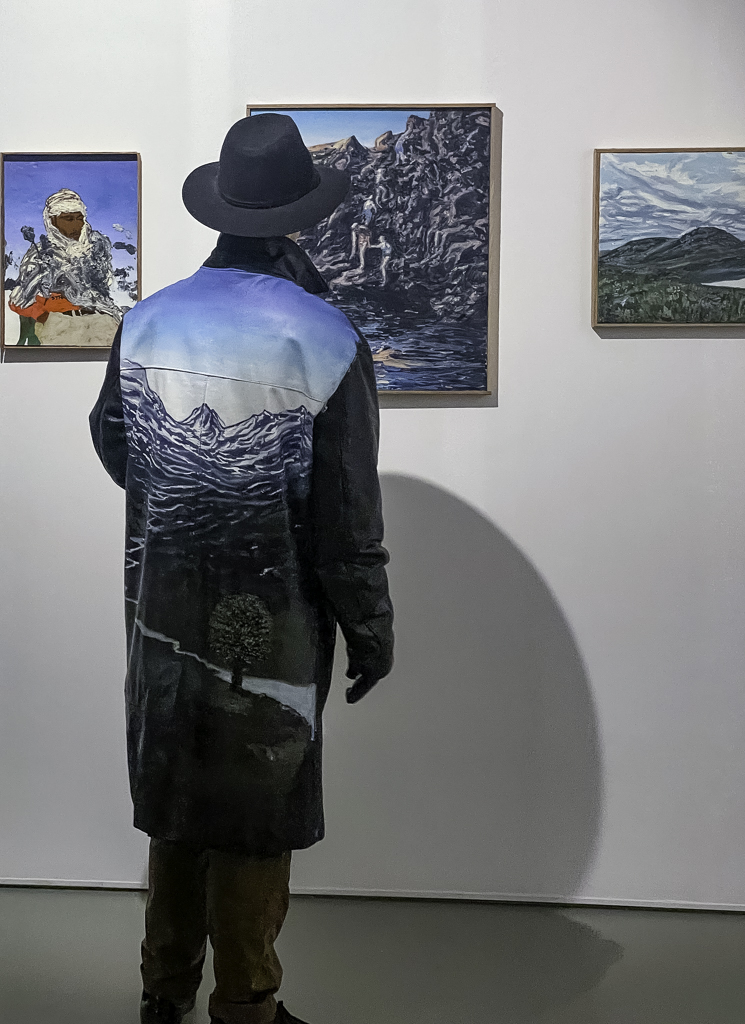
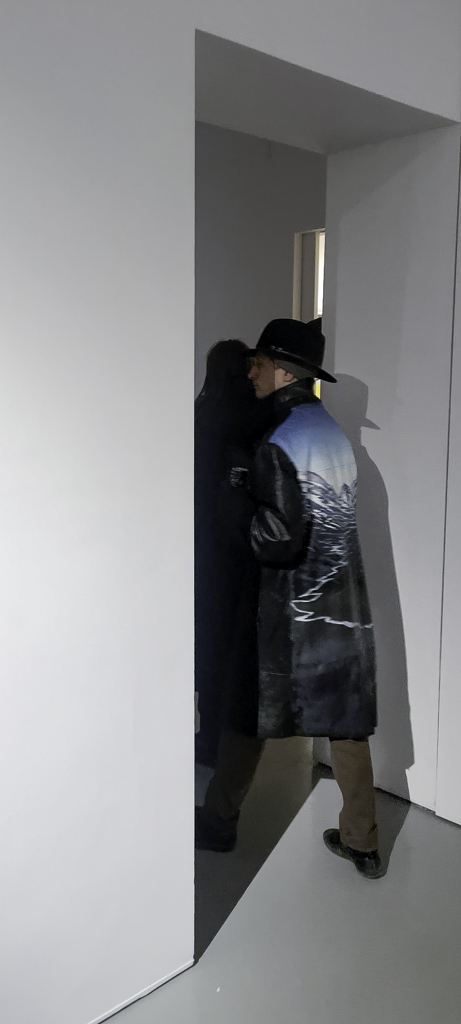
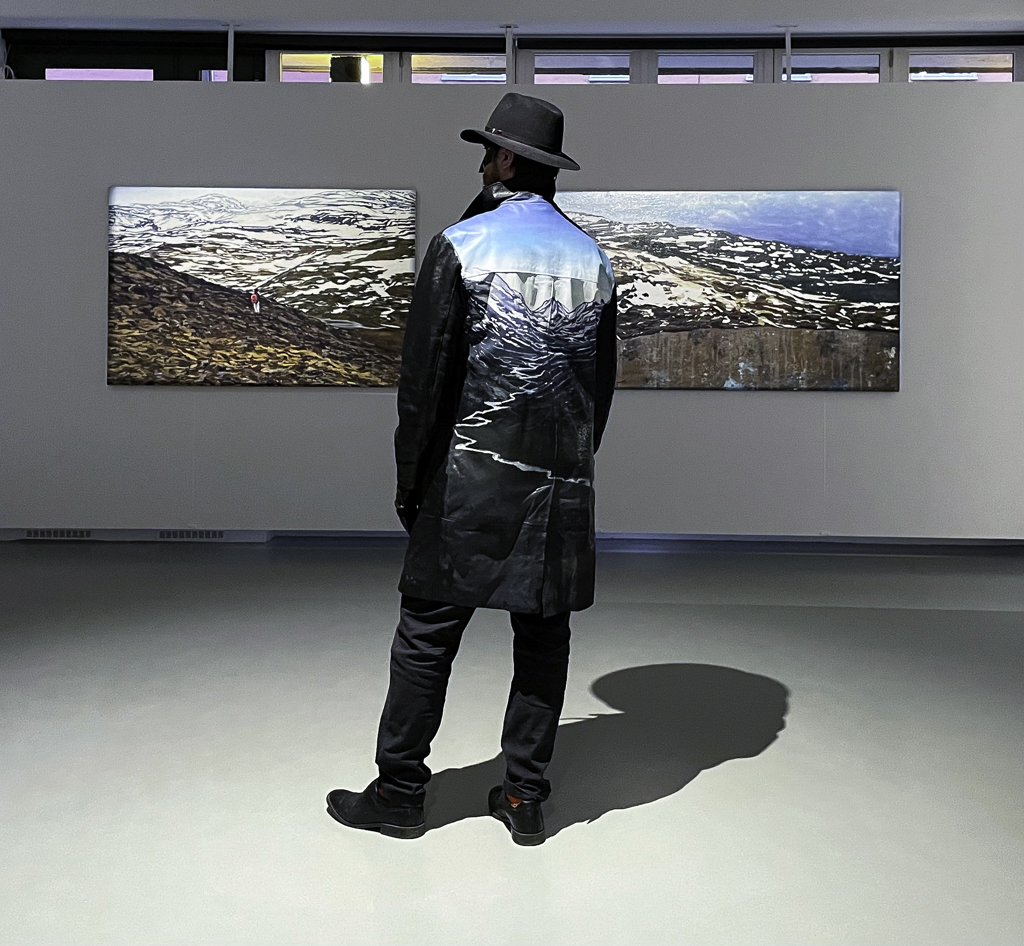

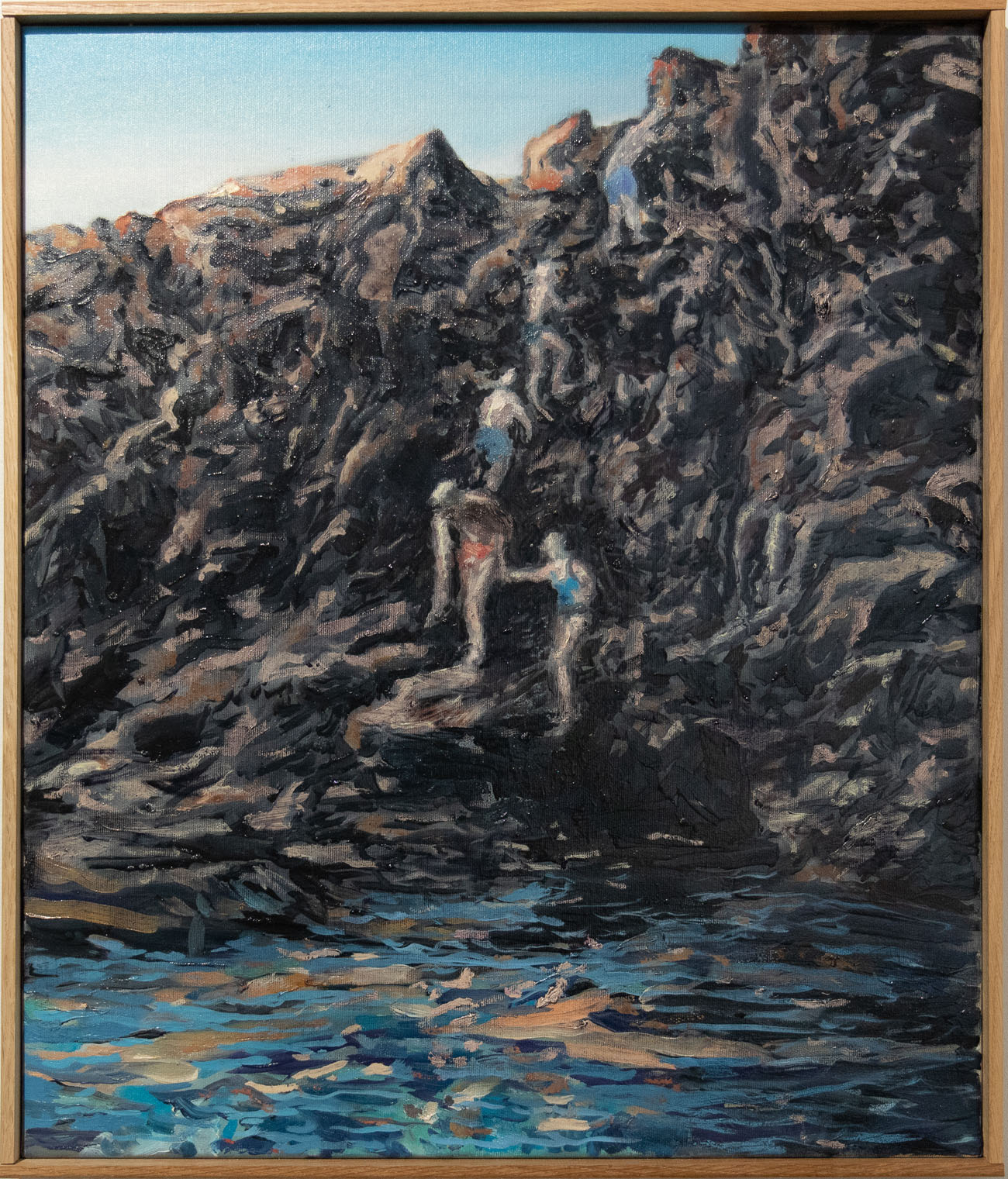
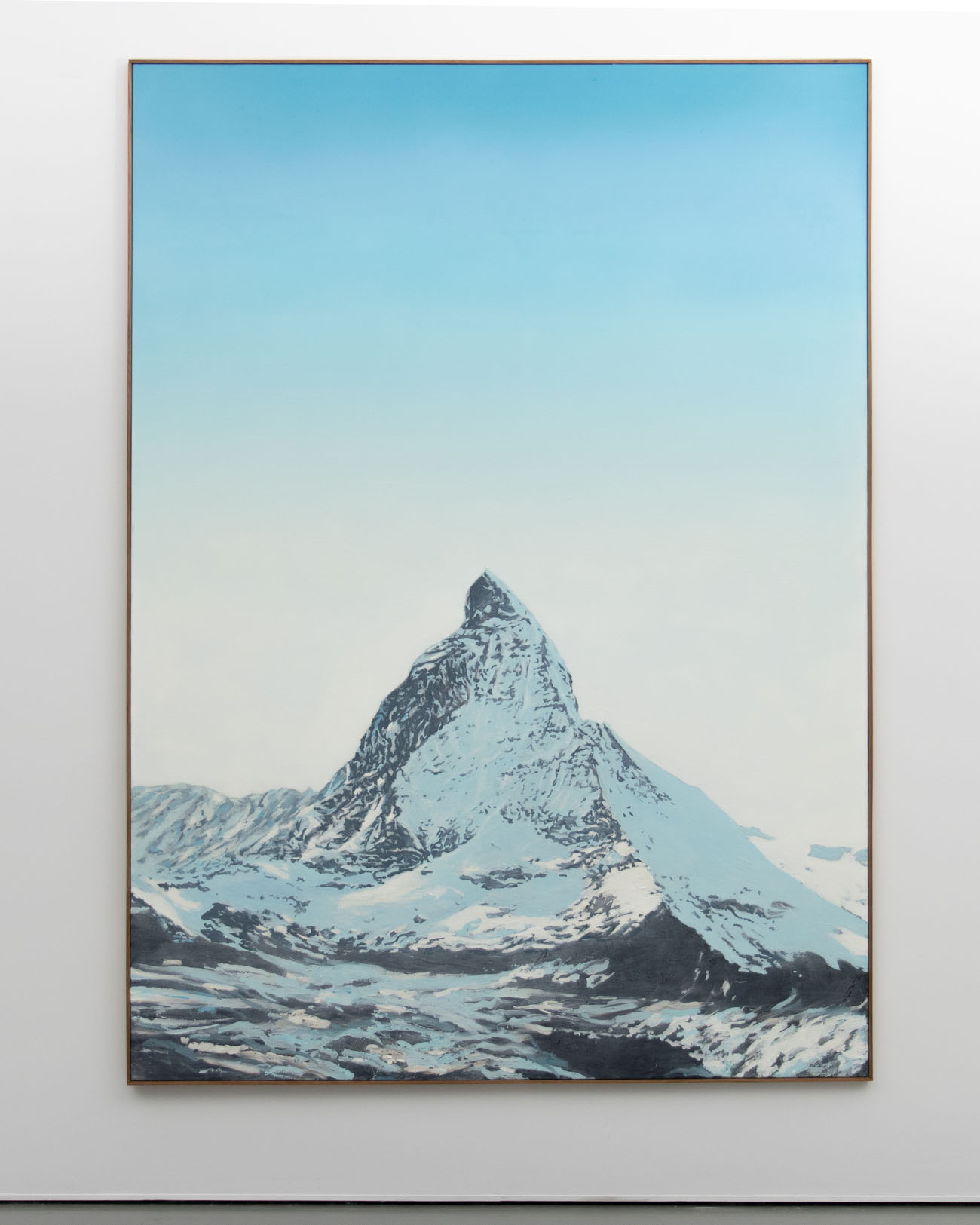
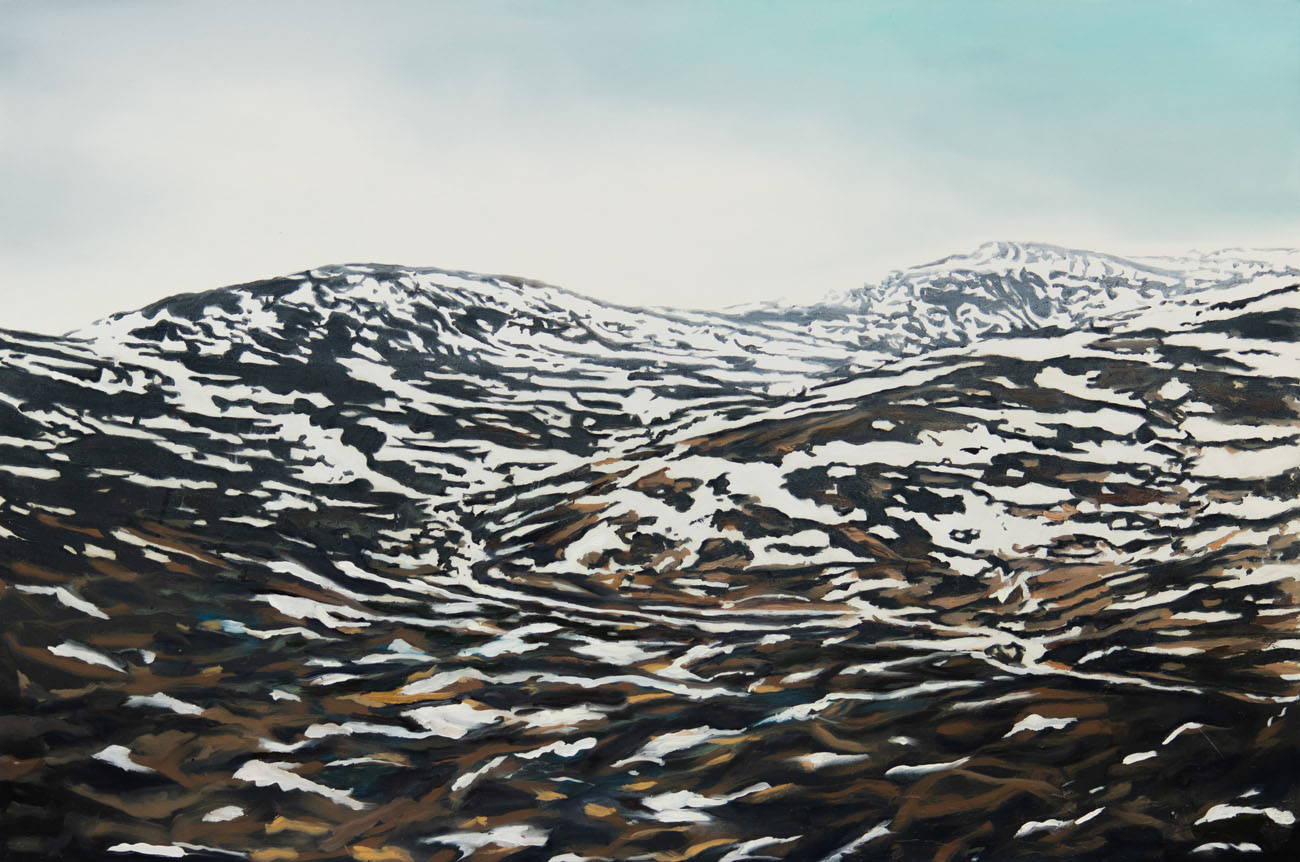
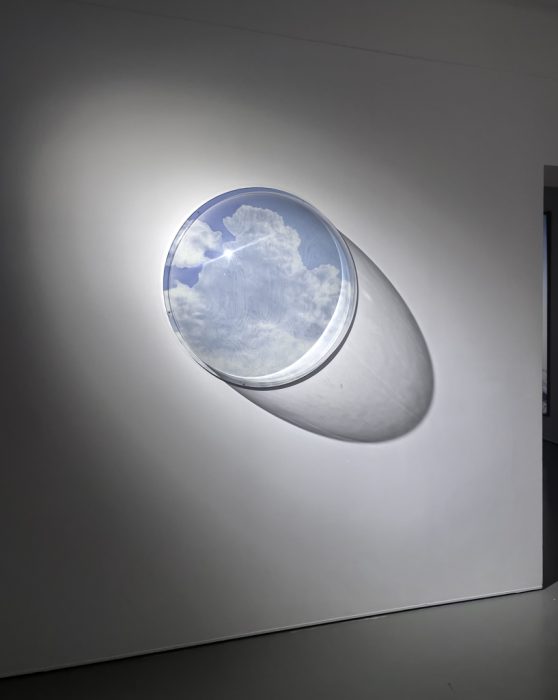
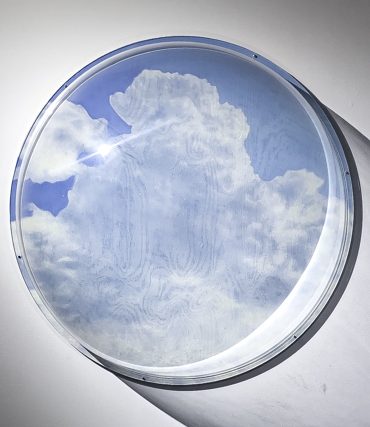
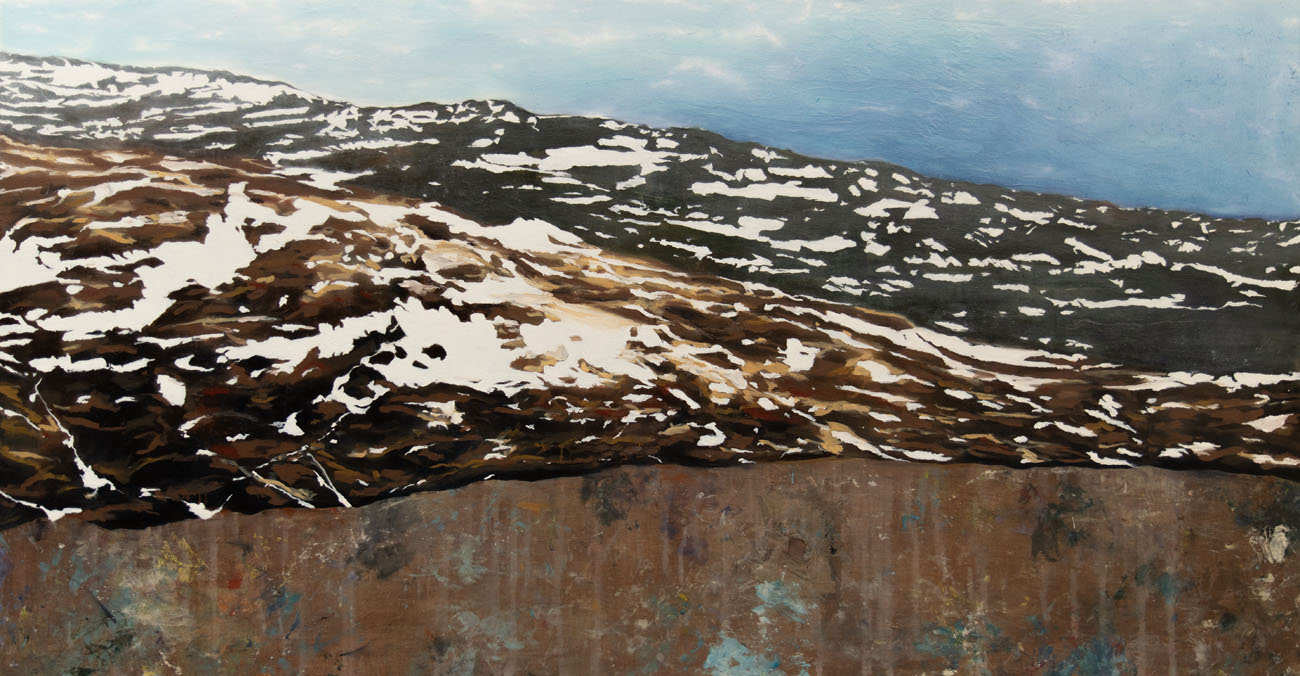
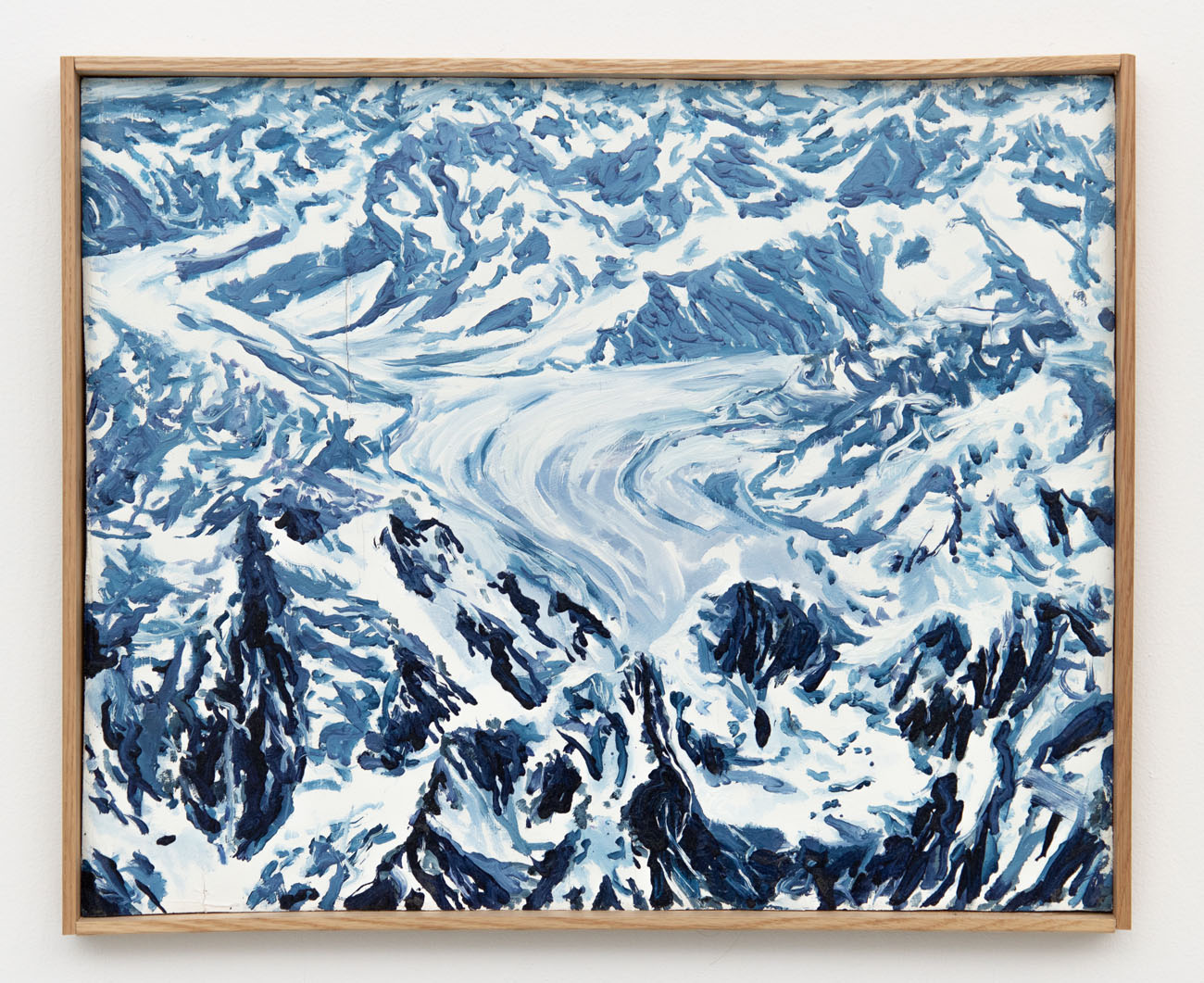
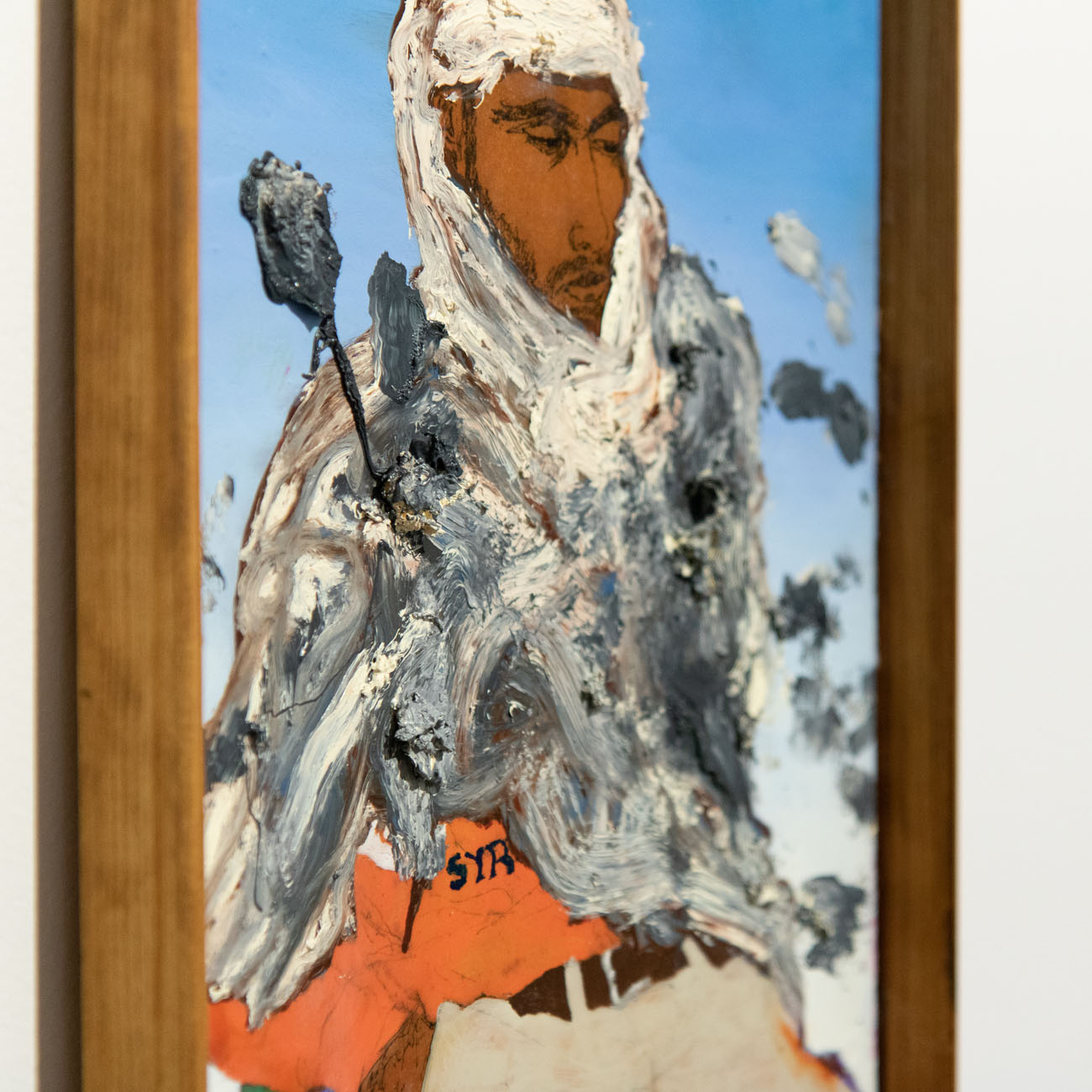
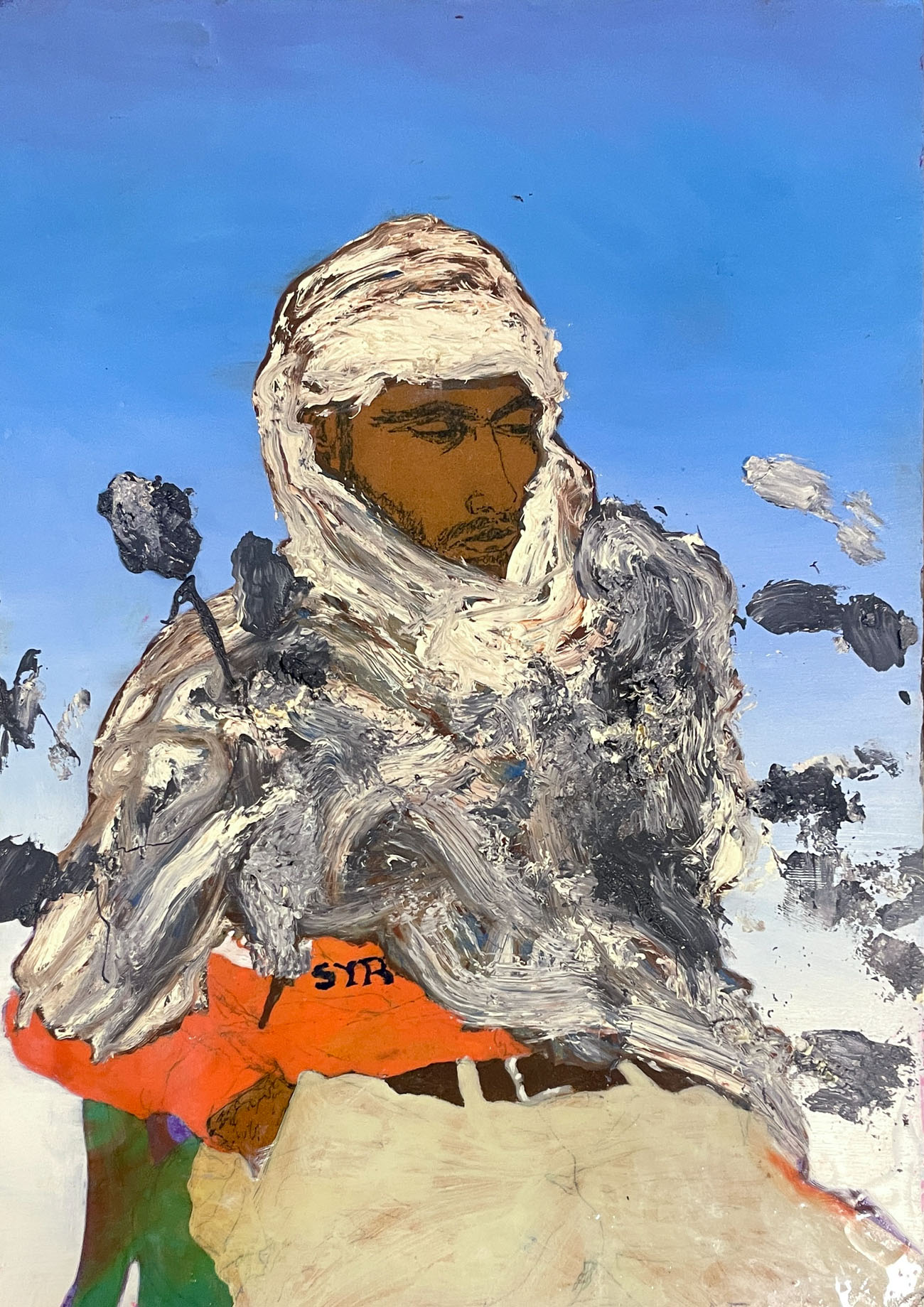
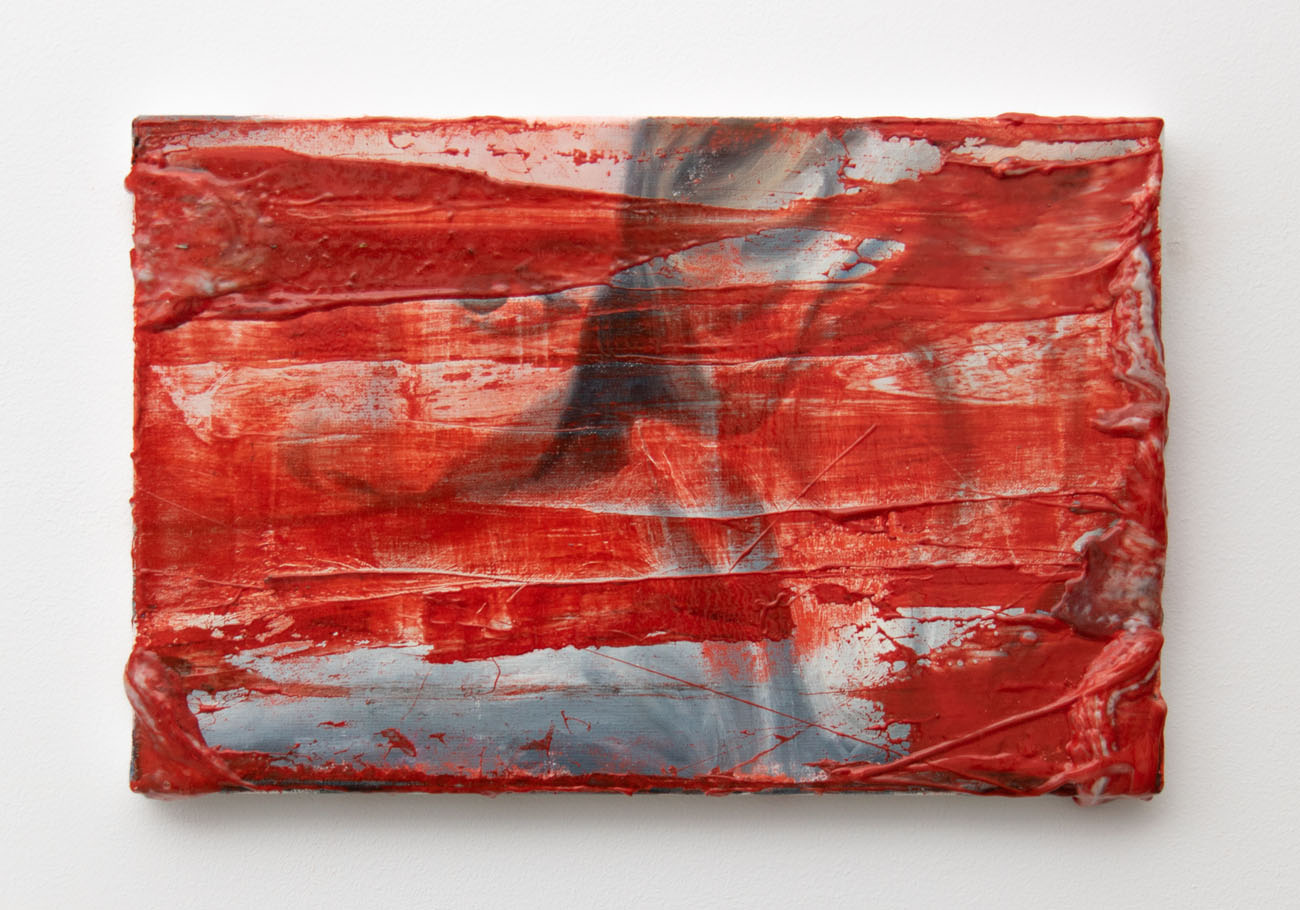
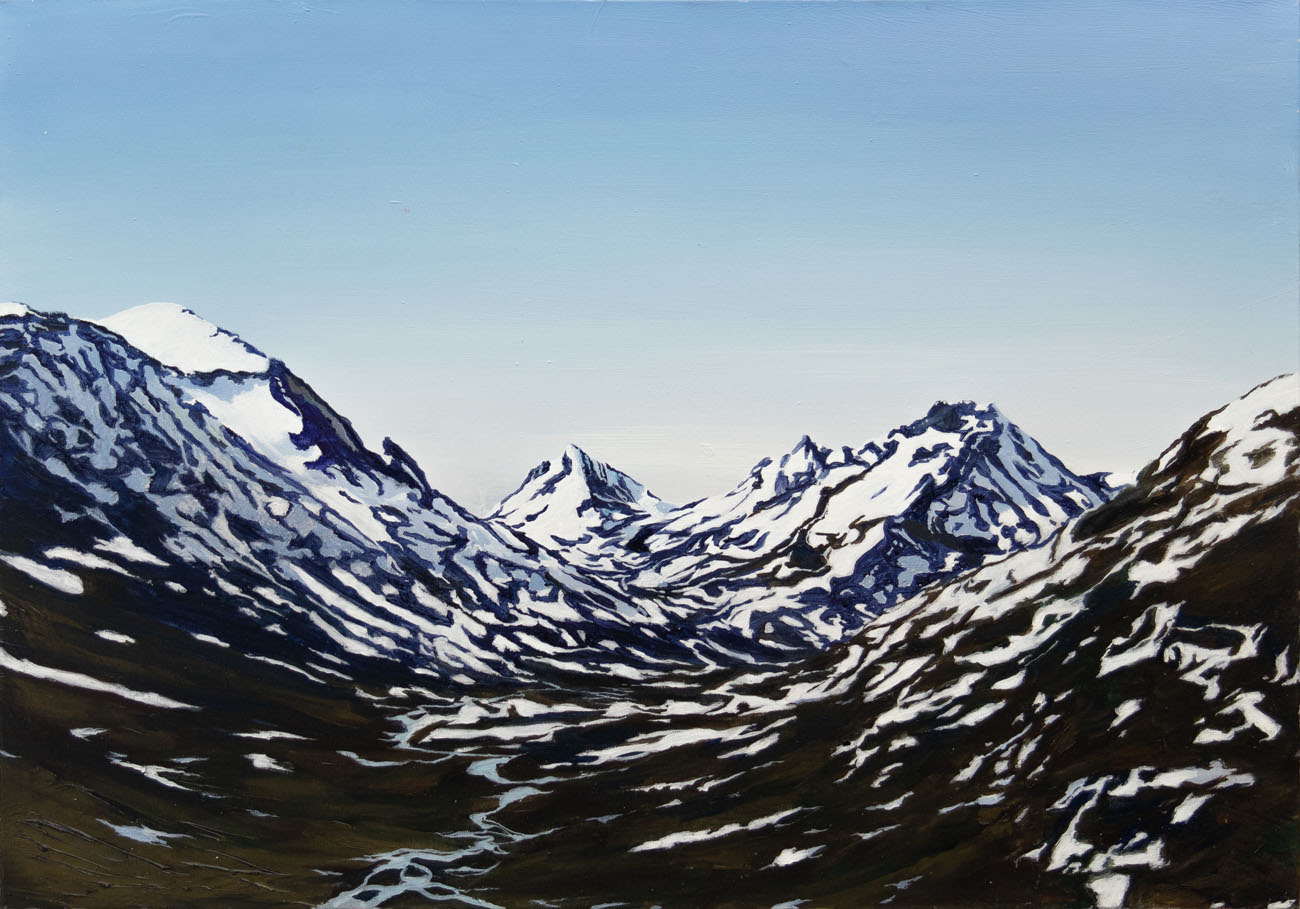
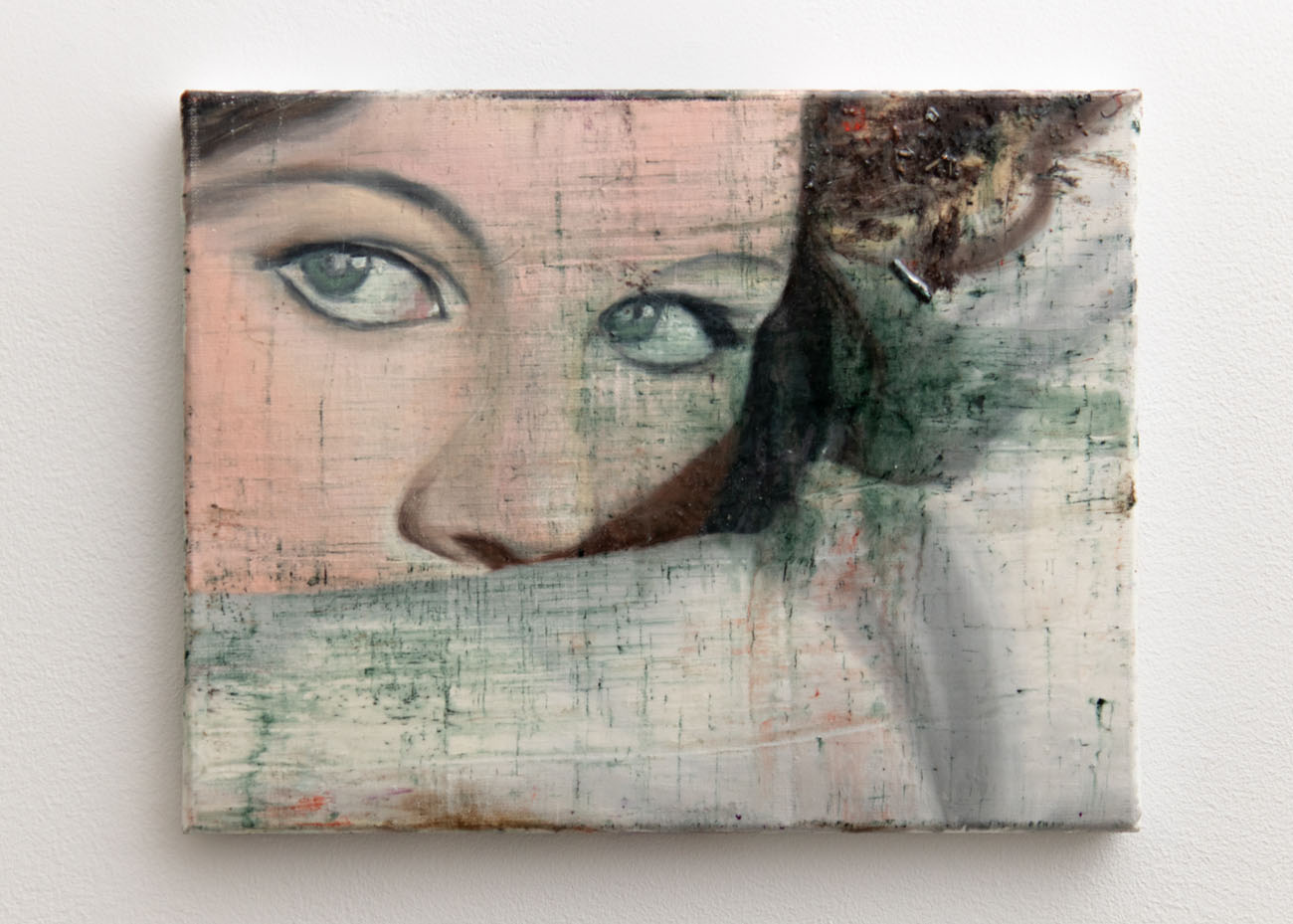

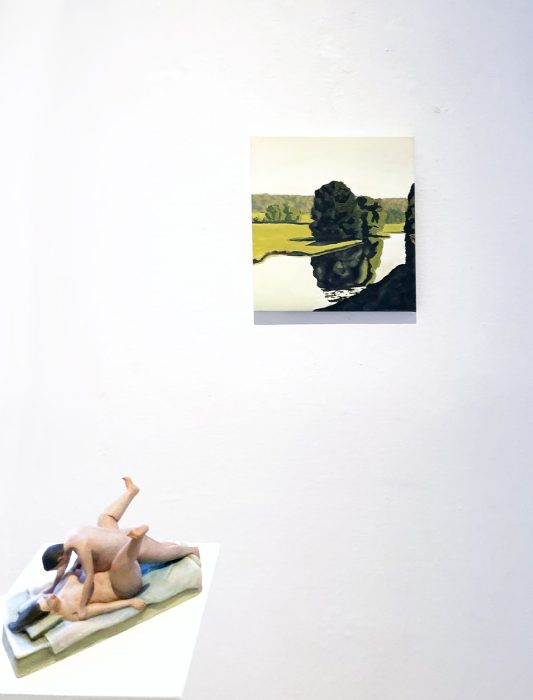
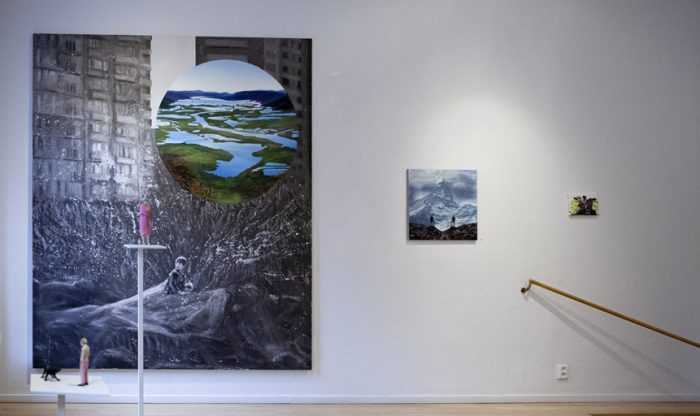
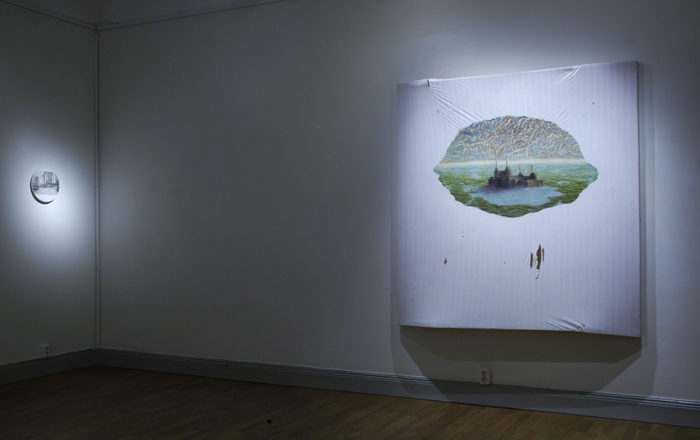
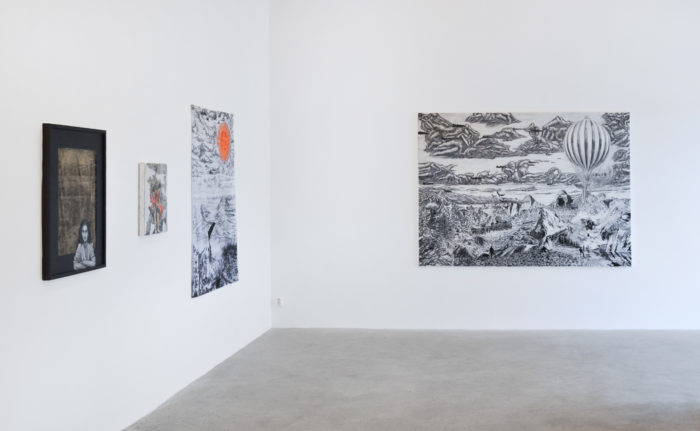
man cave, duo show with Henrik Ekesiöö at Curated By Ebba de Faire c/o Sotheby´s Stockhom, 2022
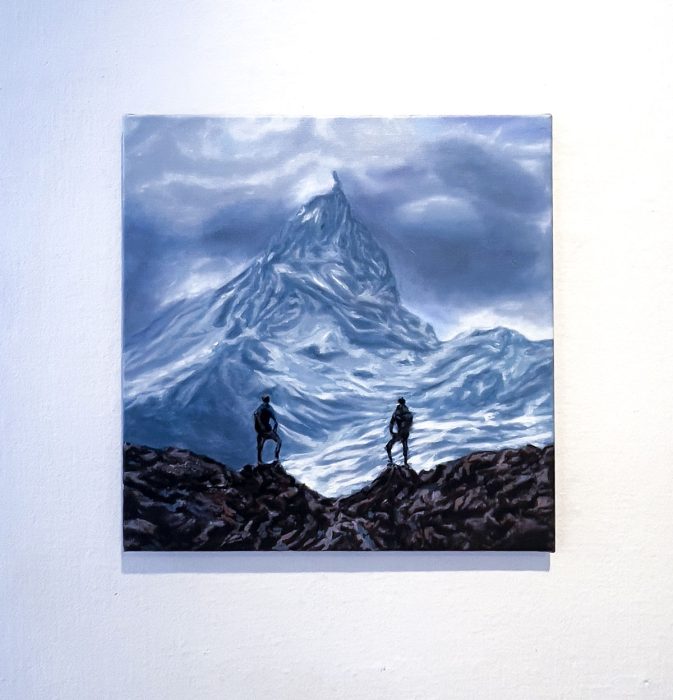
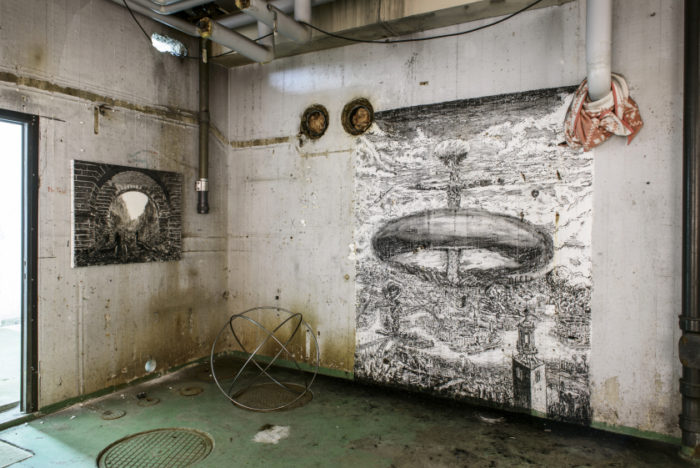
utanför tiden
(out of time)
oil on canvas
50 x 50 cm
2022
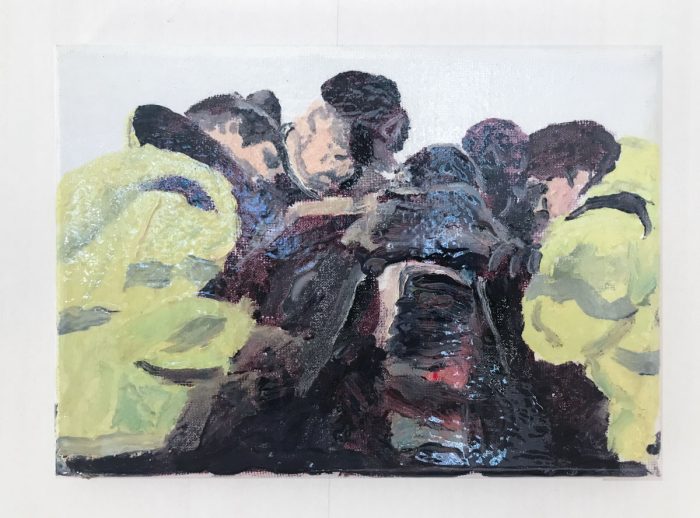
Vid grindarna II
(at the Gates 2)
Olja, tusch och lack på duk ca 42 x 17 cm
2021-2022
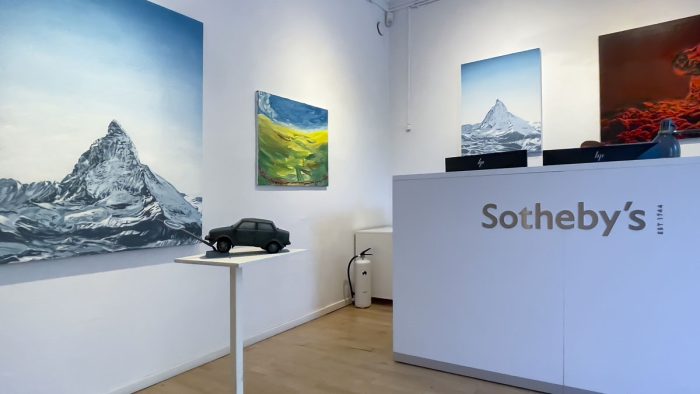
man cave, duo show with Henrik Ekesiöö at Curated By Ebba de Faire c/o Sotheby´s Stockhom Oktober 2022
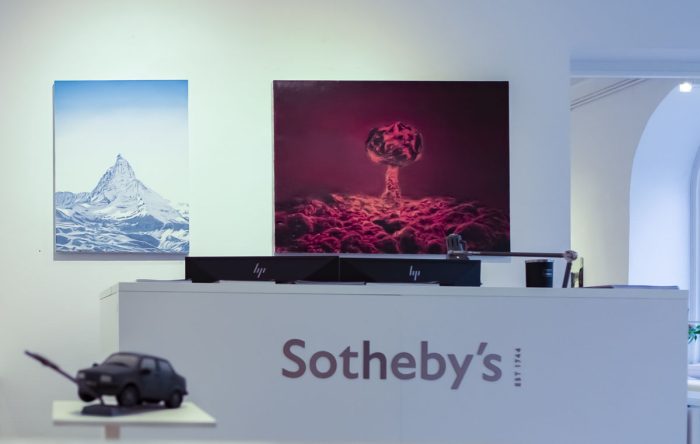

Vid grindarna
Olja, tusch och lack på duk ca 42 x 17
2021-2022
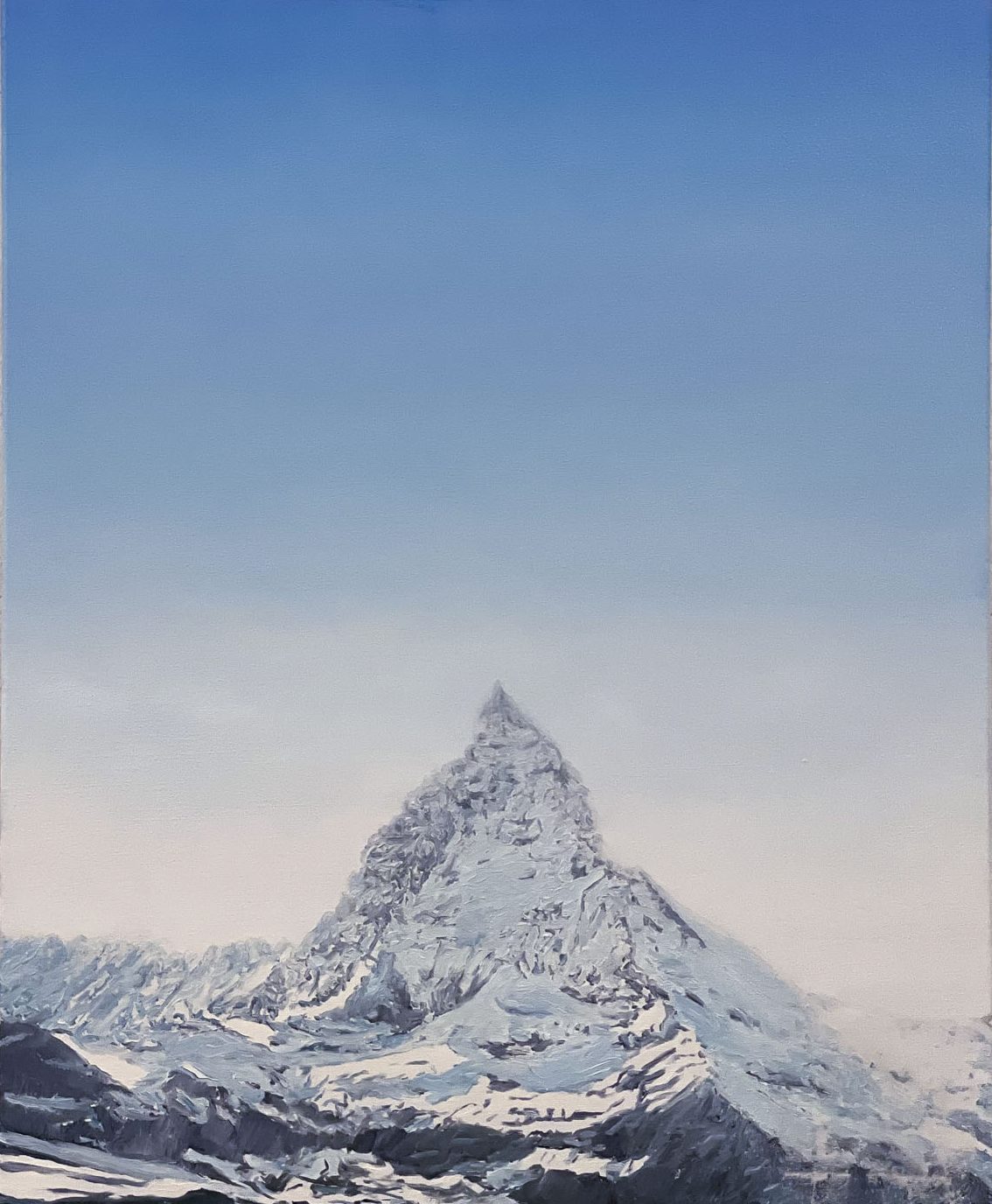
Kristallskeppet /
Crystalships, stardust, chambers of mist olja på duk
80 x 65 cm
2022
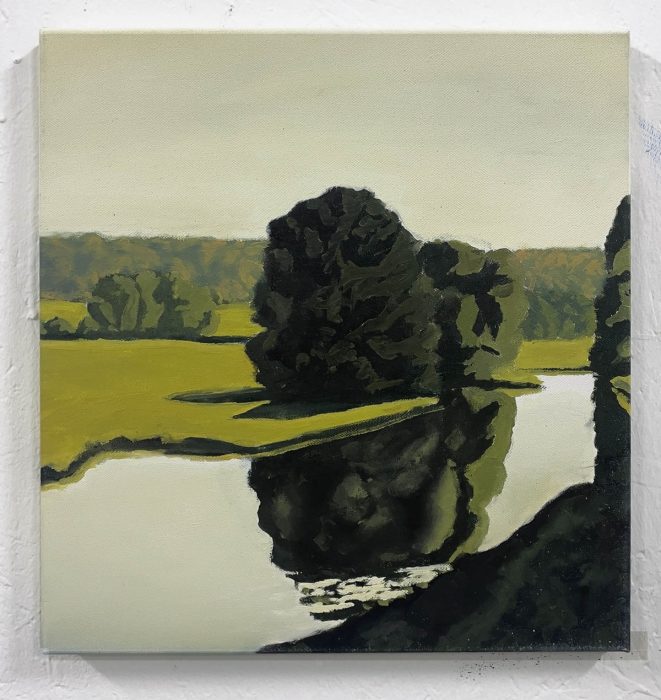
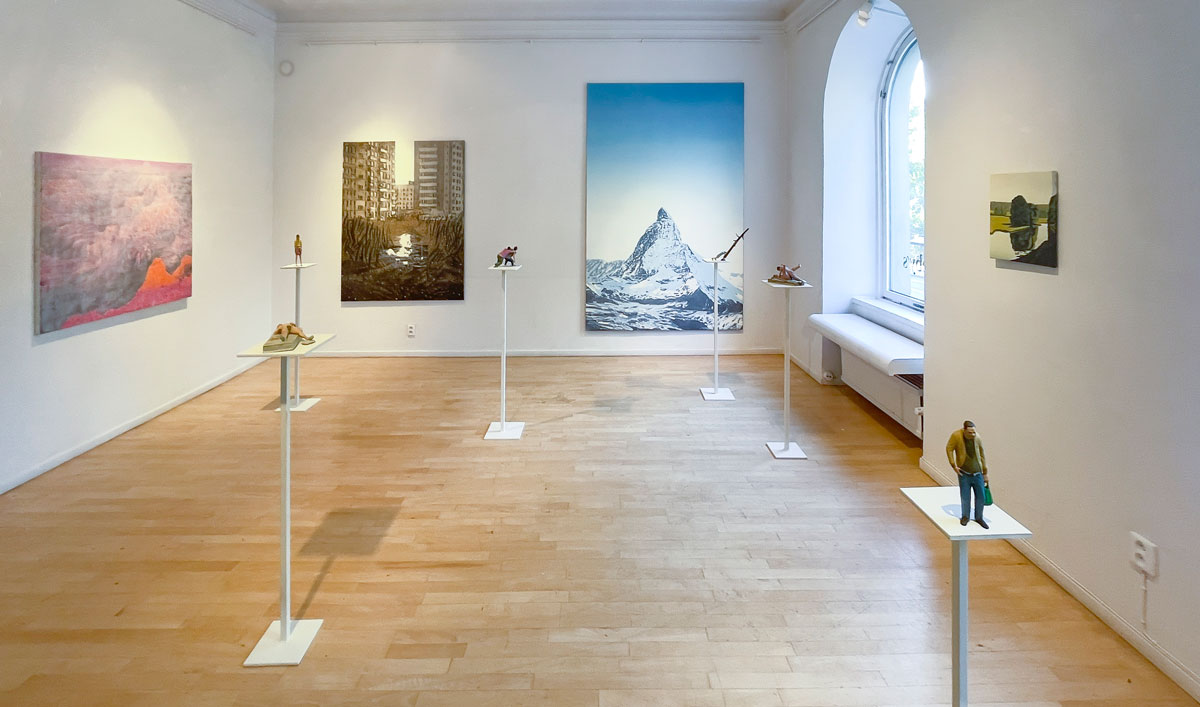
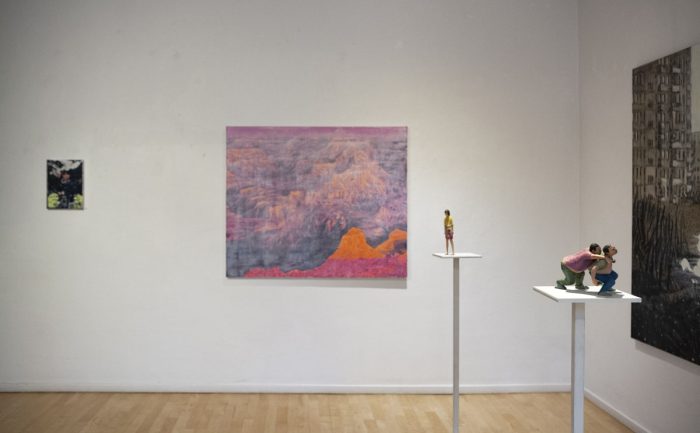
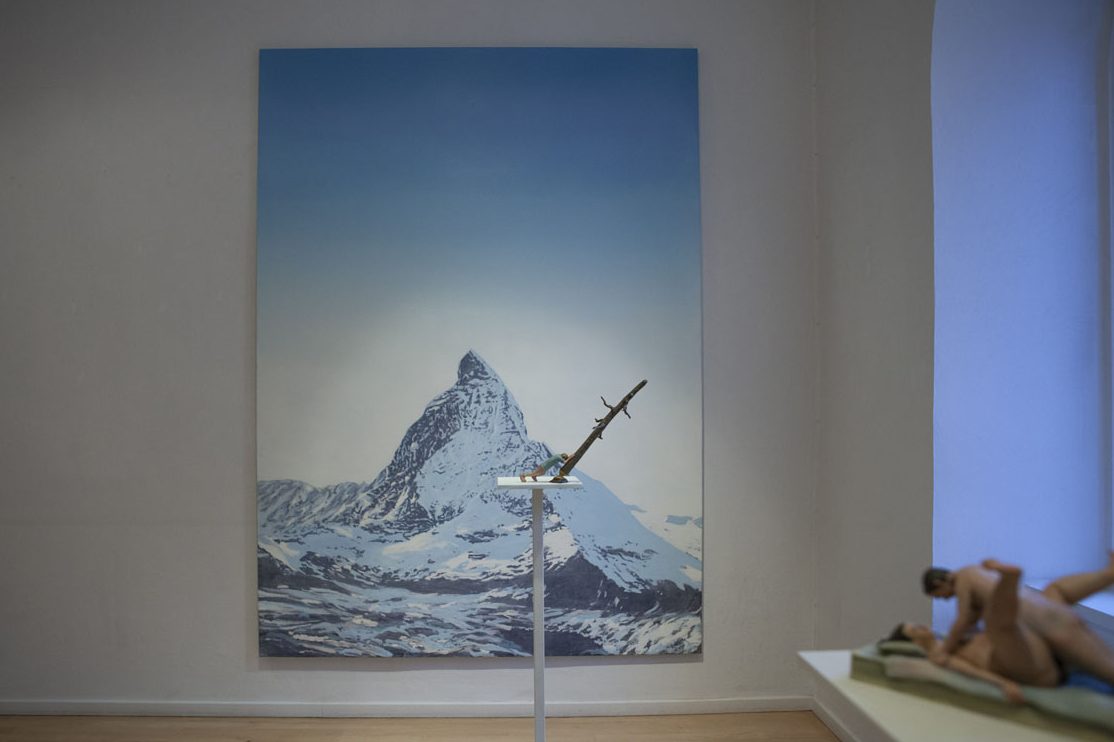
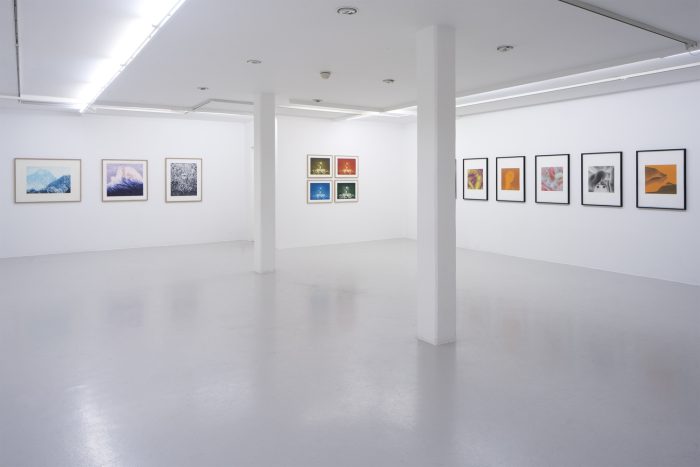
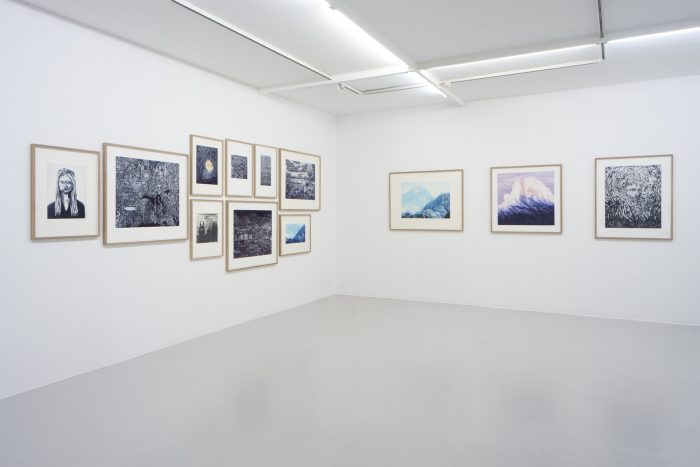
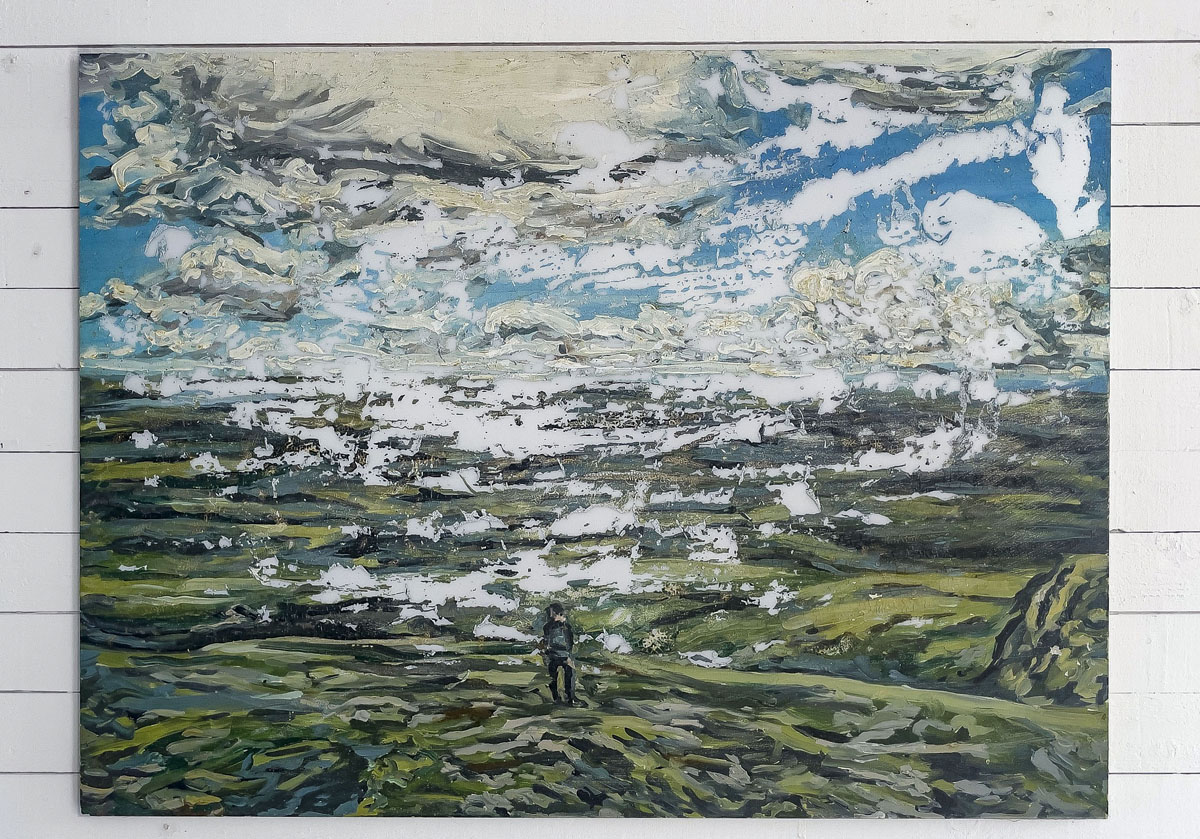
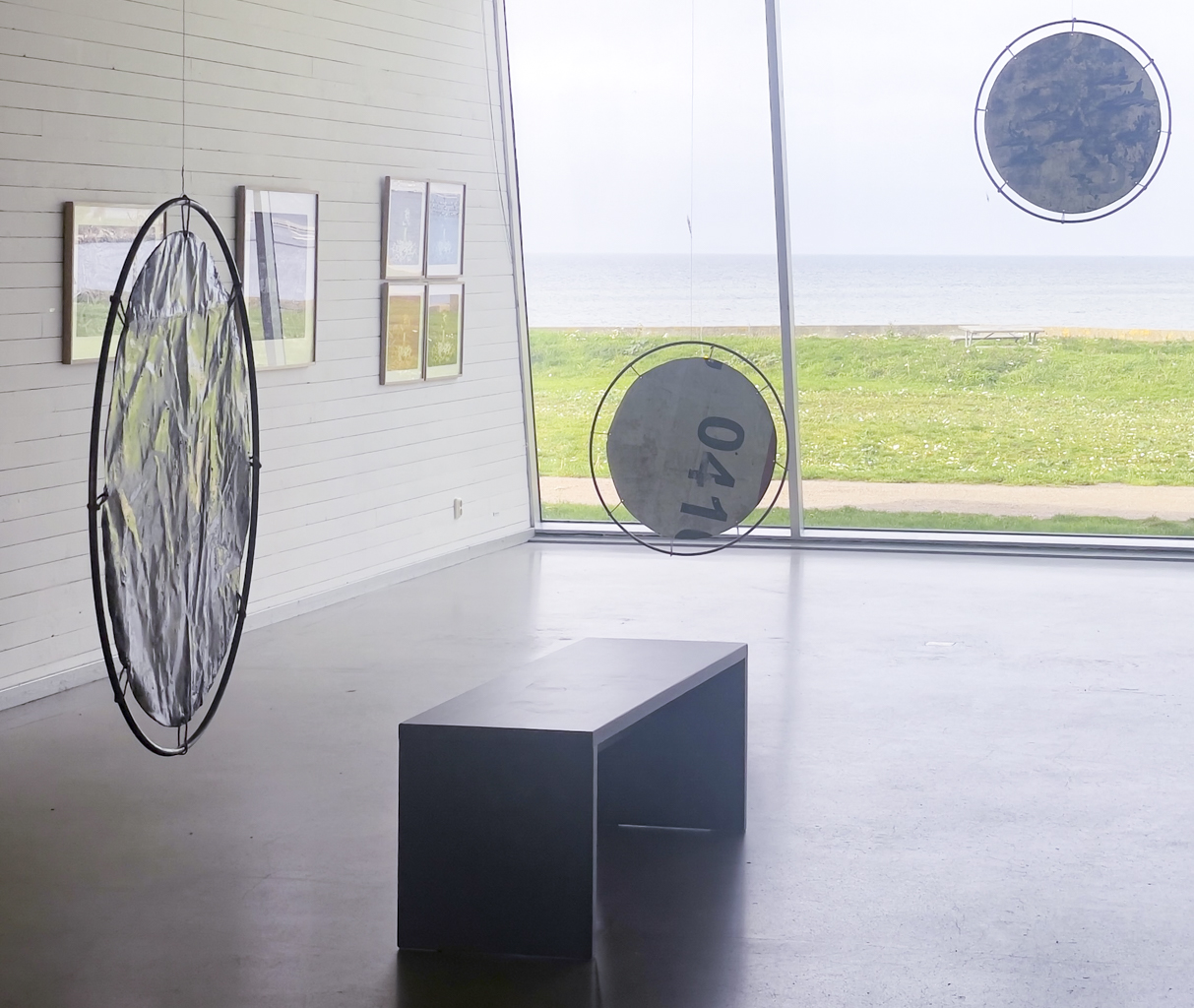
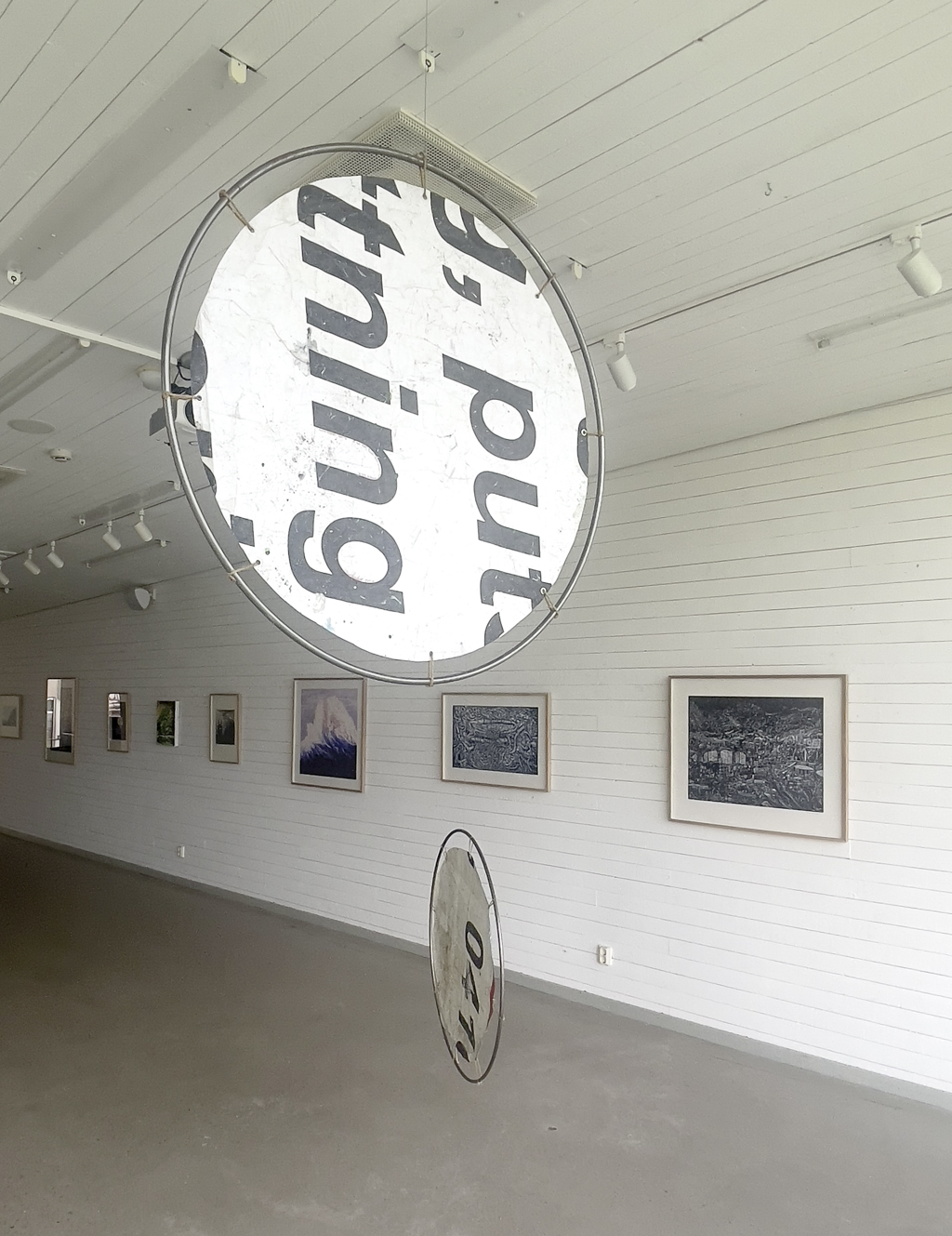
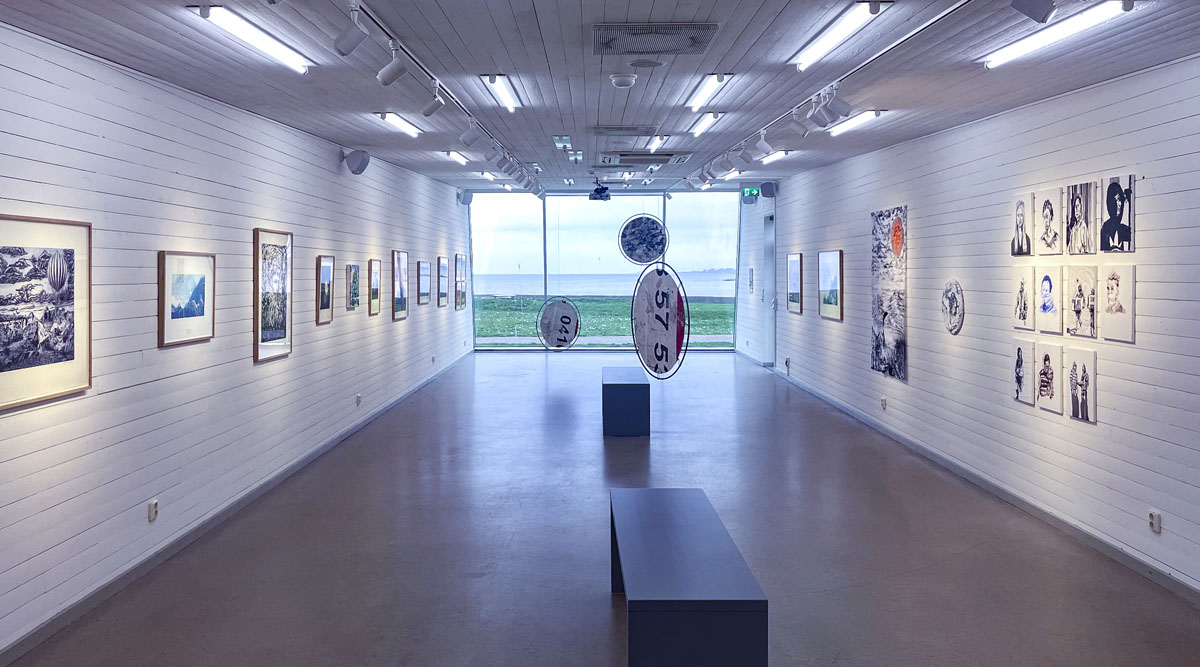
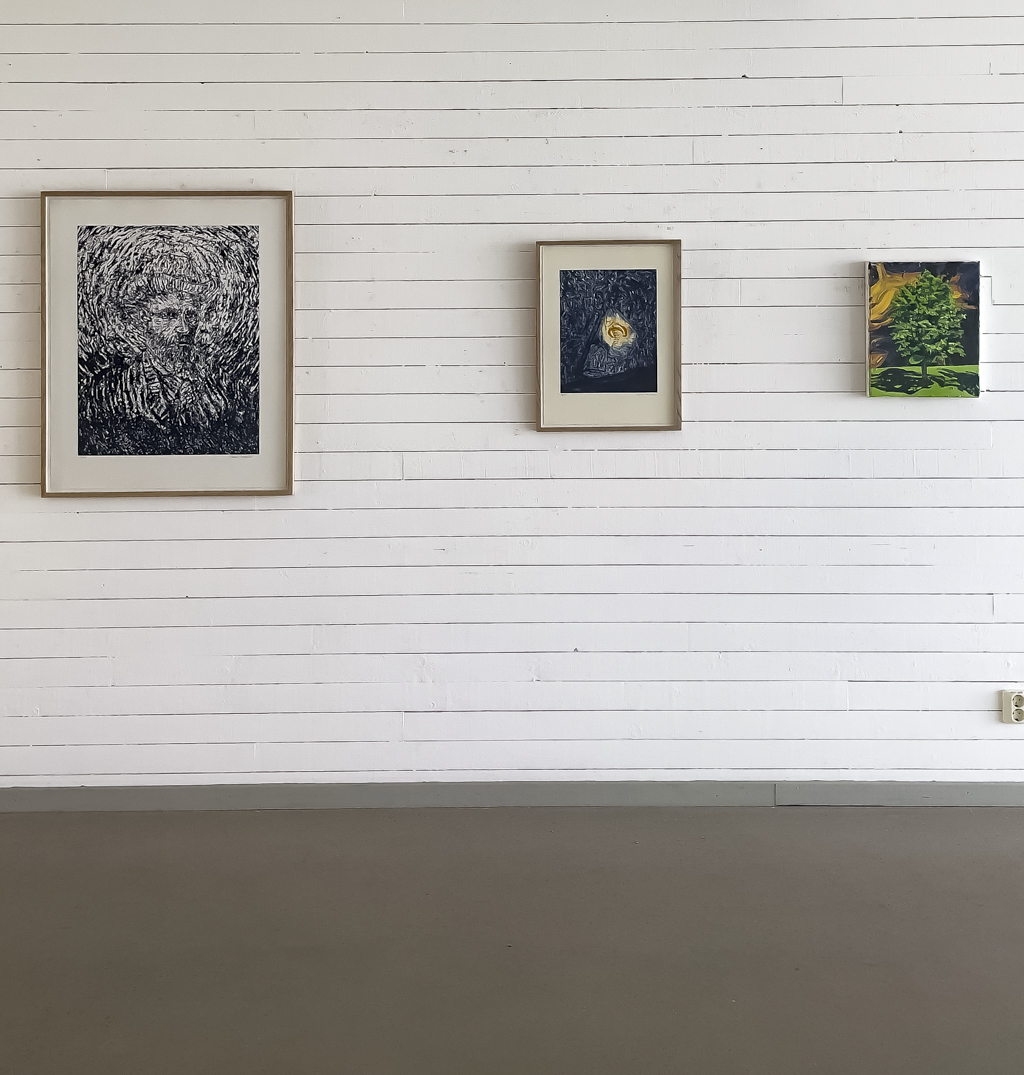
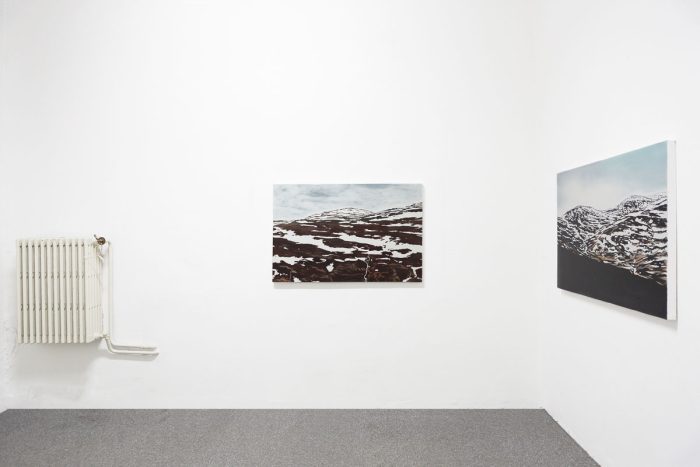
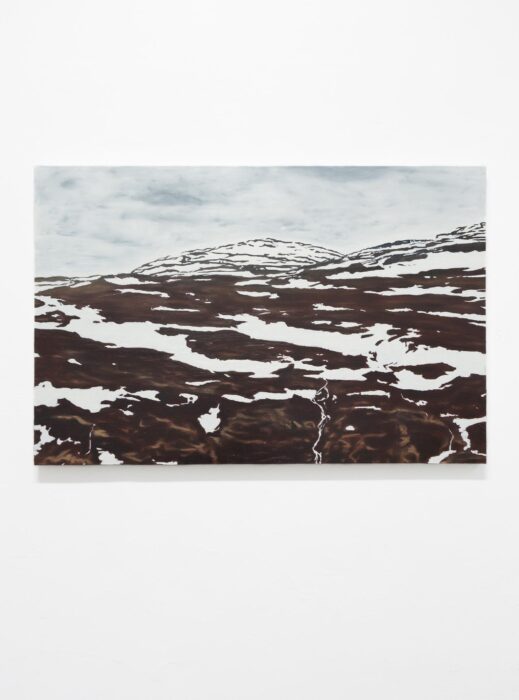
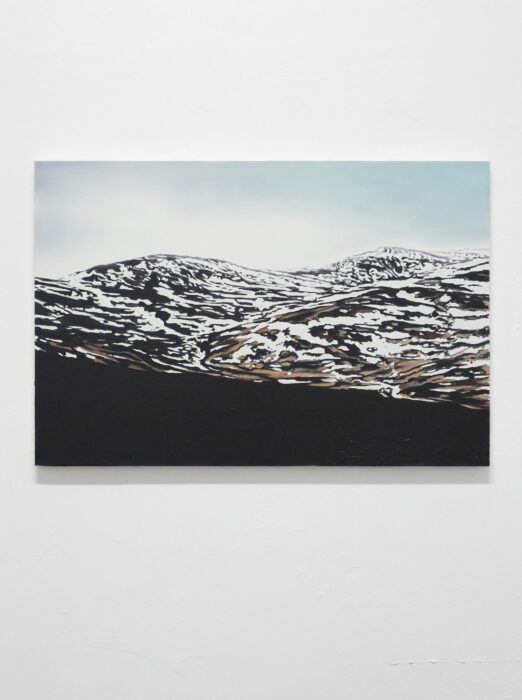
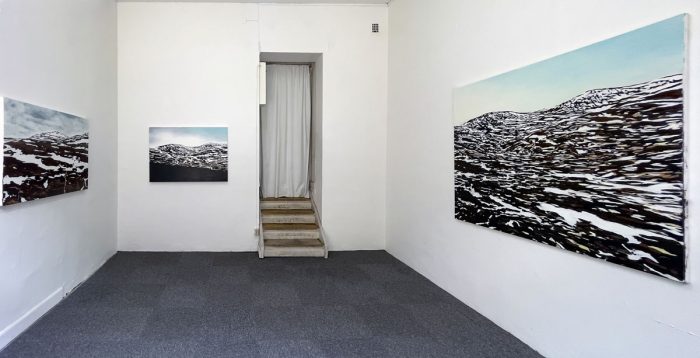
Solo show Dunkelhet at Galleri Cora Hillebrand, Gothenburg Sept-Oct 2022
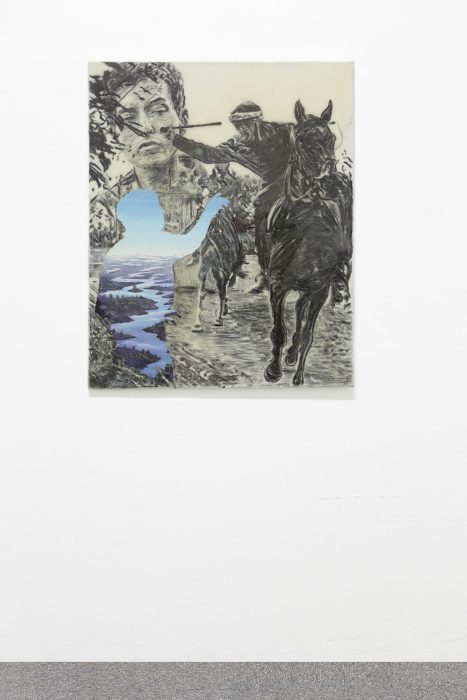
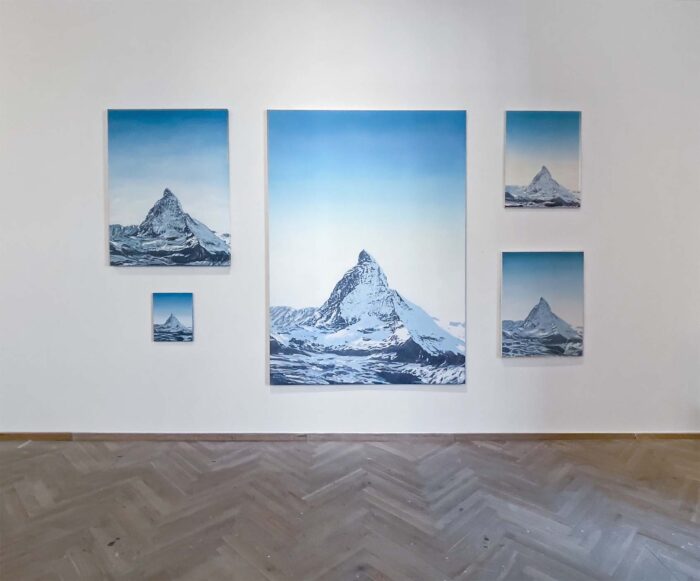
Chart Art Fair with Cora Hillebrand Gallery, Kunsthal Charlottenborg, Copenhagen 2022
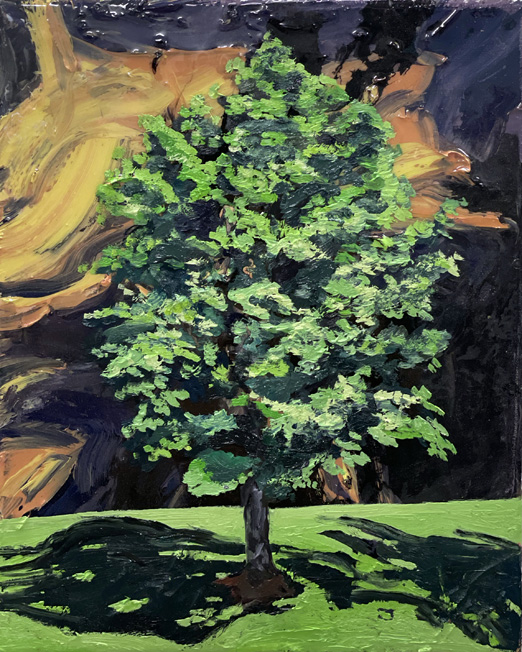
aska, oil and resin on canvas,
2021
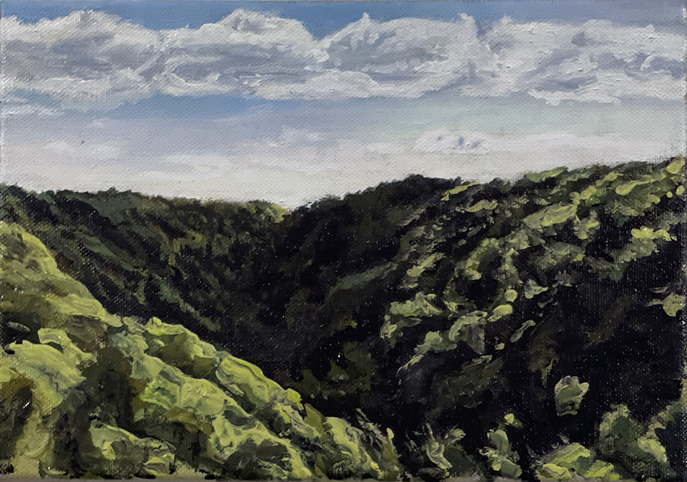
hatt, oil and resin on canvas
2021-2022
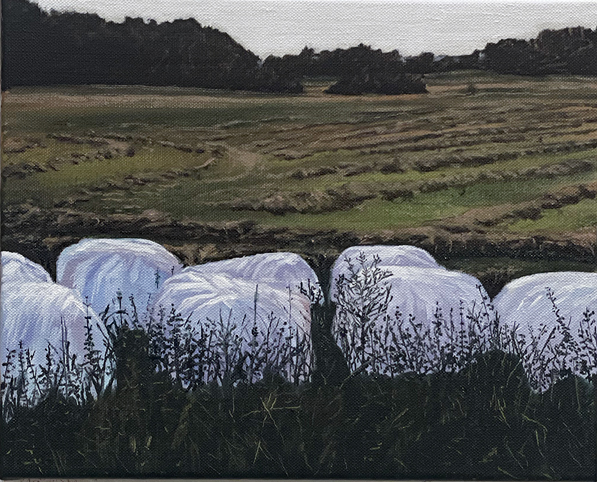
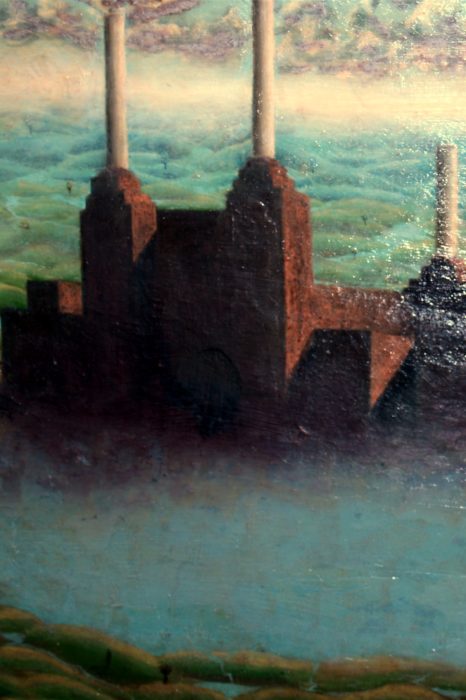
Hay, oli on canvas, 38 by 46 cm. 2021

An unexpected journey
oil on canvas
2021
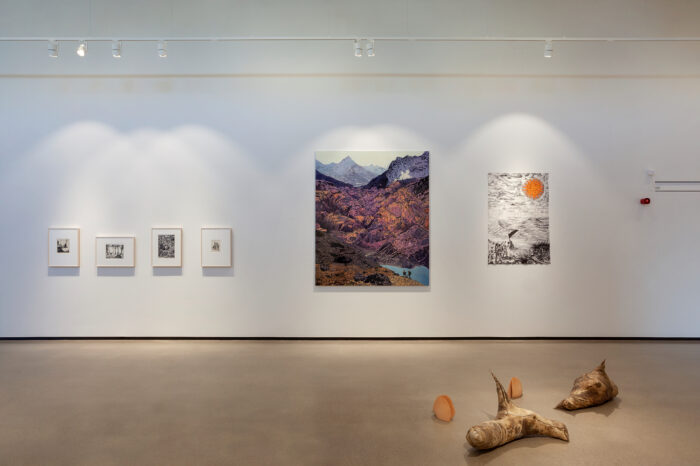
Installation shot from ”Jag bor i en annan värld, men du bor ju i samma.”: Drömmare söder om Hallandsåsen at Ravinen kulturhus, Båstad 2021 (left: Bruno Knutman, floor: Thale Vangen)
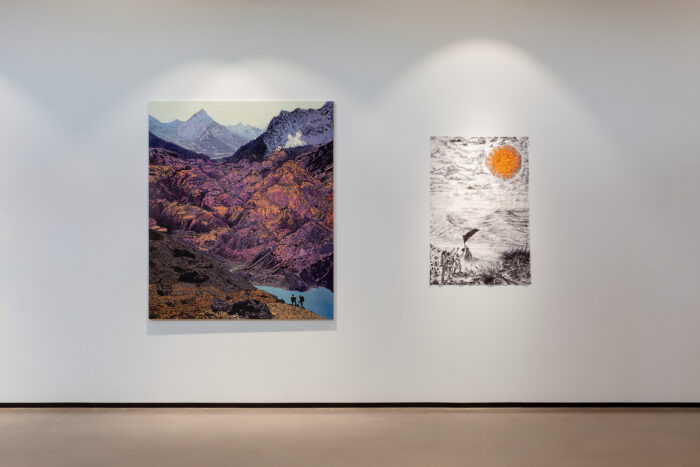
Installation shot from ”Jag bor i en annan värld, men du bor ju i samma.”: Drömmare söder om Hallandsåsen at Ravinen kulturhus, Båstad 2021
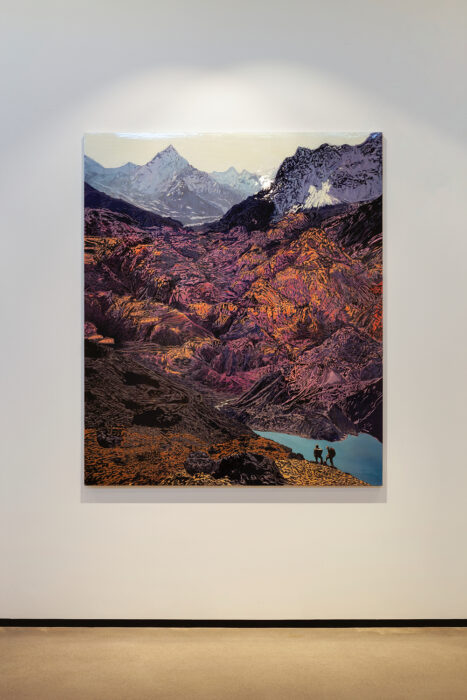
Vandrare, Oil and resin on canvas, 232 x 196 cm
2017-18
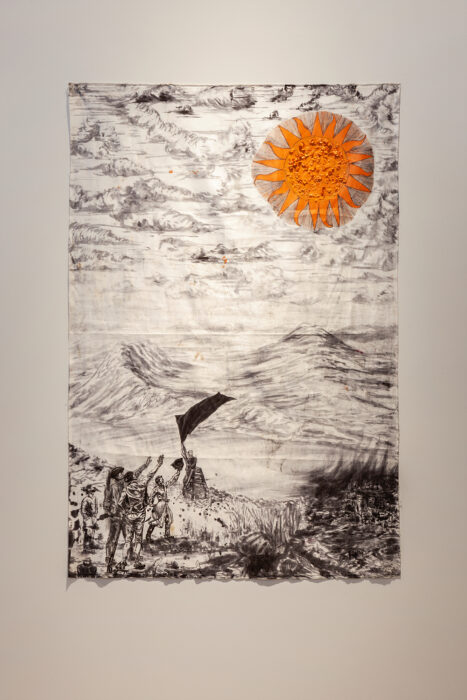
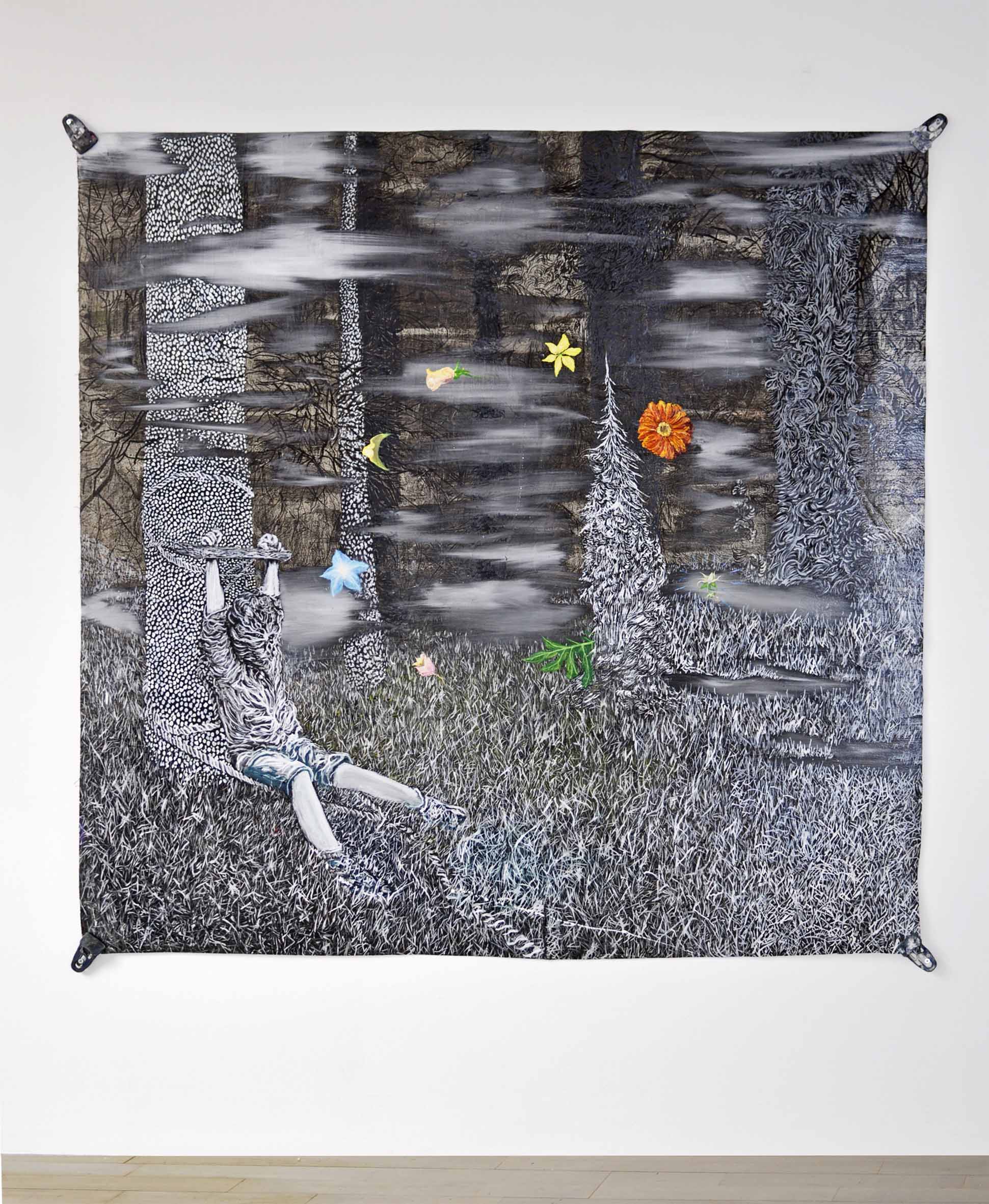
New Dawn for an ol´Sun
Oil and meto ink wash on synthetic silk
2019
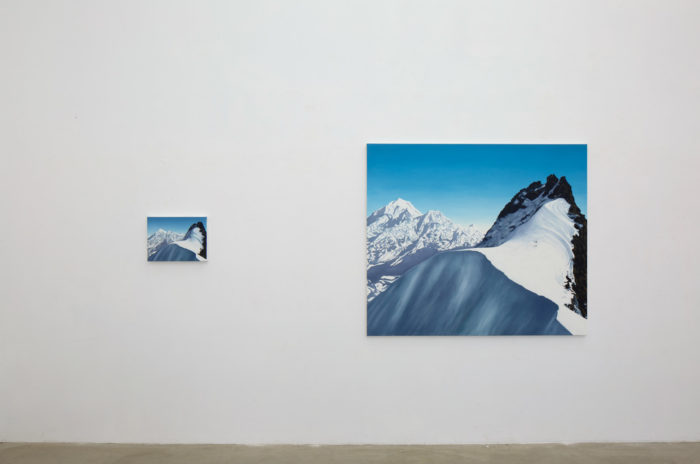
Brev till en annan tid II and I at Galleri Thomas Wallner,
Simris 2021
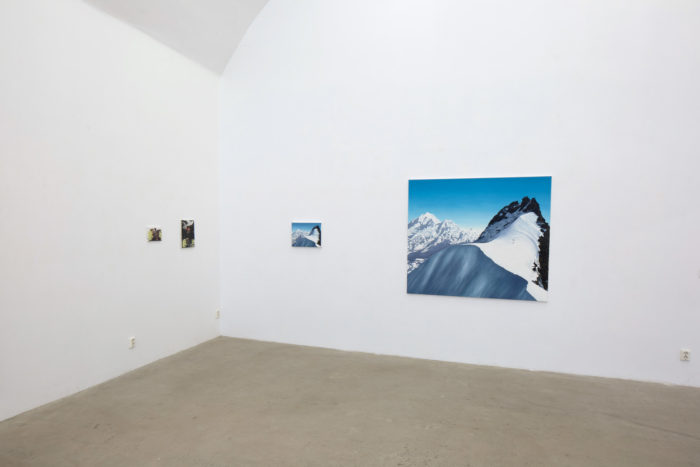
Vid grindarna II & I and Brev till en annan tid 2 and 1 at Galleri Thomas Wallner, Simris 2021
Brev till en annan tid 2 at Galleri Thomas Wallner, Simris 2021
Brev till en annan tid
oil on canvas
130 x 150 cm
2021
At the Gates II & I, and Brev till en annan tid 2 at Galleri Thomas Wallner, Simris 2021

At the Gates II & I, at Galleri Thomas Wallner, Simris 2021
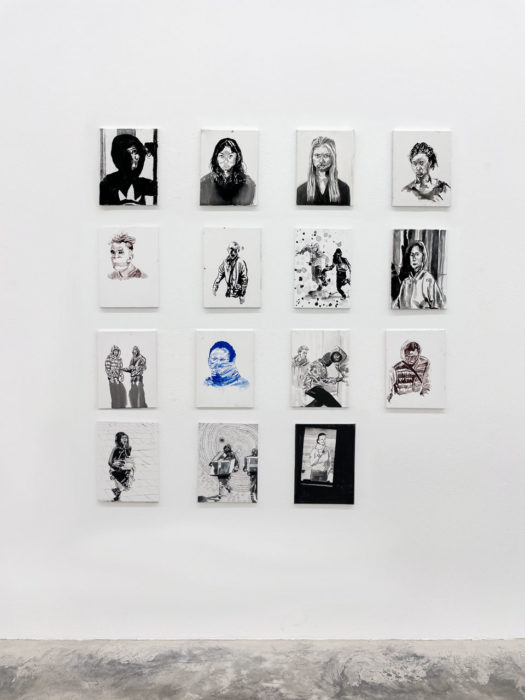
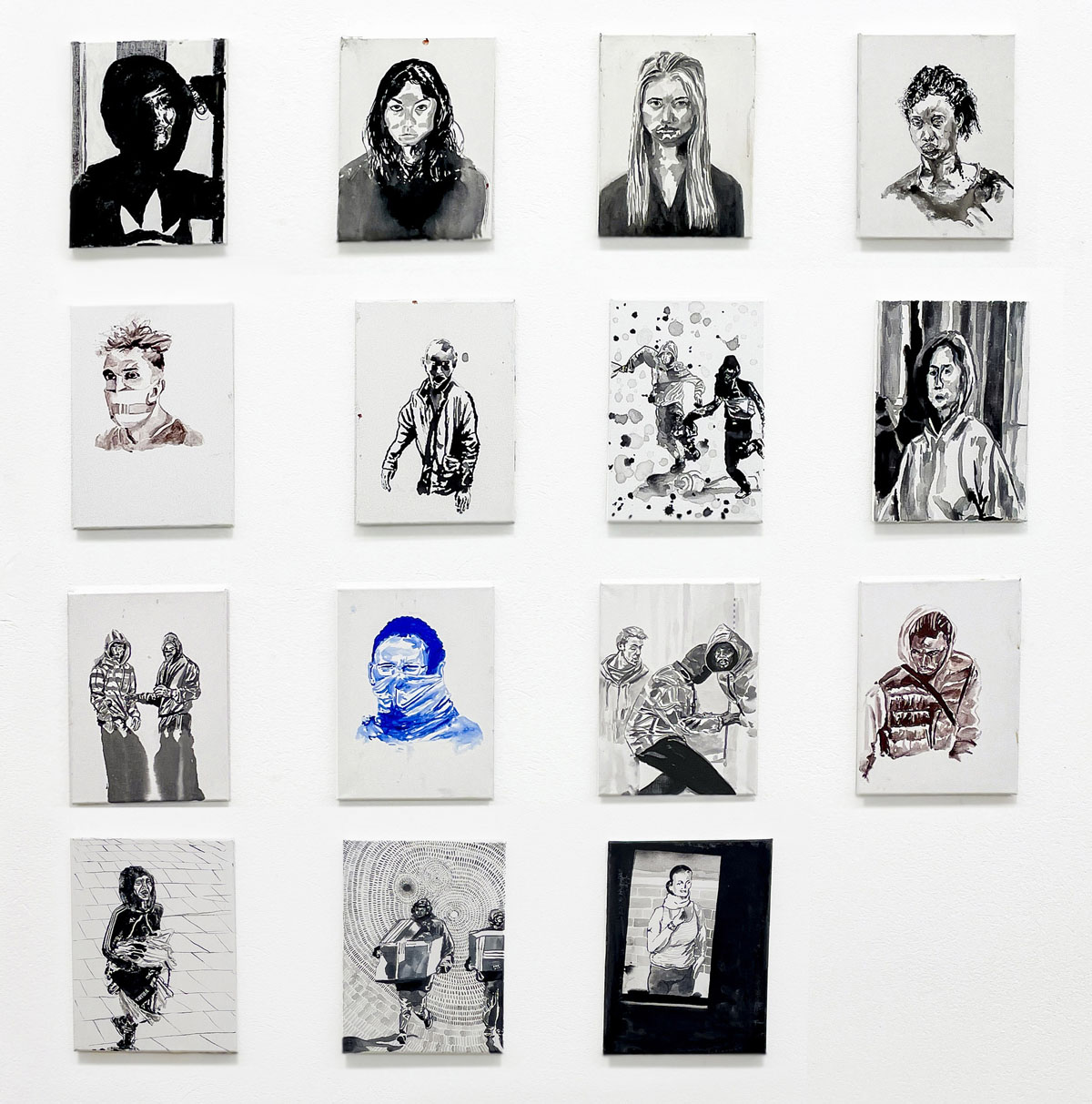
looters
15 ink wash paintings from cctv footage and mugshots
each 40 x 30 cm
2021
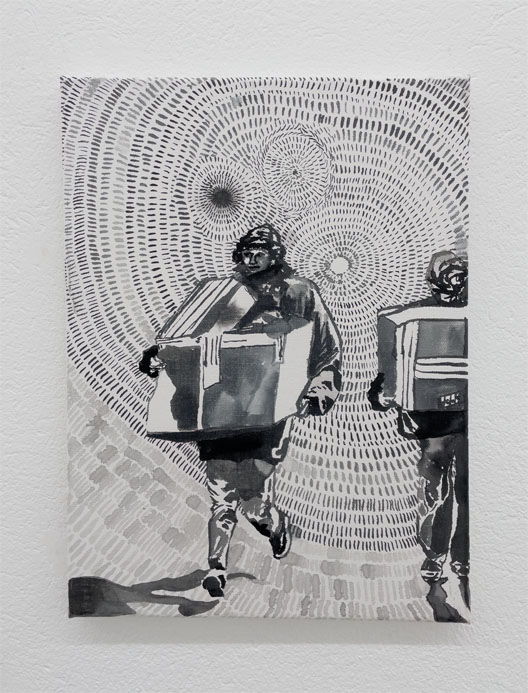
looters
15 ink wash paintings from cctv footage and mugshots, each 40 x 30 cm,
Installation shot from Heimat, Galleri Arnstedt, Båstad, 2021
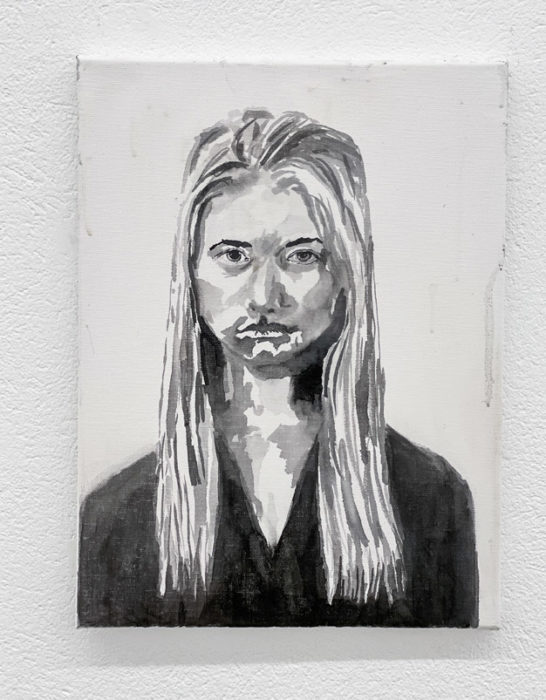
15 ink wash paintings from cctv footage and mugshots, each 40 x 30 cm, 2021
Installation shot from Heimat, Galleri Arnstedt, Båstad, 2021
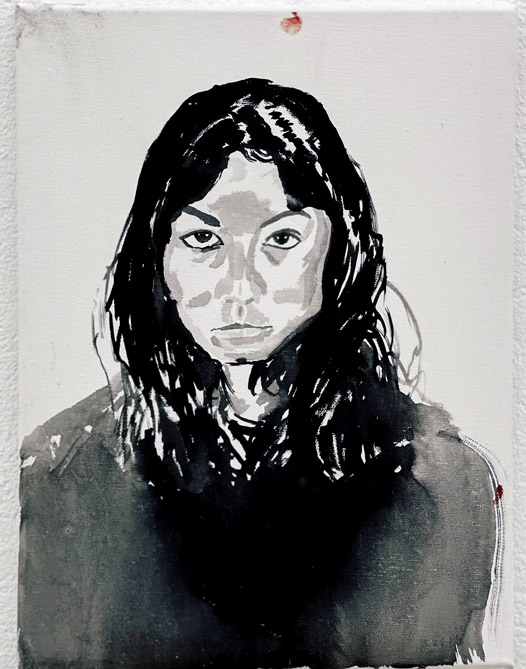
15 ink wash paintings from cctv footage and mugshots, each 40 x 30 cm, 2021
Installation shot from Heimat, Galleri Arnstedt, Båstad, 2021
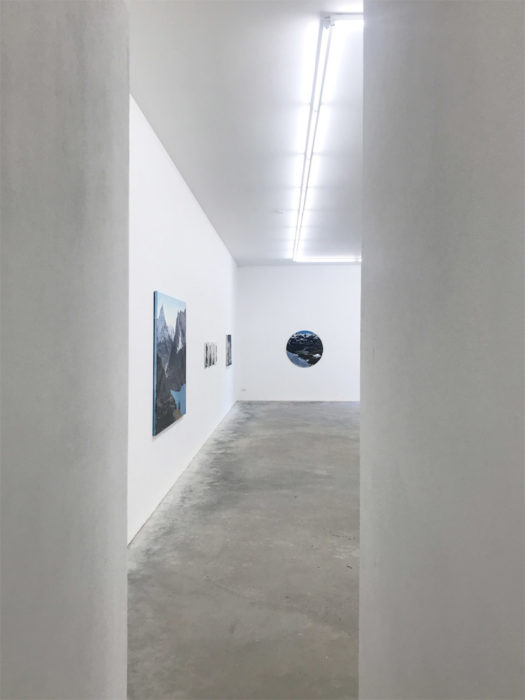
Installation shot from Heimat, Galleri Arnstedt, Båstad, 2021
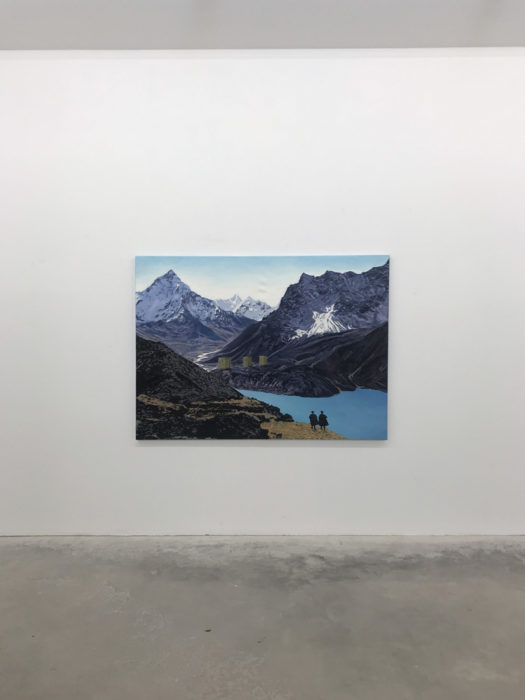
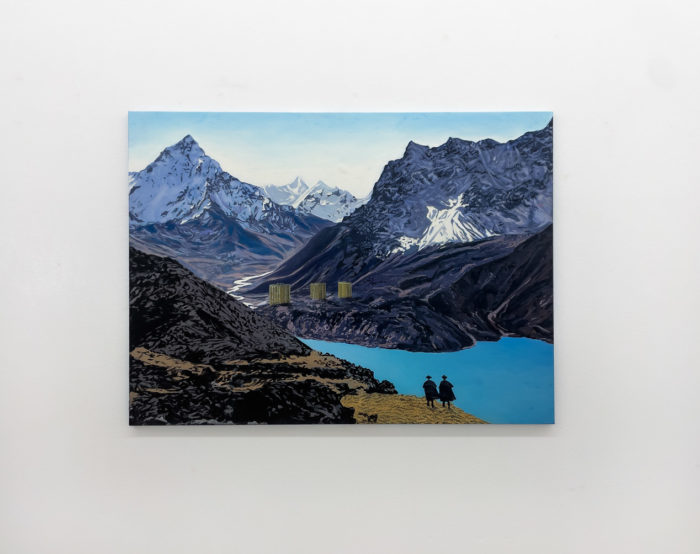
Heimat; Carbinieri
oil on canvas
2021
Installation shot from Heimat, Galleri Arnstedt, Båstad, 2021
Heimat; Carbinieri
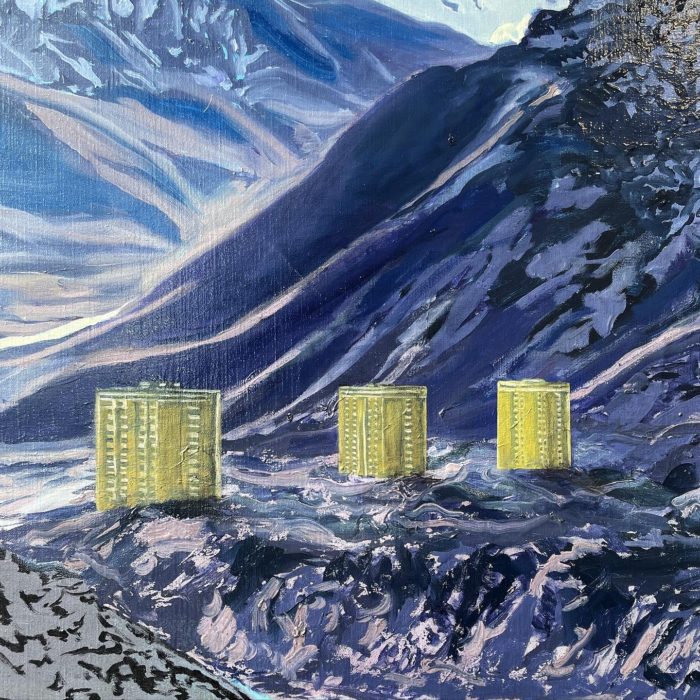
Heimat; Carbinieri (detail)
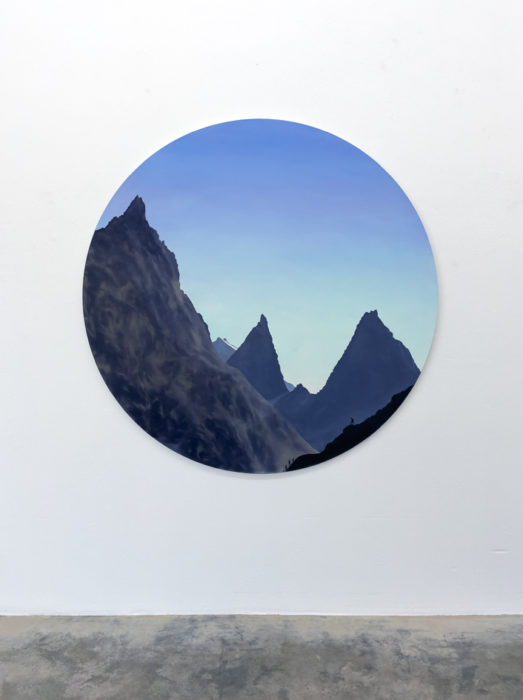
Lugburz (Austria)
Oil on wood, 160 cm -o-
Installation shot from Heimat, Galleri Arnstedt, Båstad, 2021
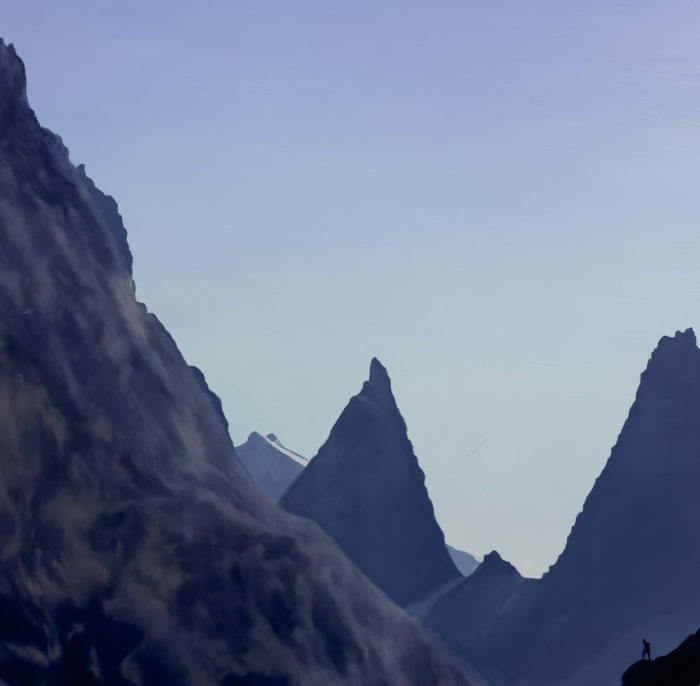
Lugburz (Austria) detail
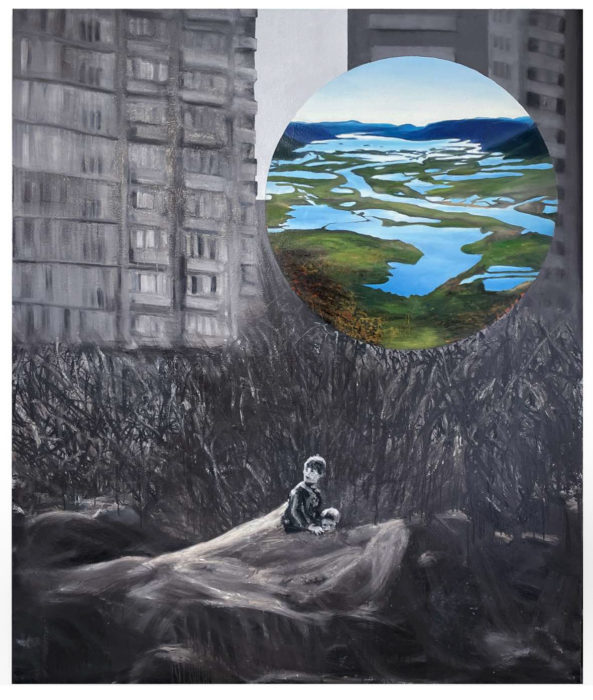
Heimat; Shoreline
Oil on canvas
232 x 196 cm
2021-2022
Installation shot from Heimat, Galleri Arnstedt, Båstad, 2021
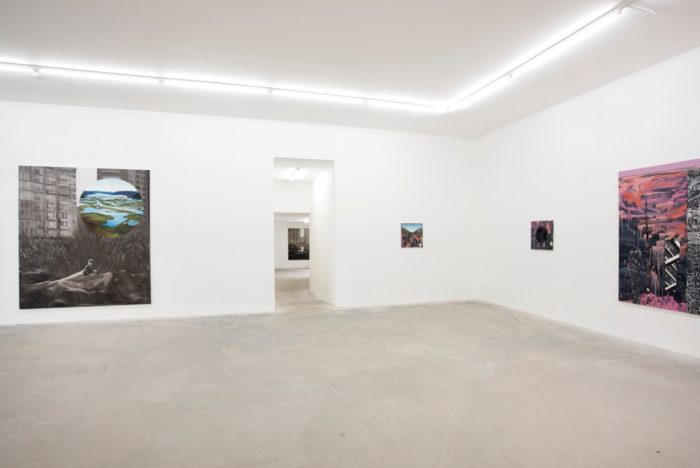
Installation shot from Heimat, Galleri Arnstedt, Båstad, 2021
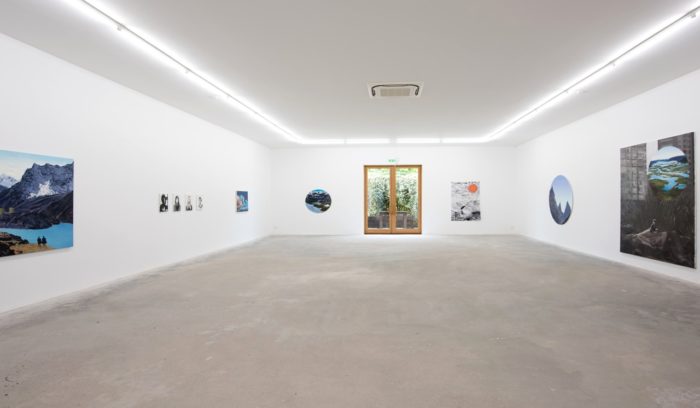
Installation shot from Heimat, Galleri Arnstedt, Båstad, 2021
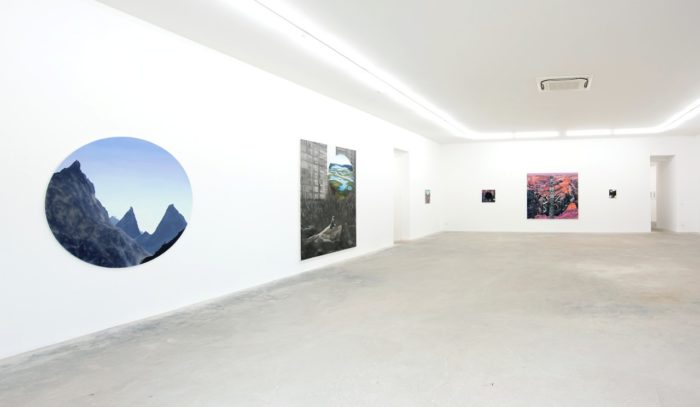
Installation shot from Heimat, Galleri Arnstedt, Båstad, 2021
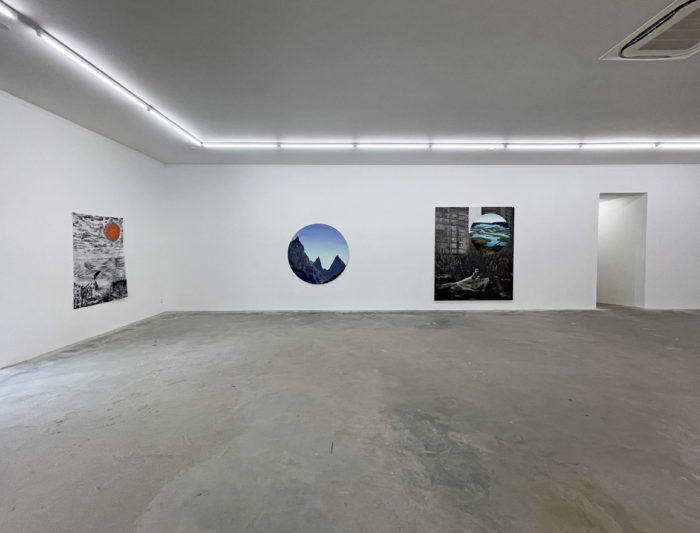
Installation shot from Heimat, Galleri Arnstedt, Båstad, 2021
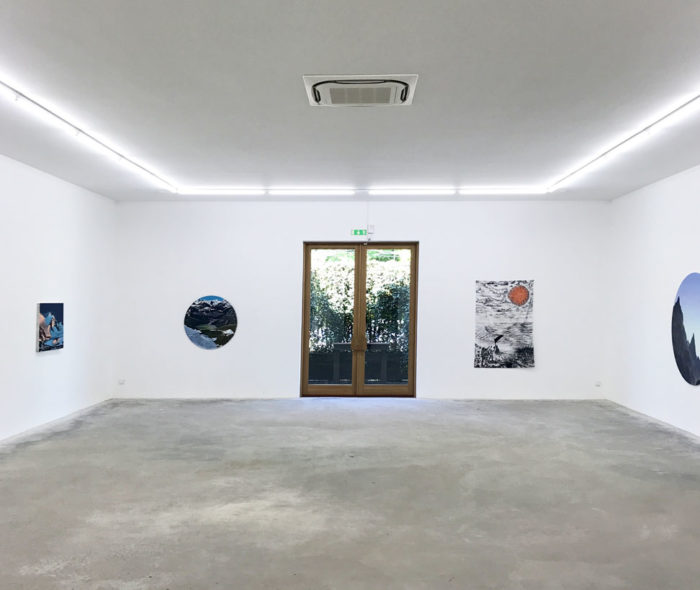
Installation shot from Heimat, Galleri Arnstedt, Båstad, 2021
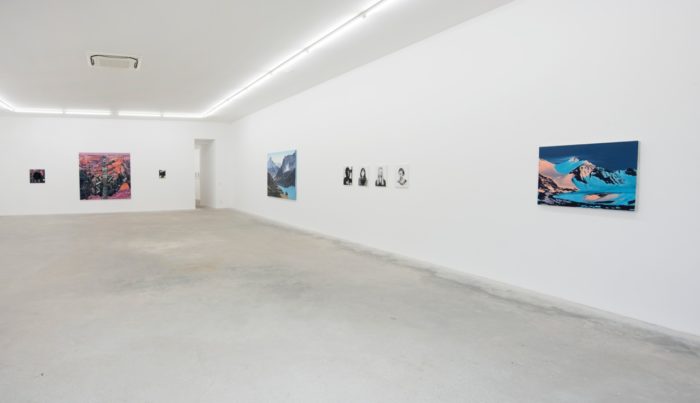
Installation shot from Heimat, Galleri Arnstedt, Båstad, 2021
Installation shot from Heimat, Galleri Arnstedt, Båstad, 2021
Du är min värld, oil on found wood,detail Installation shot from Heimat, Galleri Arnstedt, Båstad, 2021
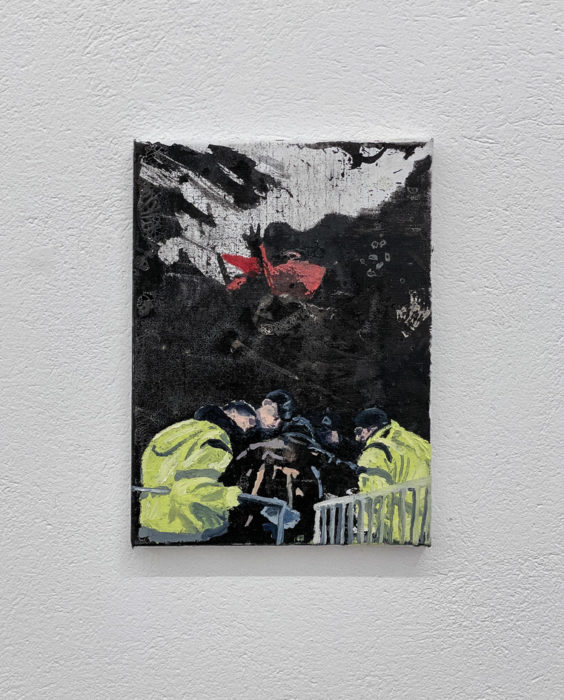
At the Gates / Vid grindarna, Oil, Ink and resin on canvas, 2021-22
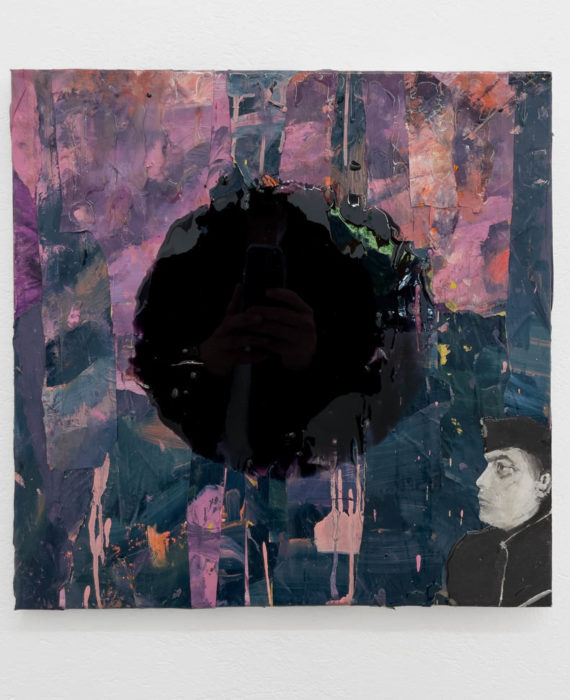
Paid in blood II, Oil, Cut out of oil painting glued on canvas, painted tape stripes, resin on canvas, 2021
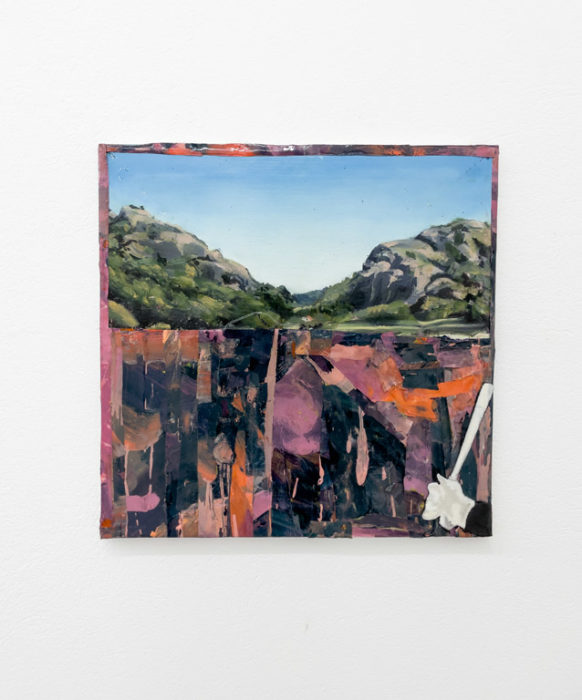
Paid in blood, Oil, Cut out of oil painting glued on canvas, painted tape stripes, resin on canvas, 2021
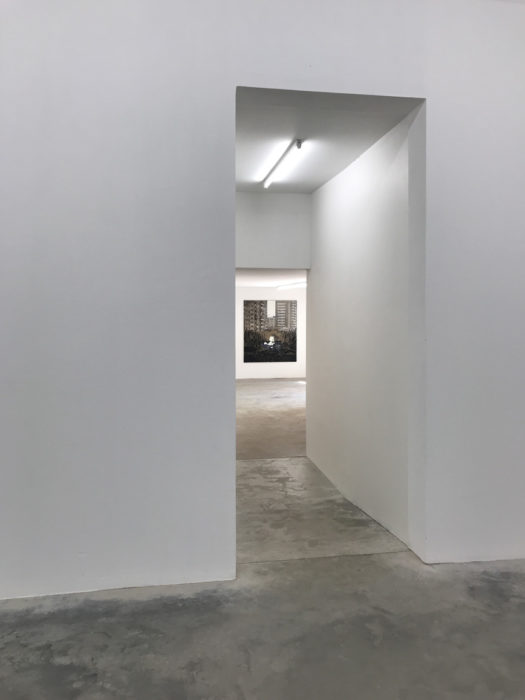
Installation shot from Heimat, Galleri Arnstedt, Båstad, 2021

Installation shot from Heimat, Galleri Arnstedt, Båstad, 2021,
karta och terräng /map and terrain, each 150 by 130 cm, oil on canvas, 2021

terroir/terräng
oil and charcoal on canvas, 150 by 130 cm
2021-22
Installation shot from Heimat, Galleri Arnstedt, Båstad, 2021
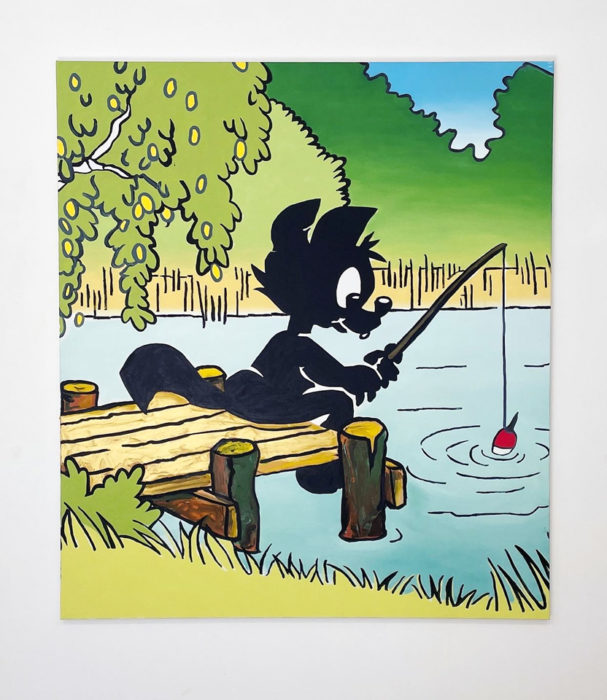
Karta
oil and charcoal on canvas, 150 by 130 cm
2021-22
Installation shot from Heimat, Galleri Arnstedt, Båstad, 2021
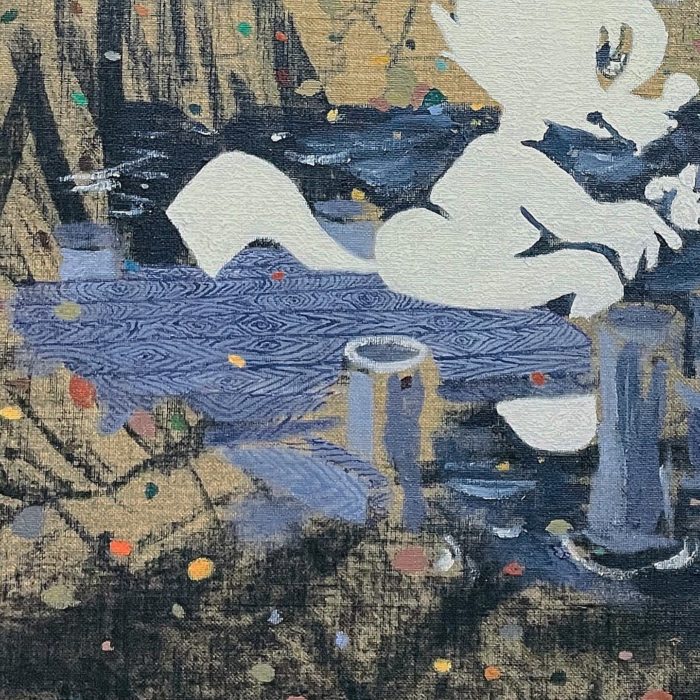
terroir, detail

Varg oberörd av måne
olja och tusch på duk
2021
oil and charcoal on canvas, 150 by 130 cm
2021-22
Installation shot from Heimat, Galleri Arnstedt, Båstad, 2021
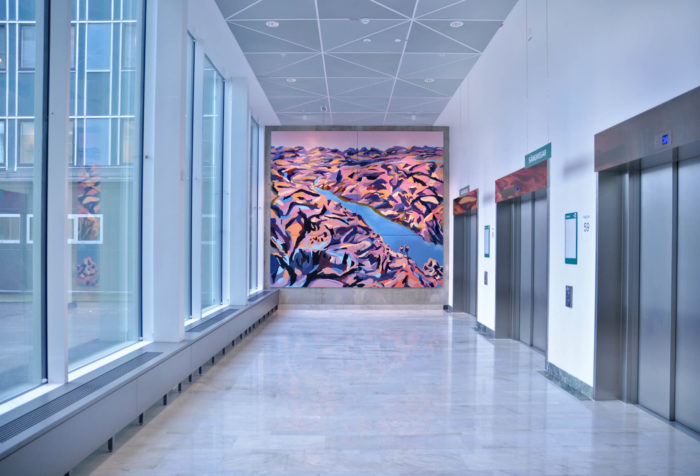
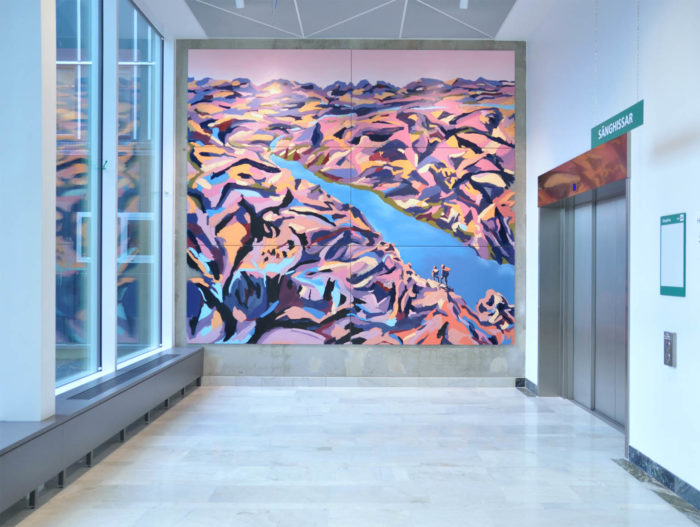
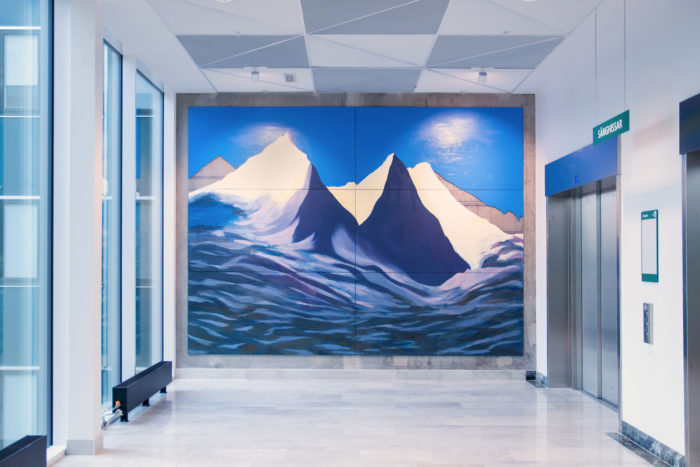
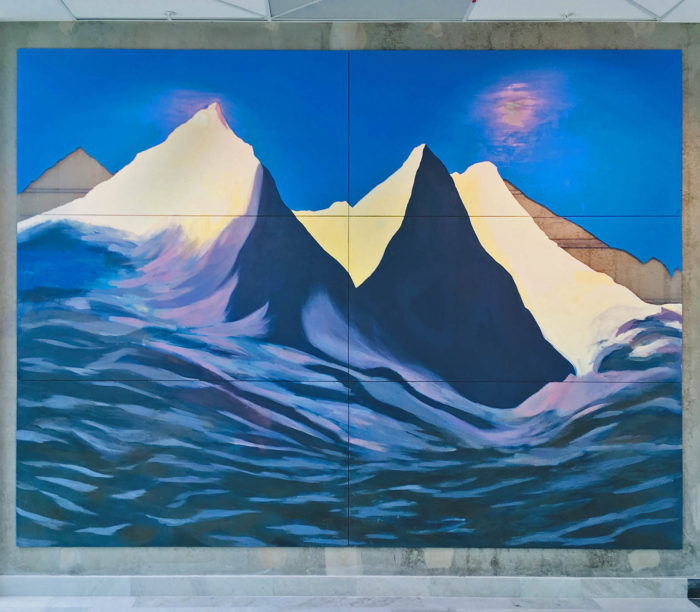
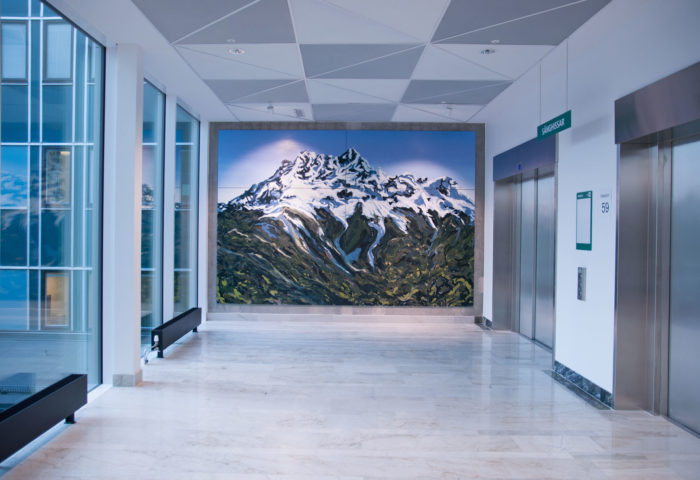
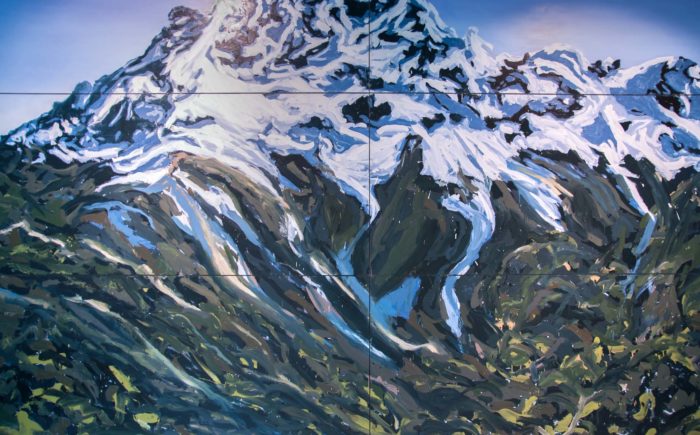

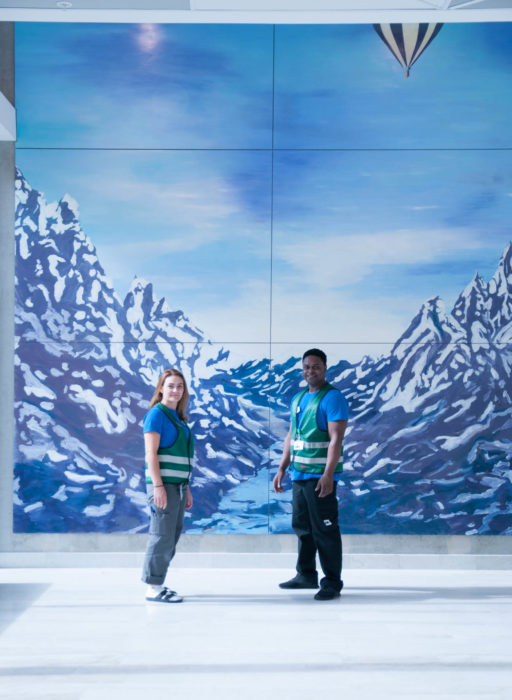
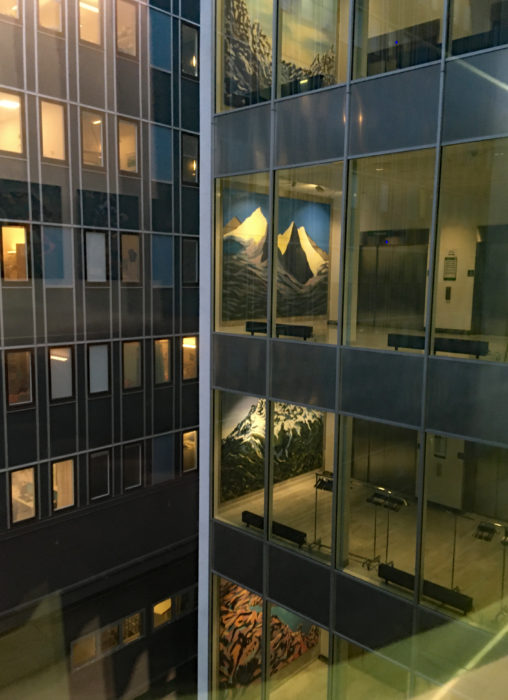
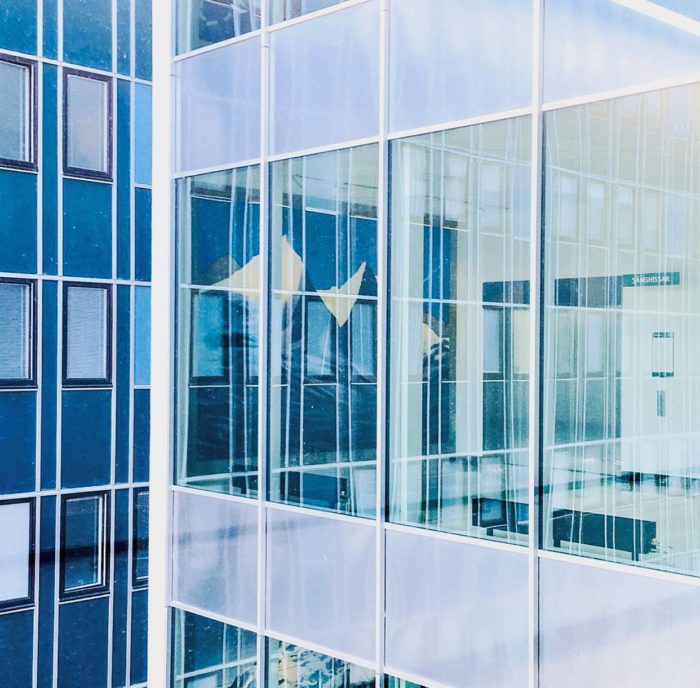
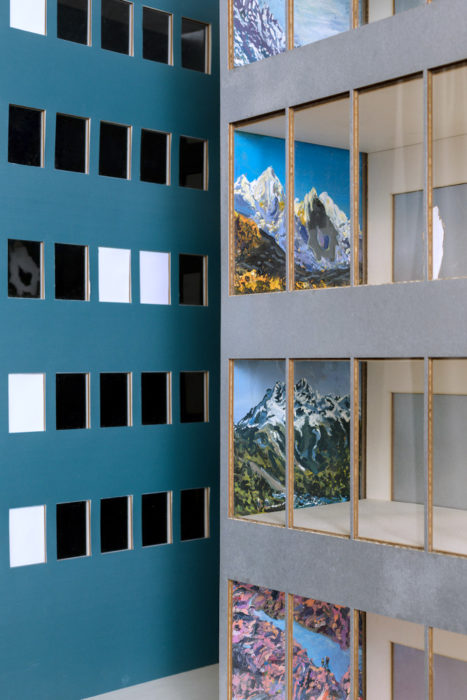
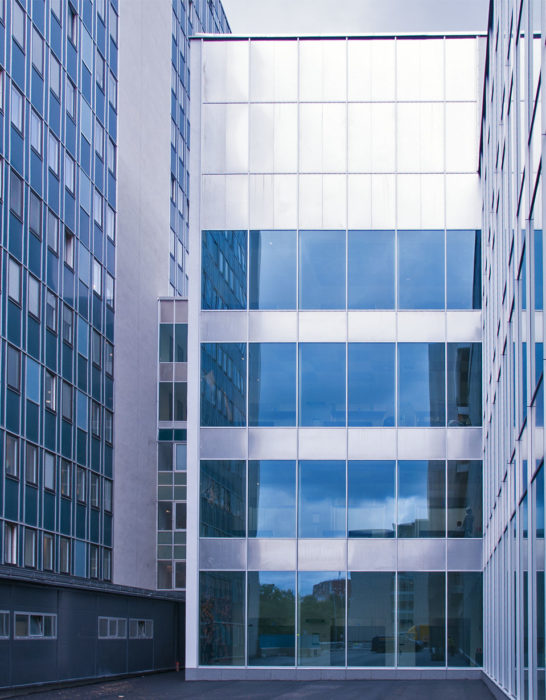
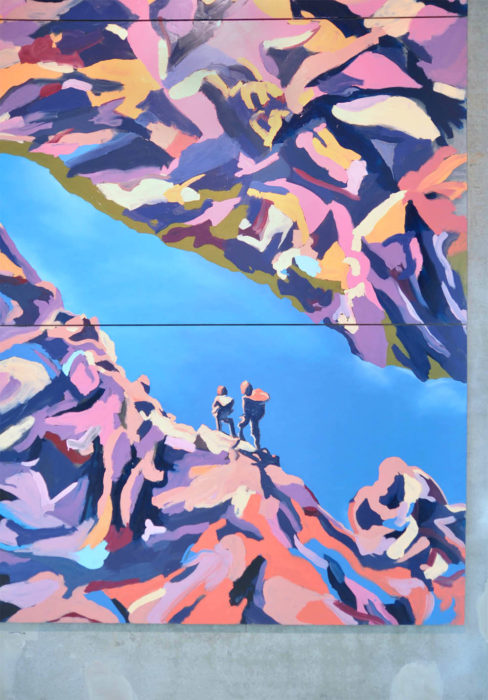

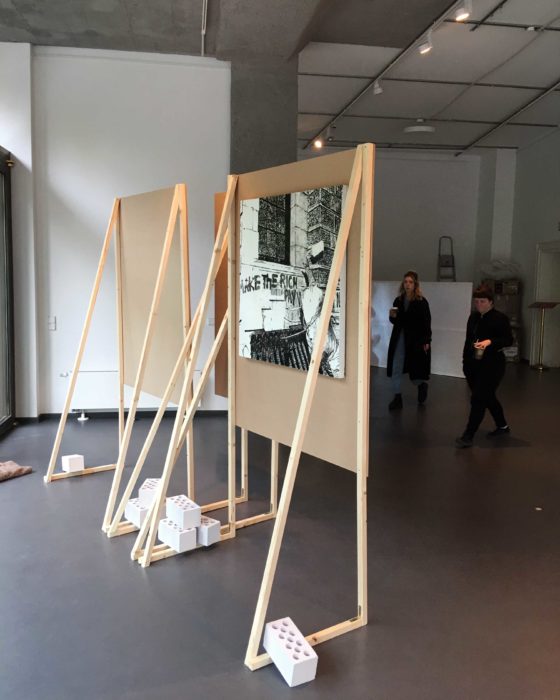

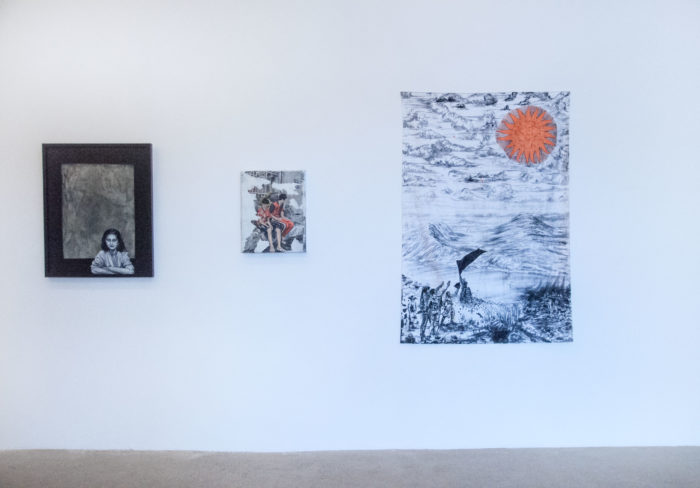
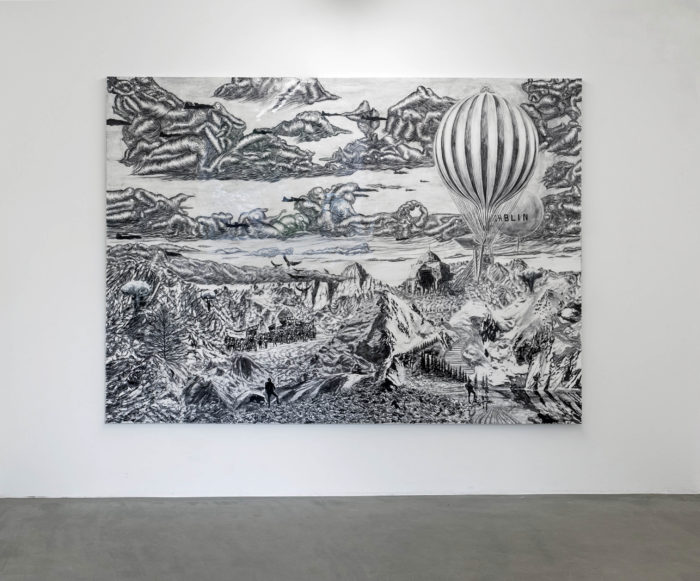
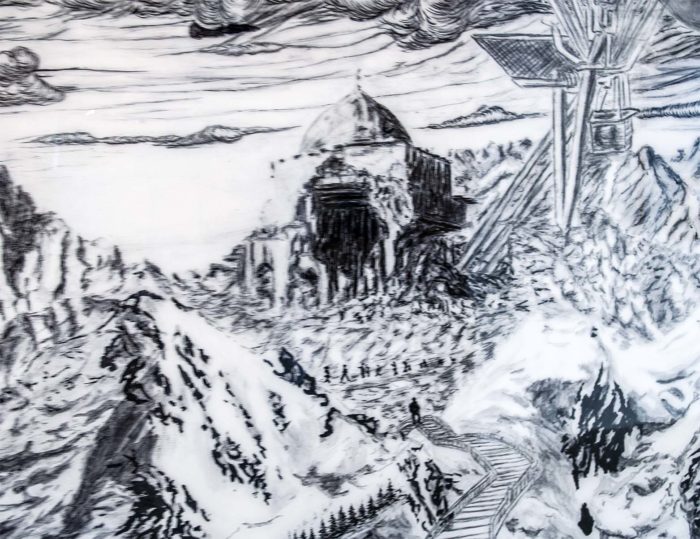
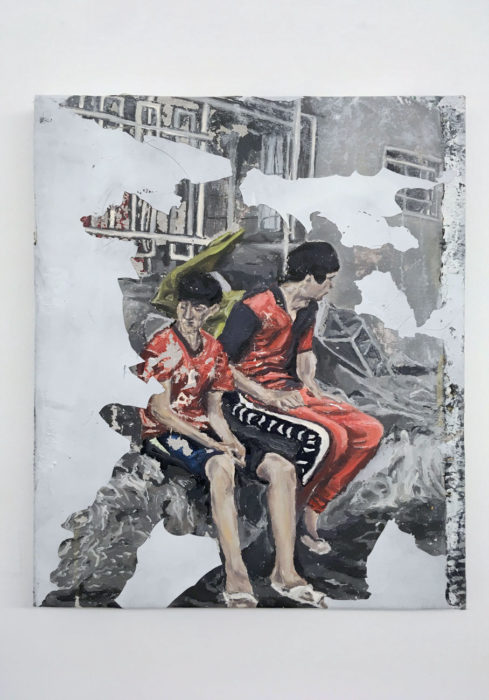
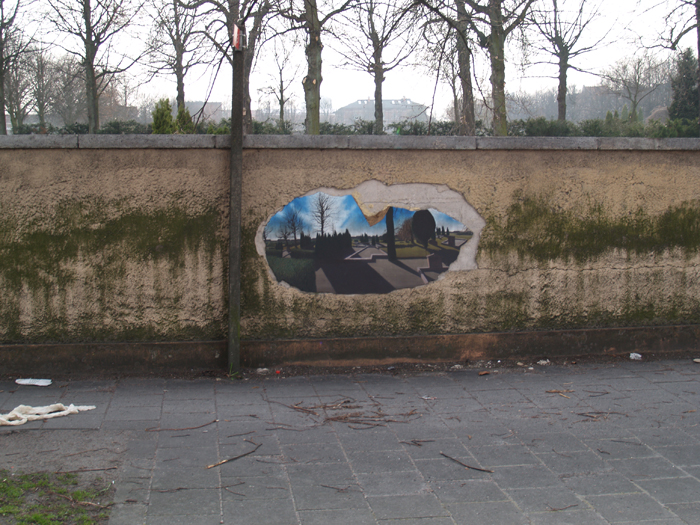
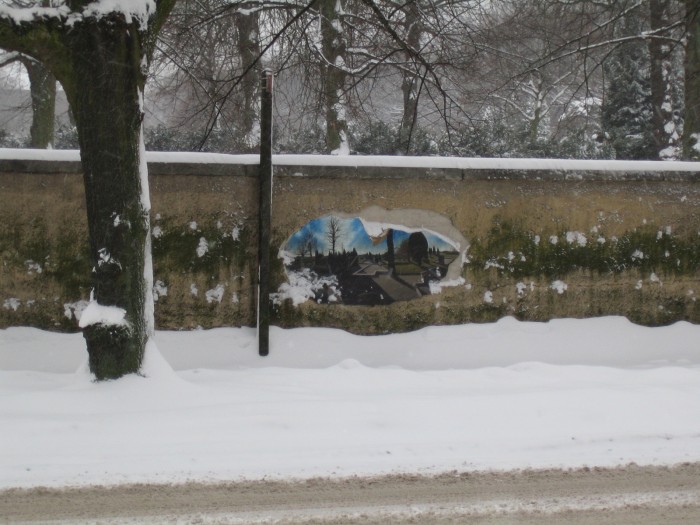
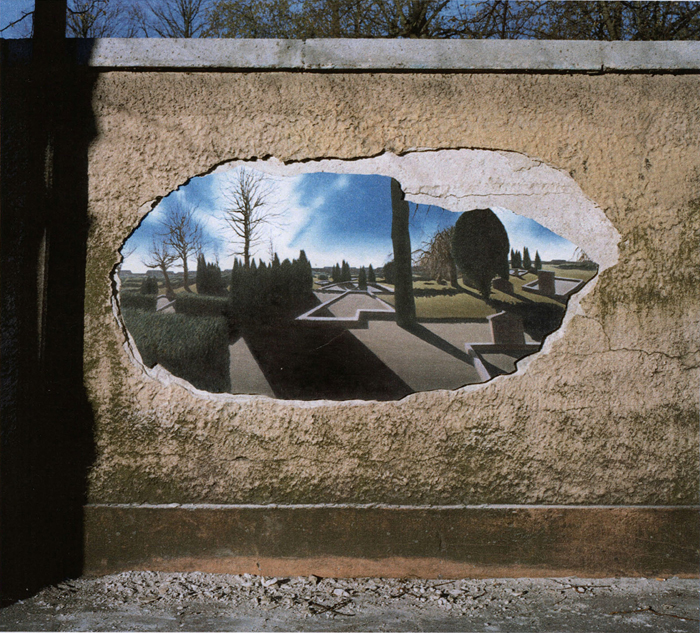
Where I end and you begin. Public work in Örbyhus (north of Uppsala). Painted with mineral silicate colour by hand. 2018. Photo: Ari Luostarinen
Where I end and you begin. Public work in Örbyhus (north of Uppsala). Painted with mineral silicate colour by hand. 2018. Photo: Ari Luostarinen
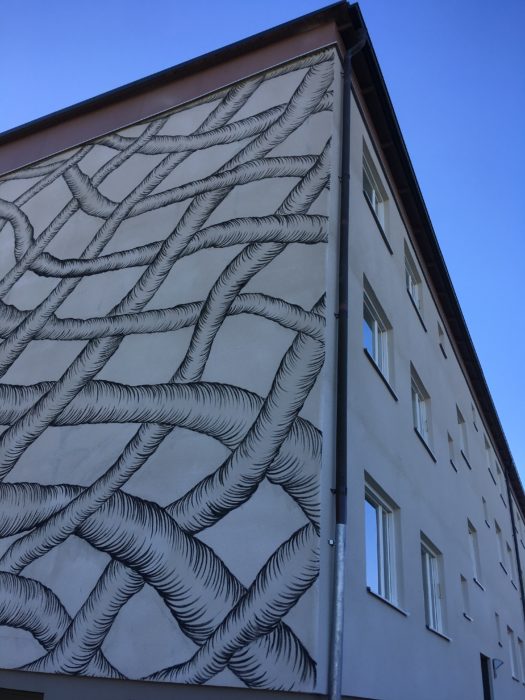
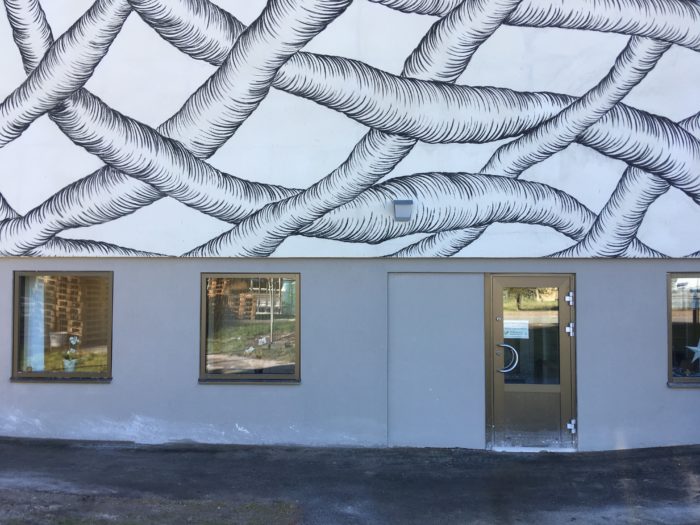
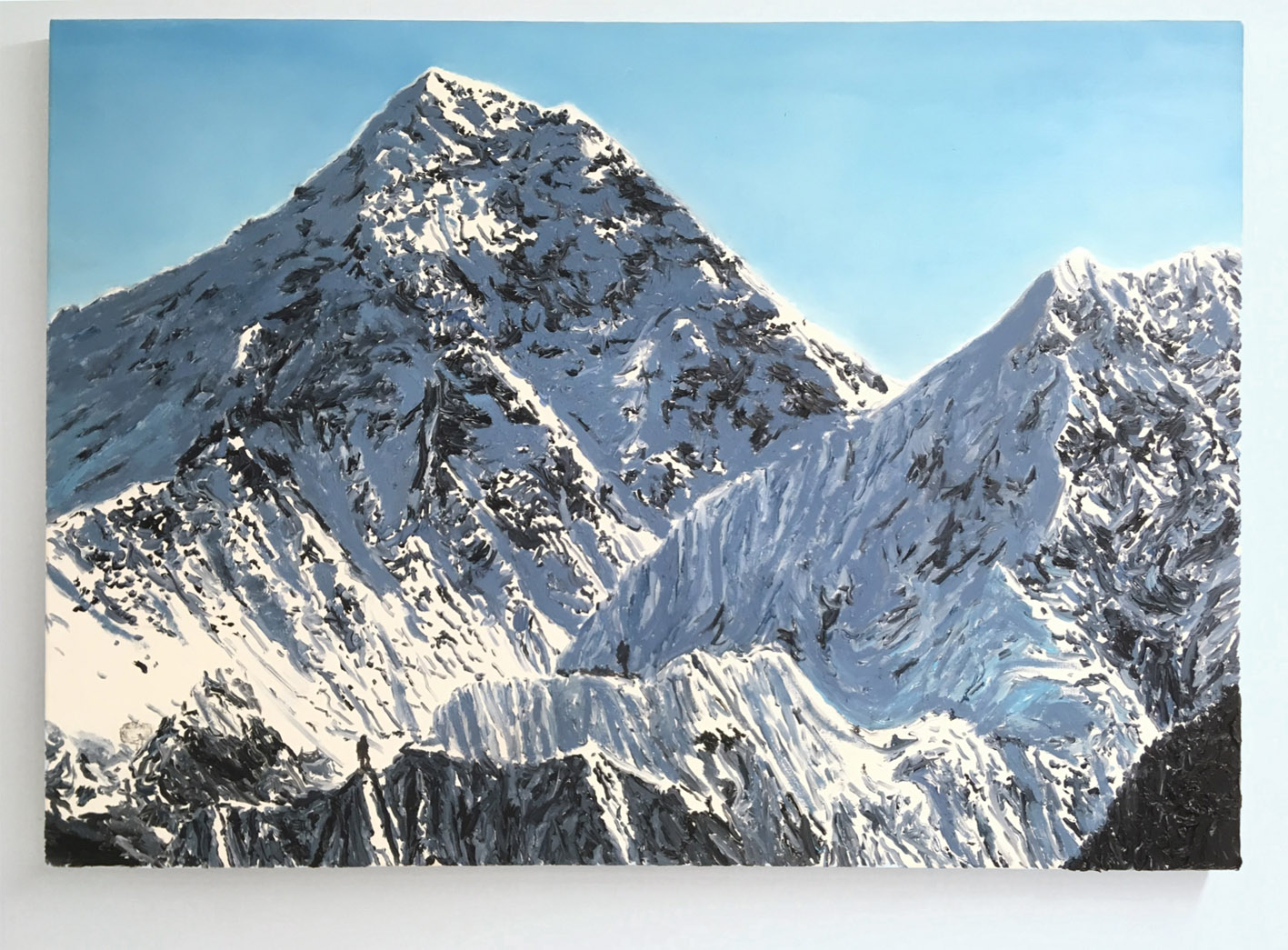
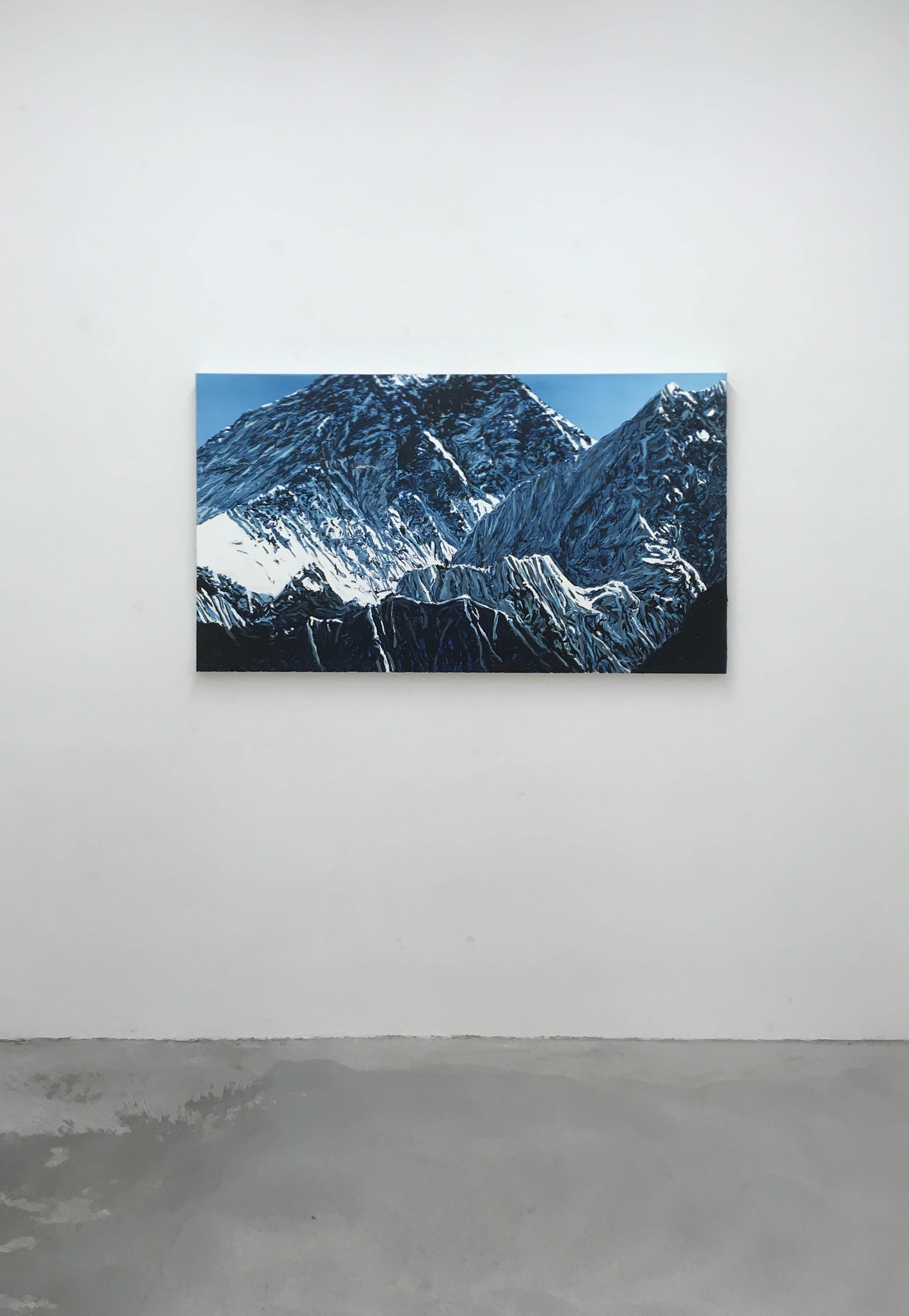
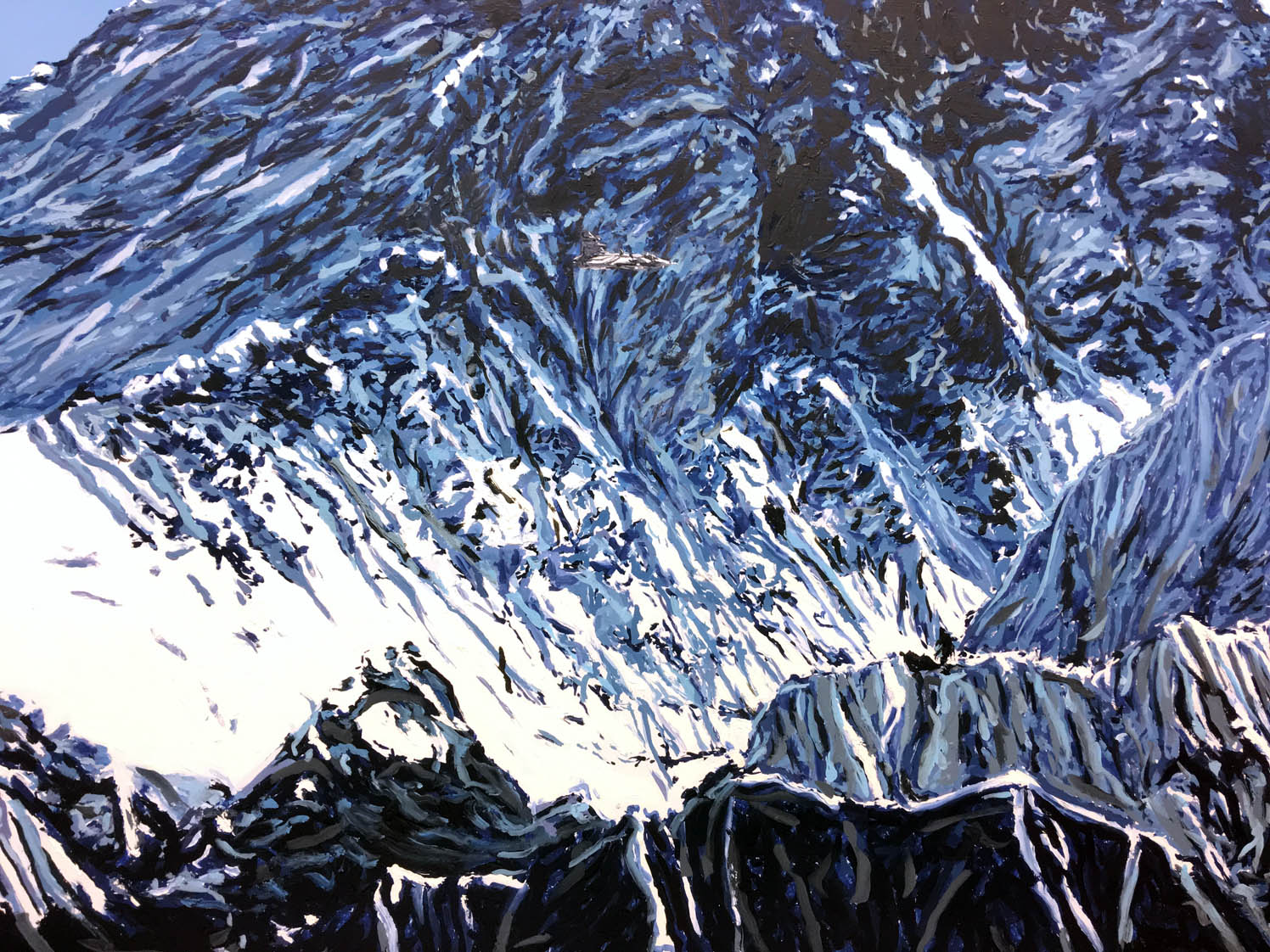
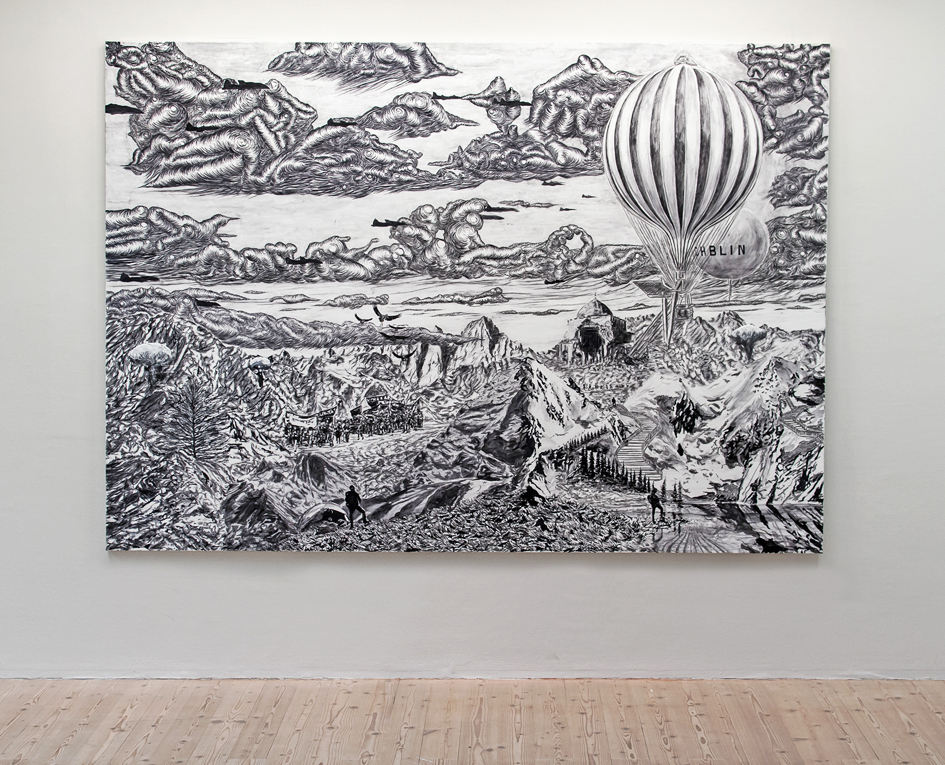


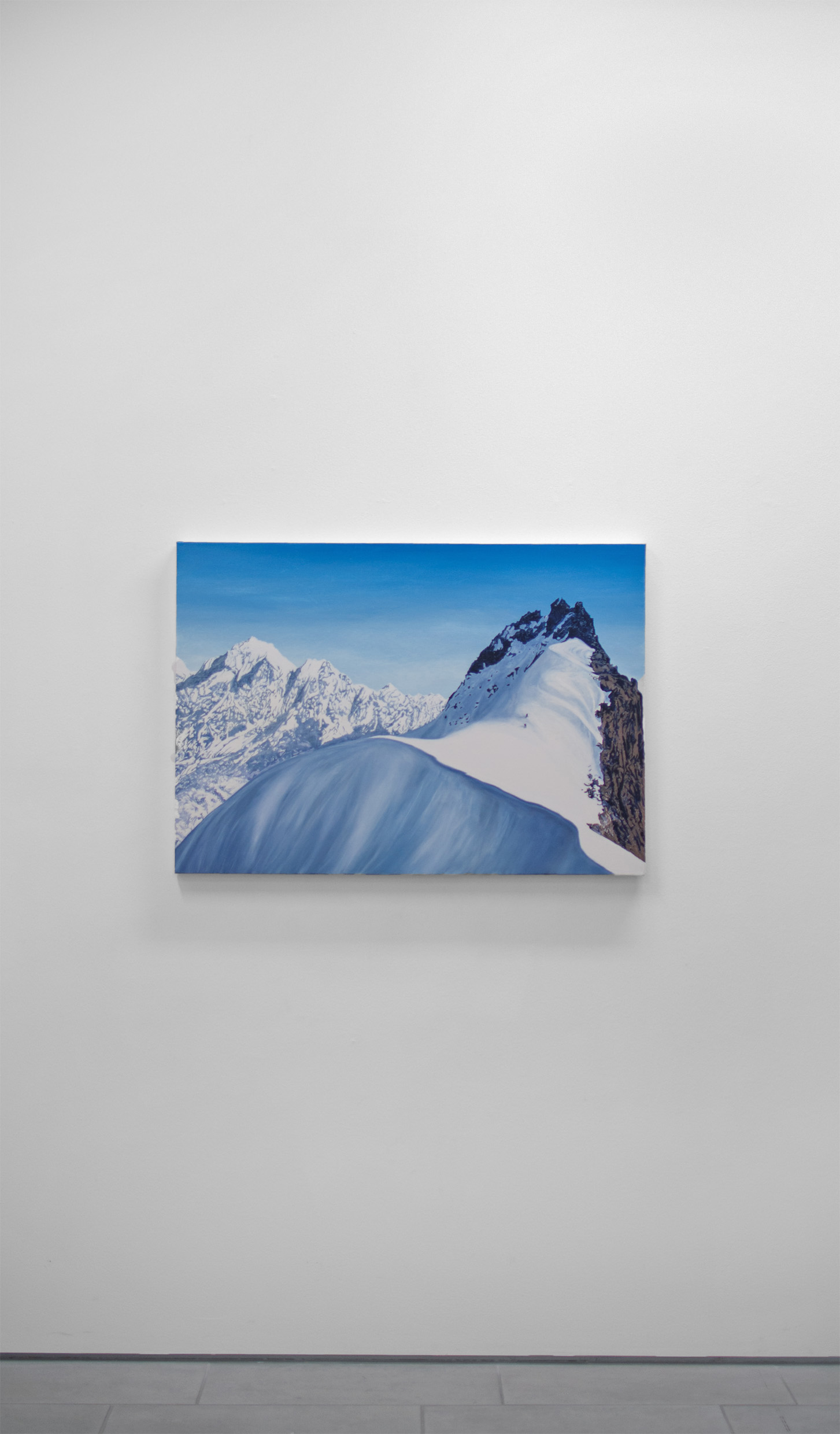
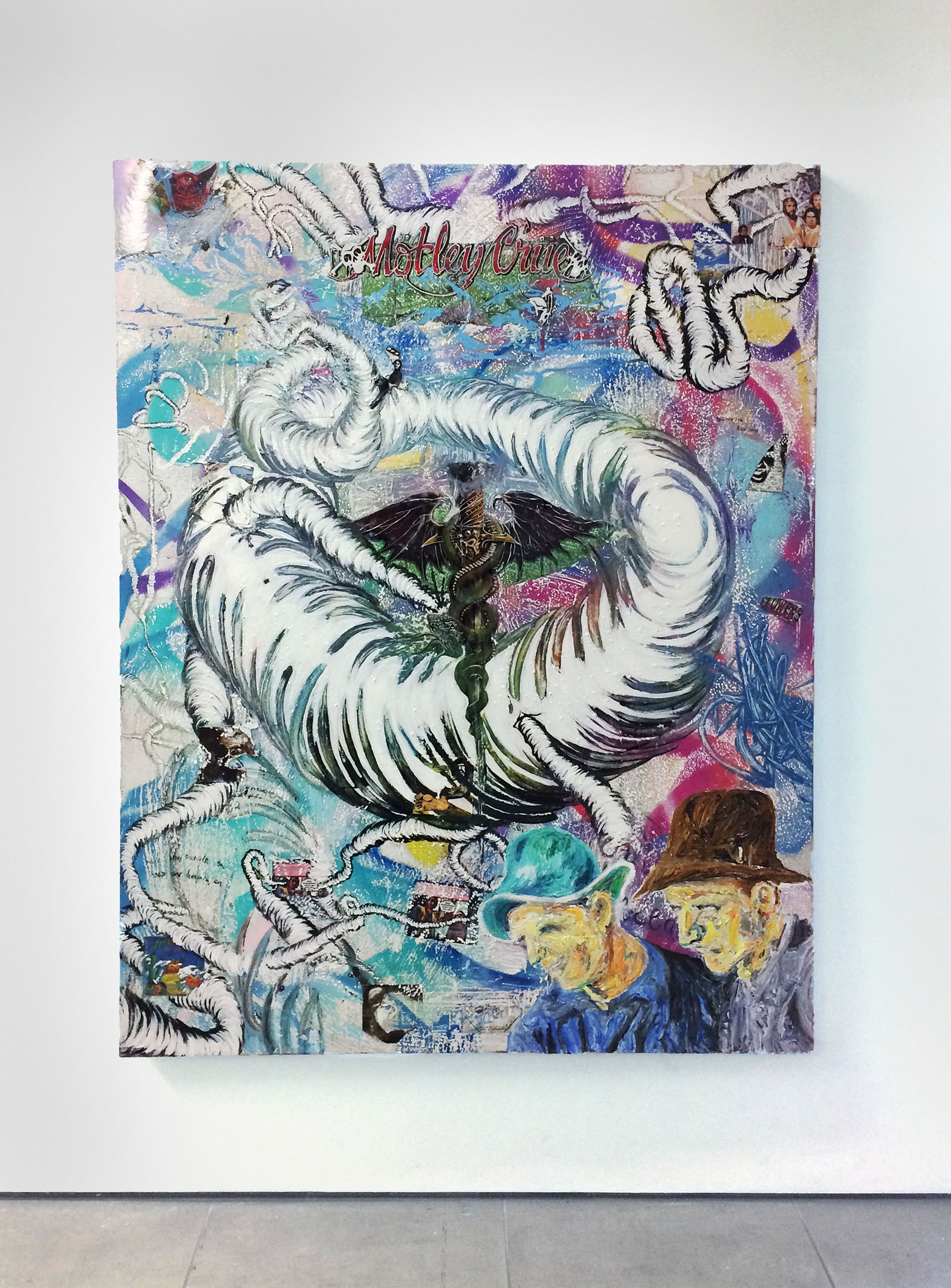
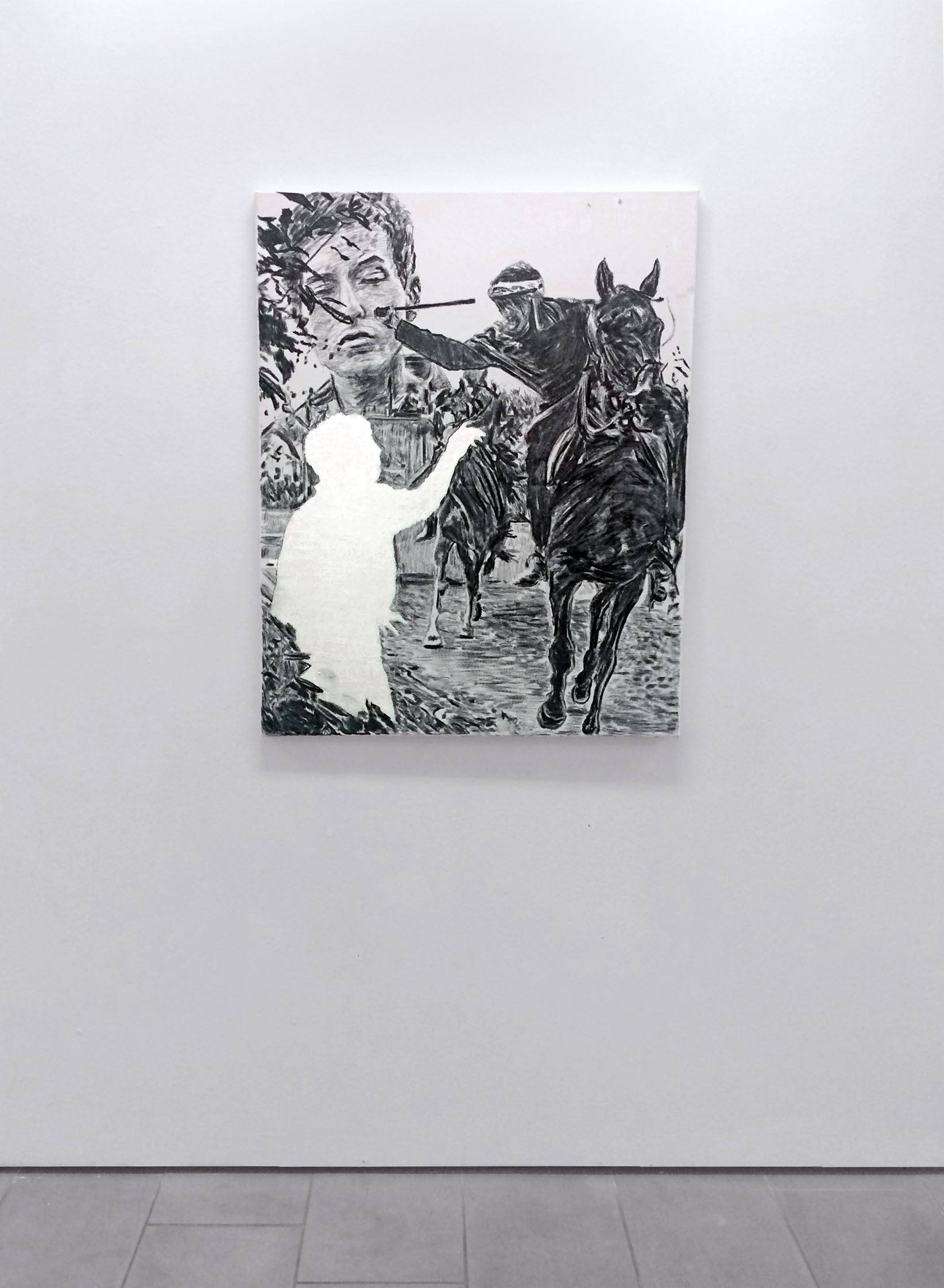
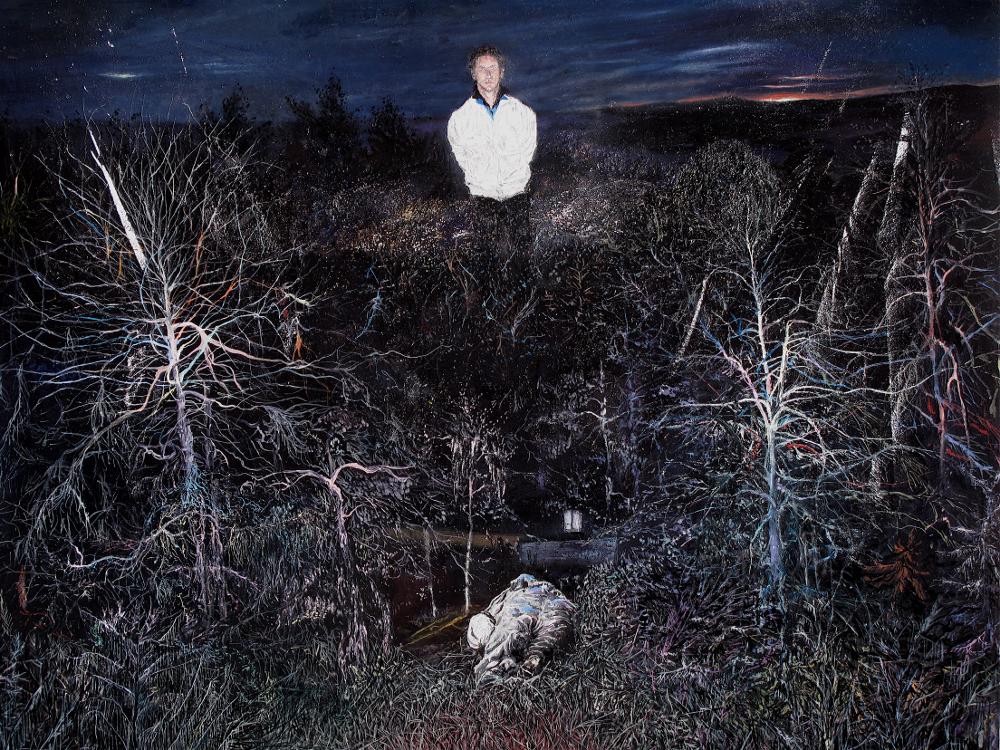
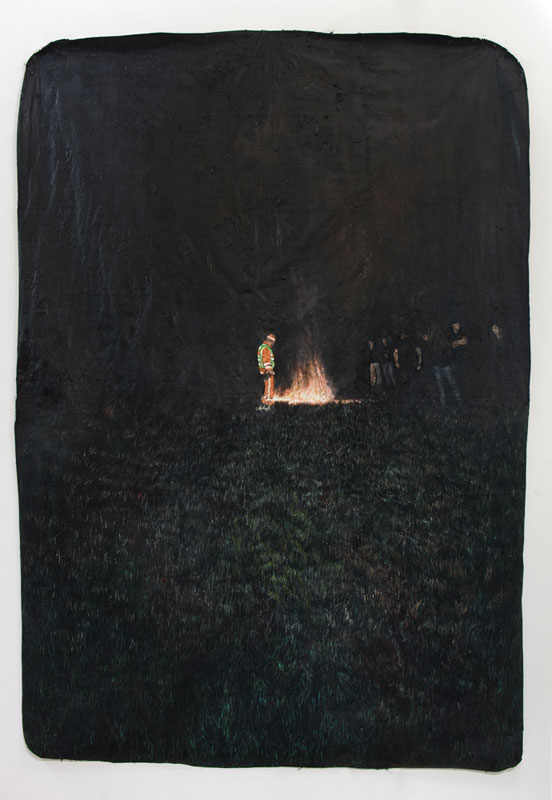
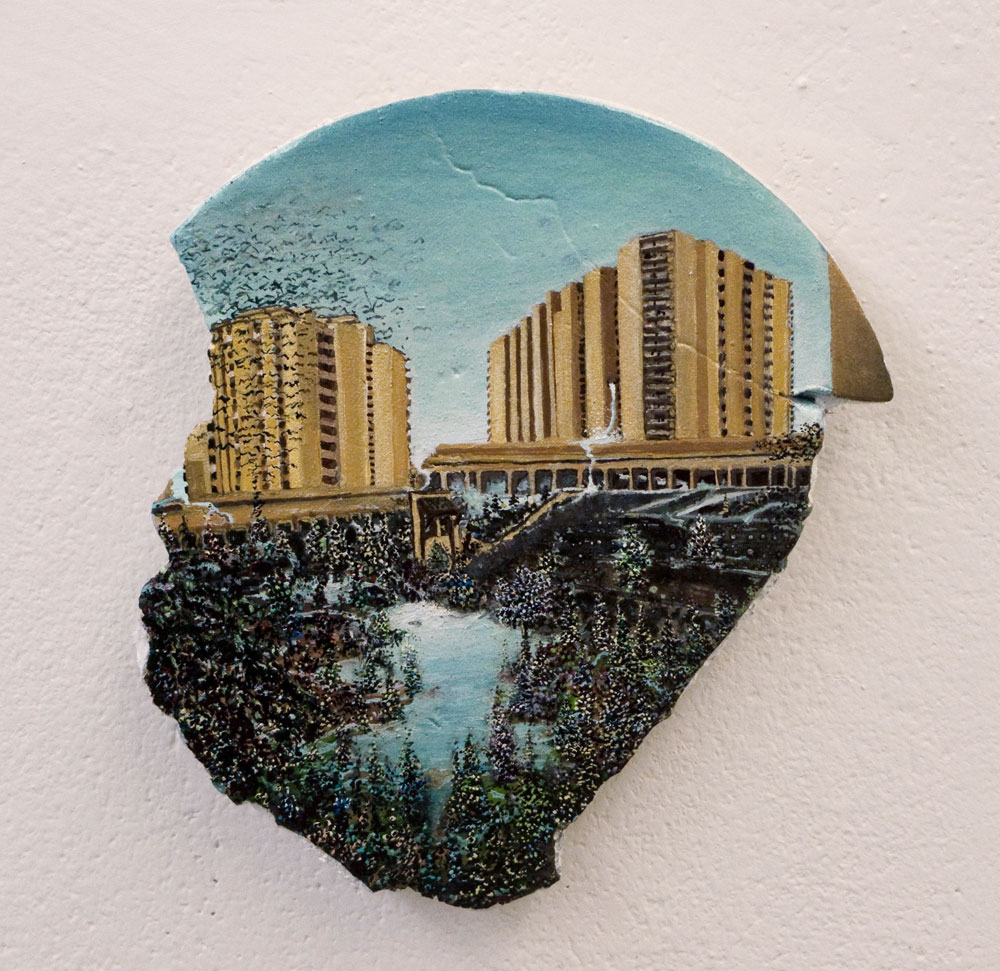

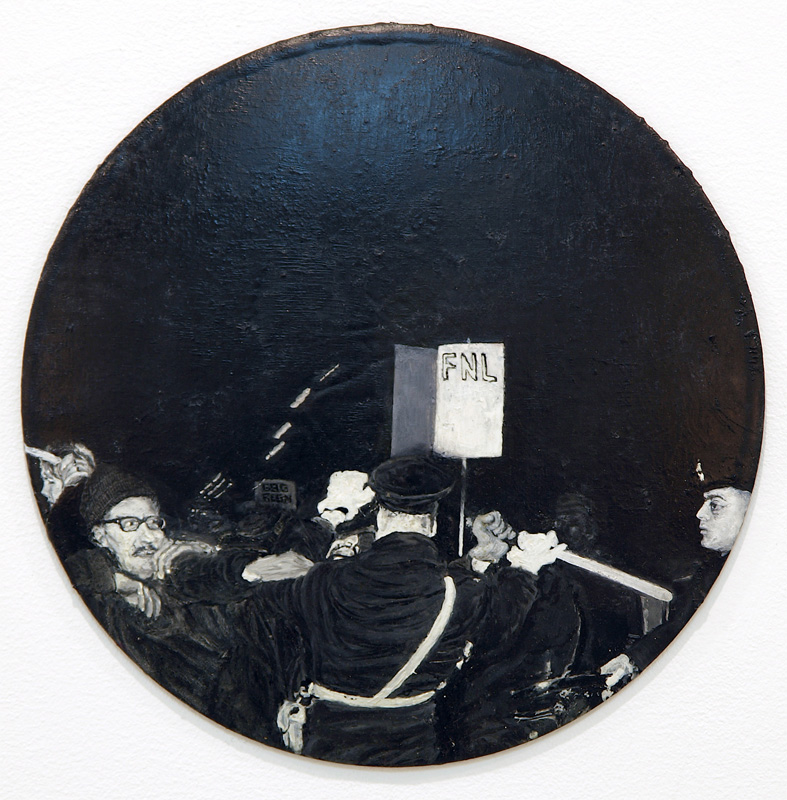
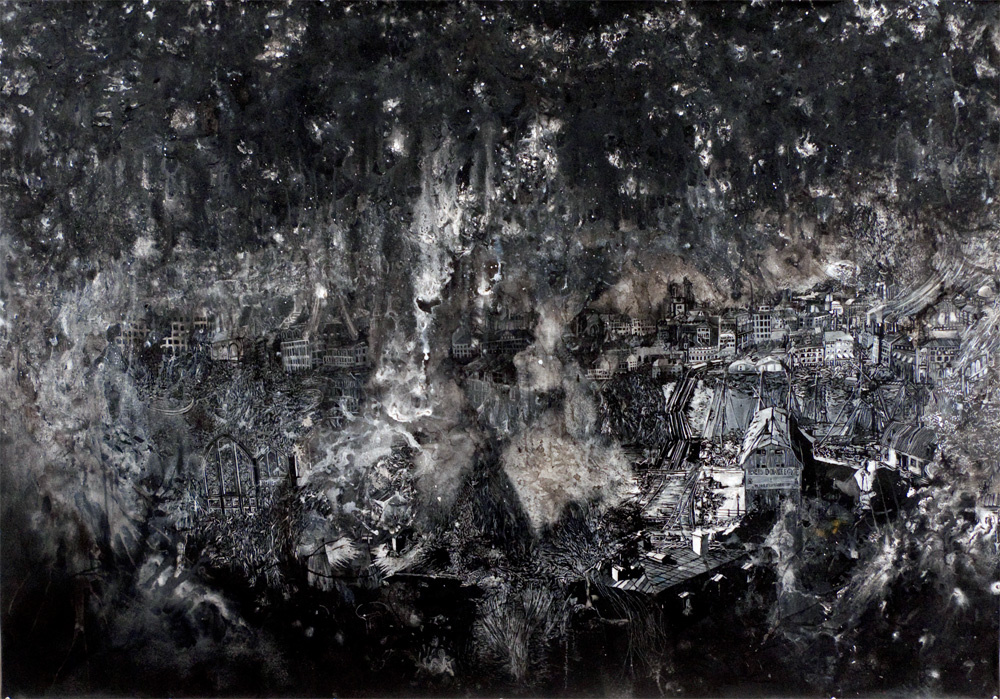

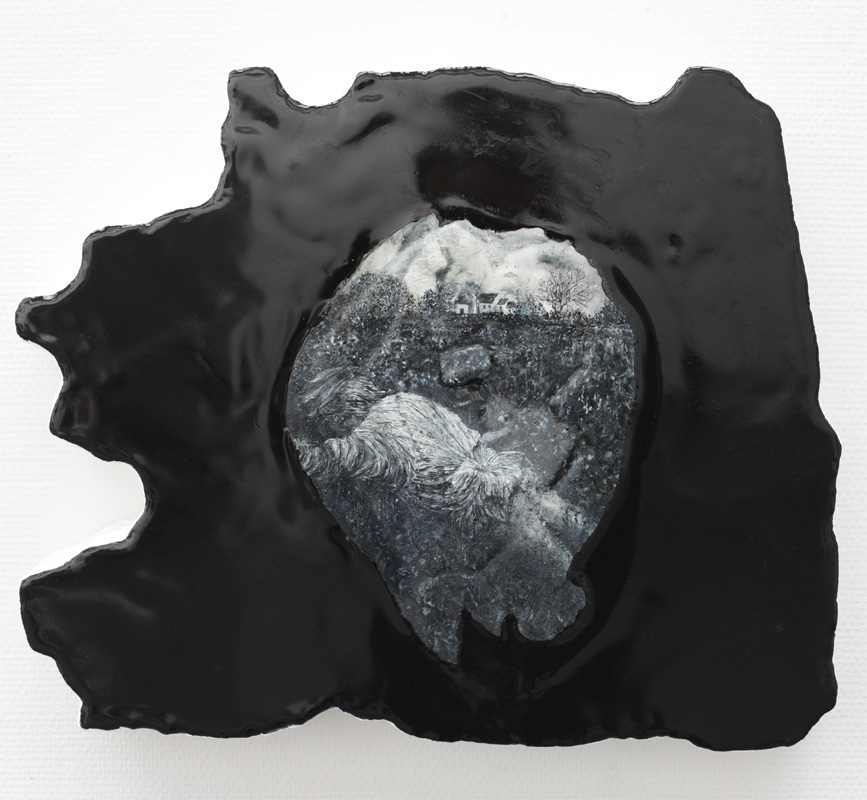
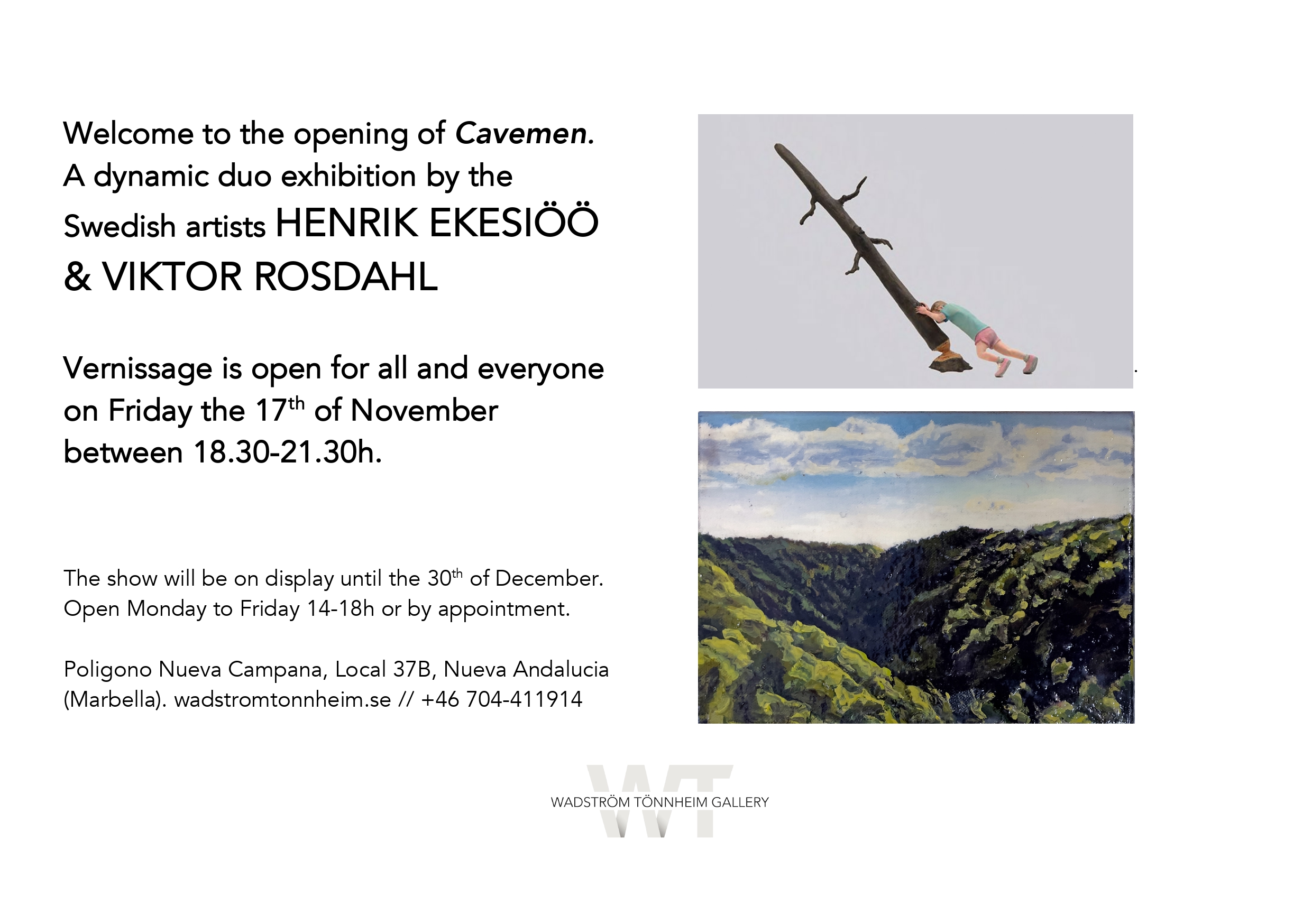
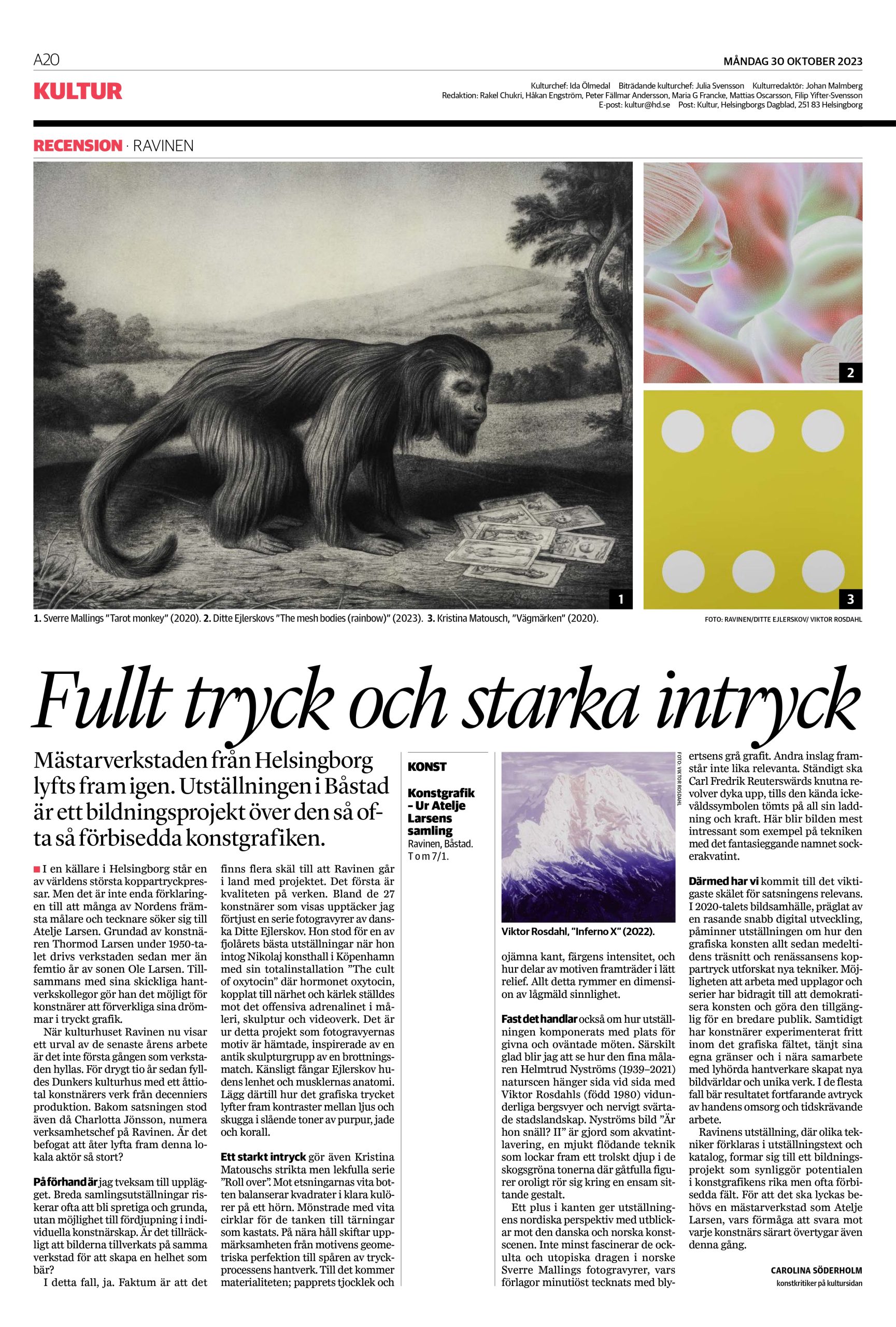
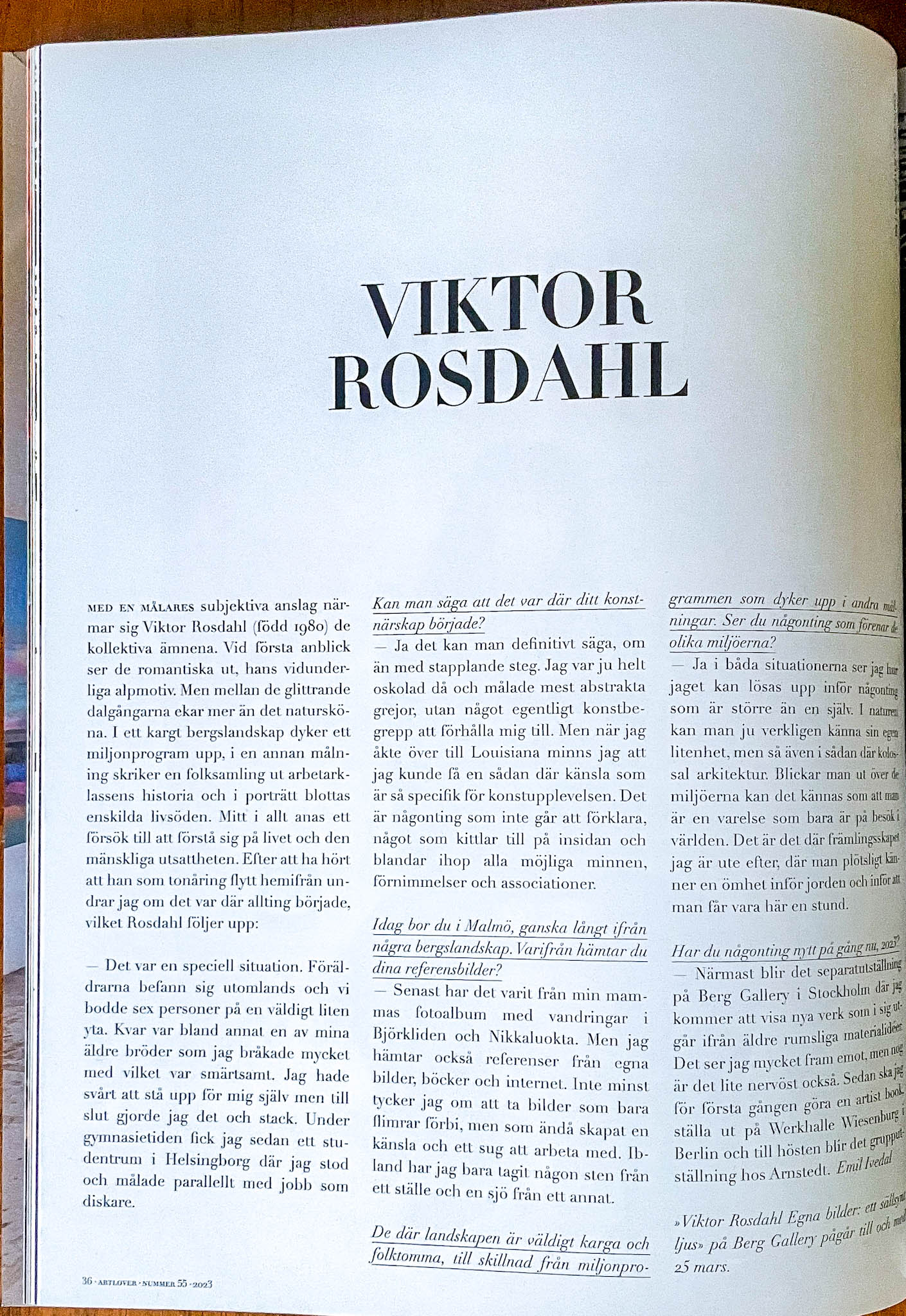
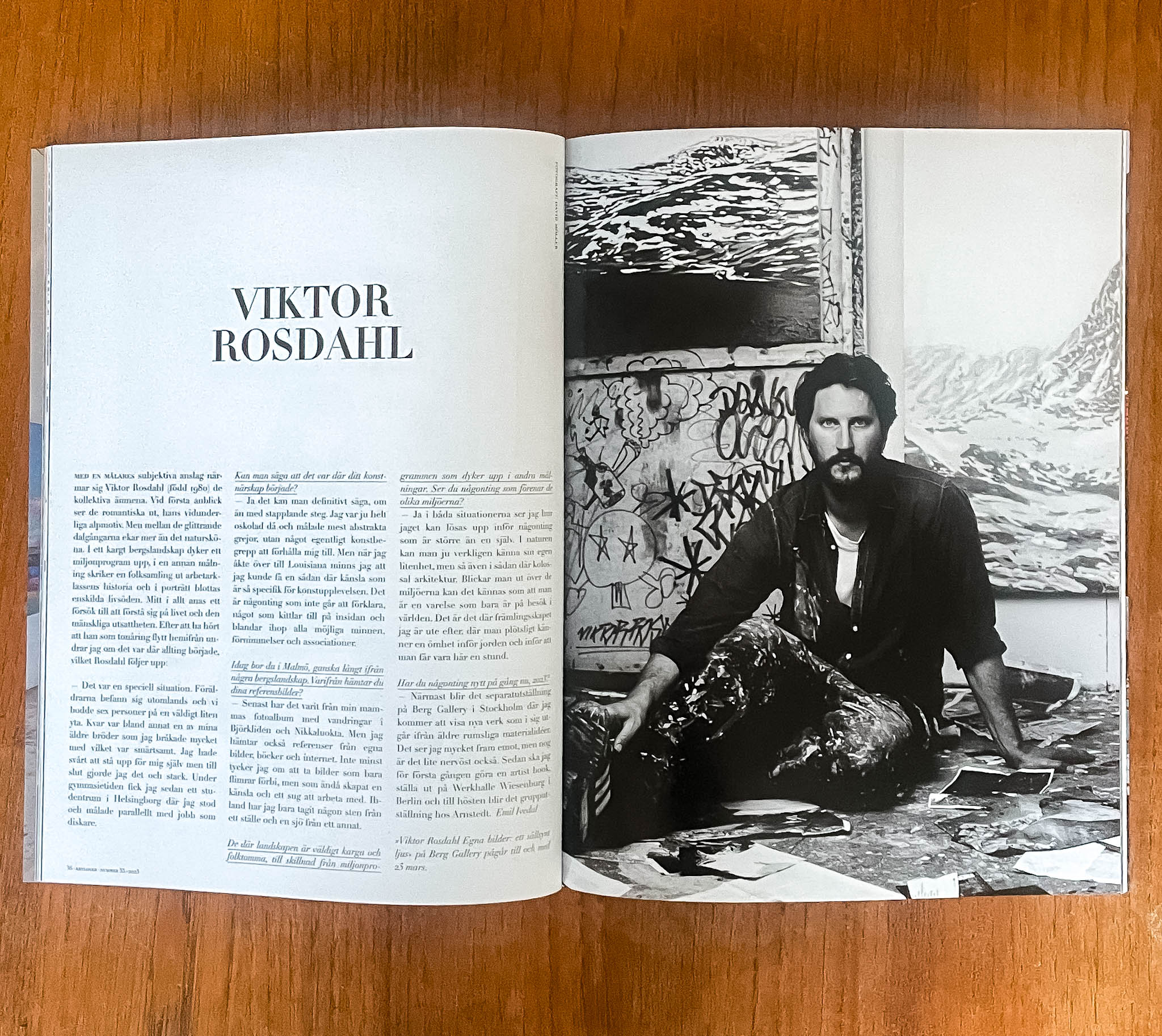
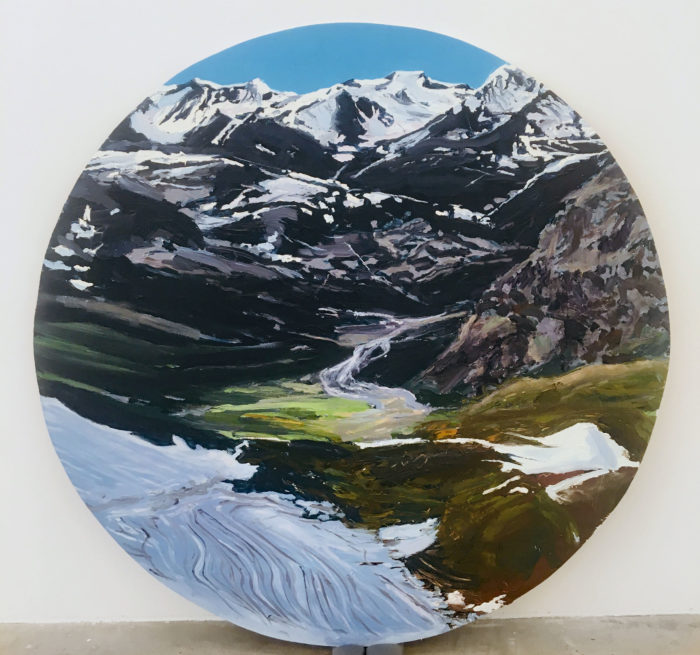
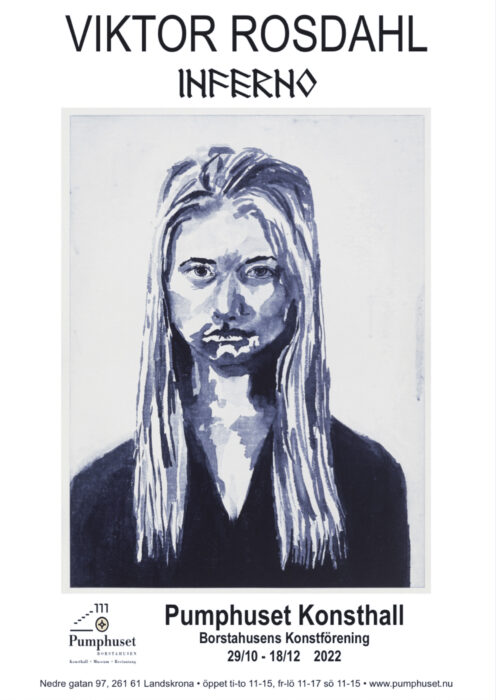

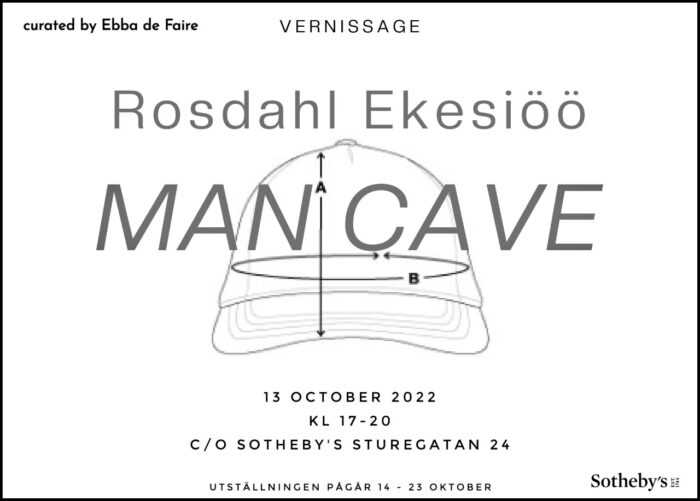
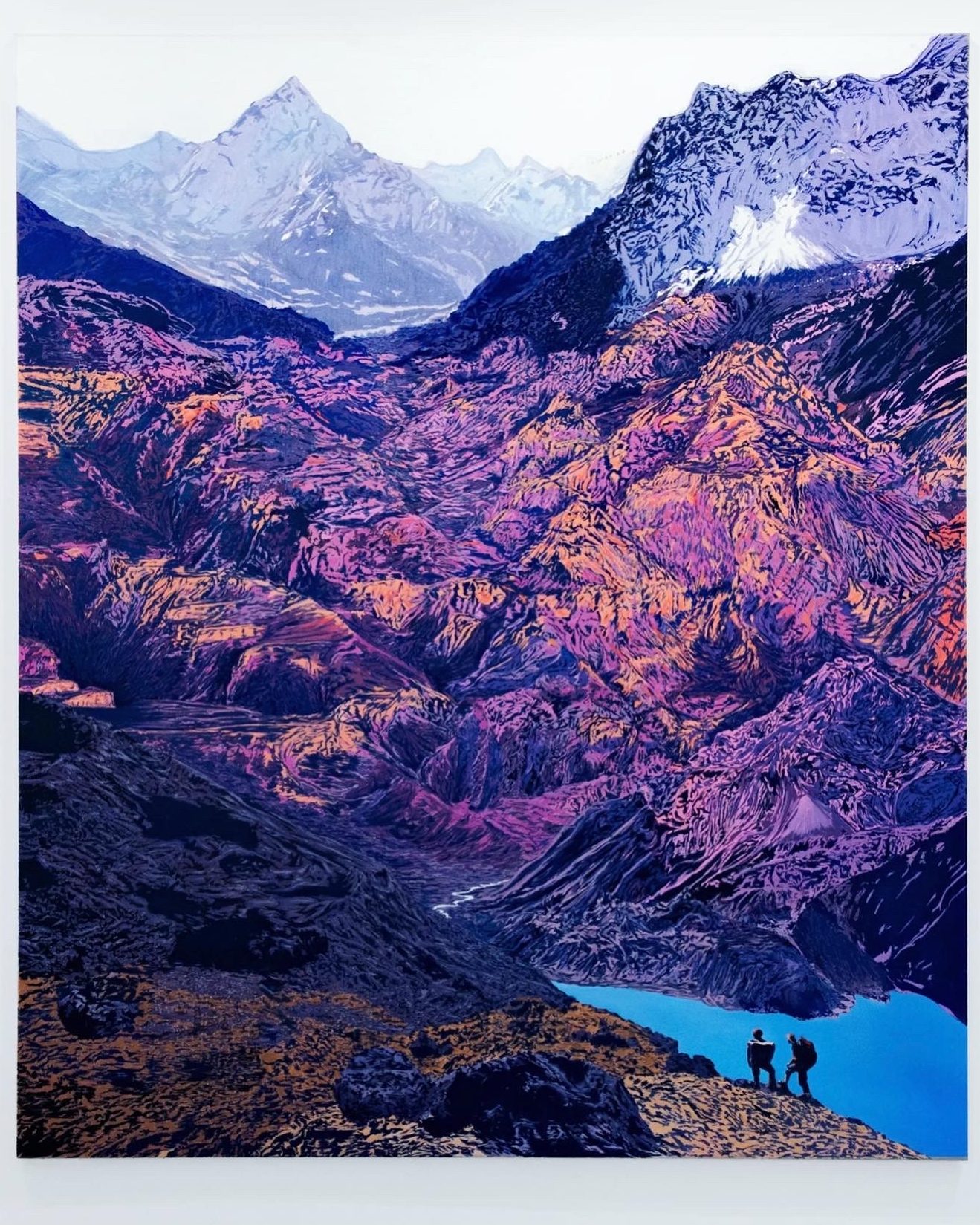
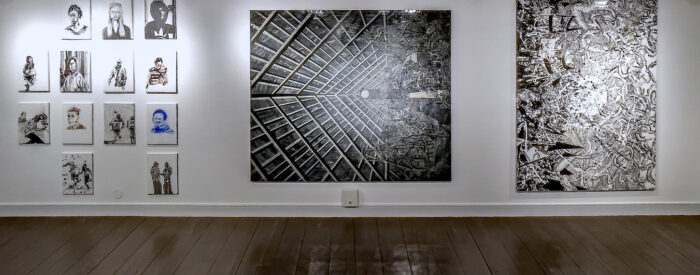

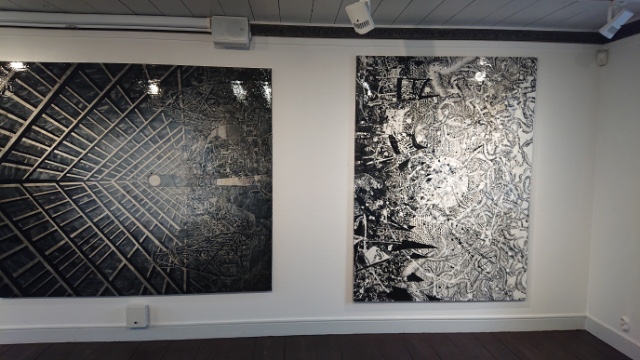
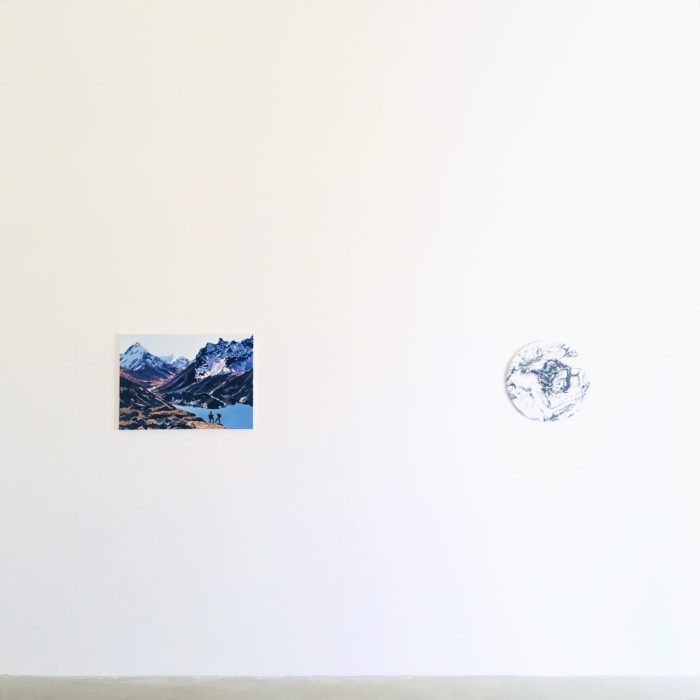
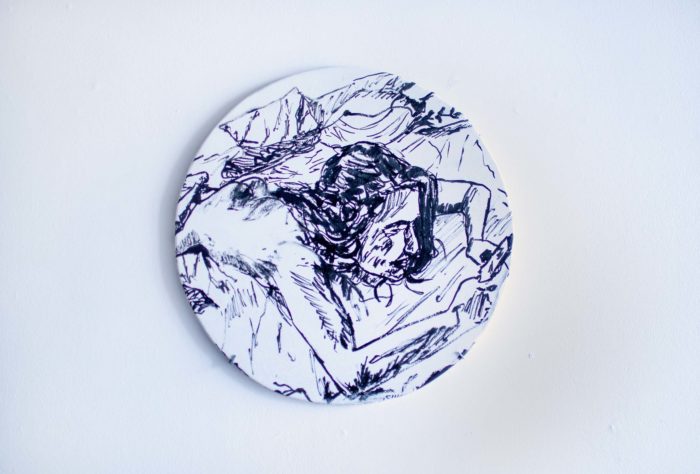
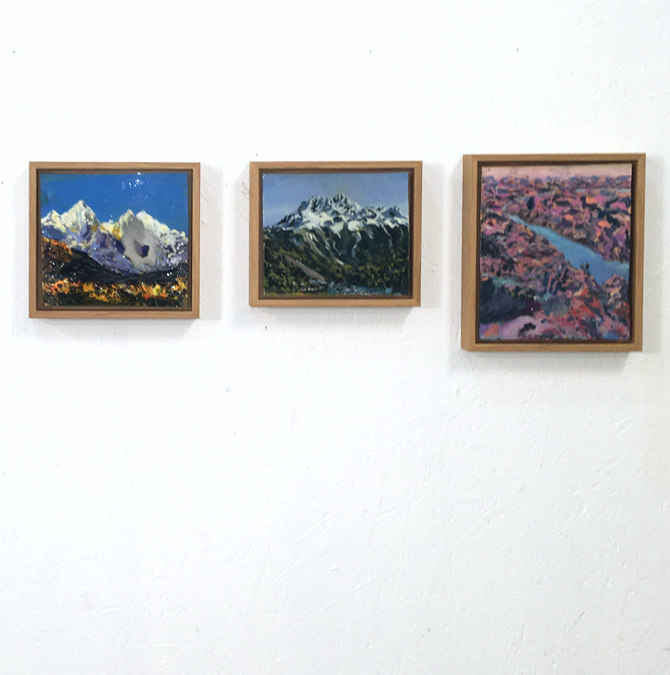

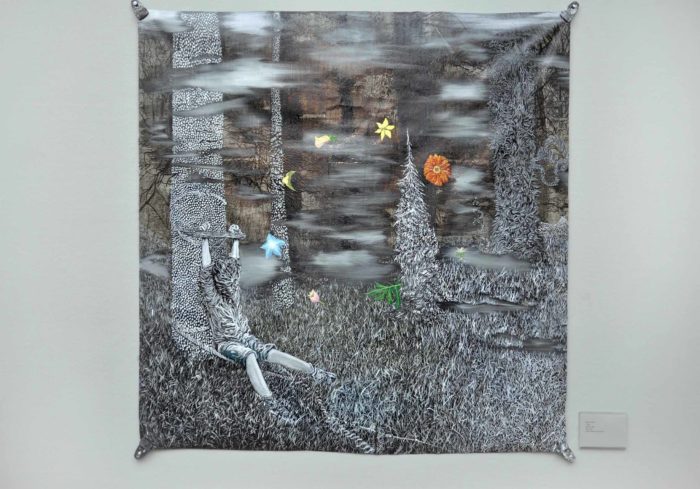
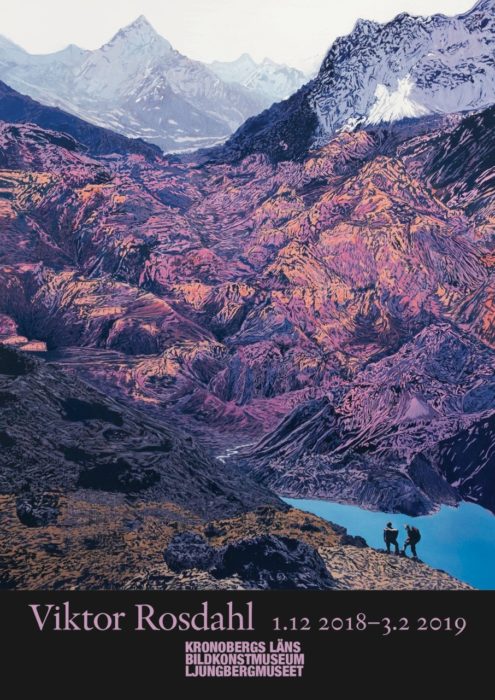

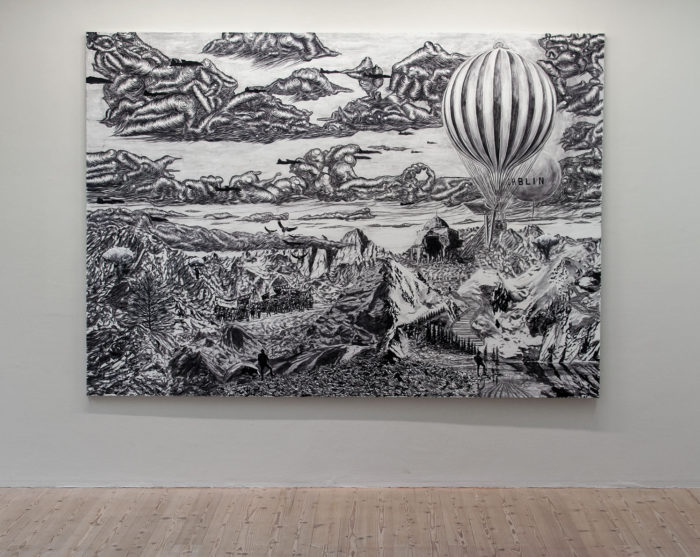
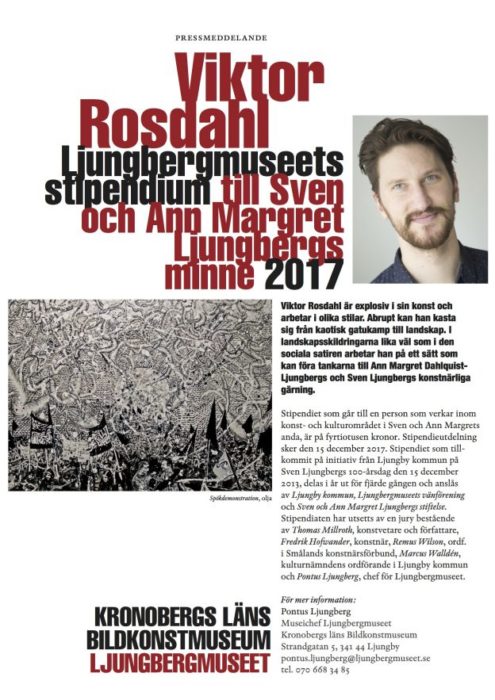
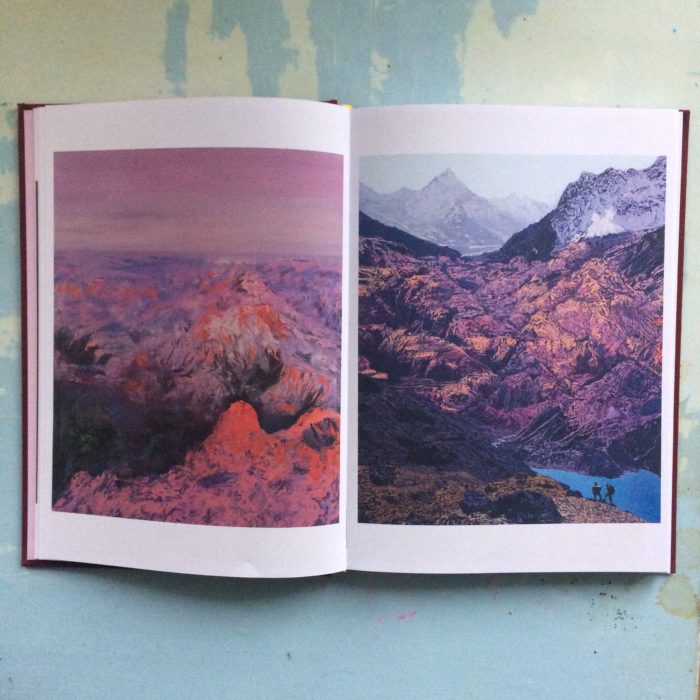
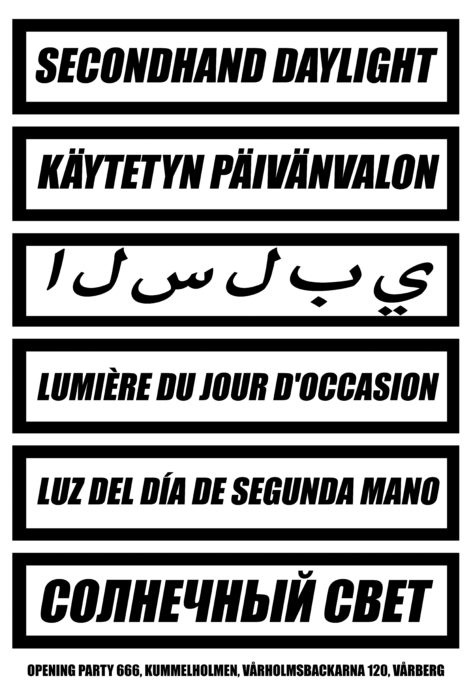
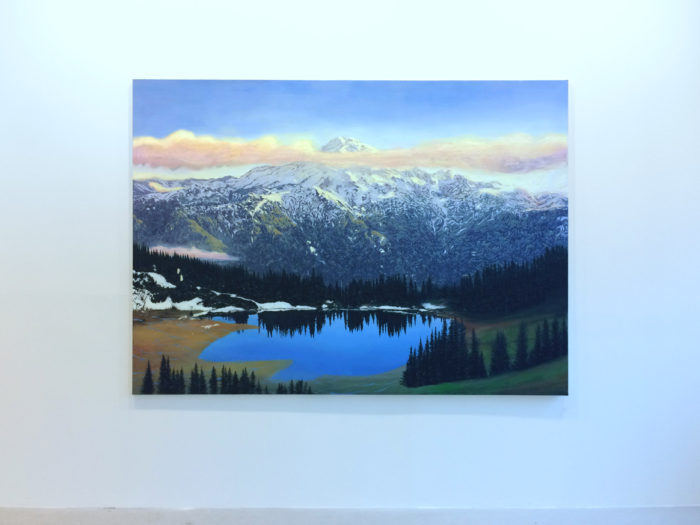
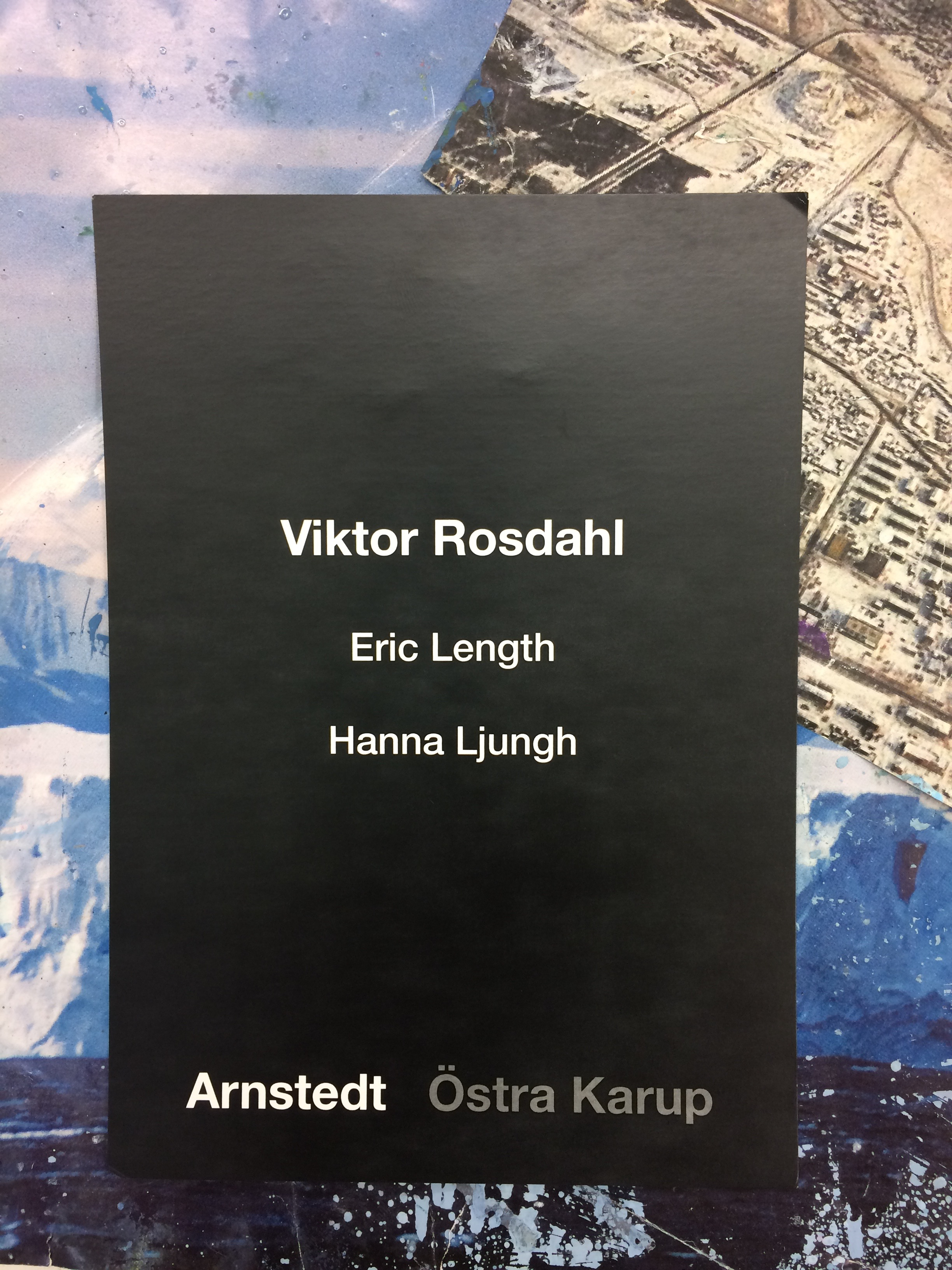
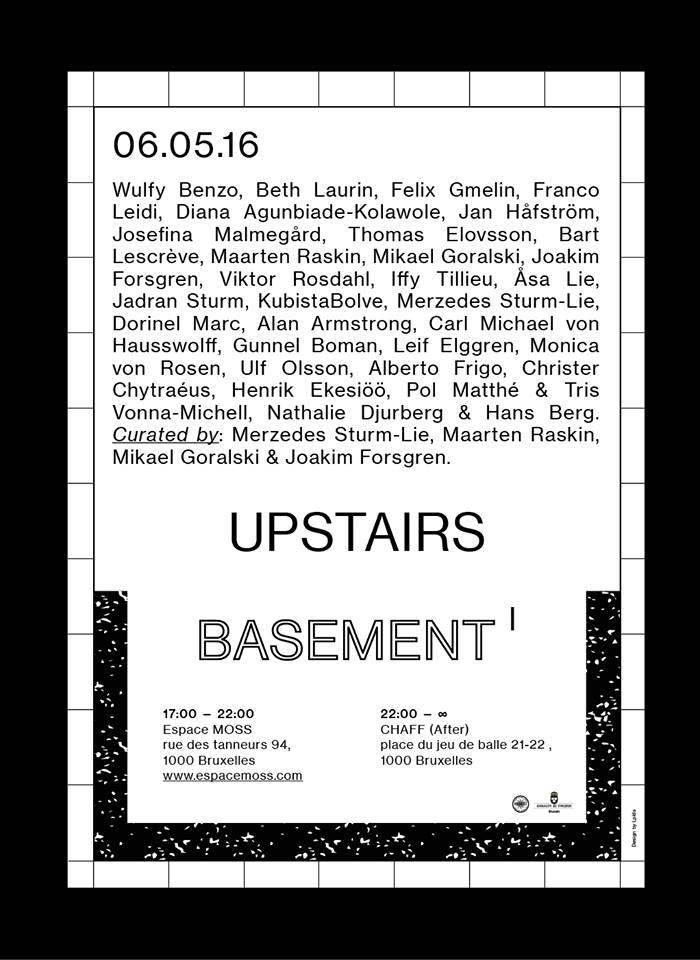
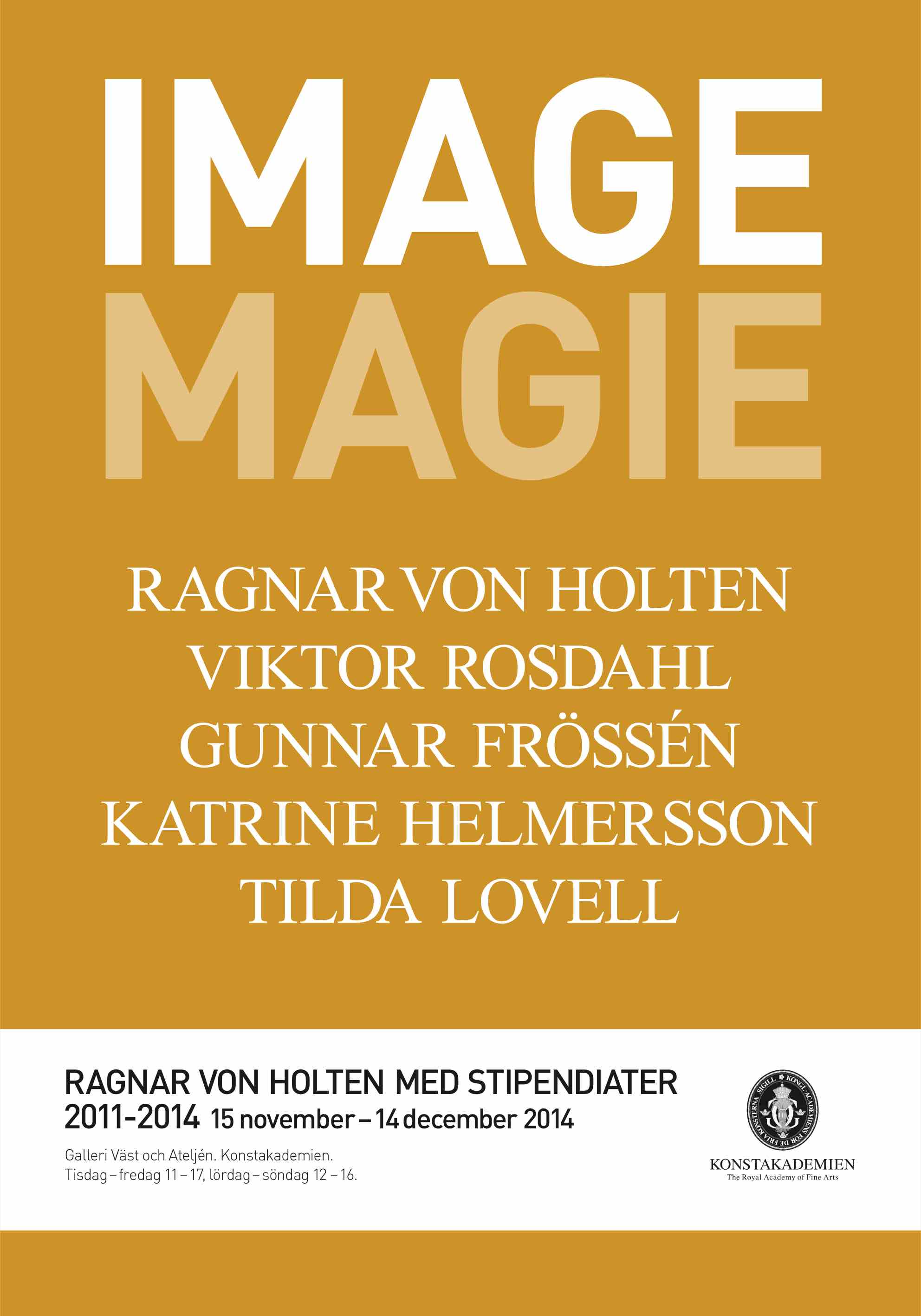
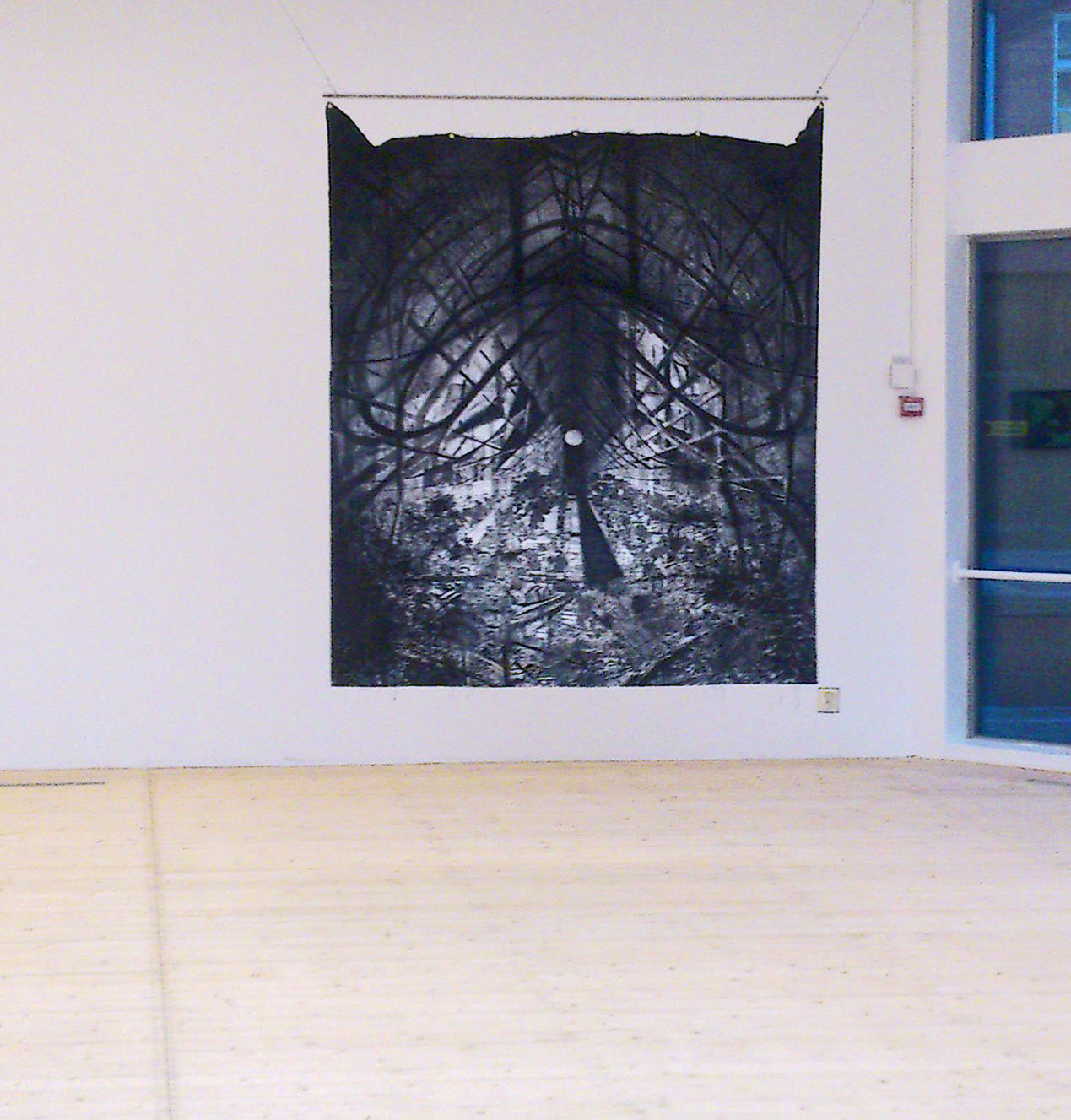
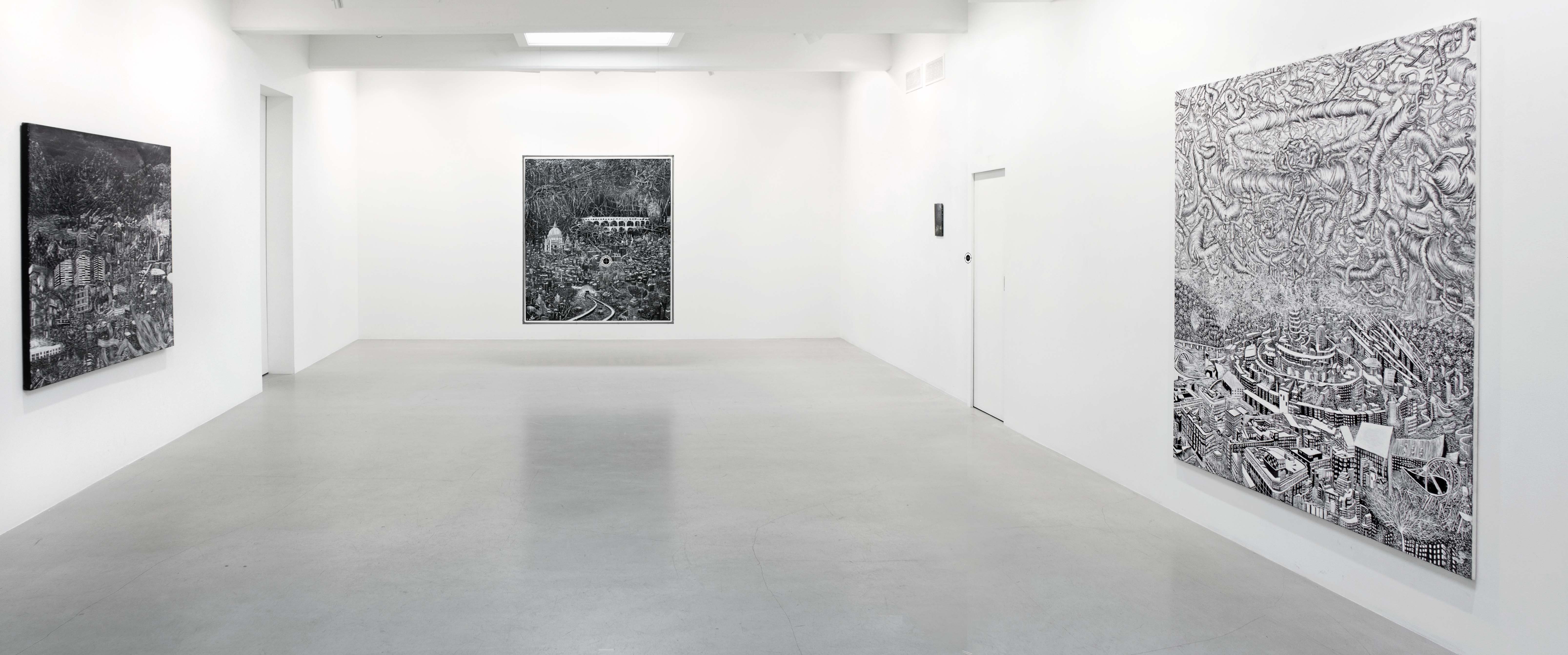
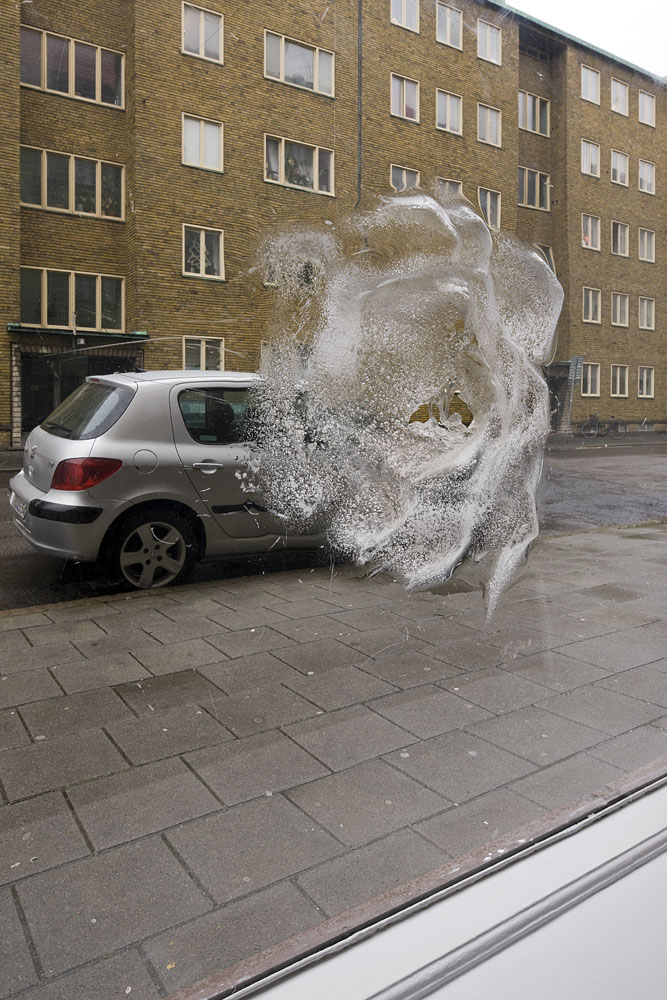
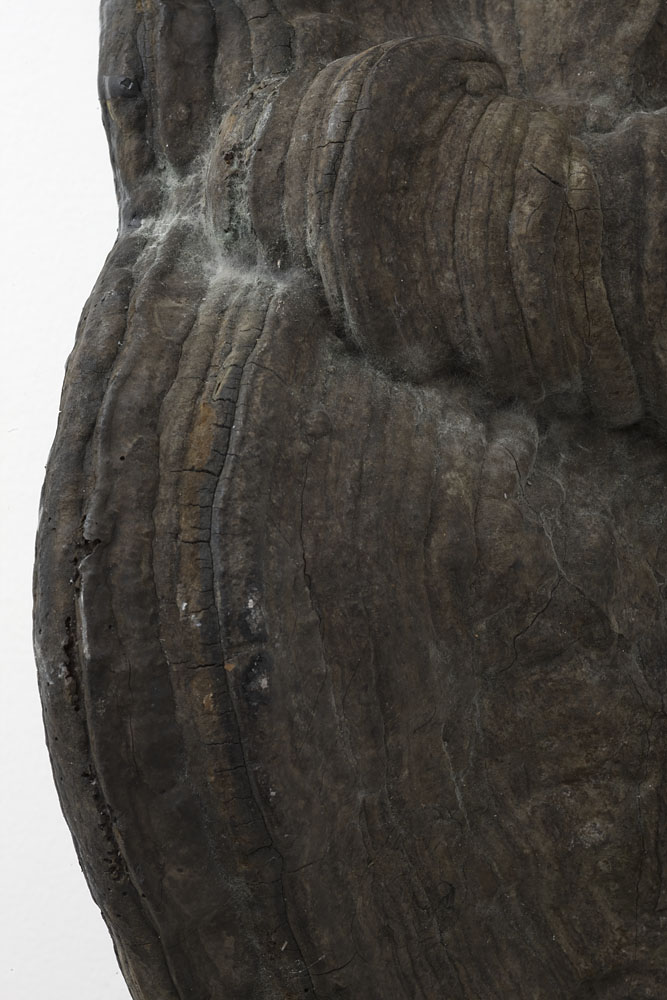
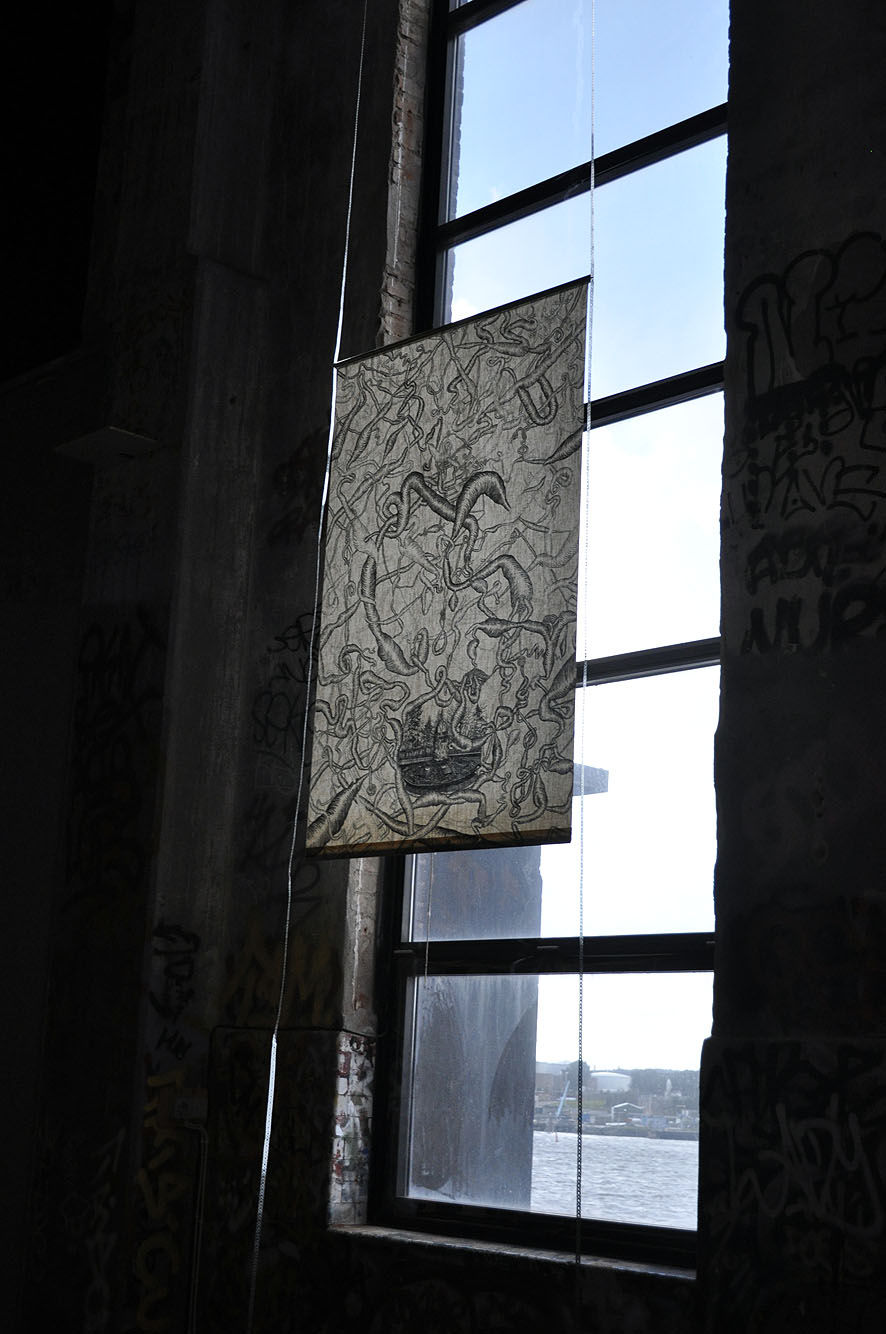
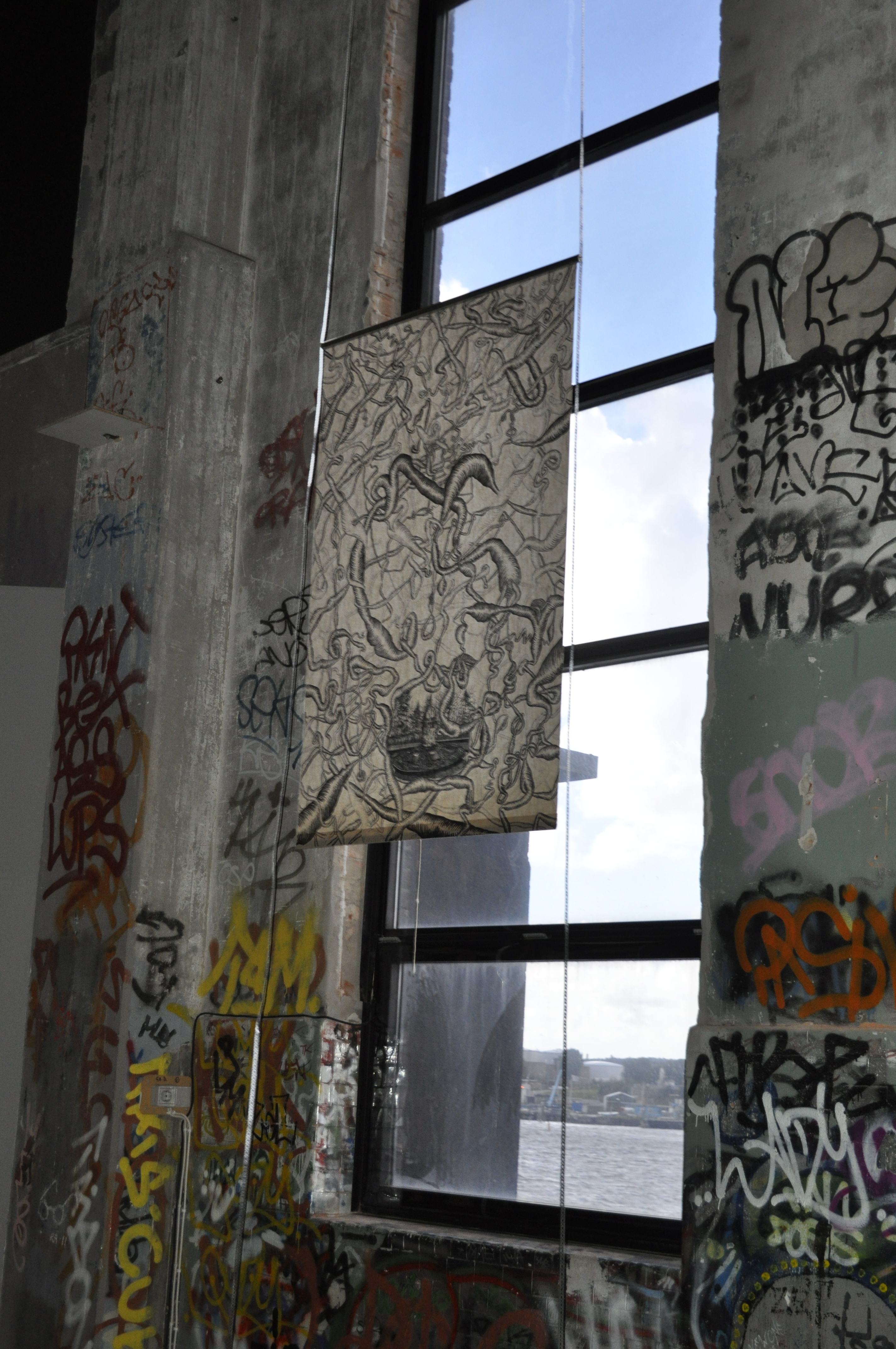
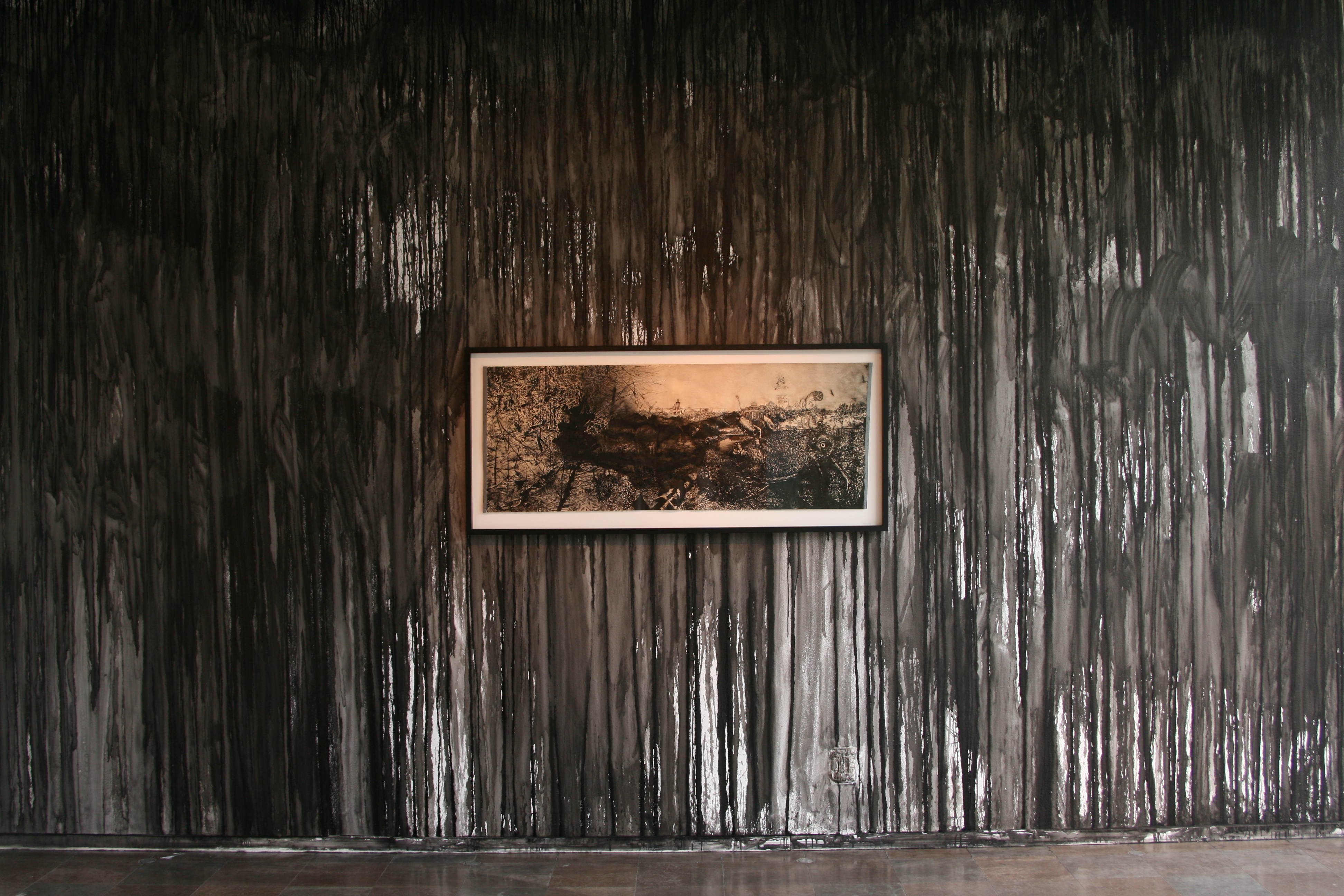
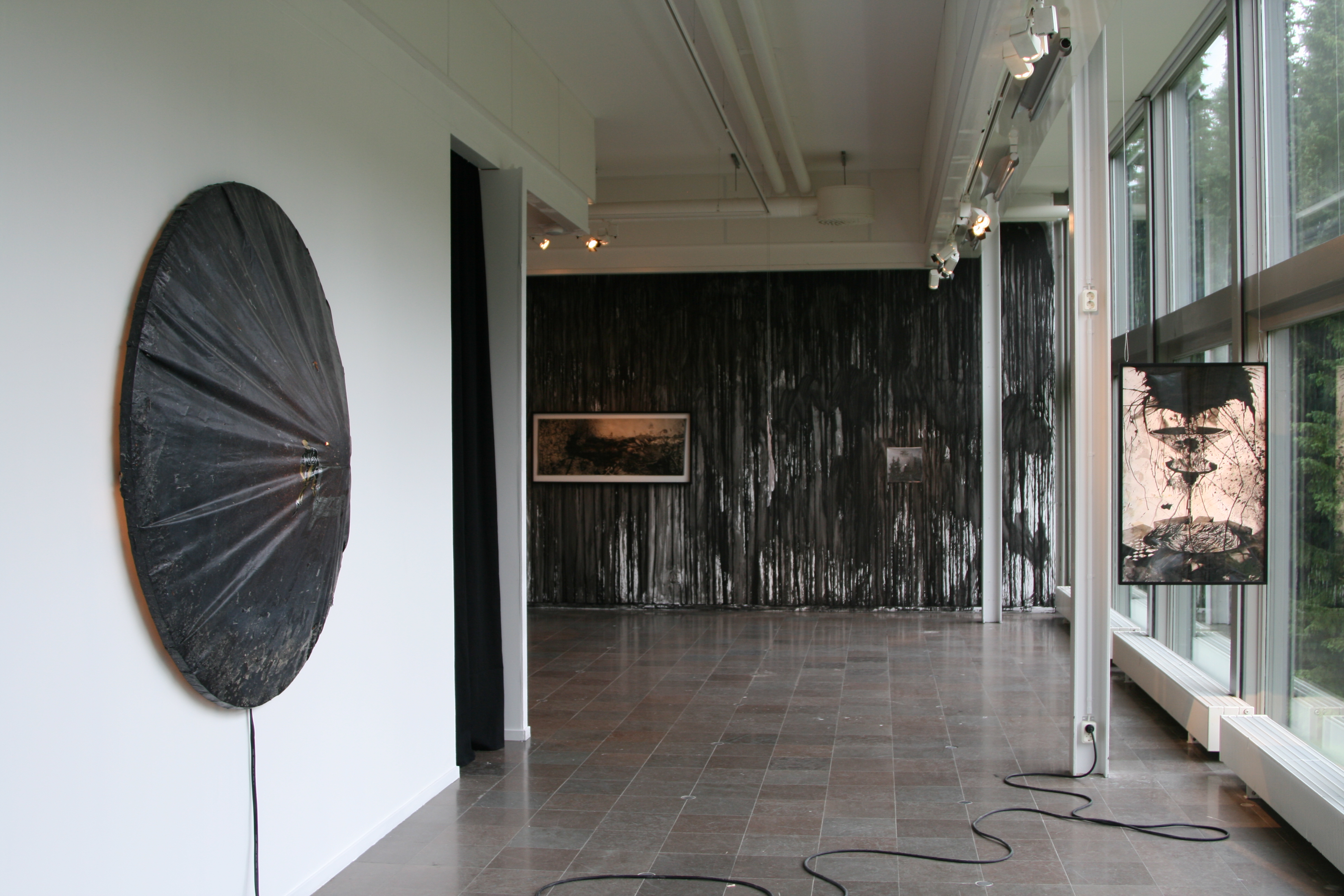
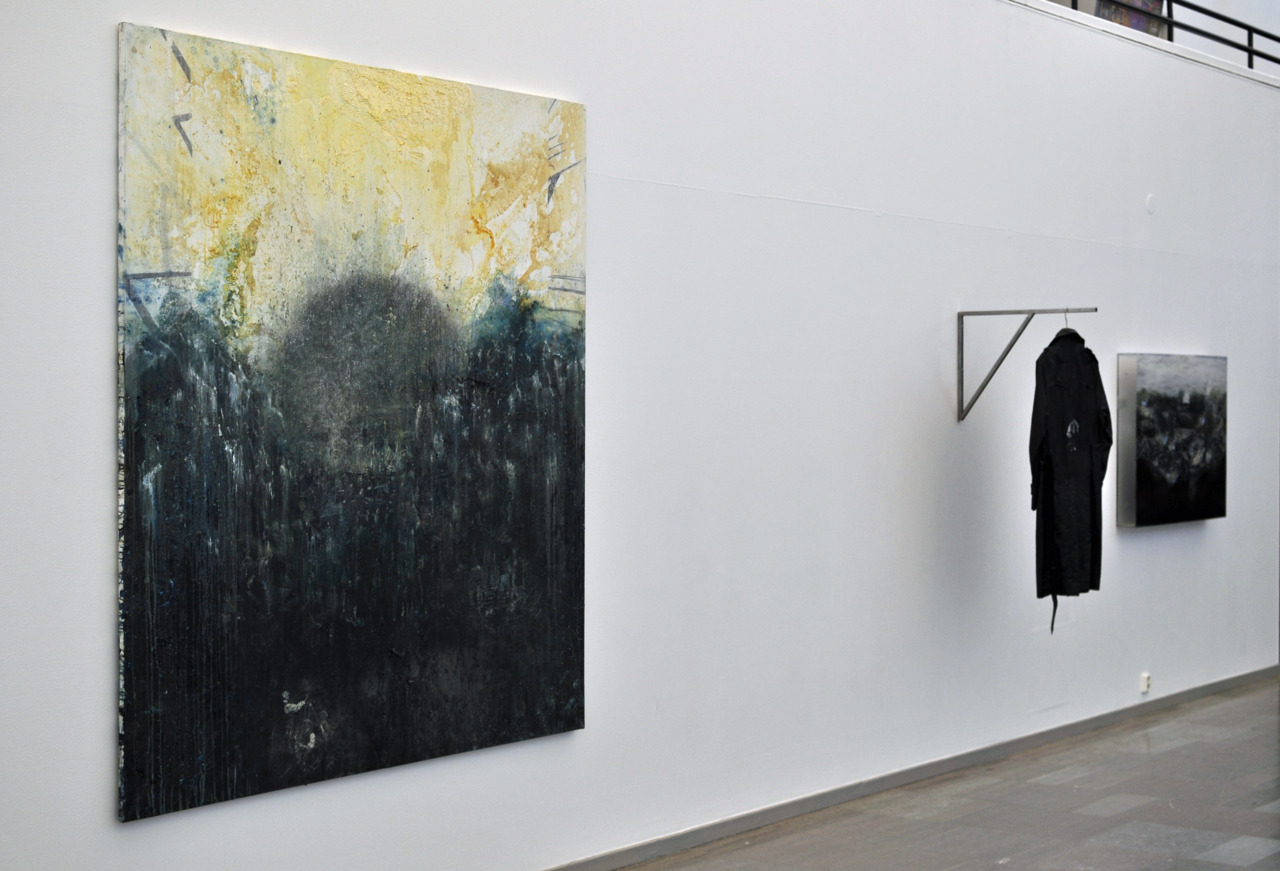
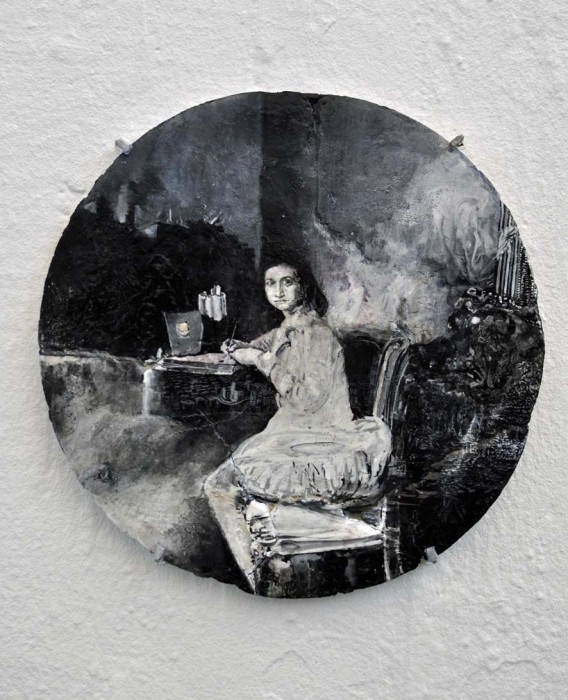
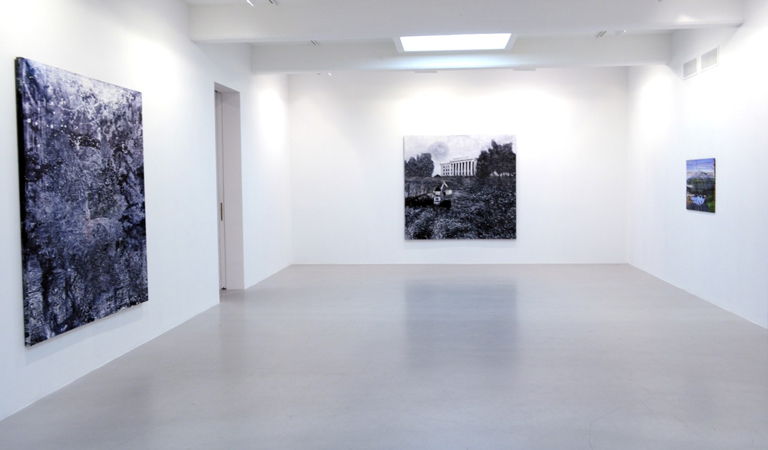
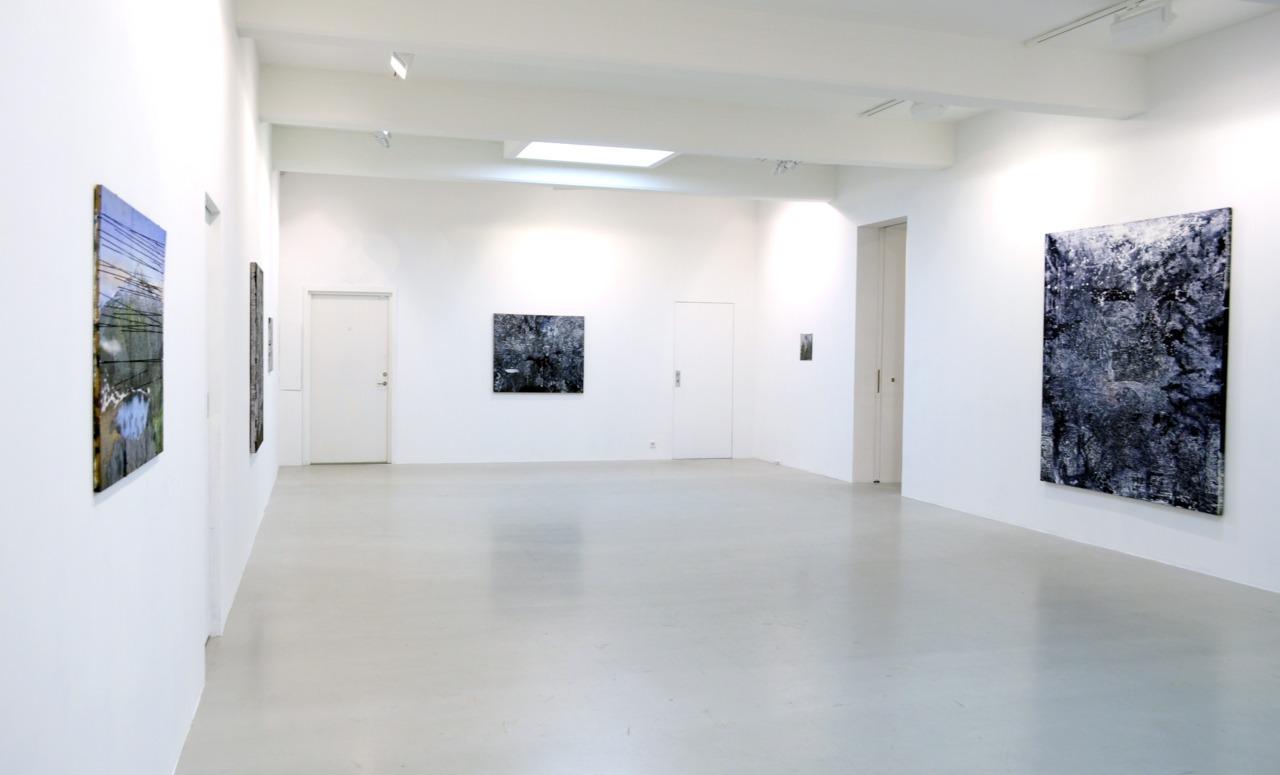
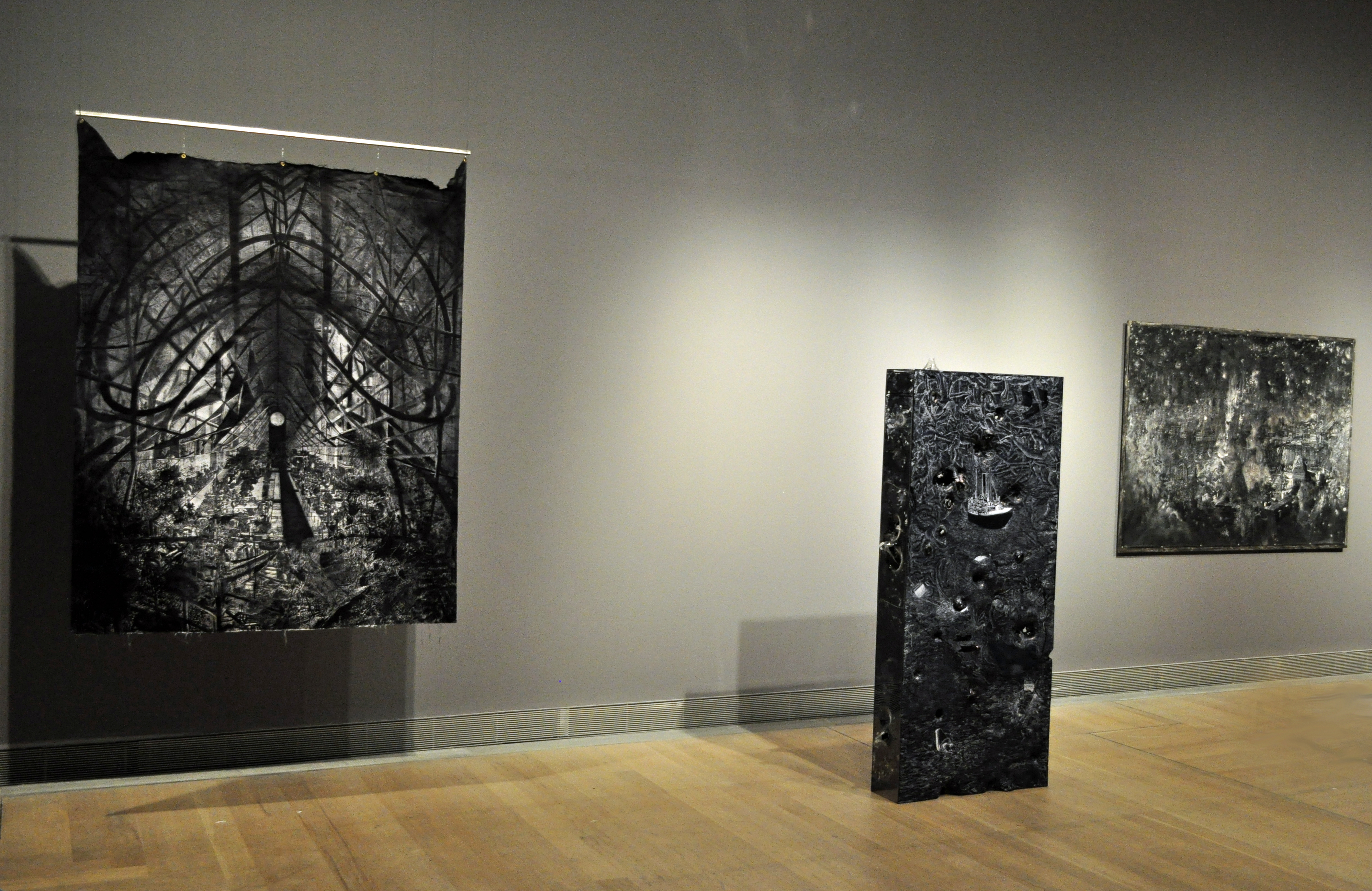
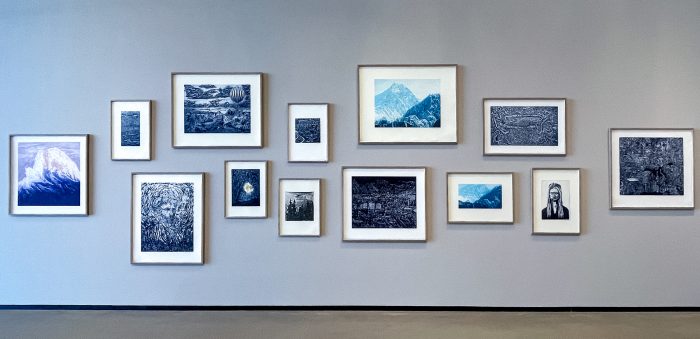
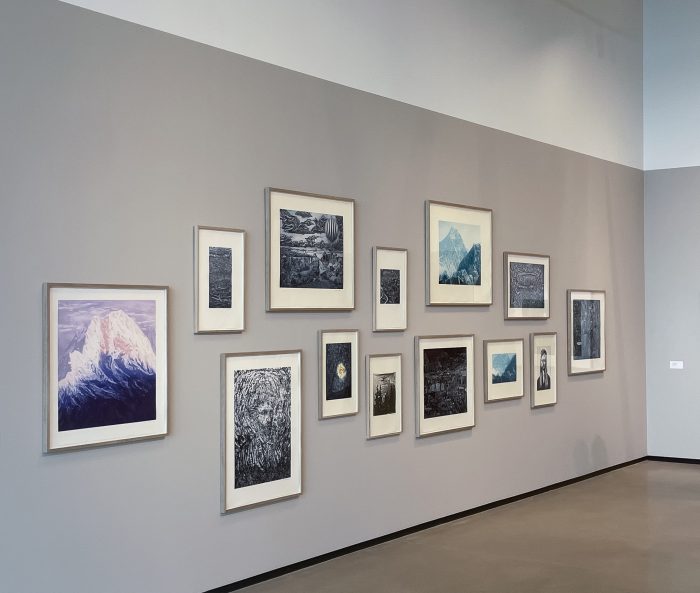
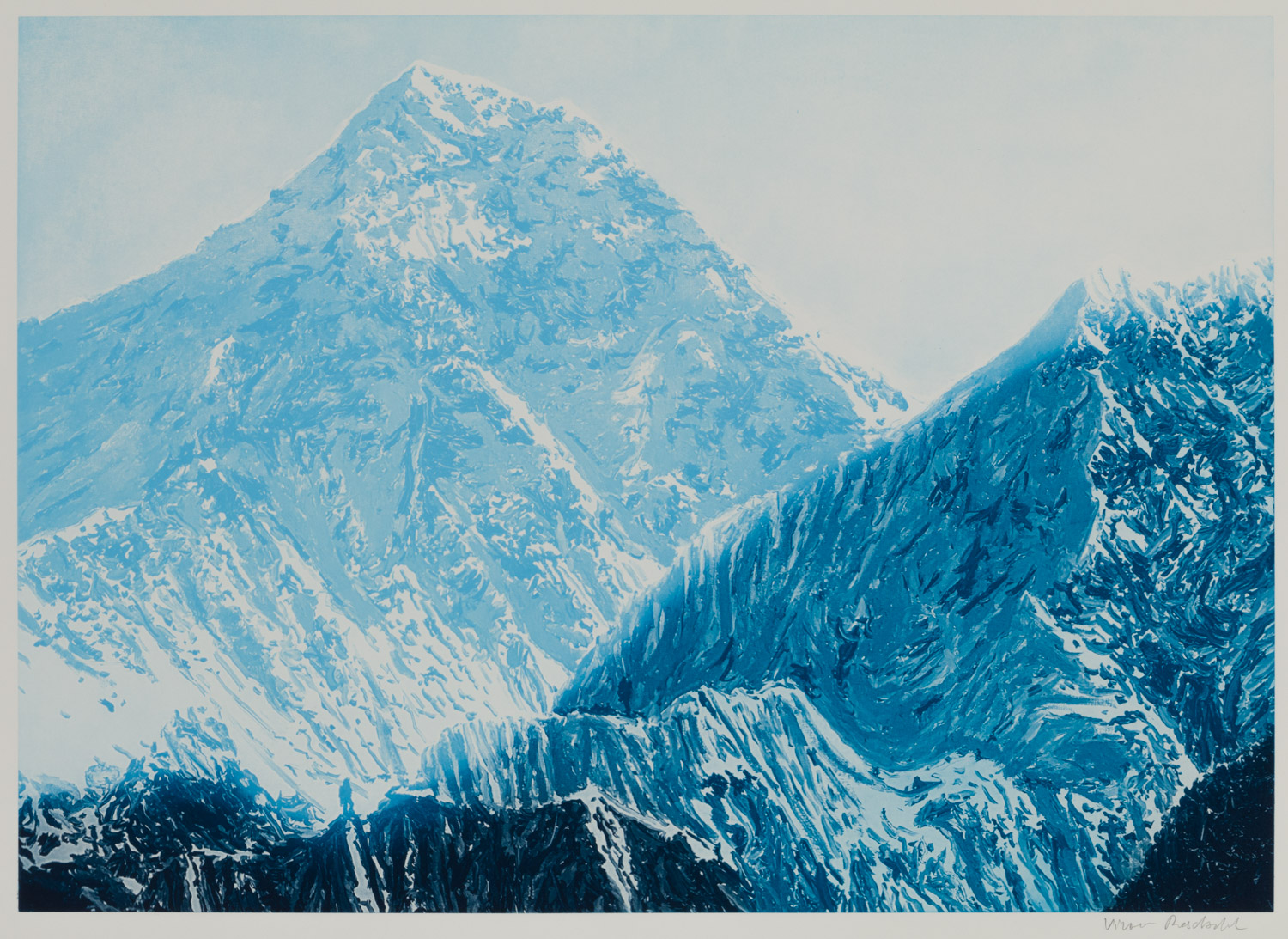
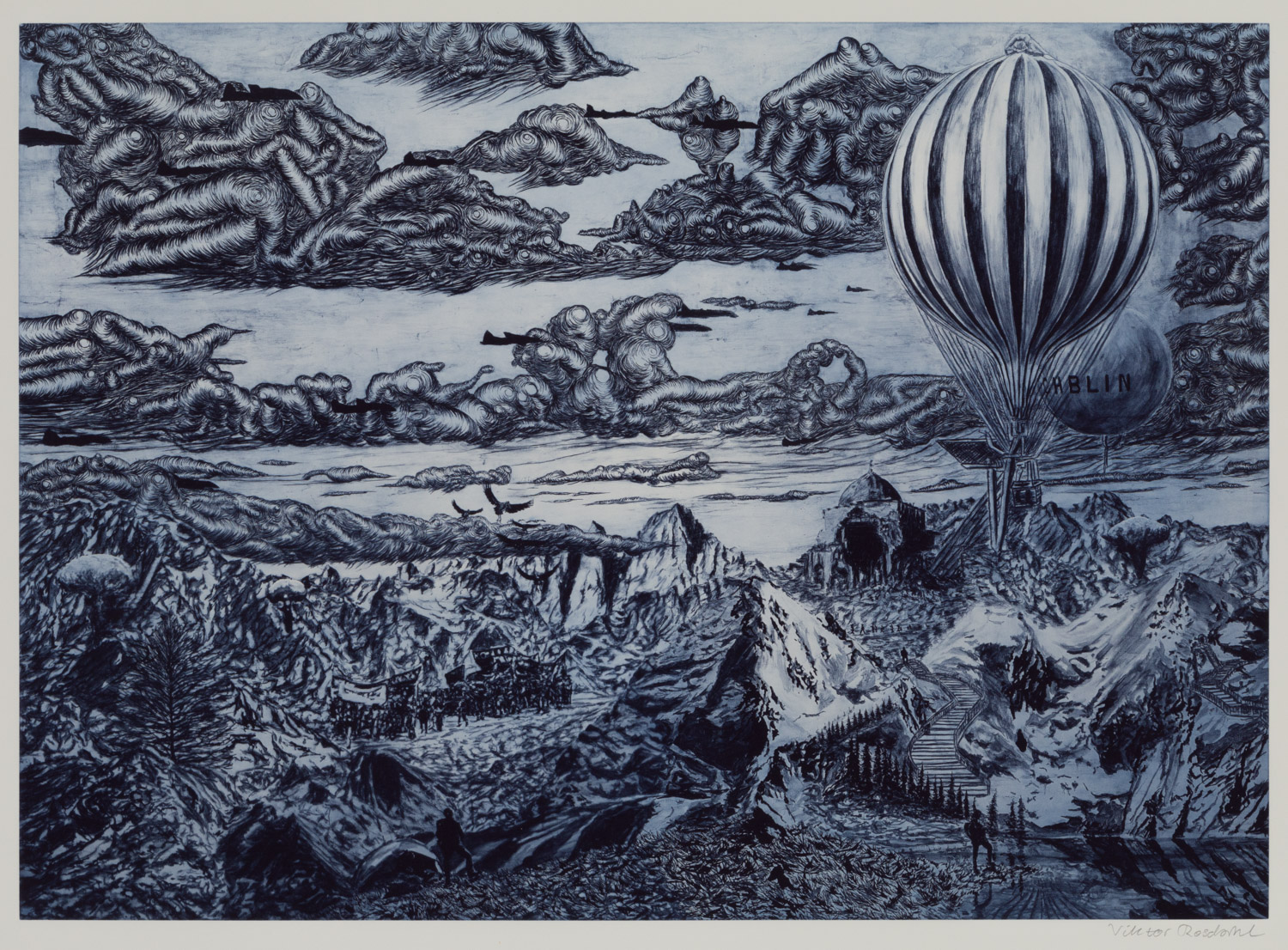
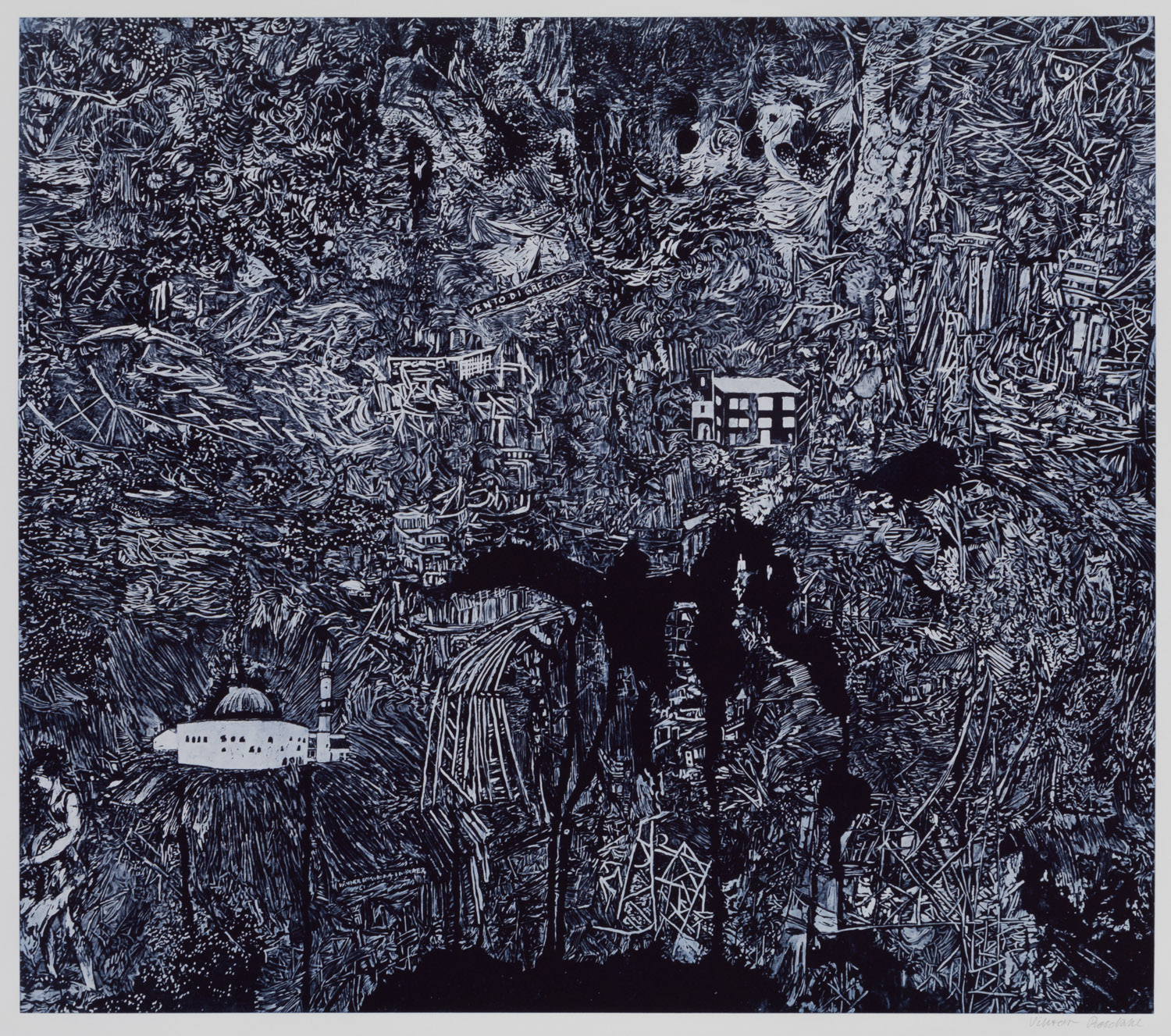
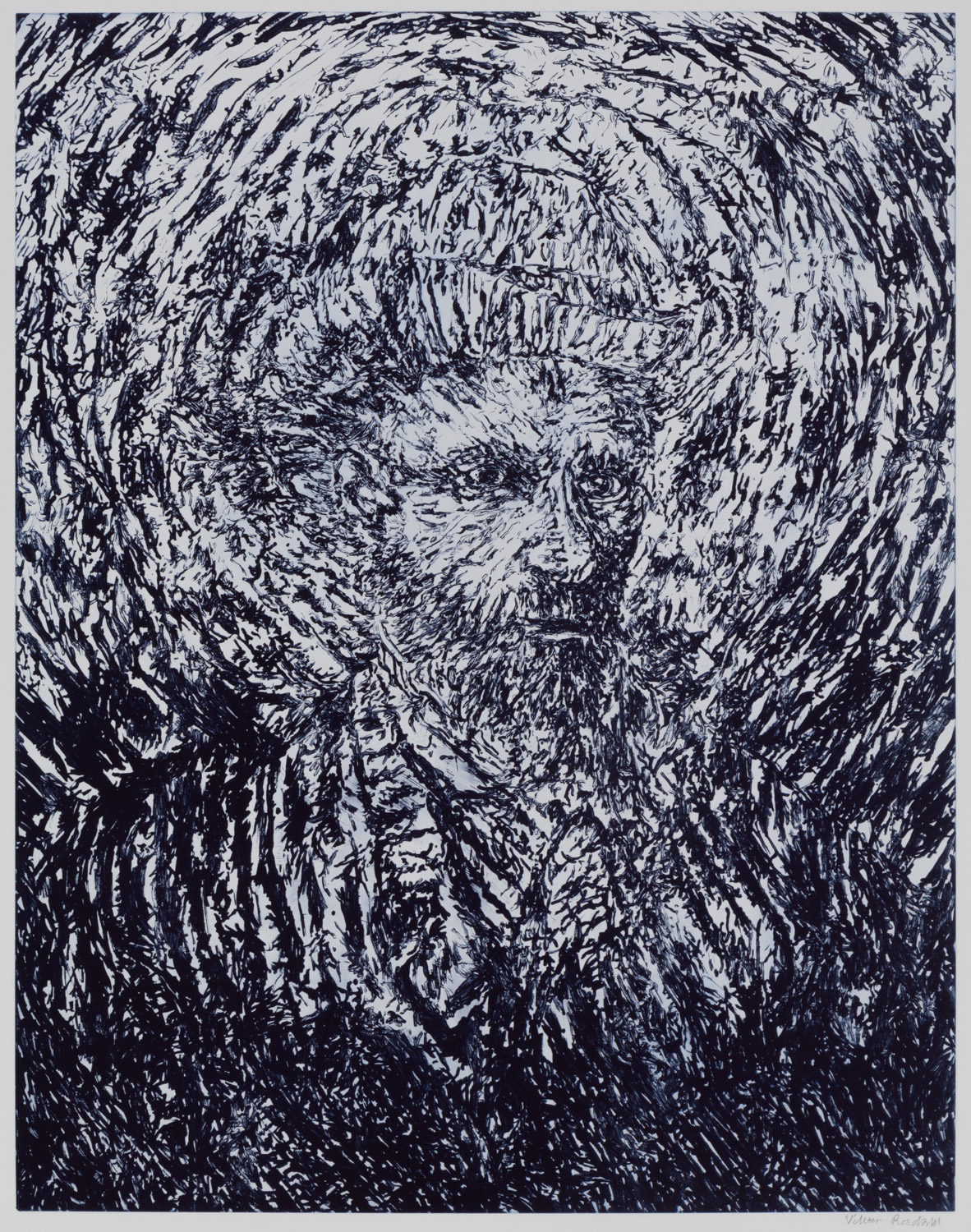
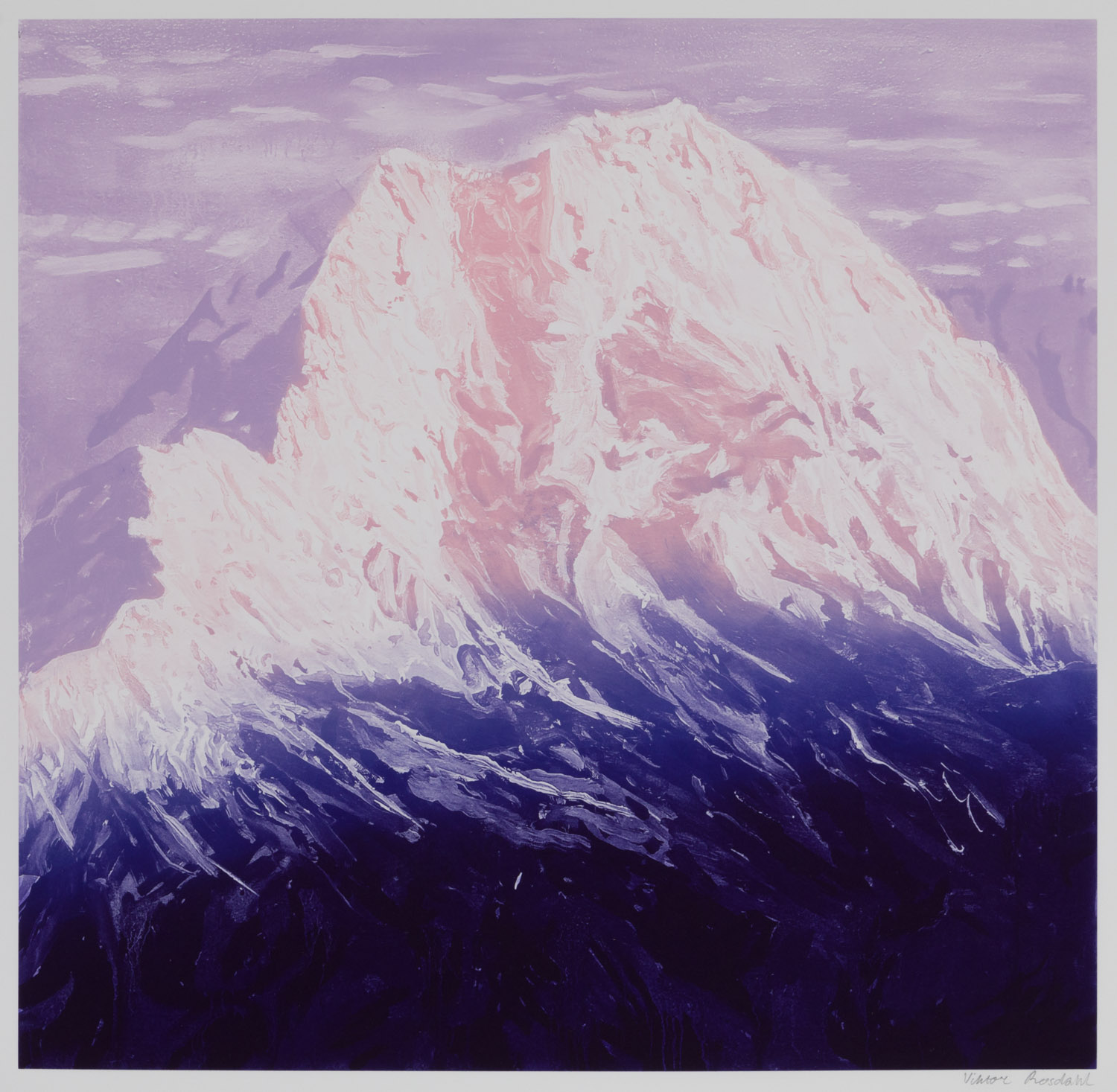
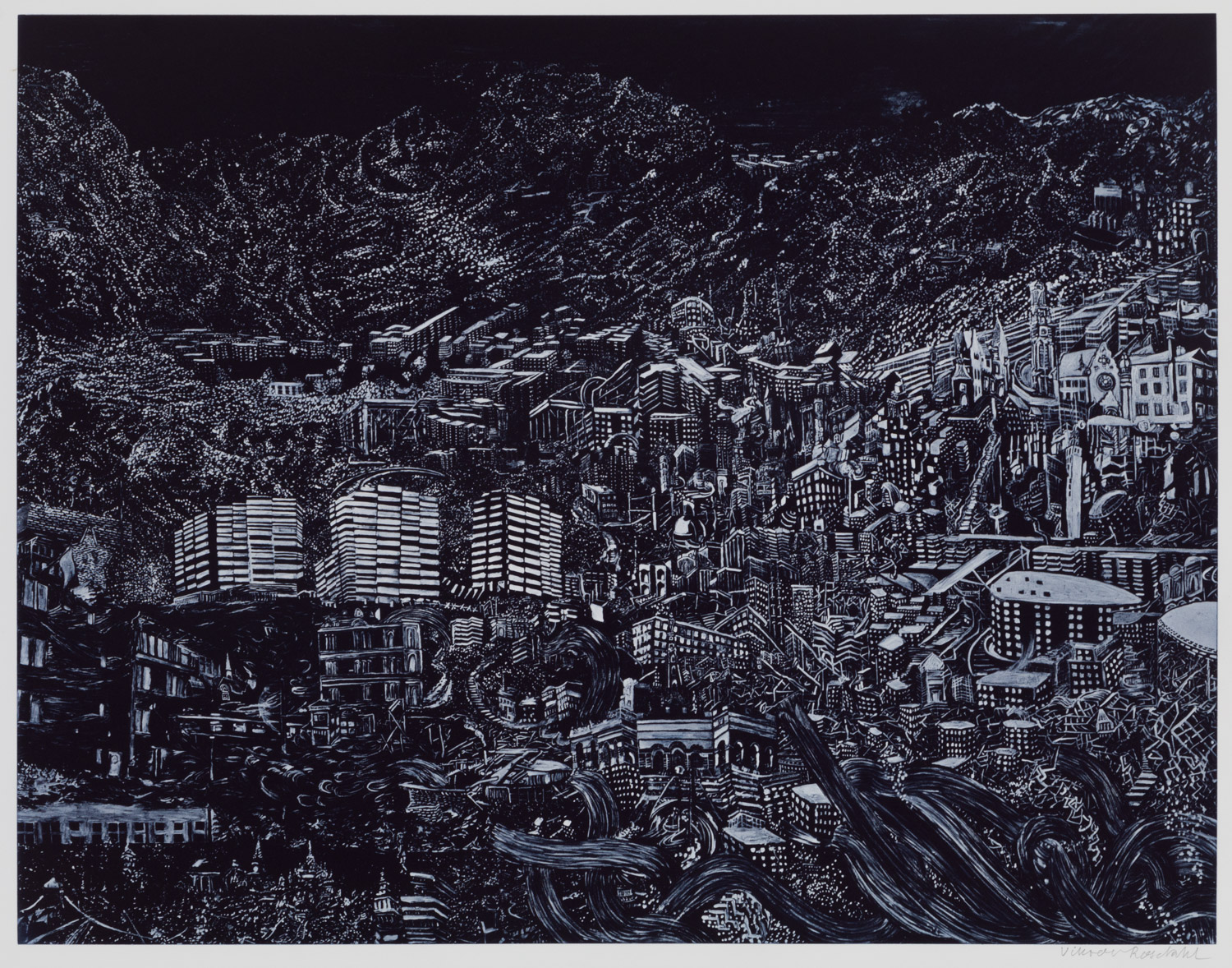
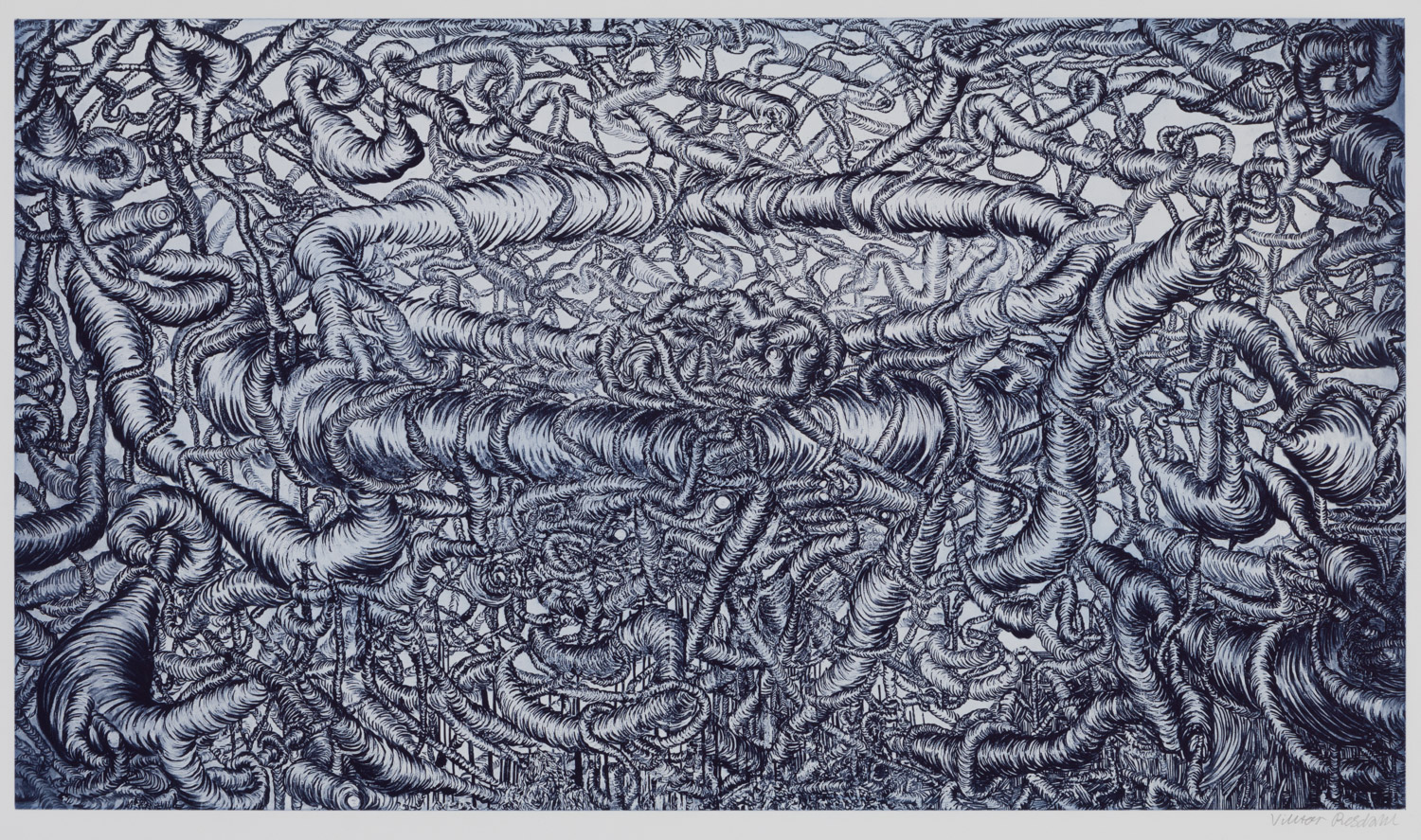
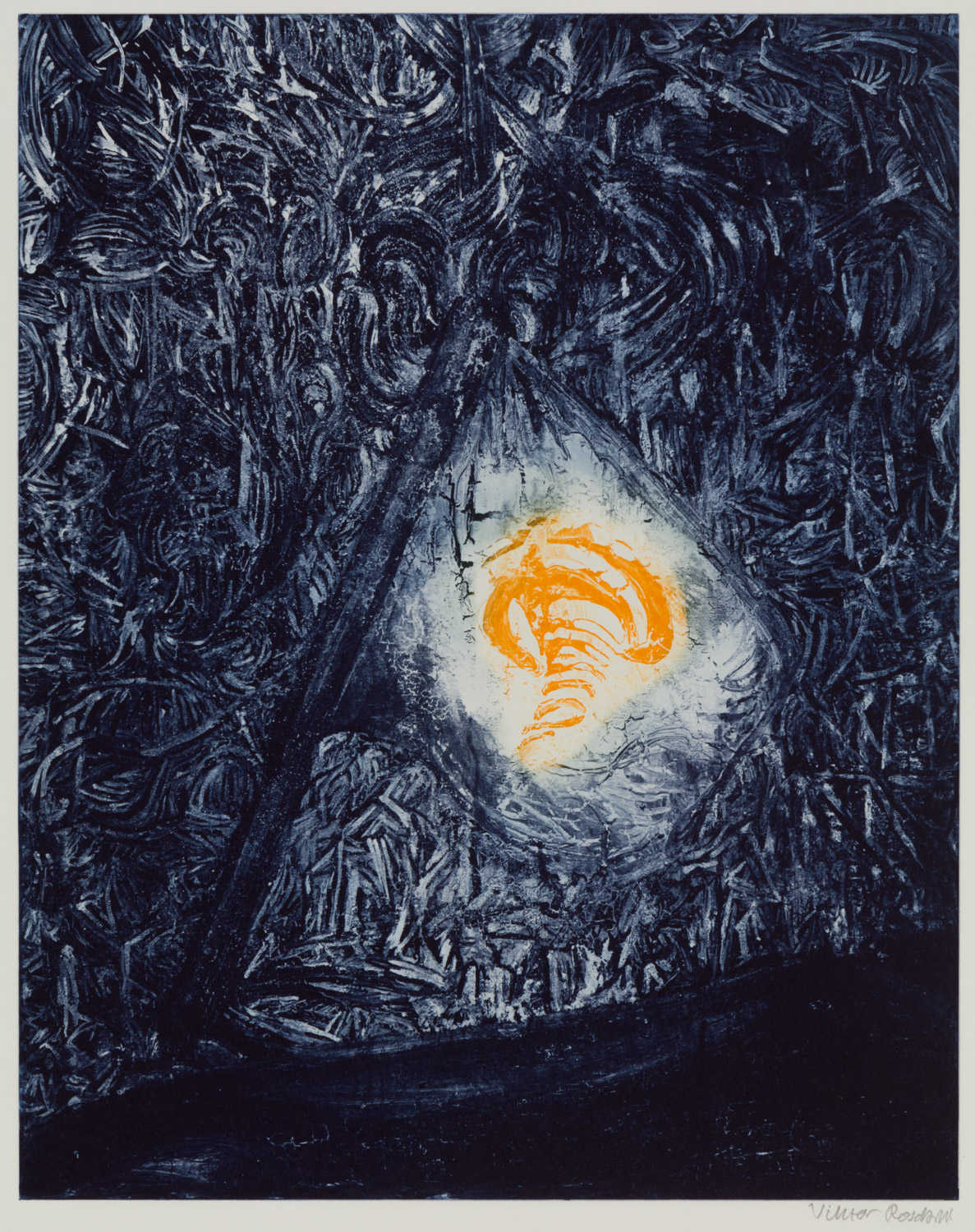
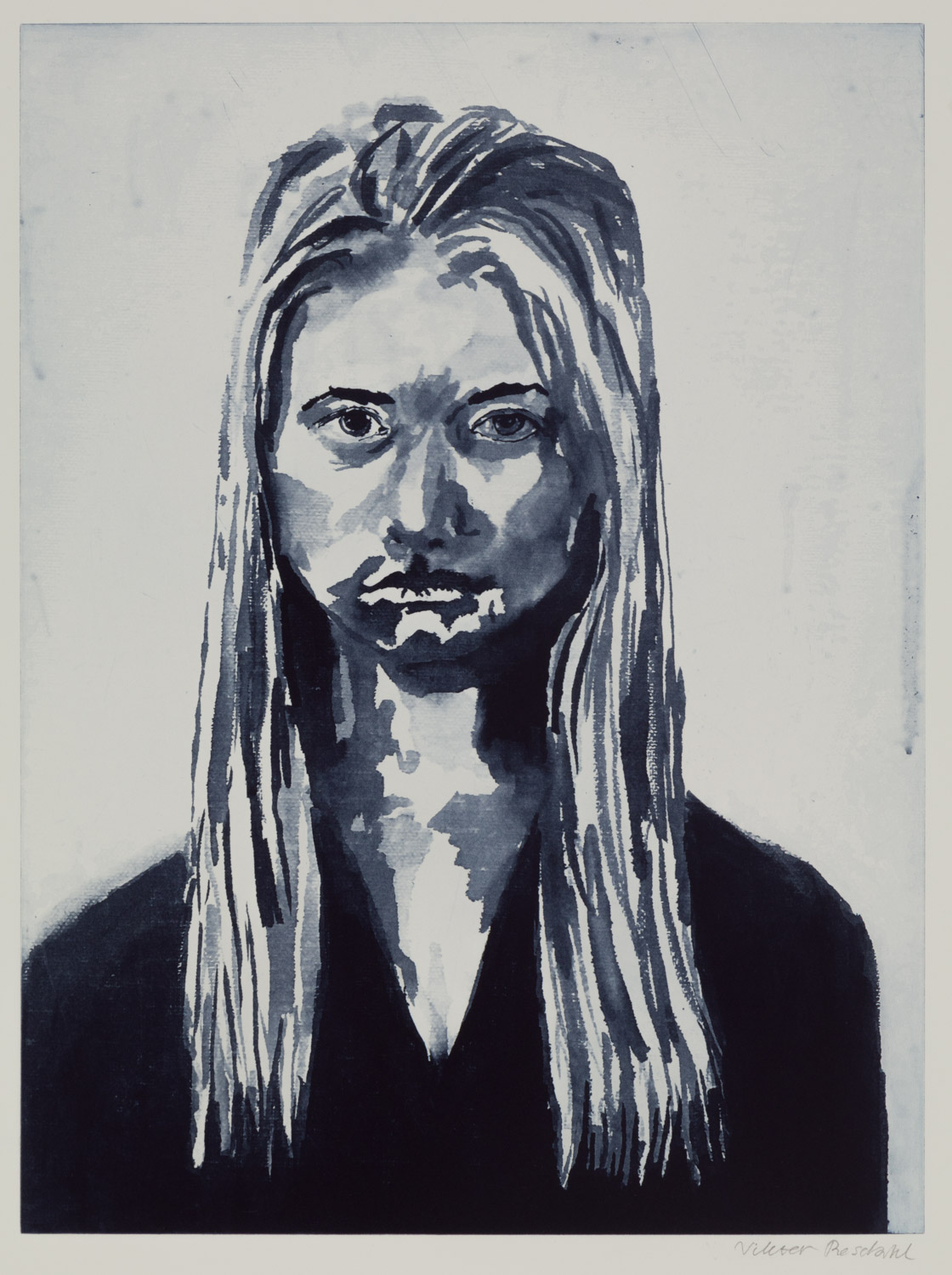
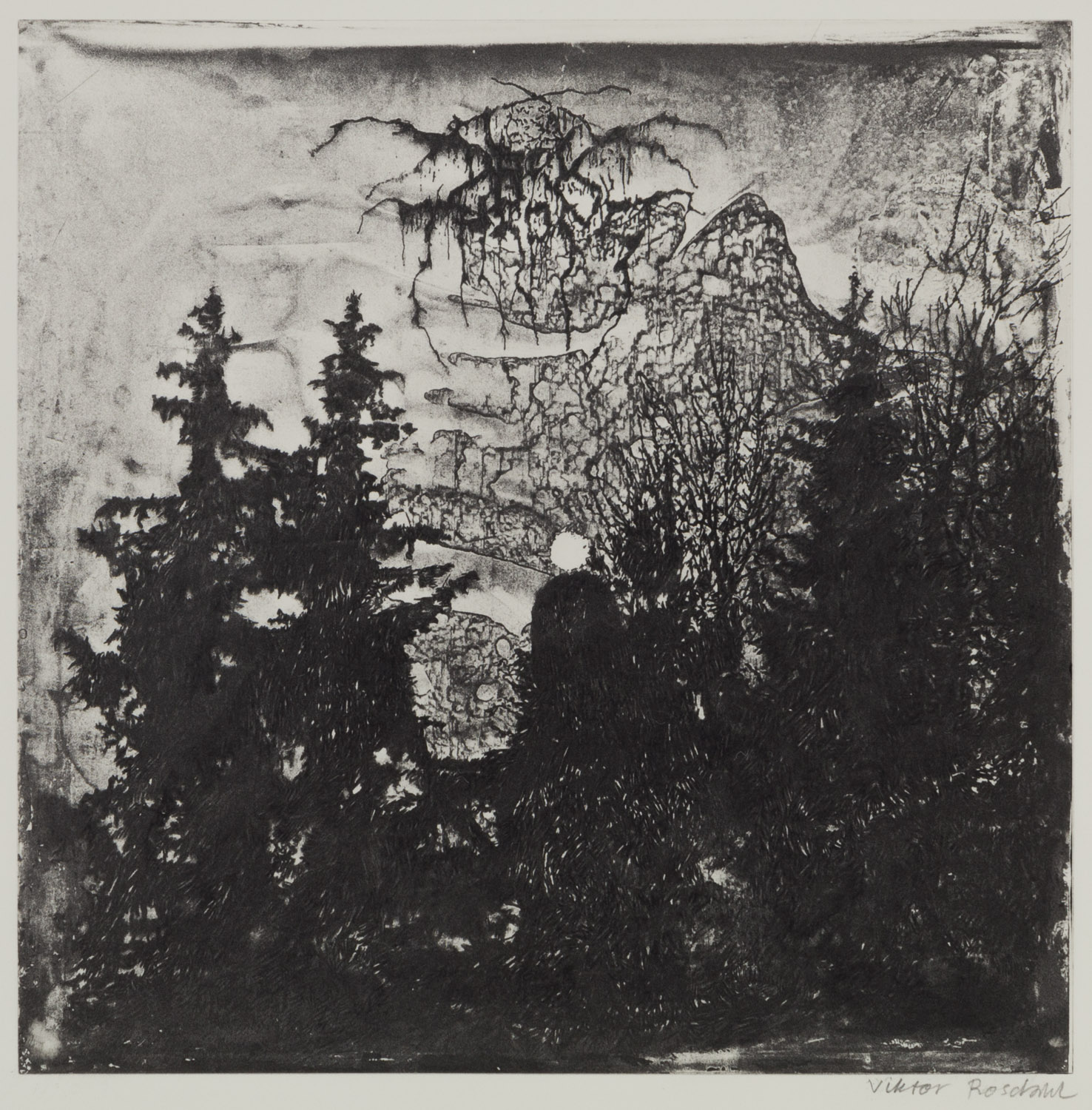
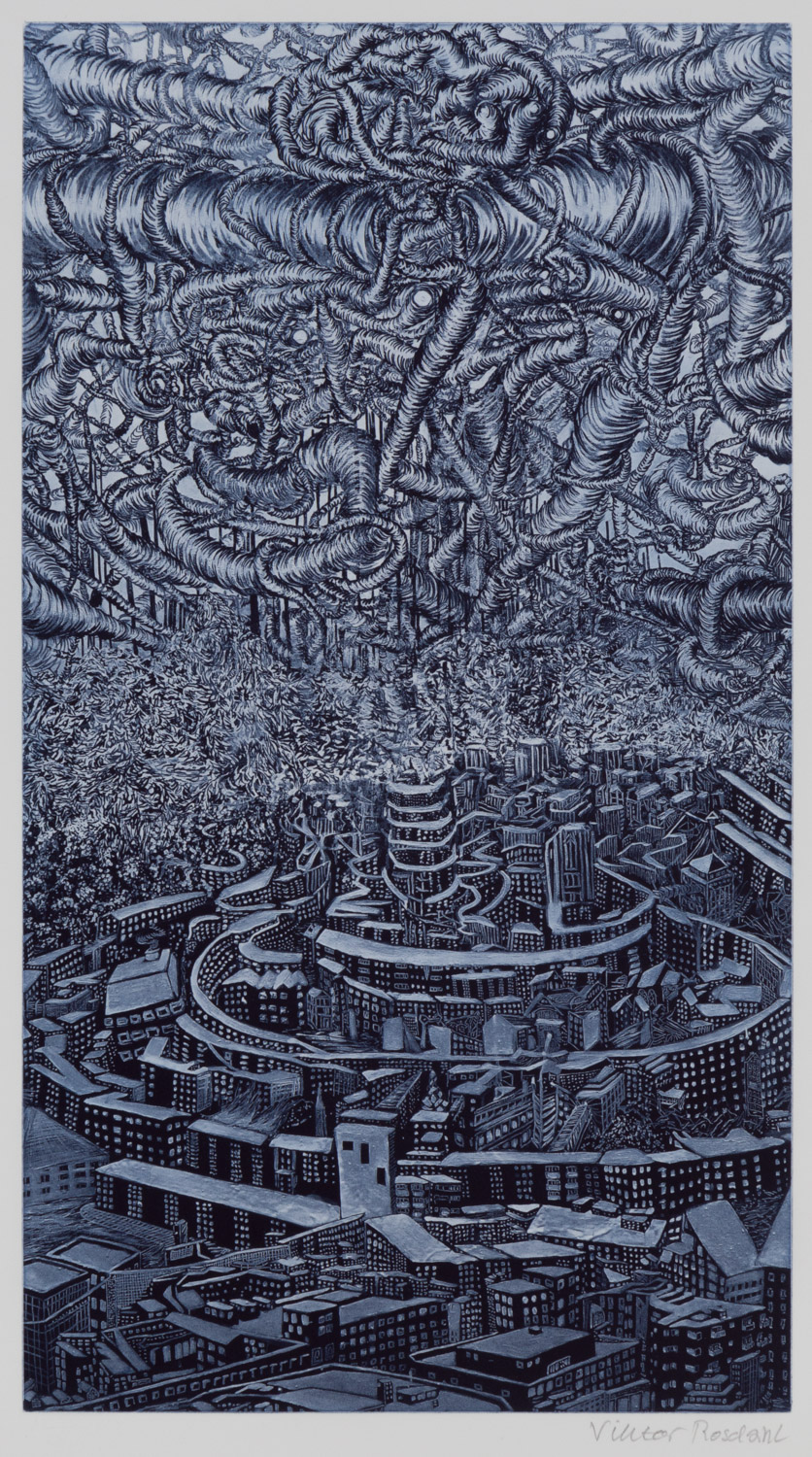
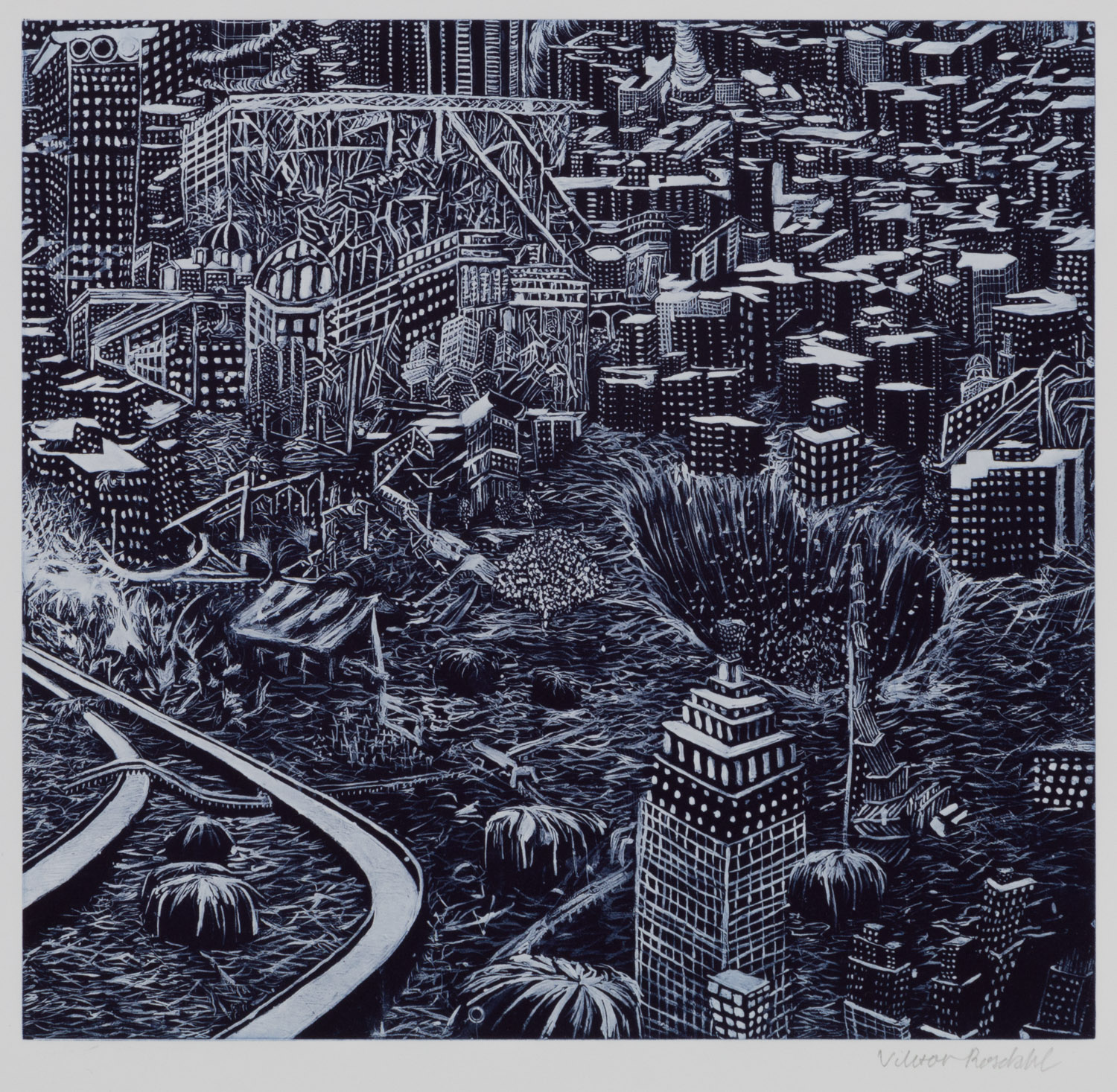
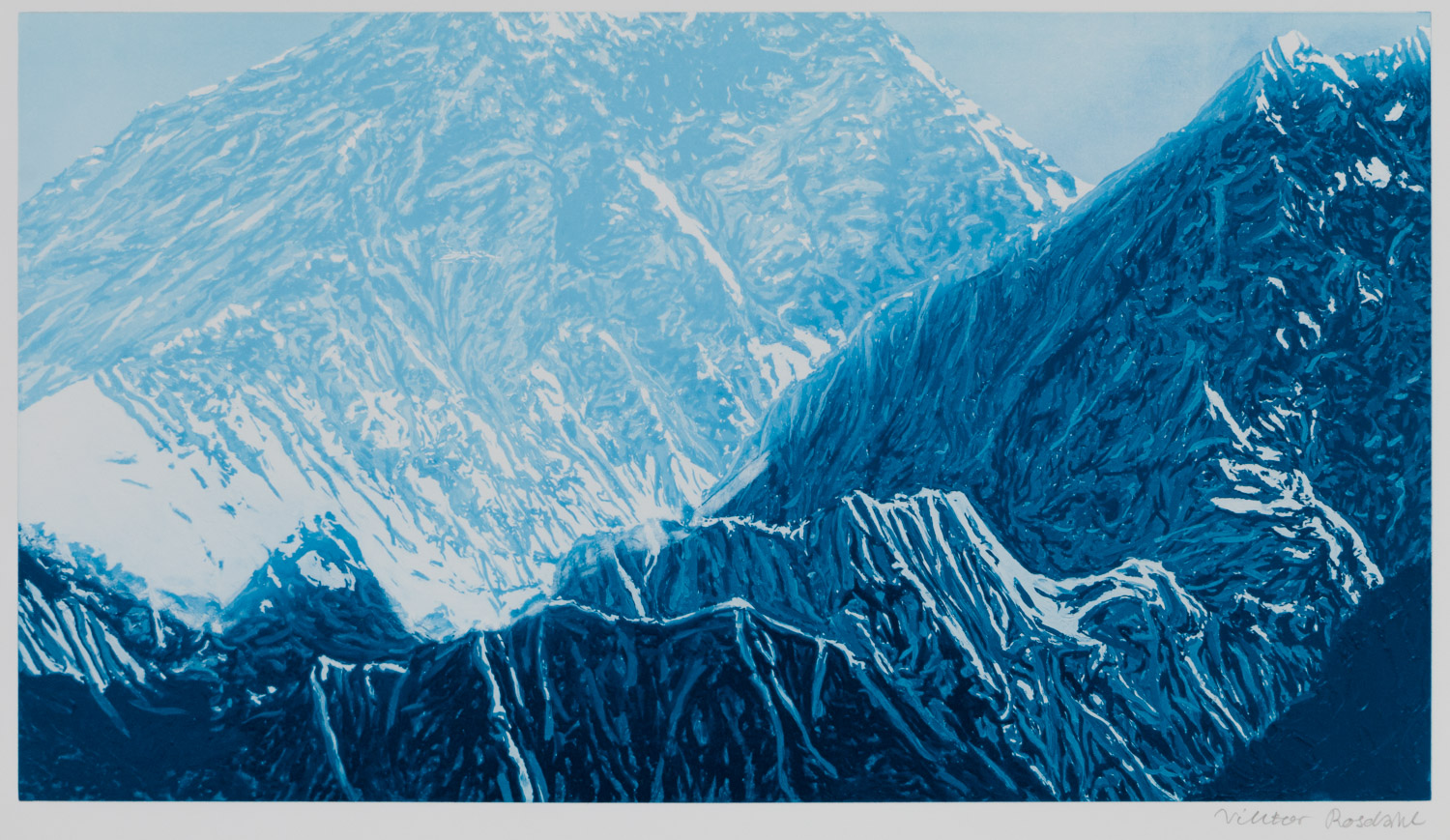
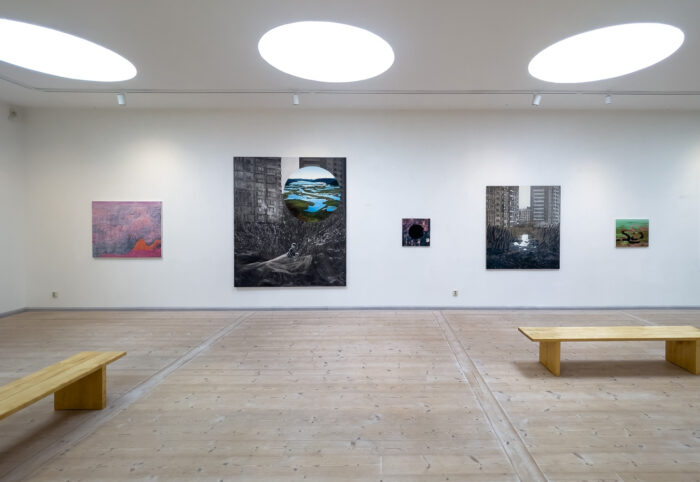
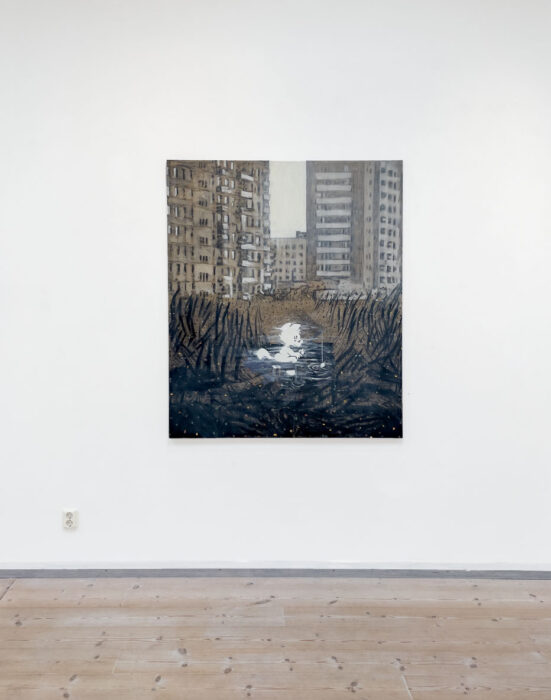
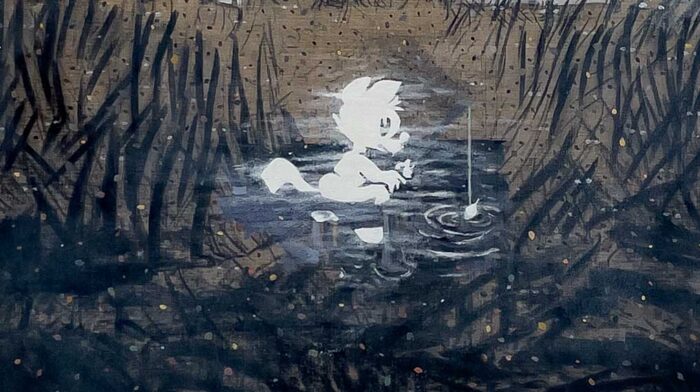
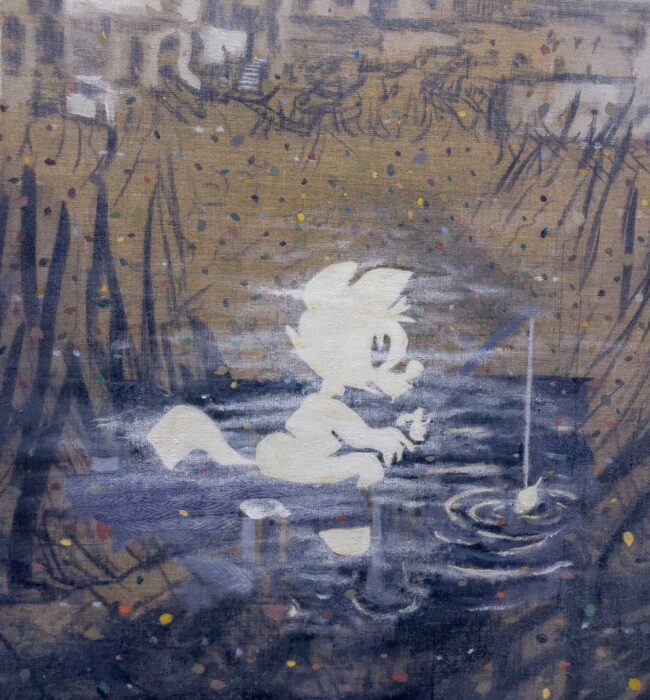
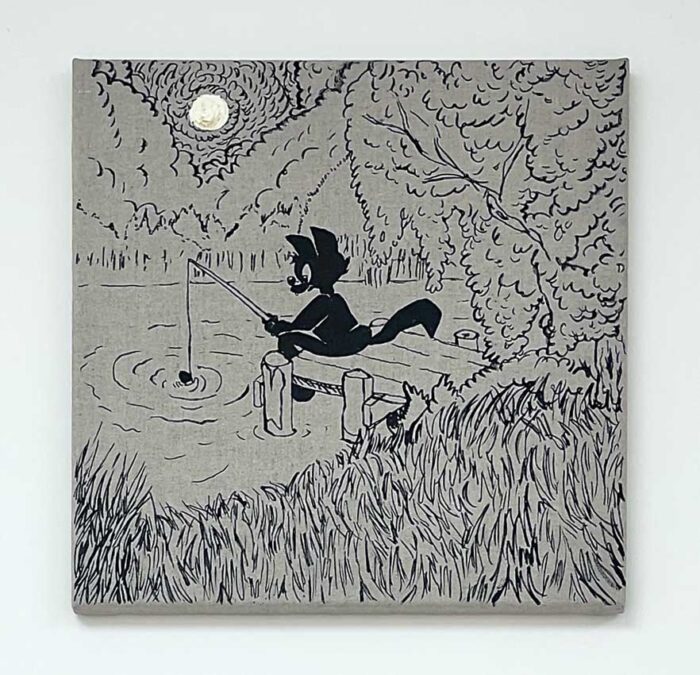
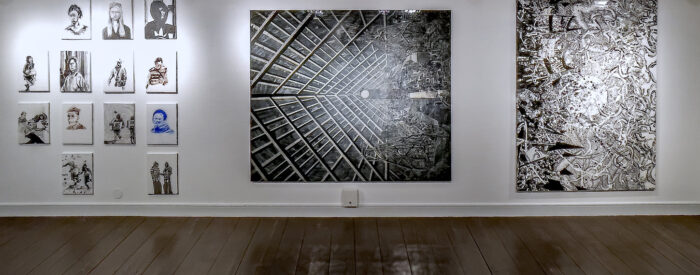
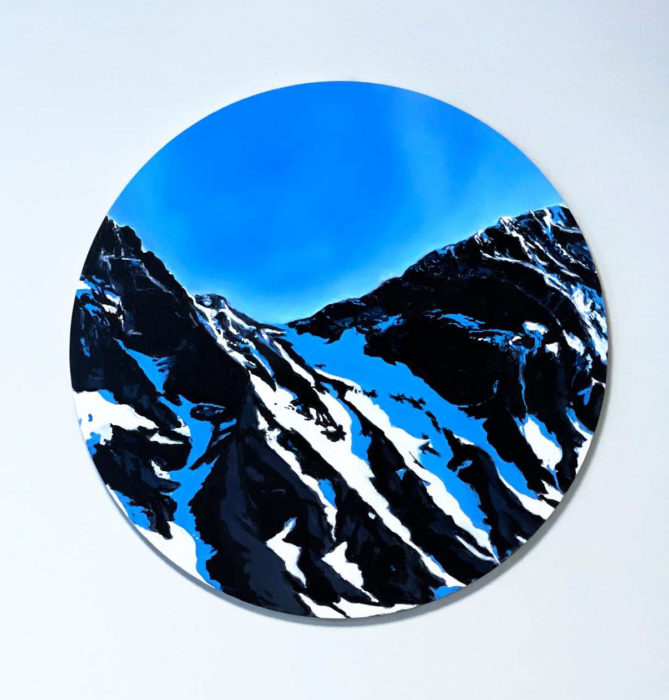
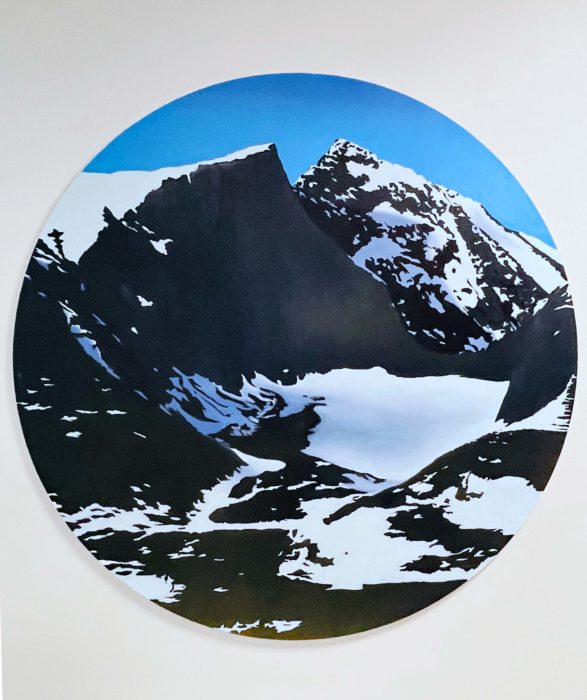
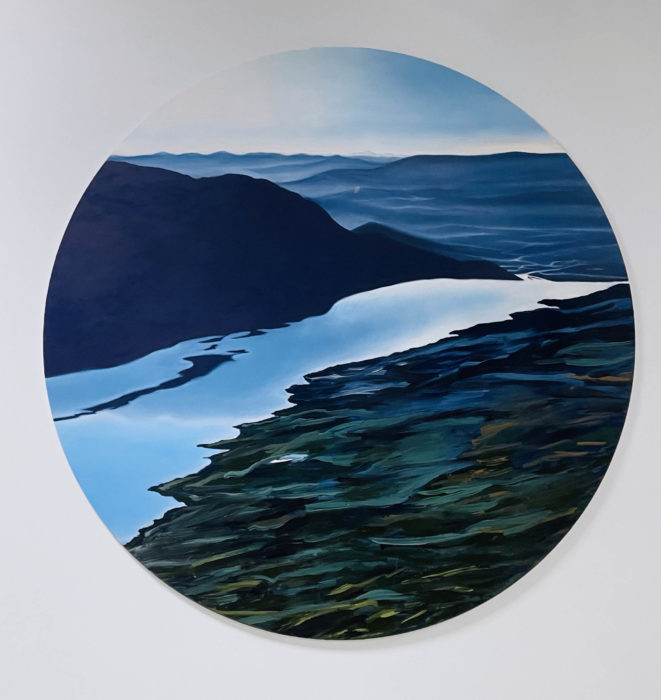
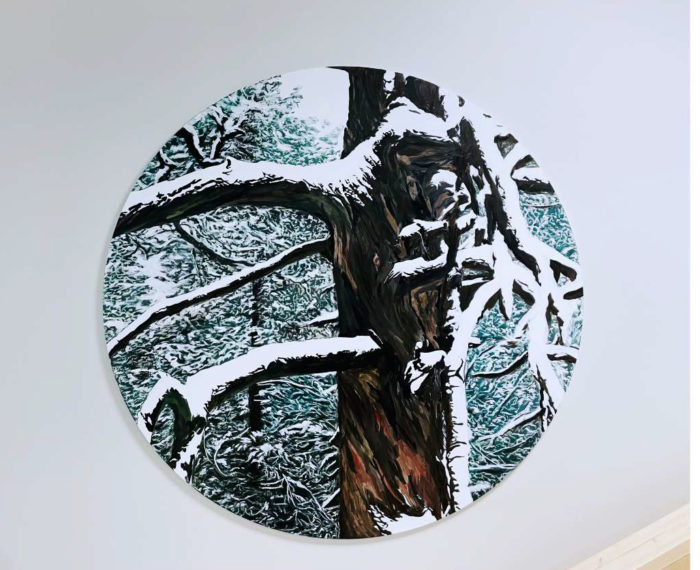
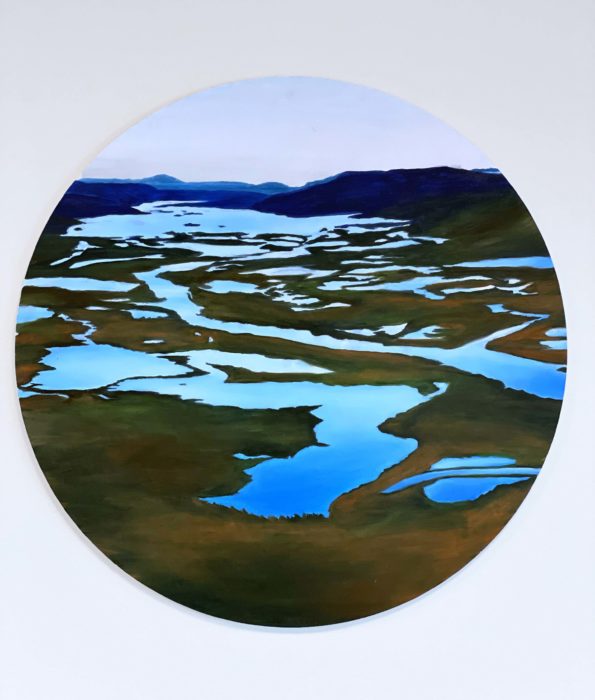
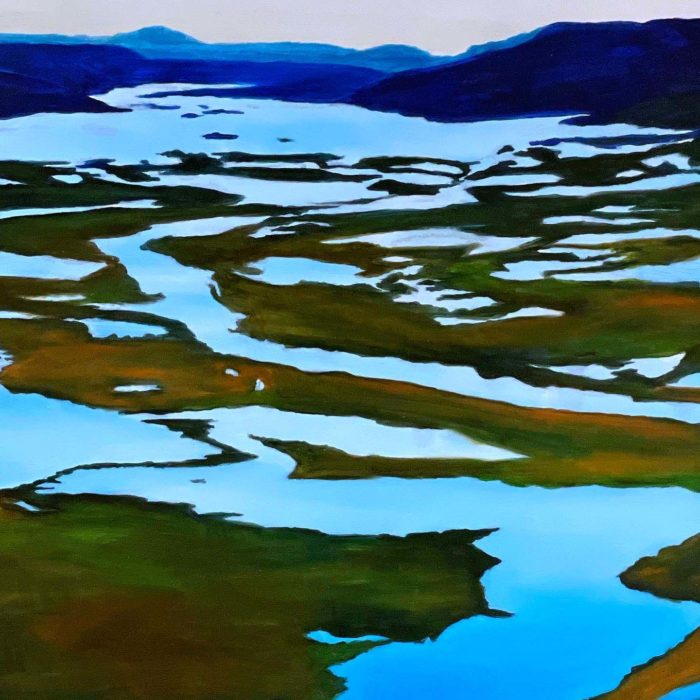
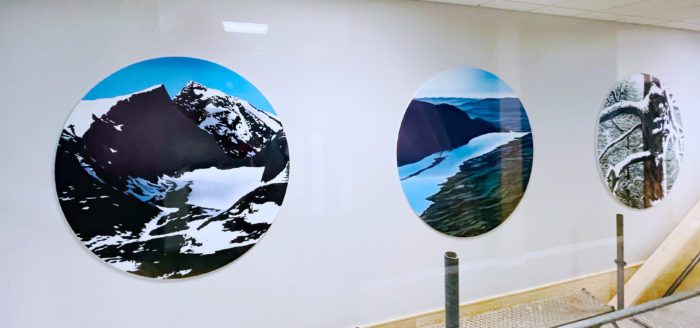
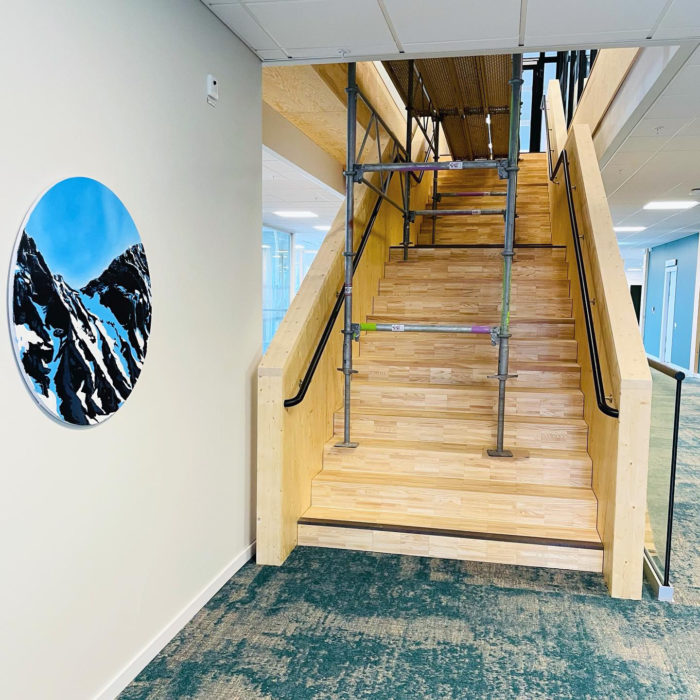
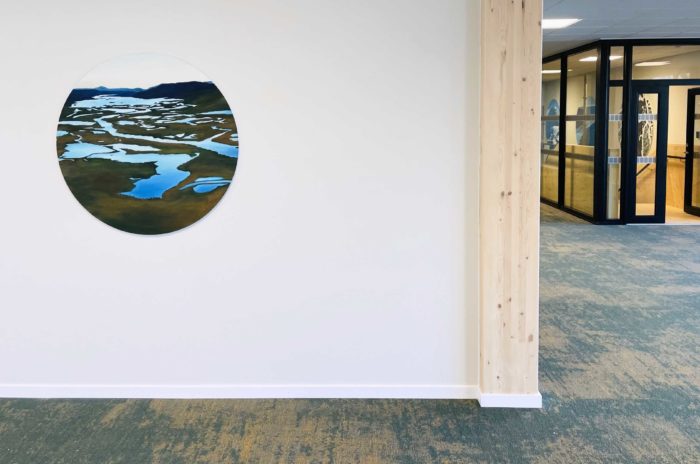
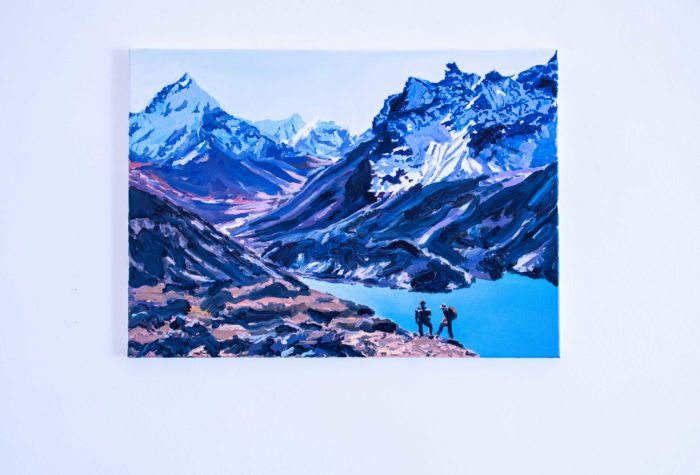
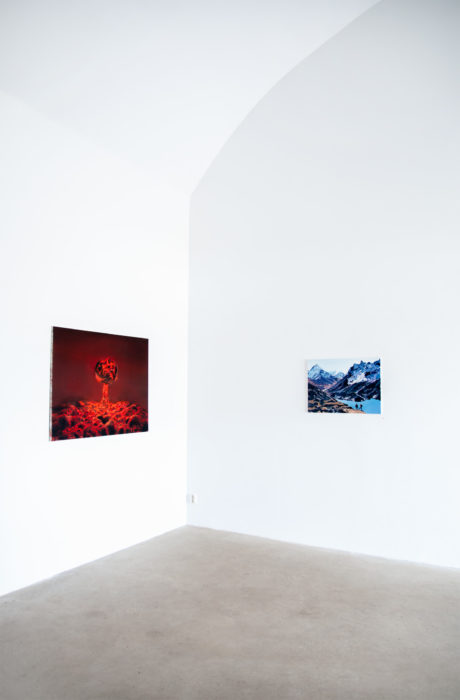
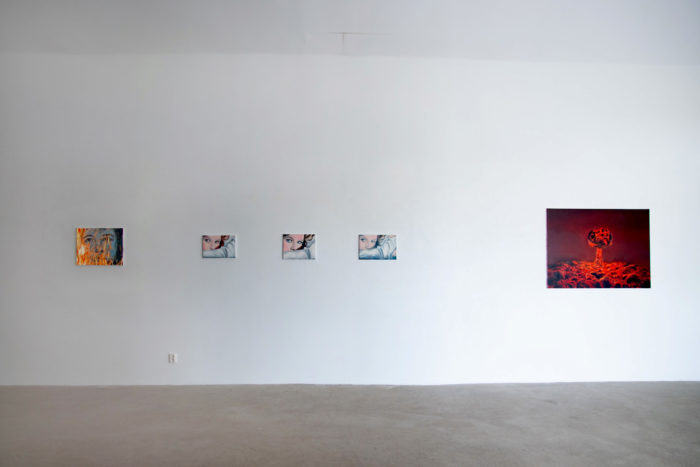
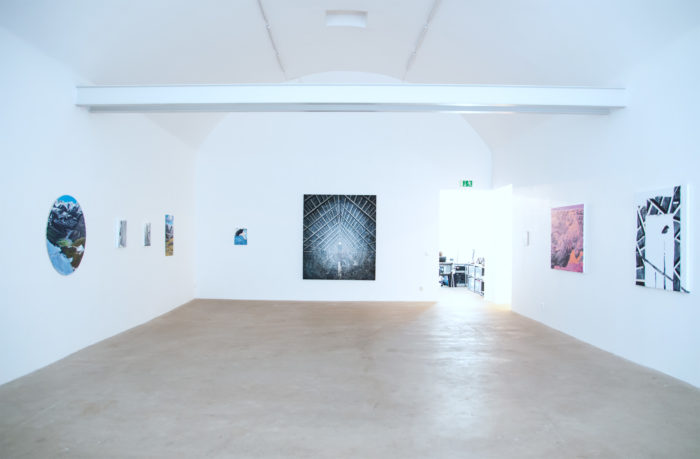
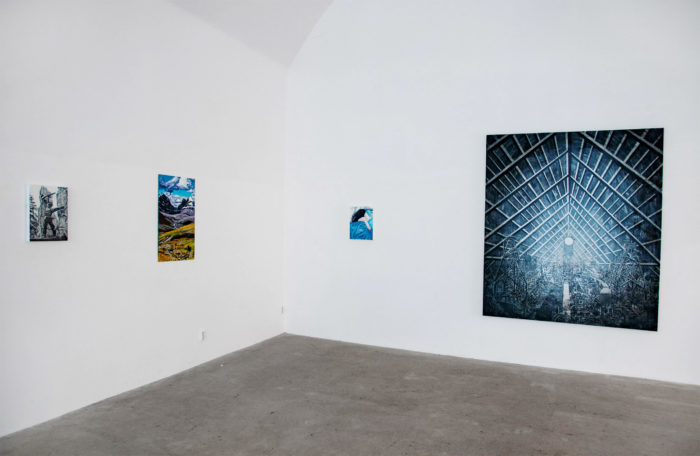
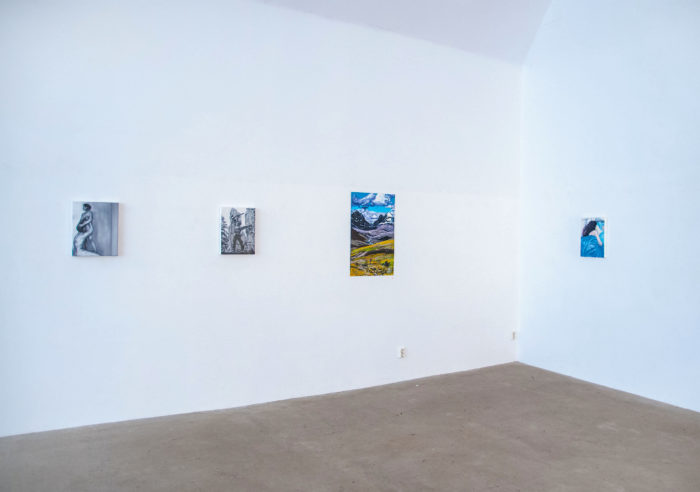
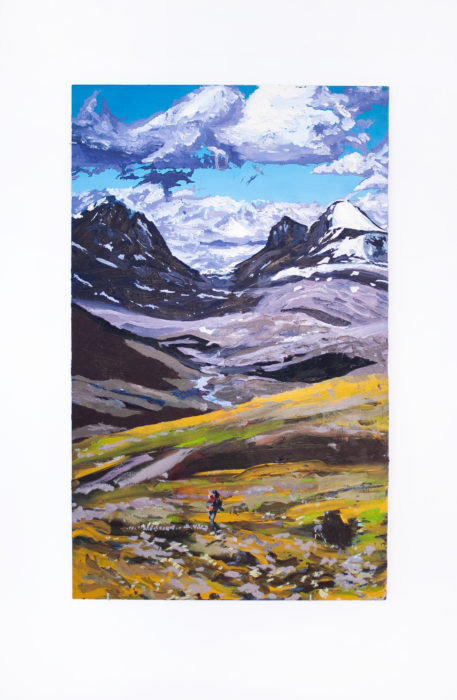
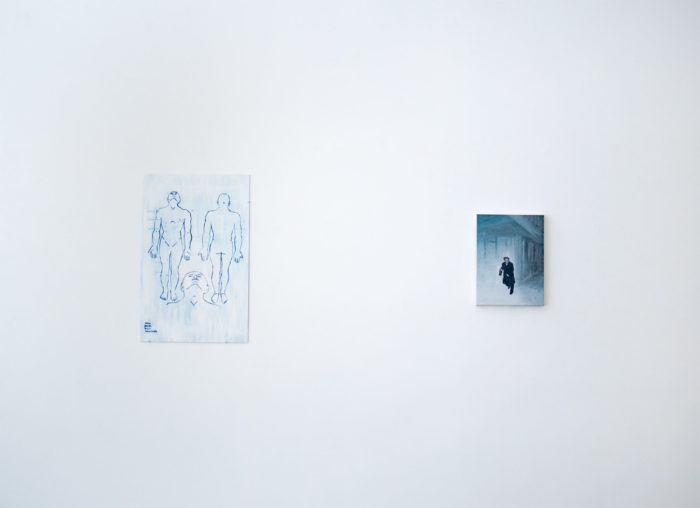
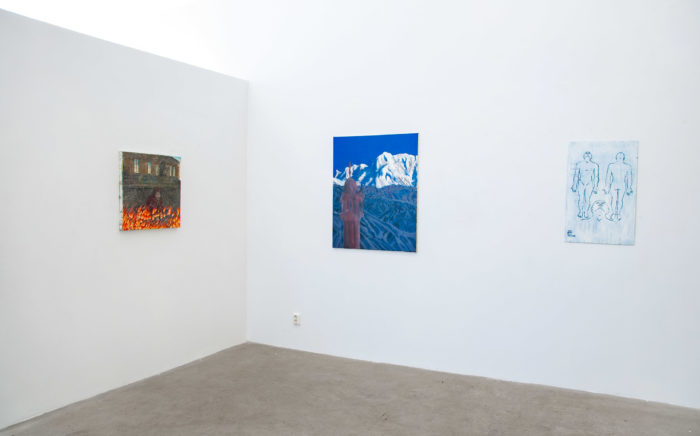
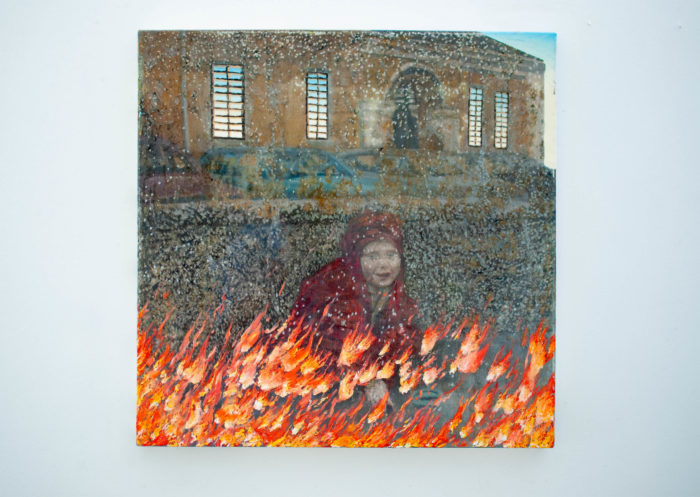

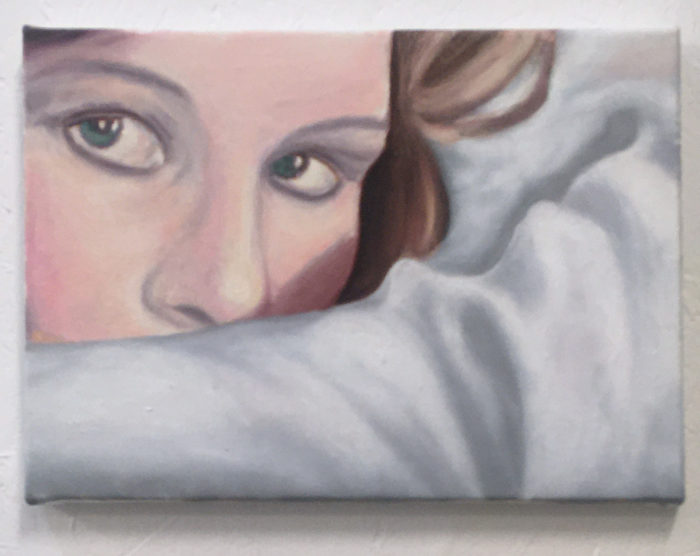
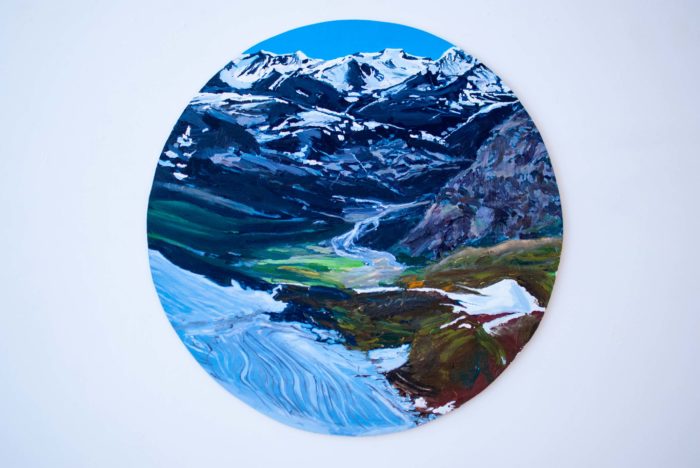
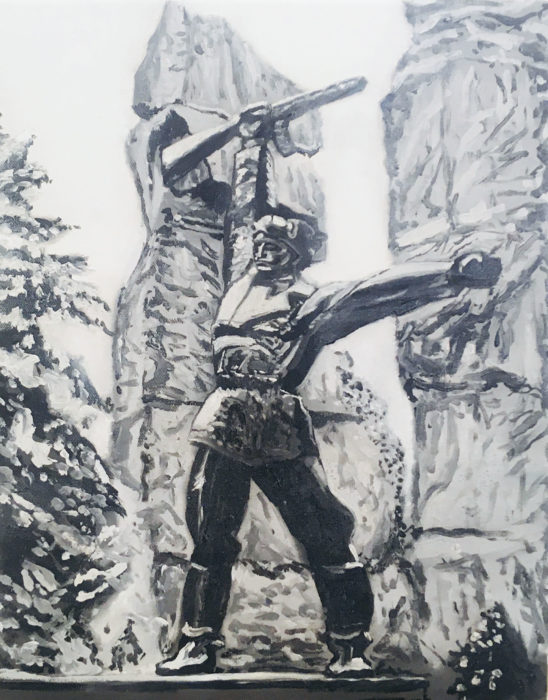
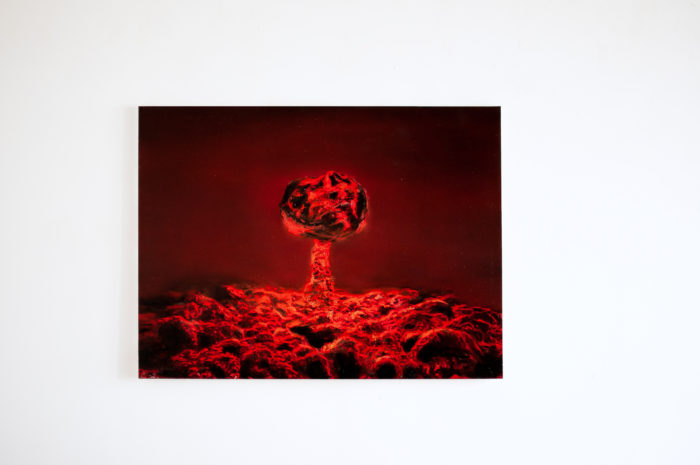
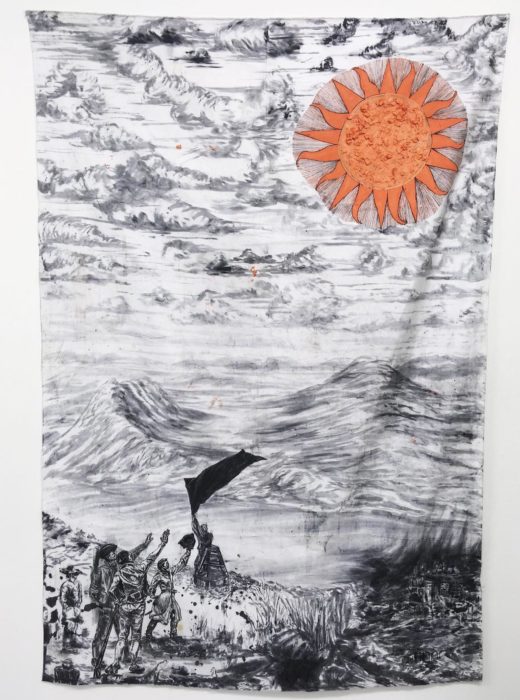
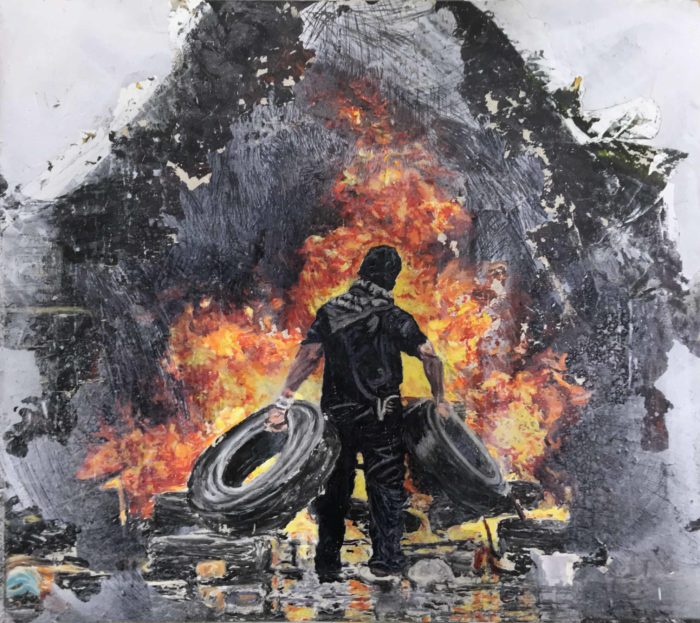
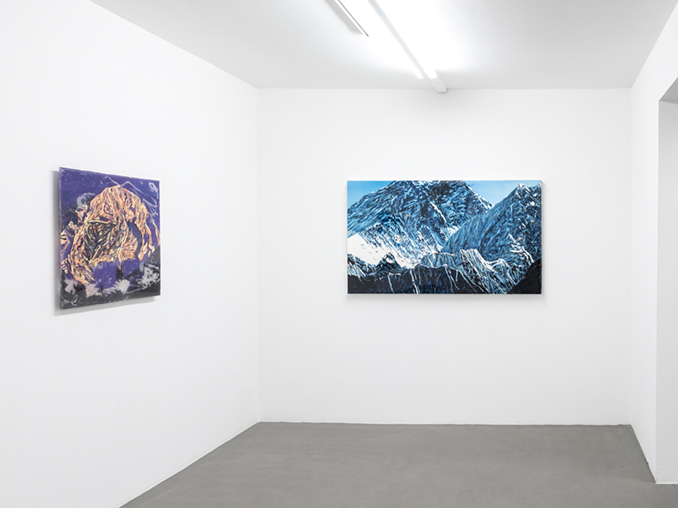
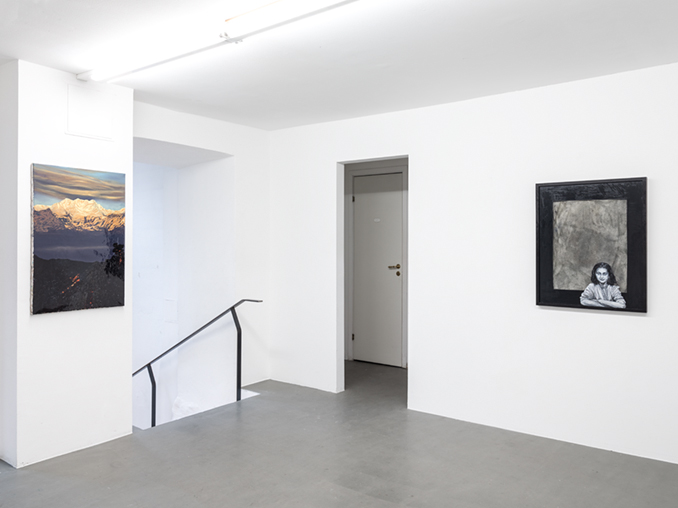
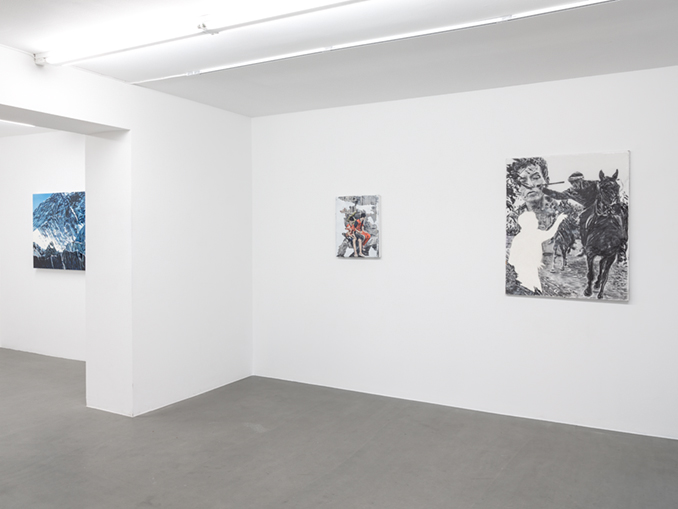
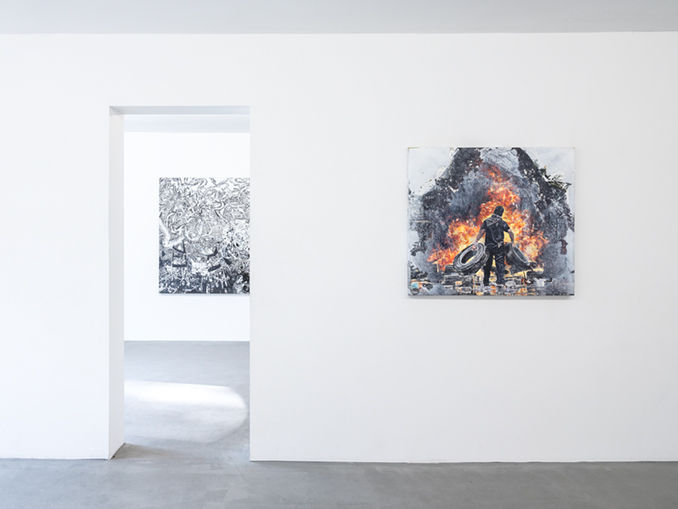
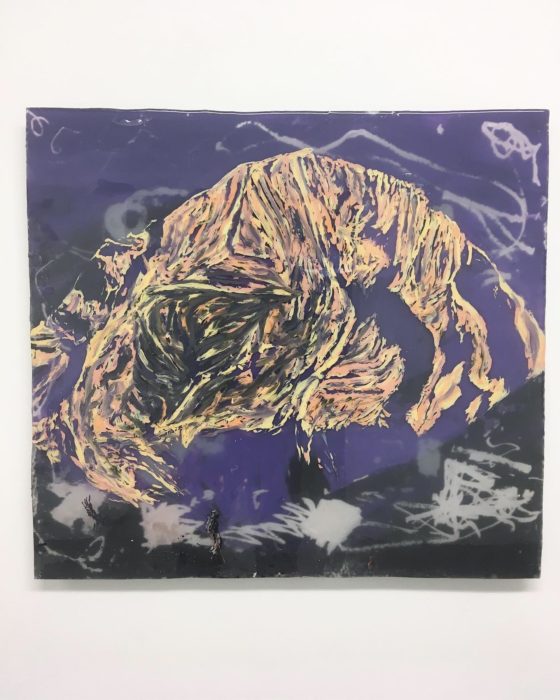
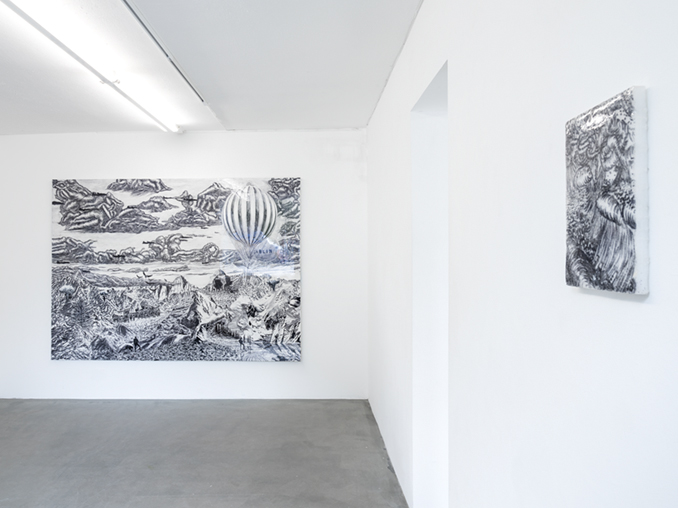

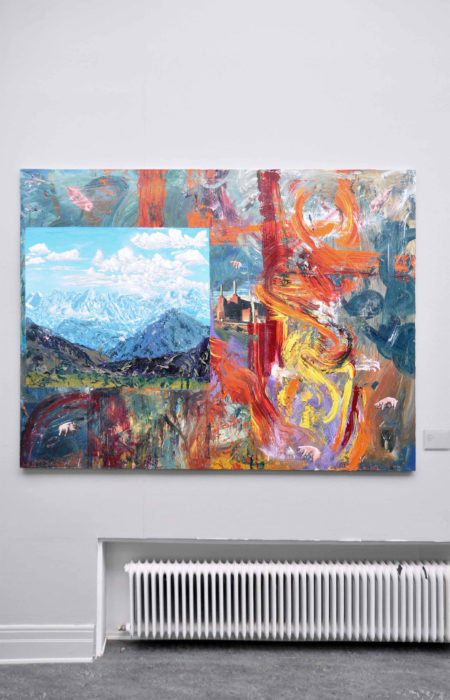
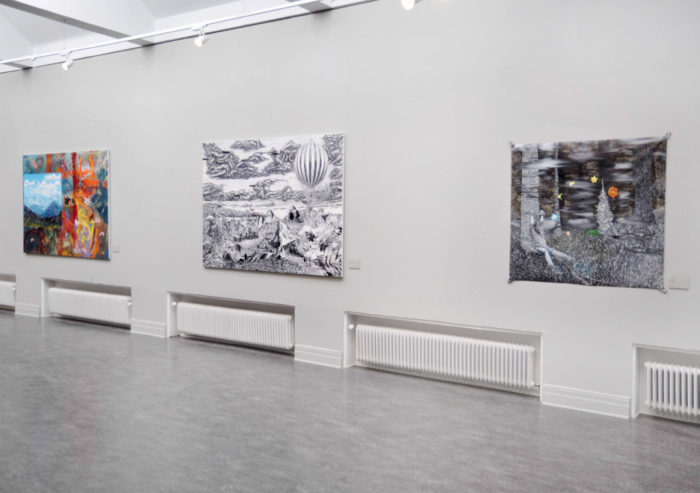
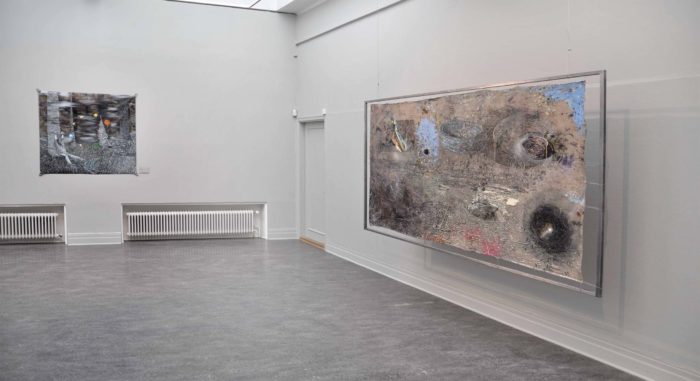
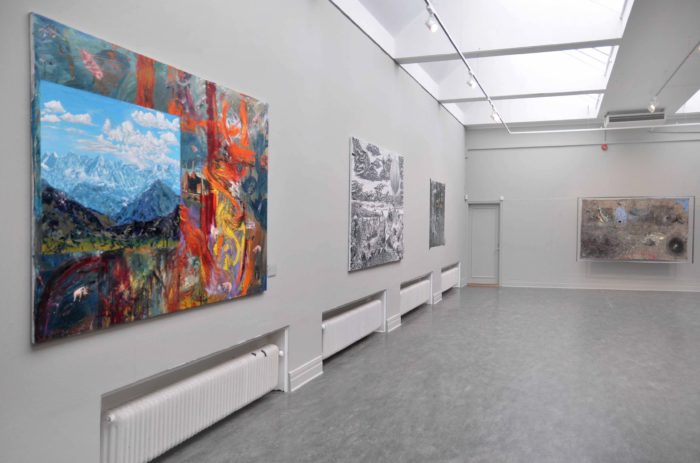
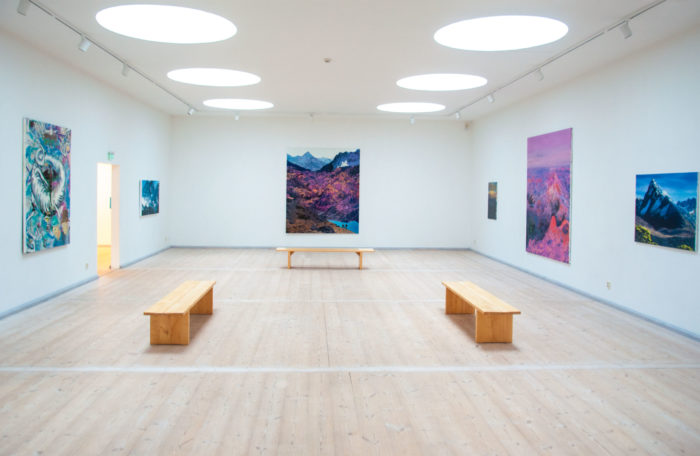
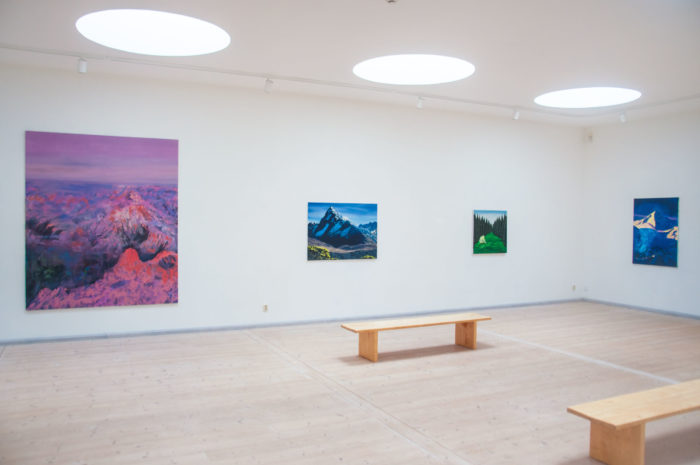
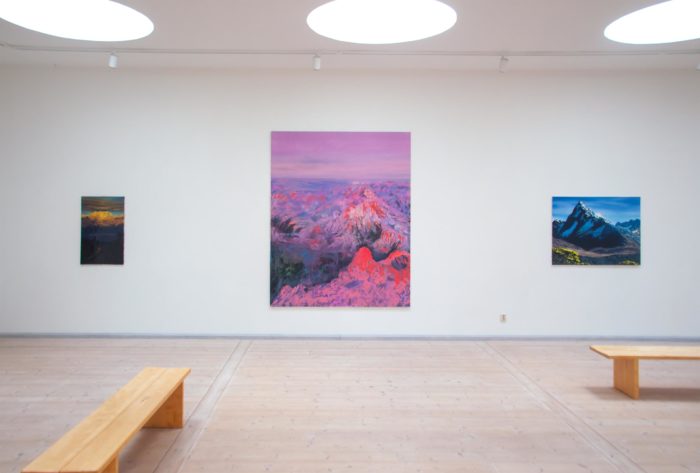
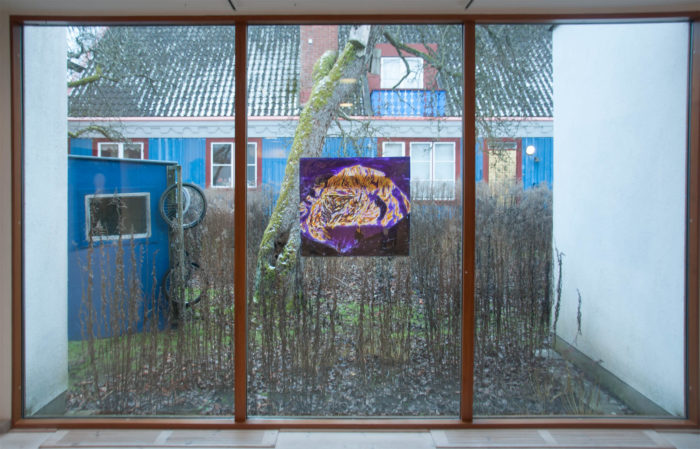
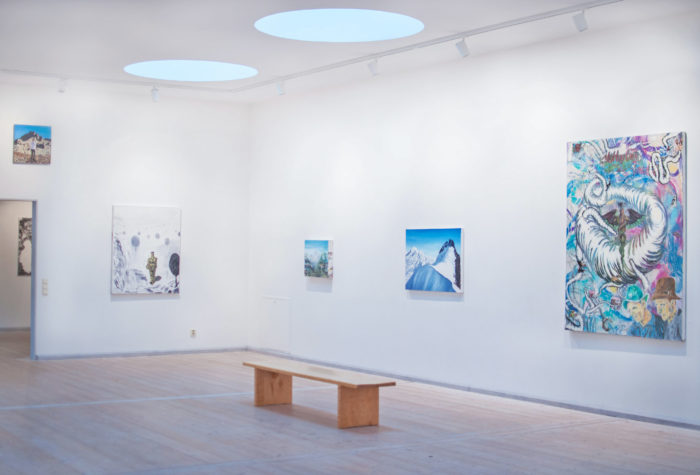
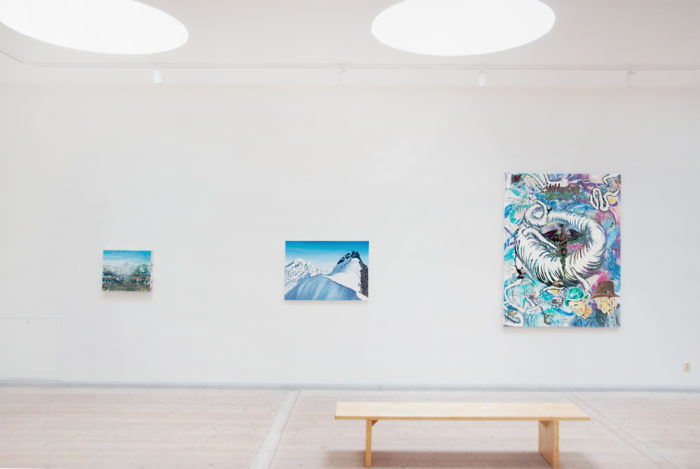
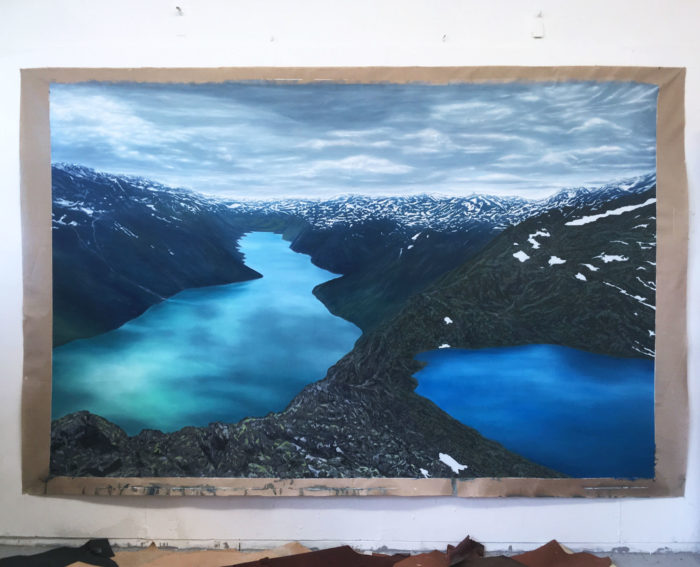
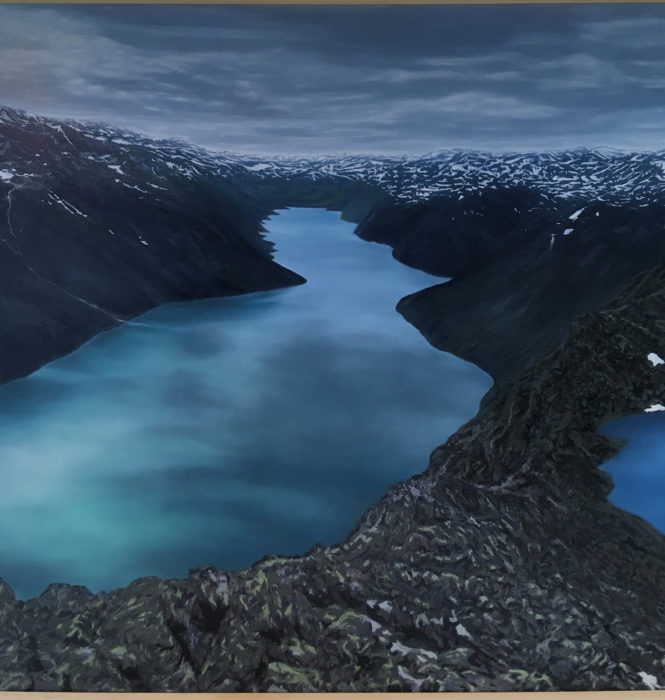
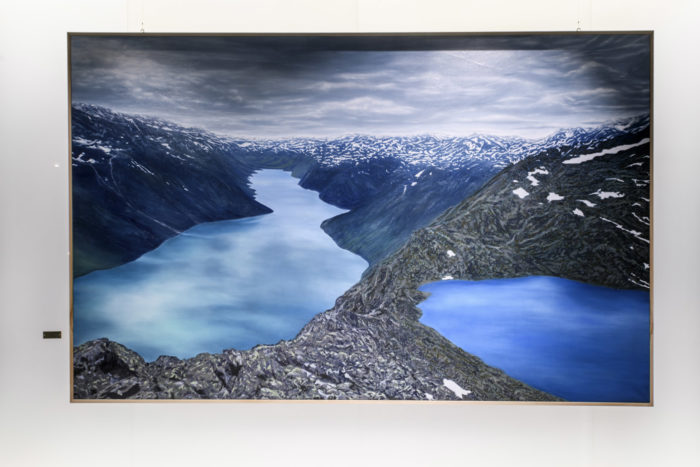 Photo: Ari Luostarinen
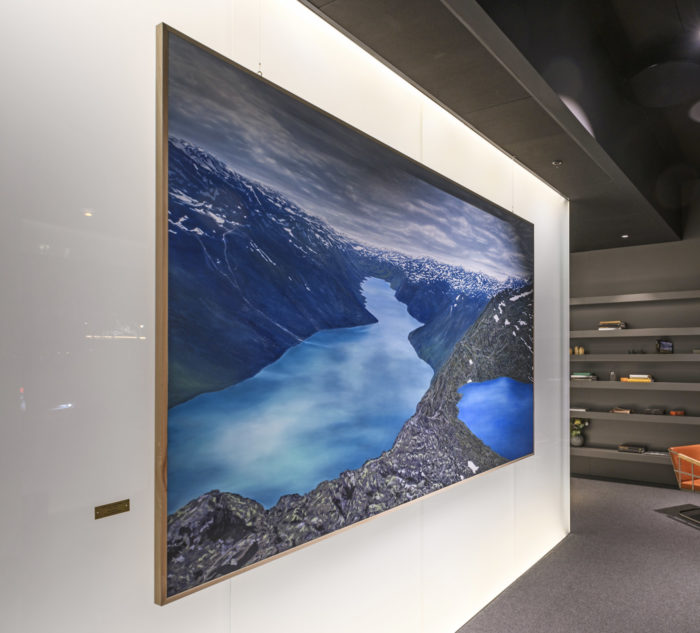 Photo: Ari Luostarinen
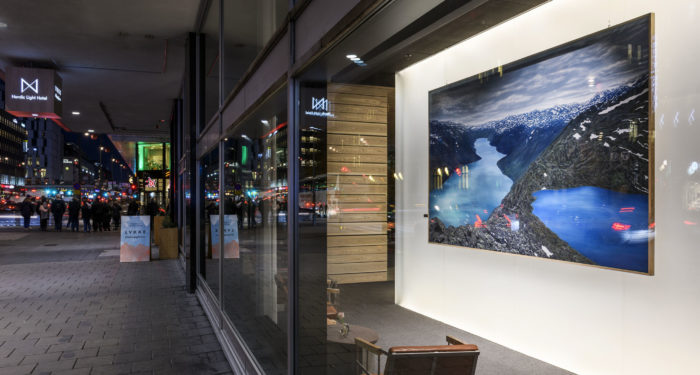 Photo: Ari Luostarinen